
Latest News
NDM raises alarm over civilian casualties in recent aerial bombardments
In a joint statement shared on social media, the party and its supporters warned that the continued loss of civilian lives is worsening instability and undermining prospects for peace.

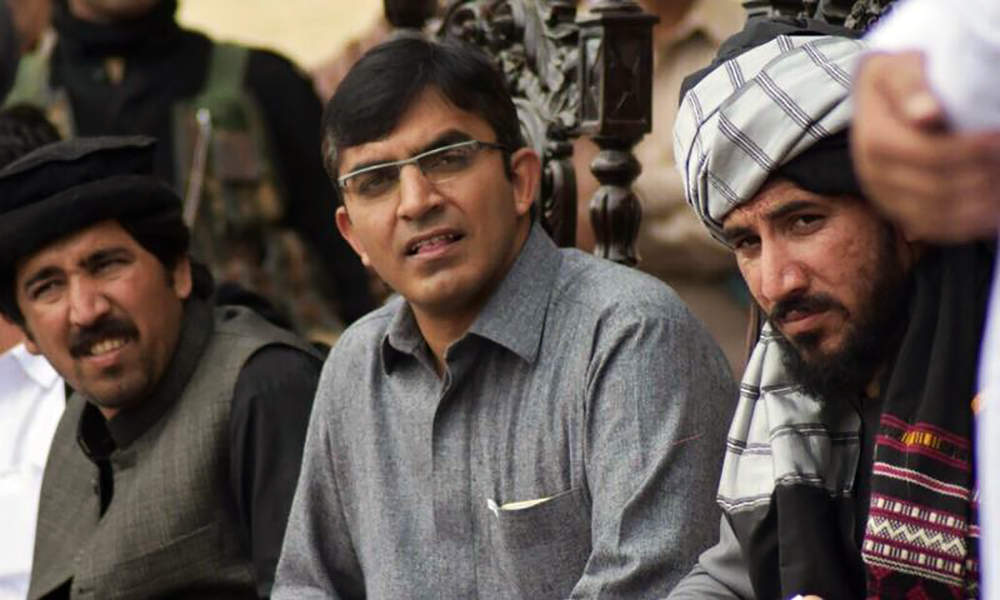
Pakistan’s National Democratic Movement (NDM) has issued a statement expressing deep concern over the rising number of civilian casualties in Afghanistan , including women and children, in recent aerial bombardments.
In a joint statement shared on social media, the party and its supporters warned that the continued loss of civilian lives is worsening instability and undermining prospects for peace. The group called on all parties involved in the conflict to prioritize the protection of civilians and avoid actions that could escalate violence further.
According to the statement, the increasing attacks on populated areas are causing widespread fear among communities and raising humanitarian concerns. The movement stressed that civilians must not become victims of political or military confrontations.
NDM urged authorities and all stakeholders to exercise restraint and seek peaceful solutions to ongoing disputes. The party emphasized that stability and security can only be achieved through dialogue and respect for human life.
The statement also called on the international community and relevant organizations to closely monitor the situation and support efforts aimed at preventing further civilian suffering.
The National Democratic Movement, founded by former parliamentarian Mohsin Dawar, has frequently spoken out on security and humanitarian issues affecting communities in Pakistan’s tribal regions.





Latest News
UN warns of mounting humanitarian and human rights pressures in Afghanistan
The UN documented 399 civilian casualties in Afghanistan between 1 April and 30 June, including 57 deaths and 342 injuries.
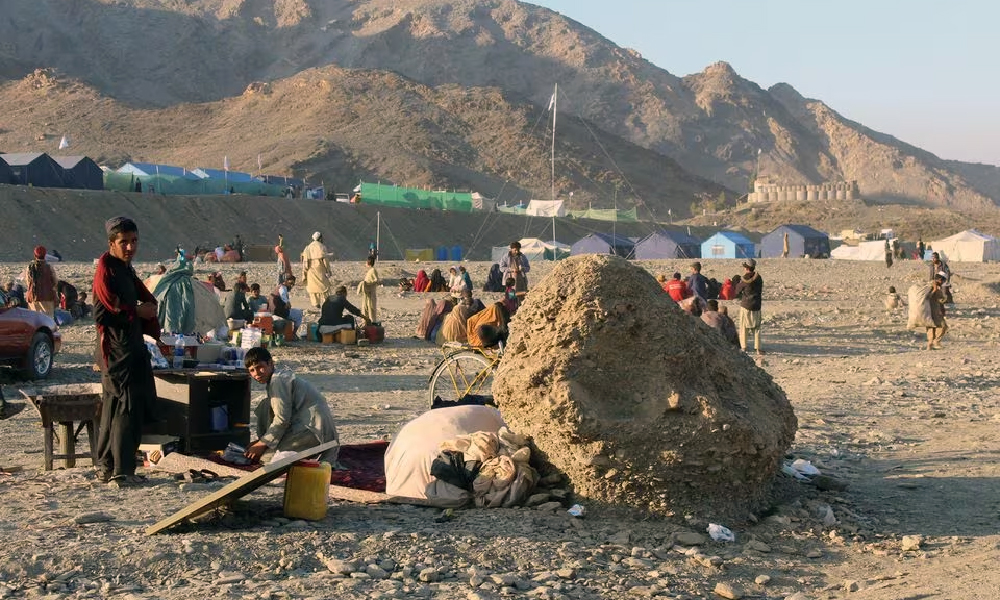
The United Nations has warned that Afghanistan continues to face serious humanitarian, economic, security and human rights challenges, despite the Islamic Emirate (IEA) maintaining overall territorial and administrative control.
In its latest report, covering 22 May to 9 September 2026, the UN said relative stability masked growing risks, including human rights concerns, economic pressures, humanitarian needs and tensions with Pakistan.
The report said IEA policies continued to raise concerns over the rights of women and girls, restrictions affecting men and women, arrests of journalists, reported violations of the general amnesty and the continued use of corporal punishment.
Between 1 May and 31 July, the UN recorded 2,947 safety and security-related incidents, an 11 percent increase compared with the same period in 2025. Armed opposition groups claimed responsibility for 88 incidents across 21 provinces, of which 55 were verified.
The attacks mainly involved ambushes and assaults on checkpoints targeting IEA personnel and military facilities.
The UN also reported a suicide bombing outside a boys’ school in Kabul on 5 June, although no group claimed responsibility.
In Badakhshan, the Homeland Soldiers Front briefly seized administrative buildings in Yaftal-e Payin District on 17 July before withdrawing.
On 24 July, the Afghanistan Freedom Front attacked a security checkpoint in Zaybak District, but the IEA reportedly repelled the attack and retained control.
The Afghanistan-Pakistan frontier remained volatile, with drone activity, airstrikes, shelling and clashes reported on both sides.
The UN documented 399 civilian casualties in Afghanistan between 1 April and 30 June, including 57 deaths and 342 injuries.
Pakistani airstrikes on 28 June in Kunar, Paktika and Paktiya were reported to have killed 28 civilians and injured 189.
Pakistan said the strikes targeted terrorist hideouts, while the IEA rejected the allegations.
On 30 June, the IEA Ministry of Defence announced retaliatory drone attacks against alleged ISIL-K (Daesh) and anti-IEA group locations in Pakistan.
Pakistani authorities confirmed that drones had crossed into Pakistani territory and said they were intercepted.
The UN also reported that ISIL-K claimed an attack on a military checkpoint in Nuristan on 30 June, while an IEA official was killed near Faizabad in Badakhshan on 29 July.
Humanitarian pressure
The humanitarian response remained severely underfunded, the UN reported stating that the 2026 Afghanistan Humanitarian Needs and Response Plan had received $513 million of the $1.7 billion required, leaving it 29.9 percent funded.
The UN projected that 13.8 million people would face crisis or emergency levels of food insecurity in 2026, while 3.7 million children under five and 1.2 million pregnant and breastfeeding women were projected to face acute malnutrition.
Nearly 1.15 million Afghans returned between 1 January and 22 August, including 686,200 from Pakistan and 465,000 from Iran. The UN said a large share of the returns were involuntary, placing additional pressure on labour markets and communities.
The report also noted that an estimated 2.4 million Afghan girls were systematically excluded from secondary education, according to UNESCO.
A UNICEF study estimated that restrictions on women’s education and labour-force participation cost Afghanistan at least $84 million annually.
Regional engagement
Despite the challenges, Afghanistan continued regional economic and diplomatic engagement.
Afghan and Uzbek traders signed 22 trade agreements worth $200 million, while Uzbekistan agreed to simplify visa procedures for Afghan patients seeking medical treatment.
Afghanistan also held discussions with Turkmenistan, Iran and India on energy, bilateral cooperation and agriculture.
Turkmenistan reported that construction of the Turkmenistan-Afghanistan-Pakistan-India (TAPI) pipeline had reached 67 percent completion.
UN Secretary-General António Guterres called on the IEA to remove restrictions affecting women and girls, protect media freedom, respect due process and detainee rights, prevent violations of the general amnesty and end corporal punishment.
He also urged all parties involved in Afghanistan-Pakistan hostilities to protect civilians and comply with international law, while calling for returns to Afghanistan to be voluntary, safe, dignified and supported by sustainable reintegration.
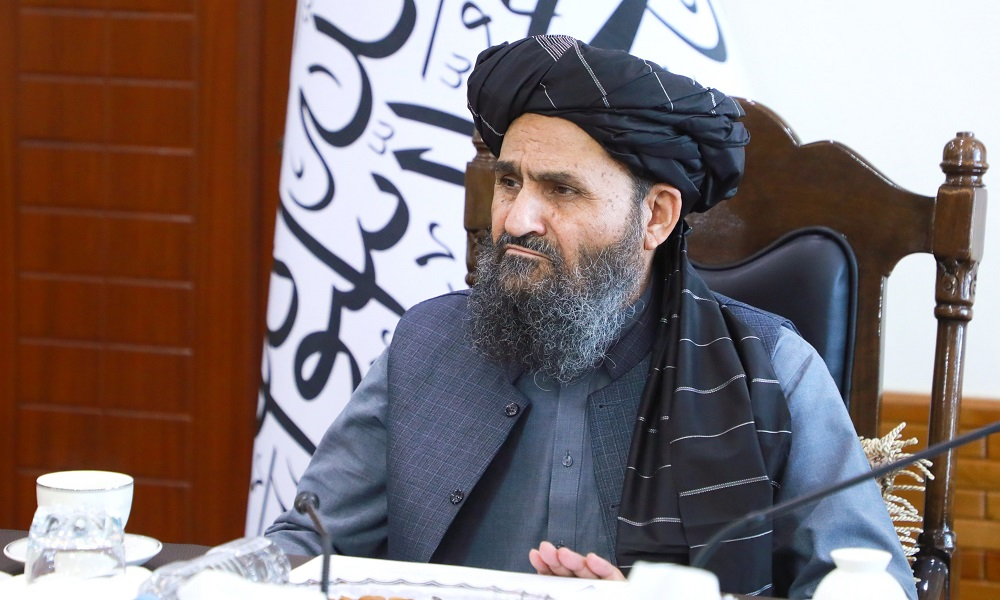
Afghanistan’s Economic Commission has approved 66 draft national standards and testing methods covering a wide range of agricultural, industrial and commercial sectors.
The commission, chaired by Deputy Prime Minister for Economic Affairs Mullah Abdul Ghani Baradar, approved 36 national standards and 30 testing methods following discussions and a review of the proposals, according to a statement from the Office of the Prime Minister.
The approved standards cover areas including agricultural products, food, medicines, textiles, chemicals and plastics, telecommunications and electricity, mining, construction materials and environmental protection, among other sectors.
The move is aimed at establishing clearer standards and testing procedures across key areas of production and trade, helping to provide a common framework for assessing the quality and safety of products.
The commission also discussed the ownership and management of coal unloading, loading, processing and packaging facilities in Paktia, Paktika, Khost, Kandahar and Nangarhar provinces.
Following a comprehensive assessment, the commission decided that the facilities would fall under the Ministry of Transport and Civil Aviation, which will oversee their operations.
Latest News
Petition filed in Islamabad High Court against PMDC directive affecting Afghan students
The move comes as Afghan medical students continue to challenge PMDC directives that could affect their ability to continue their studies in Pakistan.
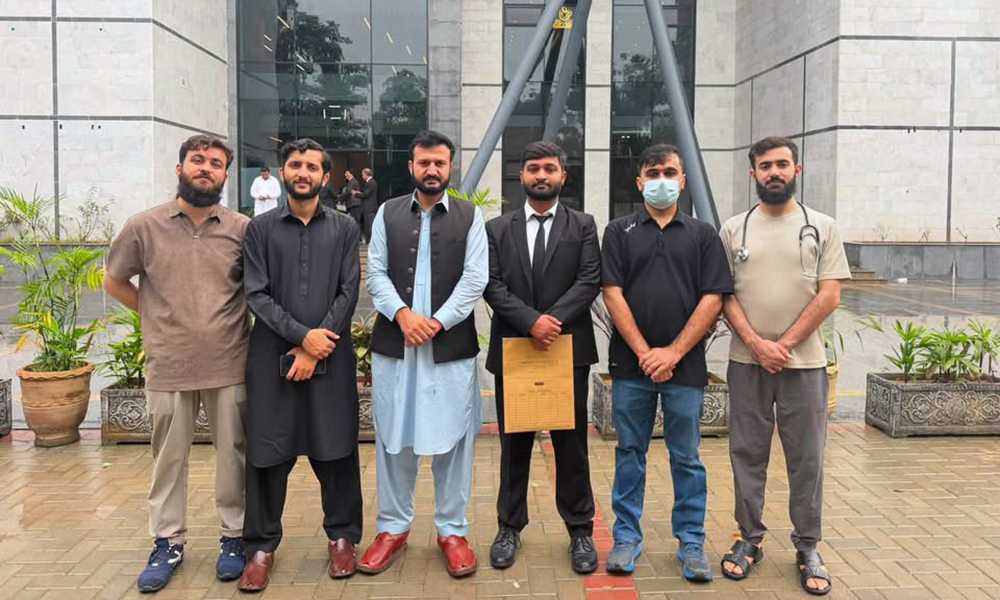
A petition has been filed in the Islamabad High Court challenging a recent notification issued by the Pakistan Medical and Dental Council (PMDC) that affects Afghan students studying at medical institutions in Pakistan.
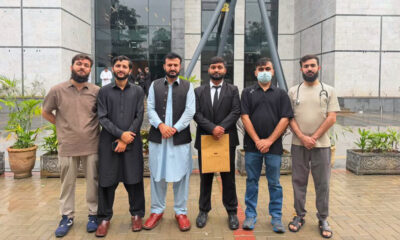
The petition was submitted on behalf of Afghan students by Islami Jamiat-e-Talaba (IJT), which said it is seeking legal relief for students impacted by the directive.
According to a statement issued on Tuesday, IJT chief Sahibzada Waseem Haider visited the Islamabad High Court alongside Afghan students from the Federal Medical College in Islamabad and IJT Islamabad chief Hashir Abbasi. Legal representation is being provided by Advocate Imran Shafiq and his team.
The move comes as Afghan medical students continue to challenge PMDC directives that could affect their ability to continue their studies in Pakistan.
Earlier, the Lahore High Court and the Sindh High Court granted interim relief to Afghan students through stay orders, temporarily preventing the implementation of measures affecting students enrolled in institutions across Punjab and Sindh.
“We remain hopeful that, following a detailed hearing, the students’ academic future will be safeguarded and the PMDC’s unjust notification will be reviewed,” Haider said in the statement.
He added that IJT has actively supported Afghan students and organised solidarity demonstrations at medical and dental colleges across Pakistan.
The issue has sparked concern among Afghan students studying in Pakistan, many of whom are enrolled in advanced years of their medical education and fear that changes to regulations could disrupt their studies and future careers.
The Islamabad High Court is expected to consider the petition and determine whether relief should be granted to the affected students while the case proceeds.


UN warns of mounting humanitarian and human rights pressures in Afghanistan

India take 2-0 lead in 3-match series against Afghanistan

Tahawol: Afghanistan at the center of UN discussions

Nabi reaches 2,500 T20I runs

Economic Commission approves 66 draft national standards

Four mediators struggle to secure lasting Pakistan-Afghanistan ceasefire

Juma Khan Fateh surrenders to IEA forces in Badakhshan

Afghanistan’s trade diversification challenges Pakistan

Syria and Saudi Arabia condemn Kabul bombing, express solidarity with Afghanistan

Saudi energy group signs major Afghanistan deals covering gas exploration and pipeline plans
Tahawol: Afghanistan at the center of UN discussions

Saar: Afghanistan’s relations with regional countries discussed

Tahawol: Houthis’ return to regional power dynamics

Tahawol: Calls for U.S. engagement with Afghanistan

Saar: End of Chinese ambassador’s mission in Kabul
-

 Sport3 days ago
Zadran calls on Afghan fans to rally behind team against India
-

 Sport5 days ago
Omar Zawak, Toofan Herat secure victories in Afghanistan Champions League
-
 Latest News3 days ago
Khalilzad warns US risks losing influence in Afghanistan to China and Russia
-

 Regional4 days ago
Saudis shut down oil pipeline as Houthis tighten grip on Red Sea shipping
-

 Latest News5 days ago
Kabul to host tripartite meeting on Afghan migrants’ problems
-
 Business3 days ago
EU and FAO launch €5m programme to strengthen Afghanistan’s agrifood sector
-

 Latest News5 days ago
Pakistan court blocks expulsion of Afghan medical students
-
 World3 days ago
Houthi advance in Yemen puts U.S. in a new bind