
Latest News
SIGAR warns of continued threat – with or without peace

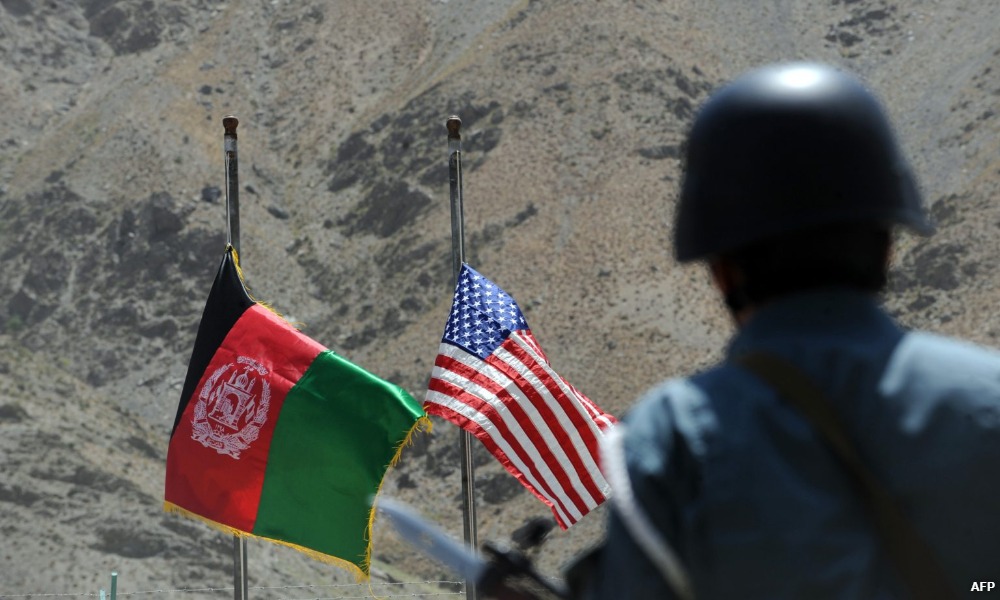
The United States’ Special Inspector General for Afghanistan Reconstruction (SIGAR) warned on Wednesday night that security remains the most crucial and enduring high-risk area for Afghanistan and with or without a sustainable peace agreement and nationwide ceasefire, Afghanistan will likely continue to be threatened by multiple violent-extremist organizations.
Presenting SIGAR’s 2021 High-Risk List to US Congress, John F. Sopko, Special Inspector General for Afghanistan Reconstruction, said any political agreement risks subordinate groups going rogue, possibly manifesting as another insurgency or insecurity from criminal gangs or networks.
These issues could become even more pronounced if US forces are no longer in country to provide counterterrorism support and to train, advise, and assist Afghanistan’s security institutions, his report stated.
He said that in keeping with SIGAR’s statutory mandate to promote economy, effectiveness, and efficiency, the High-Risk List identifies serious risks to the United States’ $143 billion reconstruction effort in Afghanistan.
He also pointed out that this report is issued at a time when peace negotiations between the Afghan government and the Taliban are stalled amid continuing high levels of violence, putting the reconstruction effort at greater risk than ever before.
“As we note in this report, whether or not the United States continues to withdraw its troops from Afghanistan pursuant to last year’s withdrawal agreement with the Taliban, the new Administration and Congress will have to decide whether and to what extent reconstruction will continue.
“Although Afghanistan’s leadership have often stated that their goal is self-reliance, Afghanistan today is nowhere near to being self-reliant – especially in funding its government operations, including military and police – from its own resources.
“And, as highlighted in our report, reconstruction aid helps keep Afghanistan from reverting to a terrorist safe haven,” Sopko said.
He stated that “today the gains from our nation’s investment in Afghanistan’s reconstruction face multiple threats: continued insecurity, uncertain post-peace settlement funding, the challenge of reintegrating fighters, endemic corruption, lagging economic growth and social development, threats to women’s rights, the illicit narcotics trade, and inadequate oversight by donors.”
He also pointed out that the level of violence has increased, including not only attacks against Afghan security forces, but also bomb attacks on civilians and targeted assassinations of mid level officials, prominent women, and journalists.
In addition, the COVID-19 pandemic is overwhelming Afghanistan’s health sector and having a severe impact on its economy and people, he stated.
Sopko said this report is “intended to provide an independent and sober assessment of the various risks now facing the Administration and Congress as they seek to make decisions about the future of the U.S. mission in Afghanistan.”
The High-Risk List focuses on elements of the US reconstruction effort in Afghanistan that are essential to success; at risk of failure due to waste, fraud or abuse; and subject to the control or influence of the US government.
Key Factors
By using these criteria, SIGAR identified eight high-risk areas:
• Increasing Insecurity
• Uncertain Funding for a Post-Peace Settlement
• The Need to Reintegrate Ex-Combatants
• Endemic Corruption
• Lagging Economic Growth and Social Development
• Illicit Narcotics Trade
• Threats to Women’s Rights
• Inadequate Oversight
The report stated that while security remains the most crucial and enduring high-risk area for Afghanistan because the Taliban have not significantly changed their tactics, high levels of violence, or political objectives, and terrorist groups in Afghanistan such as Islamic State-Khorasan (IS-K/Daesh) and al-Qaeda remain in the country.
“With or without a sustainable peace agreement and nationwide ceasefire, Afghanistan will likely continue to be threatened by multiple violent-extremist organizations.
“Any political agreement risks subordinate groups going rogue, possibly manifesting as another insurgency or insecurity from criminal gangs or networks.
“These issues could become even more pronounced if US forces are no longer in country to provide counterterrorism support and to train, advise, and assist Afghanistan’s security institutions,” the report read.
It also noted that the long-term danger for Afghan women is that Afghan peace negotiations break down, plunging the country into worse violence. “Women and girls suffer not only loss of life, injury, disability, and mental trauma, but also the loss of male breadwinners, increasingly desperate poverty, the social stigma and discrimination that accompany widowhood and permanent disability, and reduced access to basic services.”
The SIGAR report also noted that there are between 55,000 and 85,000 Taliban fighters and that depending on the terms of a peace agreement, some Taliban fighters will be integrated into the Afghan National Defense and Security Forces; while others will need to transition to productive noncombatant status in civil society.
According to SIGAR, Afghanistan remains exceptionally reliant on foreign assistance – specifically with donor grants that total at least $8.6 billion per year which currently finances almost 80 percent of Afghanistan’s $11 billion in public expenditures.
“Afghanistan remains exceptionally reliant upon foreign assistance, creating both an opportunity for donors to influence events there as foreign troops depart and risks to a potential peace if they reduce assistance too much, too fast, or insist on conditions that cannot be achieved by the parties to the conflict,” the report read.
SIGAR also warned that the Afghan government’s limited fiscal capacity may be inadequate to sustain the infrastructure, such as roads, reliable power generation, and economic supply chains.
“The Afghan government’s lack of financial sustainability is an issue affecting all high-risk areas identified by SIGAR,” the report read.
SIGAR also noted that the detrimental effects of the illegal drugs trade in Afghanistan does not only affect the health system but also helps fund insurgents, foster corruption, and provoke criminal violence.
“Even in the midst of the COVID-19 pandemic, Afghanistan’s opium economy has remained resilient. The United Nations Office on Drugs and Crime reported that Afghanistan’s 2020 opium-poppy harvest was largely uninterrupted by COVID-19,” the report read.
Another key risk factor was government’s failure to effectively address systemic corruption in Afghanistan.
SIGAR stated the Afghan government has taken limited steps to curb systemic corruption, but more tangible action is required.
“The Afghan government often makes “paper” reforms, such as drafting regulations or holding meetings, rather than taking concrete actions that would reduce corruption, like arresting or enforcing penalties on powerful Afghans.”
Sopko meanwhile stated that regardless of the course chosen by the US, SIGAR, as the largest oversight presence in Afghanistan and the only one with whole-of-government authority, will remain the best US defense against the waste, fraud, and abuse of US taxpayer funds in Afghanistan.






The Ministry of Foreign Affairs of the Islamic Emirate of Afghanistan announced on Tuesday the release of American citizen Dennis Coyle from prison.
According to the ministry, Coyle’s mother had written to the leader of the Islamic Emirate demanding amnesty and the release of her son on the occasion of Eid. The Supreme Court considered time served sufficient and decided to release him.
The Ministry of Foreign Affairs stated that this action was carried out on the basis of humanitarianism and good faith, and it believes that such measures can strengthen trust between countries. The ministry also expressed hope that both countries, in the future, can find solutions to remaining issues through mutual understanding and constructive dialogue.
The Islamic Emirate also expressed appreciation for the cooperation of the United Arab Emirates in this matter.
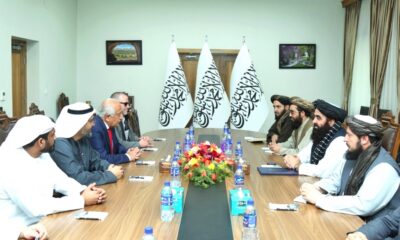
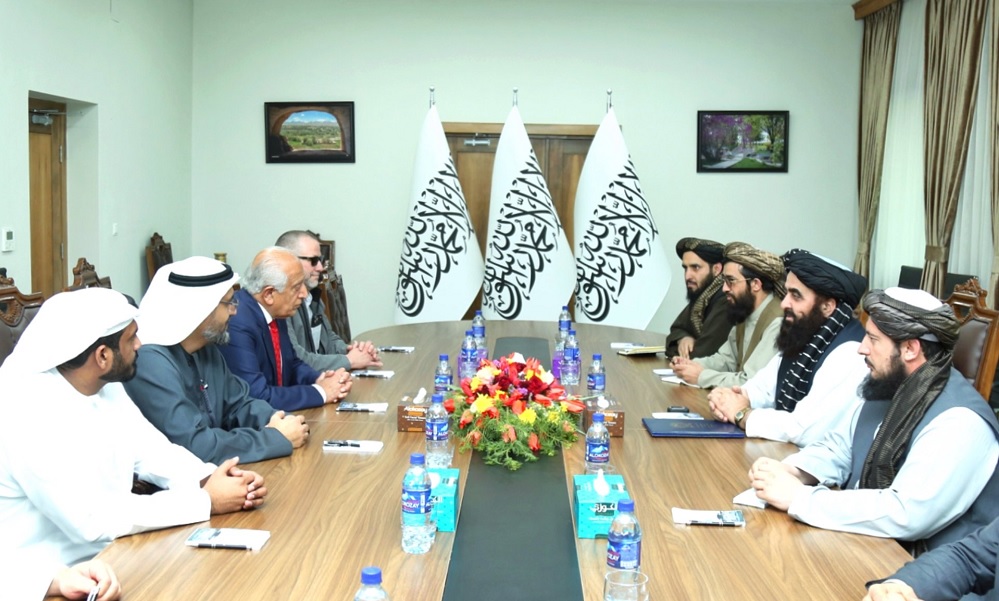
Separately, for Coyle’s release, an American delegation, including Zalmay Khalilzad, former U.S. Special Representative for Afghanistan, met on Tuesday with Amir Khan Muttaqi, the Foreign Minister of the Islamic Emirate.
The meeting was also attended by Saif Mohammed Al-Ketbi, Ambassador of the UAE in Kabul, and a member of the prisoner’s family.
According to the Ministry of Foreign Affairs, Muttaqi stated that the Islamic Emirate has not detained any citizen of any country to achieve political objectives; rather, detentions were the result of legal violations, and individuals were released after completing judicial procedures.
At the meeting, Khalilzad praised the action of the Islamic Emirate and emphasized the importance of continuing discussions on all issues between the two countries, expressing hope for further progress in the future.
Muttaqi also stressed that Kabul and the UAE should provide standard consular services to their citizens, and that the Afghan government is fully prepared in this regard.
He thanked Sheikh Mohamed bin Zayed Al Nahyan, President of the UAE, for their constructive role in facilitating the release of the prisoner and referred to the UAE as a close friend of Afghanistan.
Earlier, Muttaqi had also praised the role of the State of Qatar in facilitating information exchange between the Islamic Emirate and the prisoner’s family.
Additionally, the UAE ambassador expressed his country’s readiness to play a role in humanitarian institutions and called such developments beneficial for everyone.

The United Kingdom has announced an additional £3 million (AFN 257 million) in humanitarian assistance to Afghanistan, aimed at supporting people affected by natural disasters and other shocks.
Richard Lindsay, in a post on X, said the funding will be used to provide essential nutrition supplies and related support to vulnerable populations.
The new allocation brings the UK’s total bilateral assistance to Afghanistan for the current financial year to £154 million (AFN 13.18 billion).


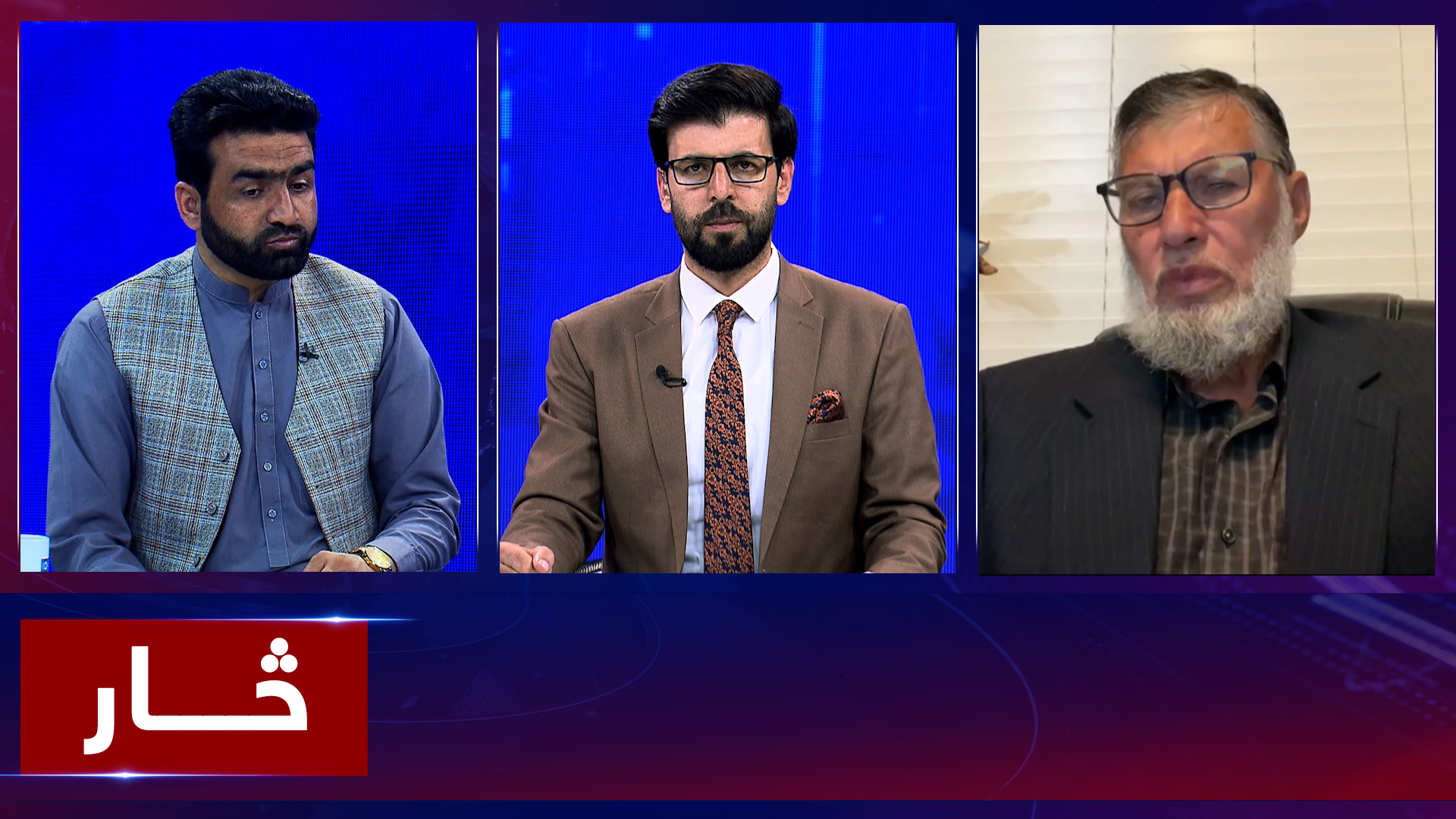
Tahawol: Escalating threats between Iran-US discussed

Saar: Discussion on criticism of Pakistan’s policies

Islamic Emirate releases American prisoner Dennis Coyle

UK announces additional £3 million in aid for vulnerable people in Afghanistan

Around 2.3 million tourists visited Afghanistan’s recreational areas during Eid: Ghufran

Pakistani military jet downed in Afghanistan’s Jalalabad, pilot captured alive

Afghan Air Force conducts airstrikes in Islamabad, other cities

Prominent Muslim scholar issues fatwa calling for Afghanistan-Pakistan ceasefire

Afghan air force strikes key Pakistani military installations in retaliatory operation

IEA: Special circle in Pakistan has launched mission to destabilize region
Tahawol: Escalating threats between Iran-US discussed

Tahawol: Possibility of US ground forces entering Iran war discussed

Saar: Using US prisoners as political pressure

Tahawol: Pakistan’s efforts to destabilise Afghanistan

Saar: Decline in international assistance to Afghanistan
-
 Sport4 days ago
Afghanistan national buzkashi falls short in Kokpar World Championship semifinals
-

 Sport3 days ago
Ireland to host Afghanistan for ODI series in August
-
 Latest News2 days ago
Deadly violence likely without dialogue between Afghanistan and Pakistan: ICG
-
 Latest News4 days ago
Mojtaba Khamenei calls for improved Afghanistan–Pakistan relations, offers help
-

 Sport5 days ago
FIFA sanctions Israeli Football Association over discrimination violations
-
 Latest News4 days ago
Malaysian PM welcomes temporary Afghanistan–Pakistan truce, urges lasting peace
-
 Latest News1 day ago
Pakistan seeks Russian mediation to resolve Afghanistan tensions
-
 Latest News5 days ago
IEA defense ministry accuses Pakistan of ceasefire violations