
Uzbekistan and Pakistan call on Afghanistan to act against militant groups

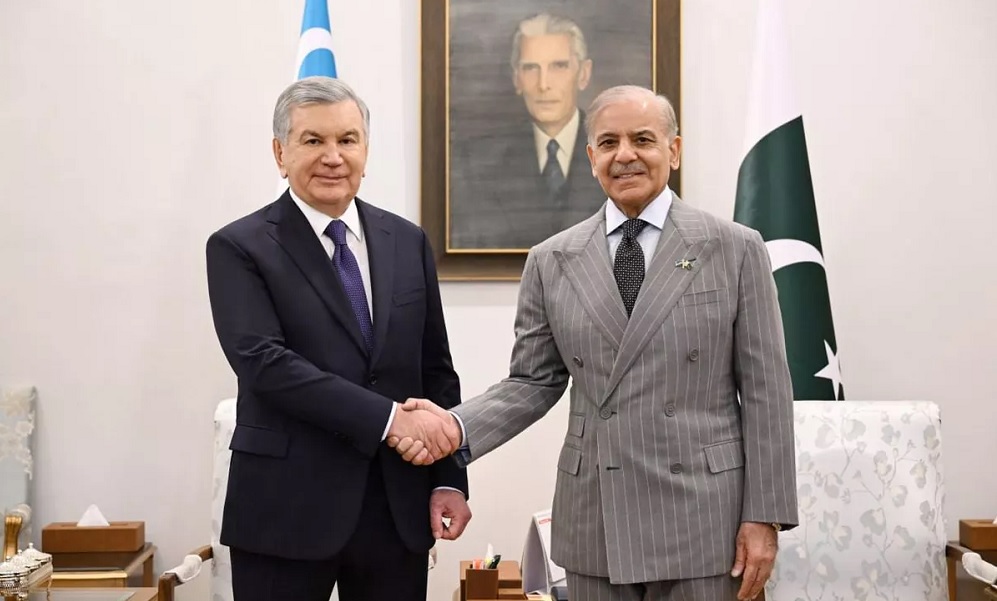
Uzbekistan and Pakistan have jointly urged Afghanistan to take concrete steps against militant groups operating from its territory, emphasizing that regional stability and major connectivity projects depend on improved security conditions in the country.
The call was made in a joint declaration issued at the conclusion of the state visit of the President of Uzbekistan to Pakistan. The two sides stressed that peace and stability in Afghanistan are essential for long-term regional peace, economic growth, and the successful implementation of the Uzbekistan–Afghanistan–Pakistan (UAP) Railway Project.
According to the declaration, the leaders of both countries underlined that several terrorist organizations continue to operate from inside Afghanistan, posing serious threats to regional and global security. They urged Kabul to take “immediate and concrete actions” to dismantle and eliminate all such groups, and to ensure that Afghan territory is not used for attacks against any other state.
The Islamic Emirate has previously denied the presence of militant groups in Afghanistan.




Science & Technology
North Korea shows off AI chatbot at IT exhibition
The chatbot can answer questions on science and technology in Korean or English and provide translations.

North Korea appears to have developed its first artificial intelligence chatbot, according to analysis by 38 North, a think tank that monitors North Korea, of footage broadcast on state television.
The system, called “AI Service System 1.0, Fountain of Wisdom”, was displayed at the National Exhibition of IT Successes in Pyongyang, held from October 19 to 30, according to 38 North. It featured in a report on Ryongnamsan TV on November 17.
It was built by Kim Il Sung University’s Artificial Intelligence Technology Research Institute and Phurunhanul Trading Co, a Pyongyang software developer, 38 North said, Reuters reported.
The chatbot can answer questions on science and technology in Korean or English and provide translations.
An on-screen warning instructs users not to ask socio-political questions, according to 38 North. The footage also appears to show a classifier screening queries before they reach the AI engine.
The hardware running the system was not disclosed. The 38 North report said the model behind the interface was more likely an open-weight system from a US or Chinese laboratory, such as Google’s Gemma or Alibaba’s Qwen, than one developed entirely in North Korea.
The report said the lack of large-scale data centres in North Korea could hamper deployment of the most advanced models.
World
Islam forecast to soon exceed Christianity as world’s biggest faith
The study attributes the shift mostly to higher fertility rates in the Islamic world, averaging 3.1 children for each Muslim woman, compared with 2.5 children per Christian woman during the period 2020-2025.
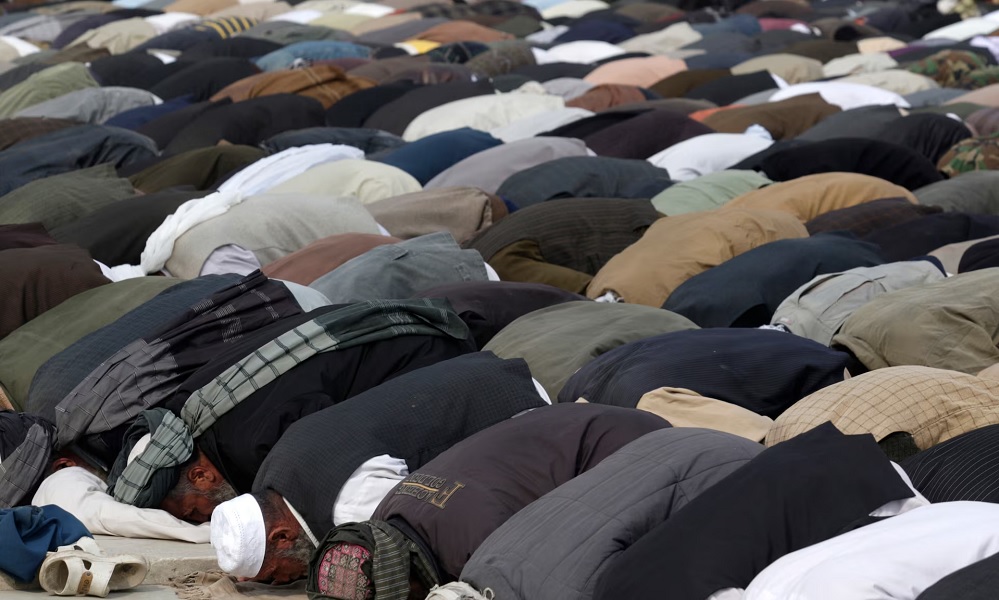
Islam is expected to surpass Christianity as the world’s biggest religion by the middle of the next decade as the birth rate among Muslims outpaces the number of babies born to women of any other faith, the Pew Research Center projected on Wednesday.
While Christianity has ranked as humanity’s largest religion for centuries, the global Muslim population has grown much faster and is forecast to reach 2.57 billion by 2035, compared with a projected tally of 2.52 billion Christians in that year, the Pew study found, Reuters reported.
If recent trends hold, Muslims will outnumber Christians 3.6 billion to 3 billion worldwide by 2070, and Islam will also then account for the largest portion of the global population – 37%, up from 26% in 2020, Pew said. Christianity, meanwhile, is expected to hold steady at around 29%, ranking No. 2 in global proportion.
The study attributes the shift mostly to higher fertility rates in the Islamic world, averaging 3.1 children for each Muslim woman, compared with 2.5 children per Christian woman during the period 2020-2025.
In all other religious categories combined, the birth rate in that period averaged 1.6 children per woman, below the minimum rate of 2.1 considered necessary for a generation to replace itself.
While natural population growth – births exceeding deaths – remains the biggest factor in the changing face of Muslim and Christian demographics, religious switching will also play a role, said Pew, a non-partisan, Washington-based think tank.
SWITCHING FAITHS
Based on past trends, according to Pew, both Islam and Christianity will lose more adherents from switching than they gain, but Muslims are expected to lose far fewer – 8 million between 2020 and 2070, compared with 105 million for Christians.
The world’s overall population is projected to increase 29% between 2020 and 2070, with Islam and Christianity the only two religious groups forecast to keep pace with or exceed that growth rate, expanding by 80% and 30%, respectively.
Hindus are growing in absolute numbers but are expected to shrink slightly as a share of the world’s population (13.6% in 2070), with Jews projected to follow a similar pattern (0.17% in 2070). Buddhists, meanwhile, are forecast to decline in numbers and as a percentage of global population (2.5% in 2070).
SMALLER FAITHS, NON-BELIEVERS
All other faiths combined – including Baha’is, Daoists, Jains, Sikhs and followers of various folk religions – are expected to see a modest rise in numbers, while collectively slipping below 2% of all humanity by 2070, according to Pew.
Moreover, people with no religious affiliation, a category that includes those identifying as atheist or agnostic, are expected to decline sharply as a proportion of the global whole, from 24% in 2020 to 17% in 2070, the study found.
The geographic distribution among religions is also shifting dramatically.
By 2070, for instance, Christianity will rank as the largest religion in the United States but not its majority faith, and the Democratic Republic of Congo will surpass the US as the country with the greatest concentration of Christians.
The numbers of religiously unaffiliated people will grow in most countries in the coming decades, but those increases will be entirely outweighed by the dwindling population forecast for China, where most of the world’s non-believers currently reside.

North Korea shows off AI chatbot at IT exhibition
Islam forecast to soon exceed Christianity as world’s biggest faith
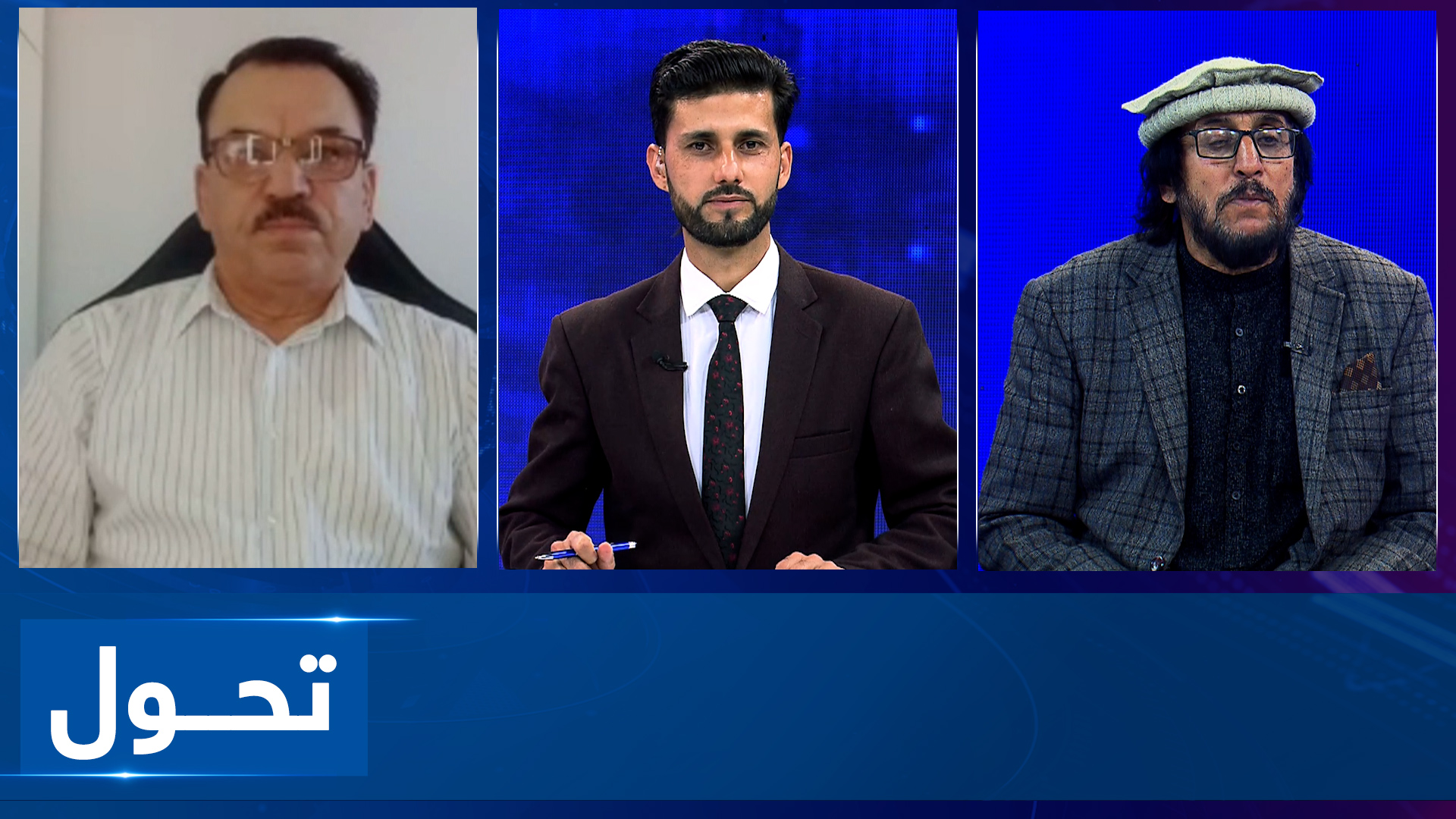
Tahawol: Qatar-UK consultations on Afghanistan discussed
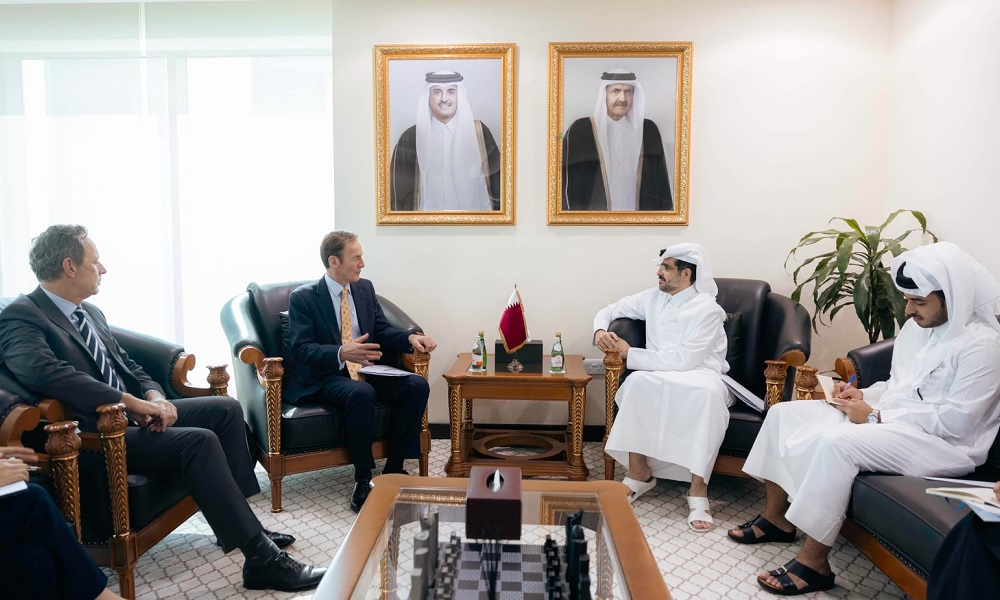
Qatar, UK envoys discuss latest developments in Afghanistan
Saar: Efforts to deliver urgent humanitarian aid to needy Afghans

Governments take websites offline as critical cyber flaws trigger global alert

Afghanistan’s new Wakhan road to China faces major hurdles
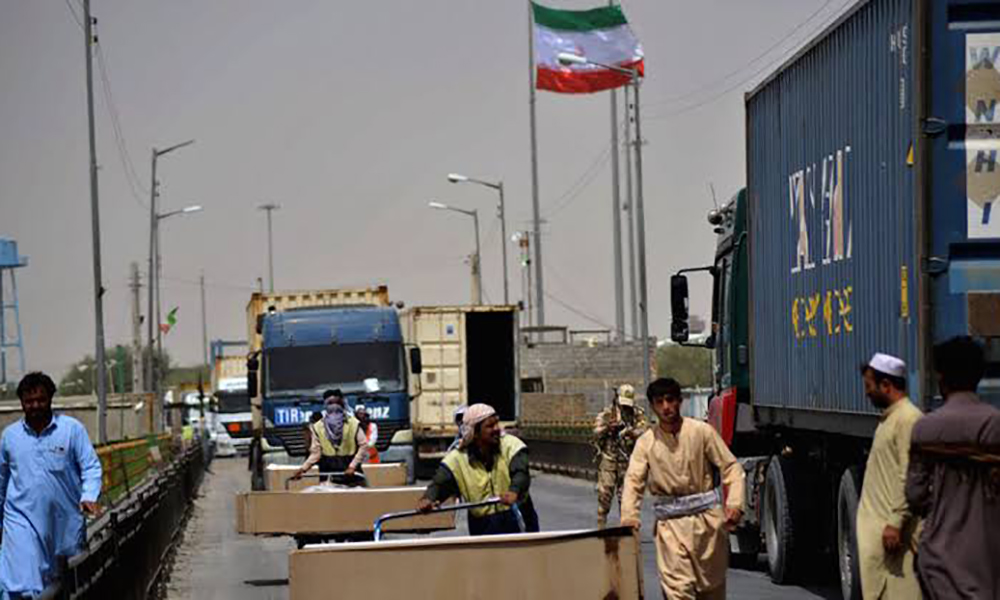
US sanctions and blockade measures disrupt Iran’s trade with Afghanistan and regional neighbors

Pakistan exporters suffer billions in losses as Afghanistan trade halt continues
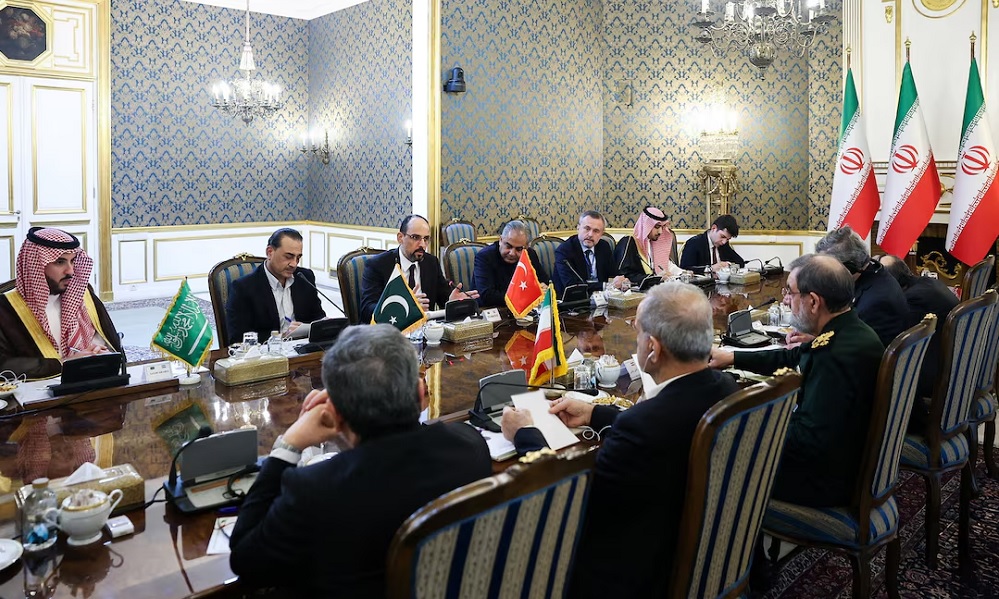
Saudi defence pact countries push for peace in Tehran as Houthis launch more attacks
Tahawol: Qatar-UK consultations on Afghanistan discussed
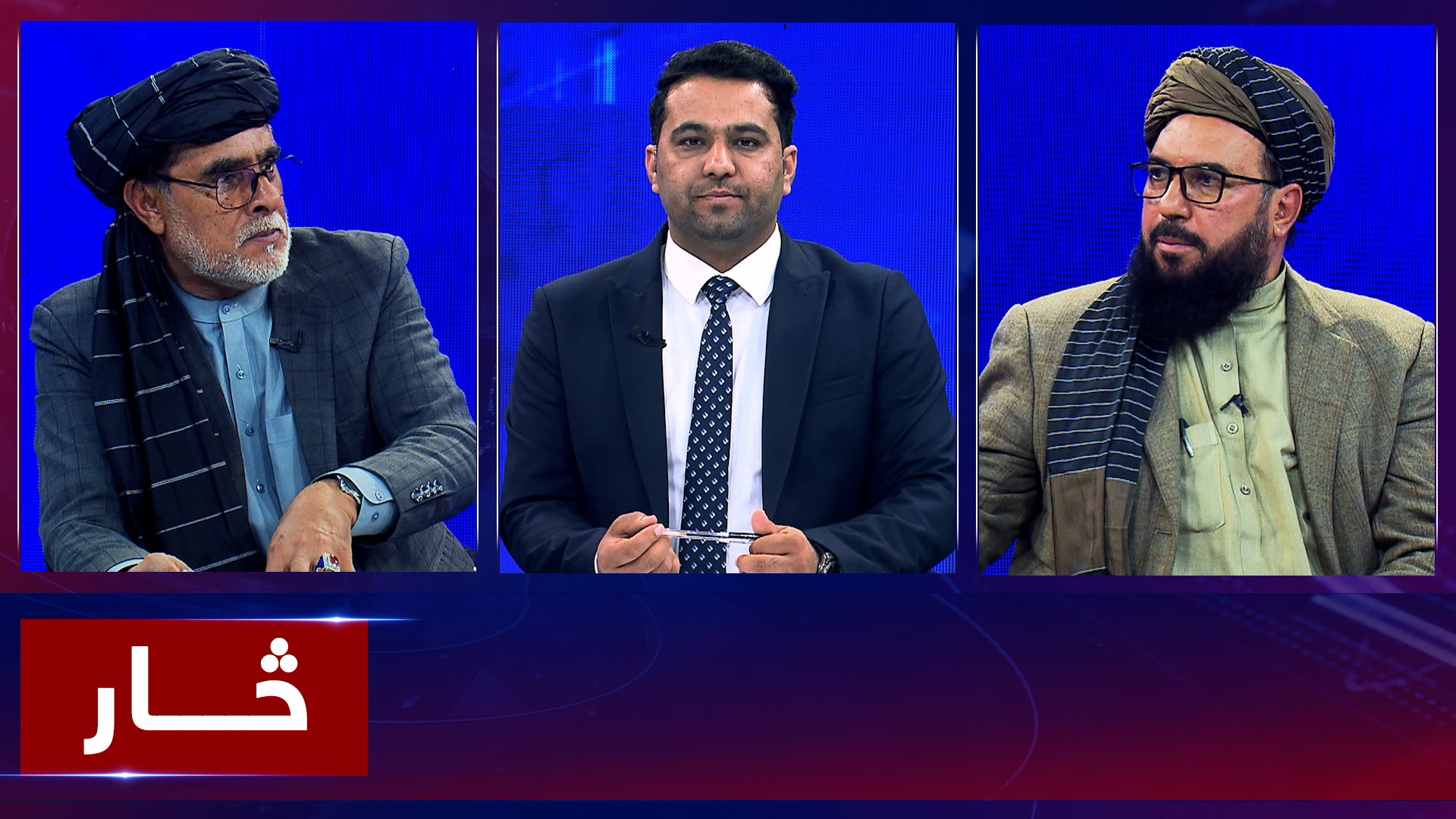
Saar: Efforts to deliver urgent humanitarian aid to needy Afghans
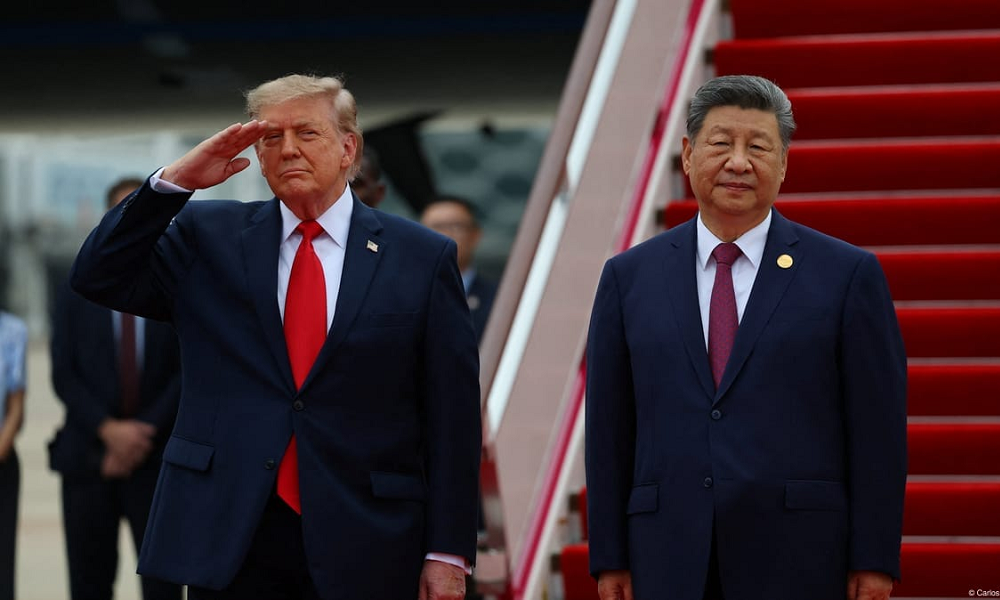
Xi welcomes Trump to China ahead of highly anticipated summit with Putin
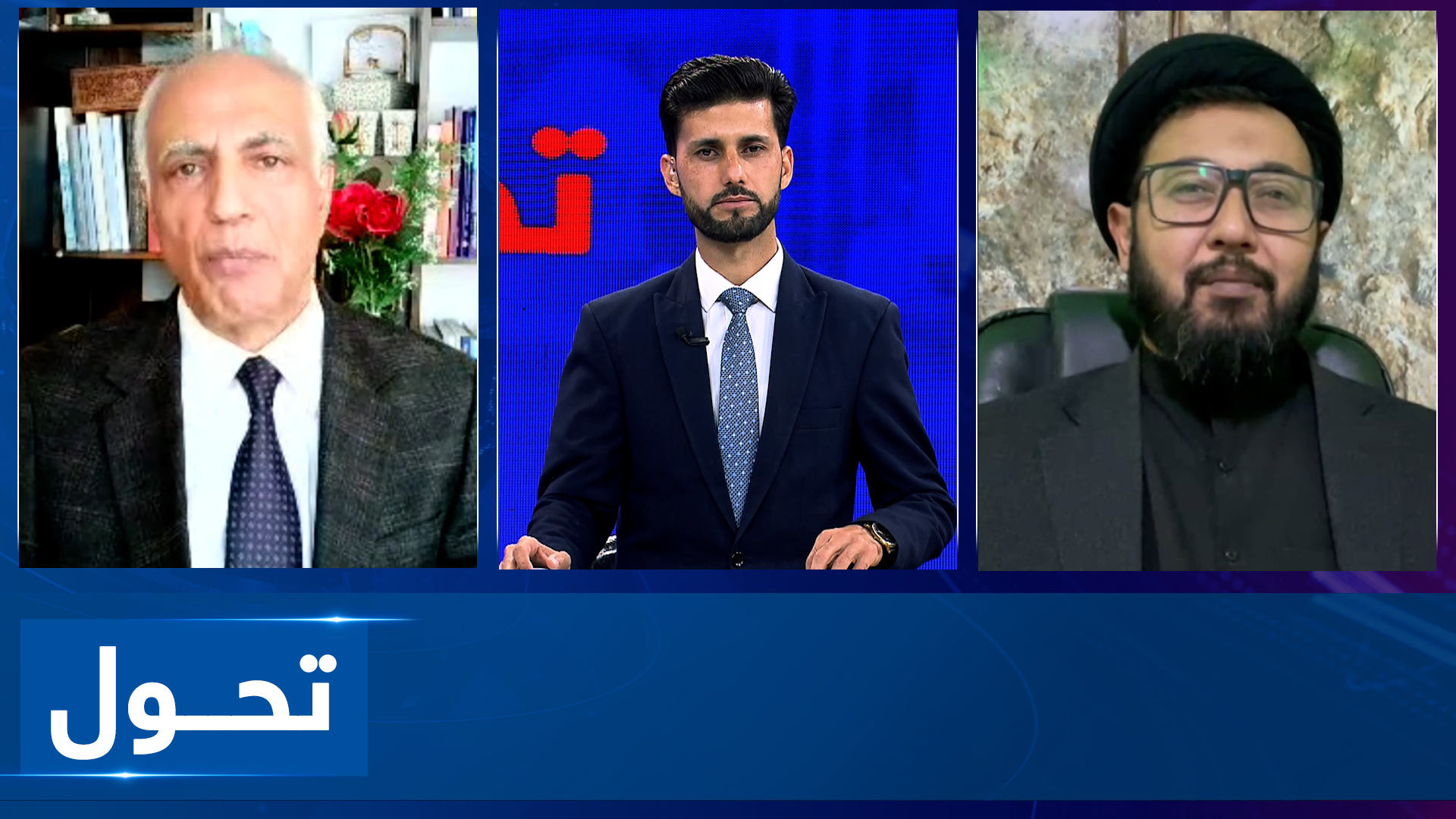
Tahawol: 80th anniversary of Afghanistan’s UN membership discussed
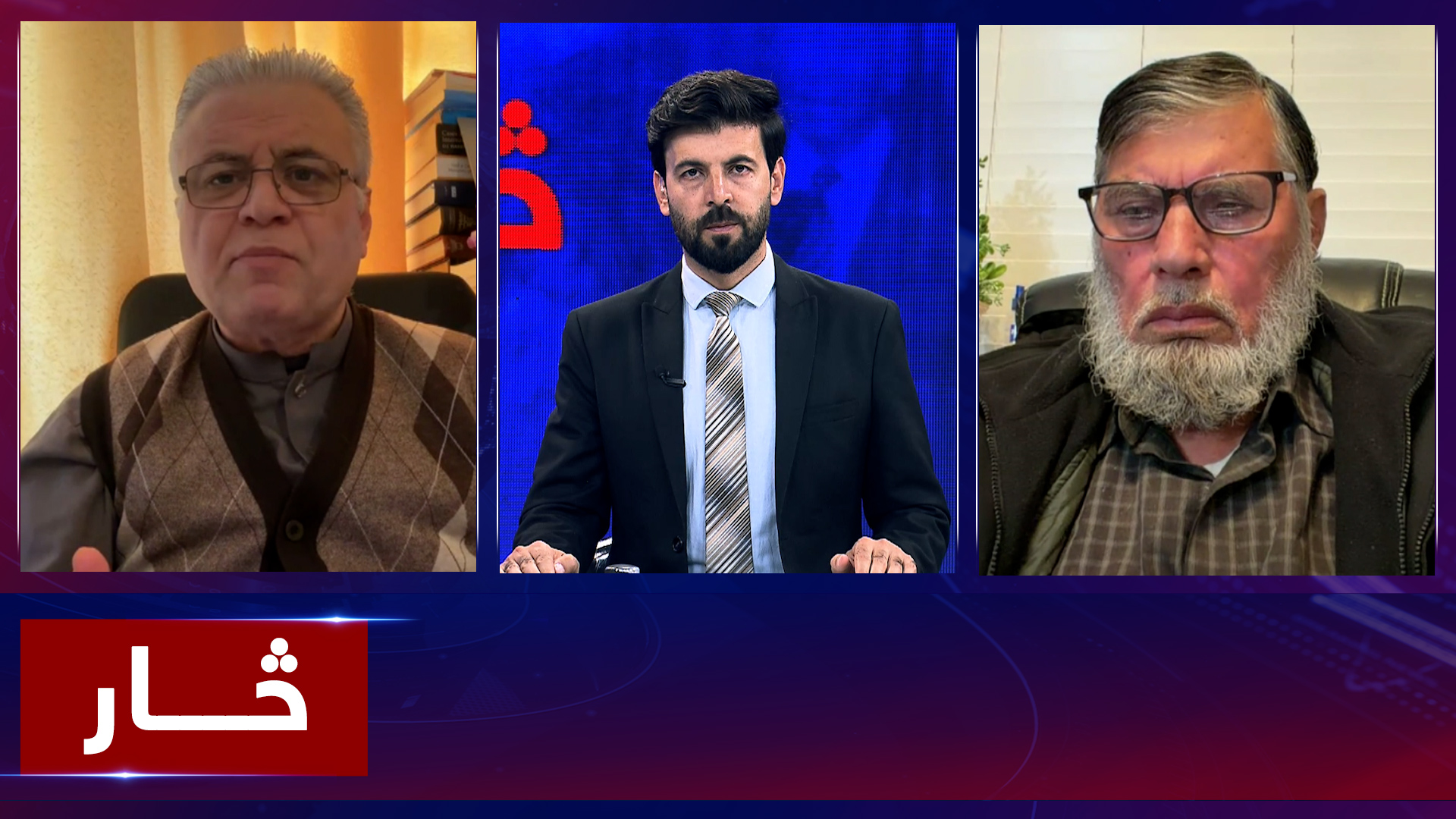
Saar: Europe’s shift toward engagement with the IEA discussed
-
 Sport4 days ago
ILT20 teams required to field at least two UAE and Afghanistan players in Season 5
-
 Sport4 days ago
Arman FC cruise to 5-0 victory over Istiqlal Kabul in ACL match
-
 World5 days ago
US to resume flights after air traffic network failure sparks chaos
-
 Sport5 days ago
Afghanistan trail Zimbabwe by 180 runs at stumps on day two of second Test
-
 Latest News5 days ago
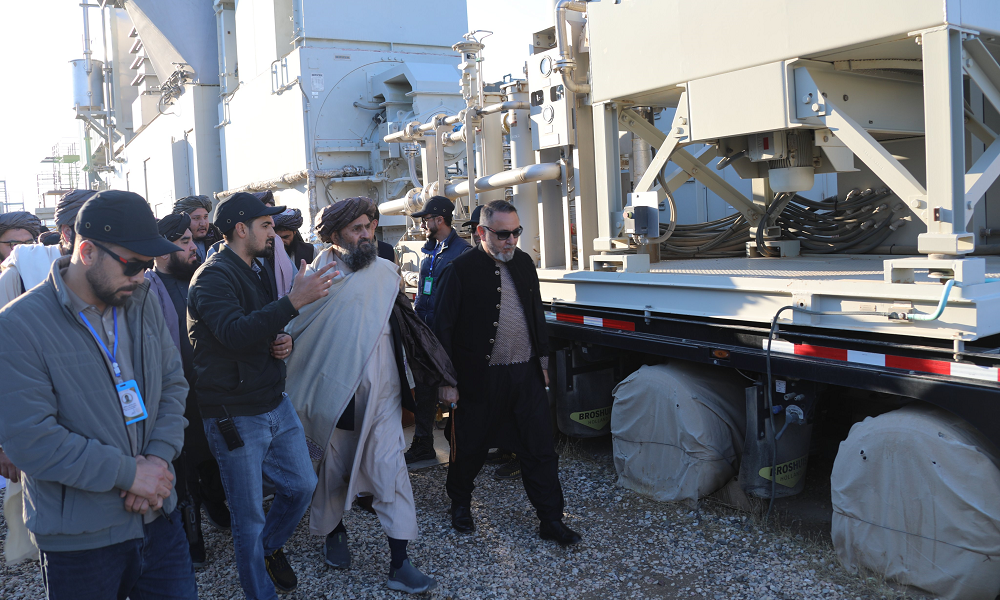
Bayat Power’s 40-megawatt gas-fired turbine resumes operations in Jawzjan
-
 World4 days ago
US floated idea of Ukraine ceding Donbas for NATO membership, Zelenskiy says
-
 Latest News4 days ago
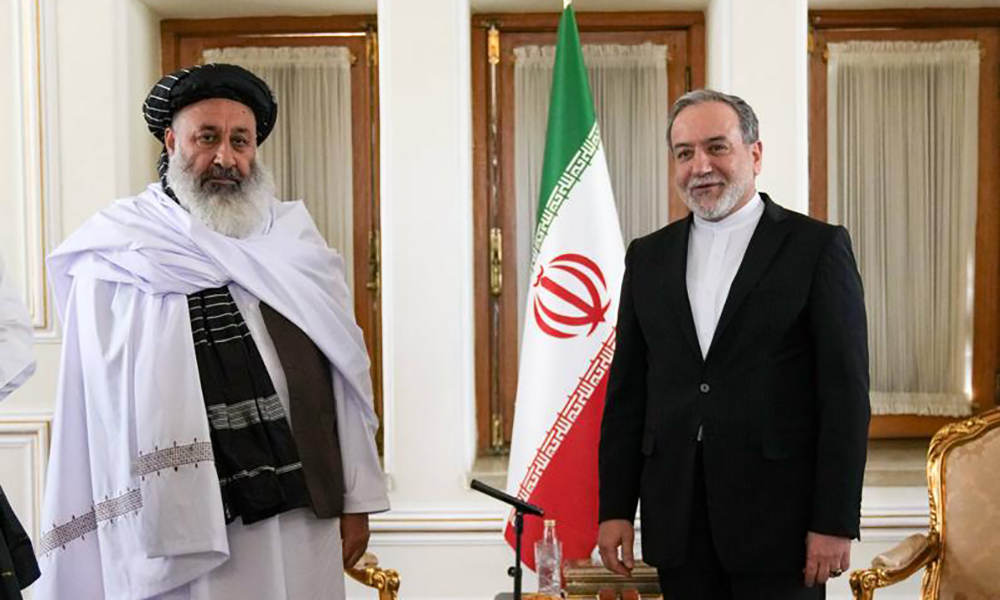
Afghanistan and Iran agree to expand trade cooperation and upgrade border infrastructure
-
 Sport3 days ago
25 Afghan cricketers secure contracts for ILT20 Season 5