
Latest News
U.S. pledges $2 billion for UN aid, ties funding to reforms
The U.S. conditions also bar spending on climate change-related projects, which Lewin said are not life-saving and do not align with U.S. priorities.

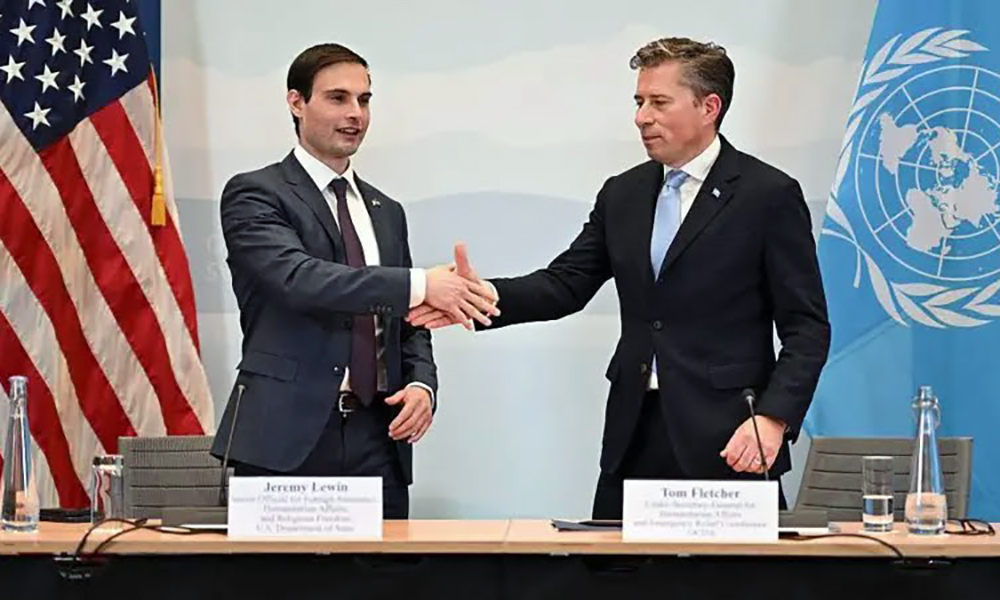
The United States announced a $2 billion pledge for United Nations humanitarian programs on Tuesday, warning that the organization must reform its operations or risk losing future support.
The announcement was made in Geneva by Jeremy Lewin, U.S. under secretary for foreign assistance under President Donald Trump, alongside UN Emergency Relief Coordinator Tom Fletcher. The funding comes as Washington scales back overall humanitarian spending, with additional cuts expected from other major donors, including the United Kingdom and Germany.
Fletcher said the funds would help save “millions of lives,” but the pledge marks a sharp decline from previous U.S. contributions. In 2022, the United States provided an estimated $17 billion to UN humanitarian operations.
U.S. officials said the new funding will be conditional and limited to 17 countries, including Haiti, Syria and Sudan. Afghanistan and Yemen are excluded. Lewin said Washington has evidence that UN funds in Afghanistan were diverted to the Islamic Emirate, adding that the administration would not allow U.S. taxpayer money to reach terrorist groups.
Aid organizations warned the restrictions could worsen an already severe global humanitarian funding crisis. Shortfalls have led to the closure of maternal and child health clinics in Afghanistan and cuts to food assistance for displaced people in Sudan. The UN has warned that global child mortality rates are expected to rise after years of decline.
The U.S. conditions also bar spending on climate change-related projects, which Lewin said are not life-saving and do not align with U.S. priorities.
Lewin said the UN must “adapt or die,” arguing that U.S. funding will no longer support inefficient or outdated systems. While UN officials say they support greater efficiency and accountability, they caution that the new conditions could undermine the neutrality of humanitarian aid by excluding entire crises.
Despite the concerns, UN officials said the $2 billion pledge offers limited relief as the organization faces a deepening global funding shortfall.




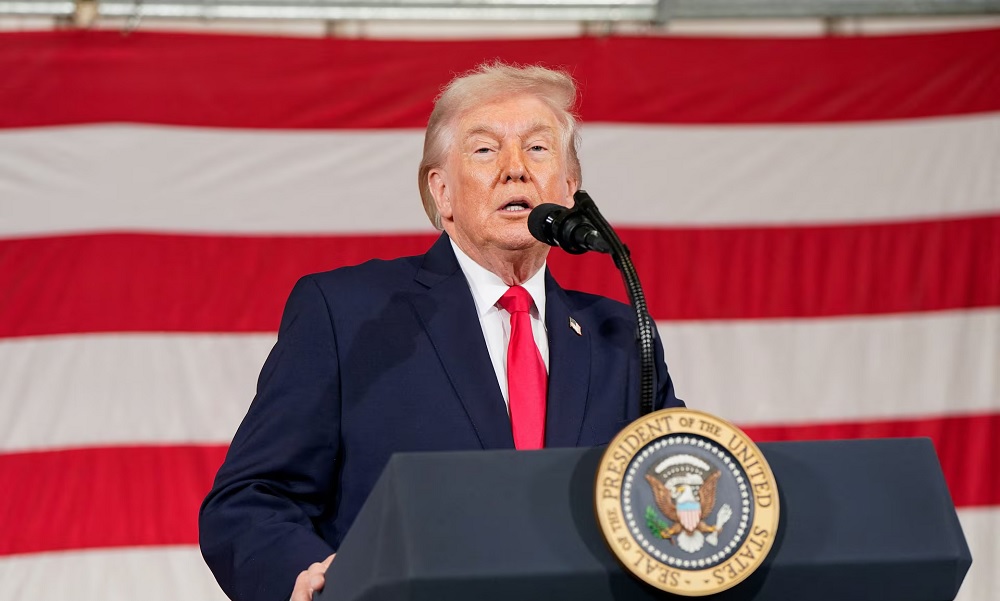
U.S. President Donald Trump on Friday sharply criticized the military withdrawal from Afghanistan carried out under the Joe Biden administration, saying it “looked like running.”
Speaking to active-duty soldiers at Fort Bragg Army Base in North Carolina, Trump said the withdrawal left behind U.S. military equipment and tarnished America’s image.
“We wouldn’t have left anything. We would have left with dignity, strength and respect. We looked like we were running. We don’t run from anybody,” Trump said. “That was a Biden embarrassment. What a terrible president.”
Trump’s remarks reiterate his ongoing criticism of the Biden administration’s handling of Afghanistan, particularly the chaotic final days of the U.S. military presence.
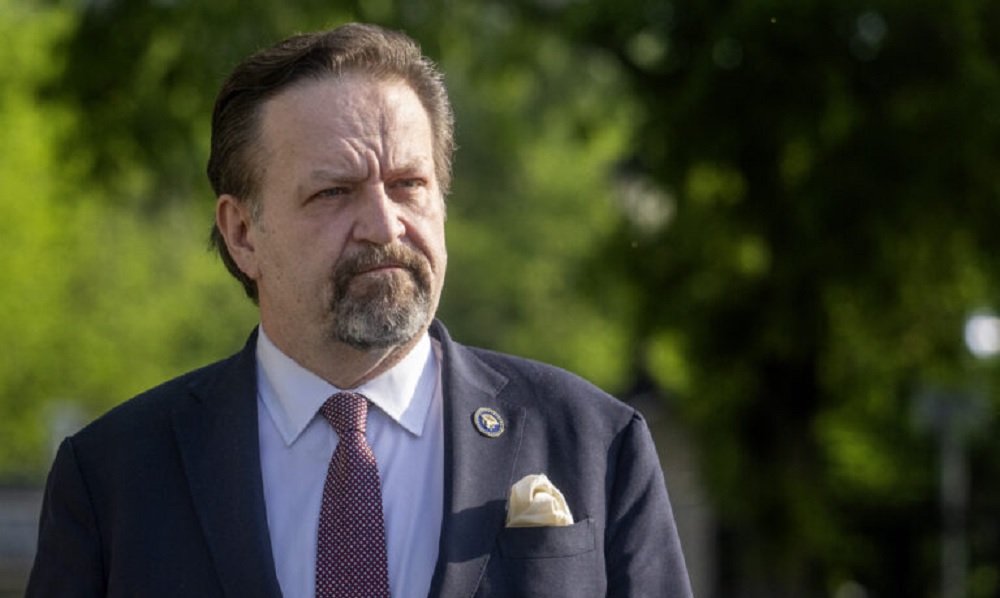
Sebastian Gorka, Deputy Assistant to U.S. President Donald Trump, reaffirmed on X that the Trump administration is actively pressing the Islamic Emirate of Afghanistan (IEA) to release American detainees.
“President Trump has made it clear that the Taliban (IEA) must cease their hostage-taking, or there will be consequences,” Gorka said. “We will not rest until Dennis Coyle and Mahmood Habibi come home.”
The IEA has denied detaining Habibi, who formerly served as head of Afghanistan’s civil aviation authority.
Over the past year, five American detainees have been released from Afghanistan. According to the New York Times, the IEA has demanded the release of the last Afghan prisoner held at Guantanamo Bay in exchange for freeing two American detainees in Afghanistan.
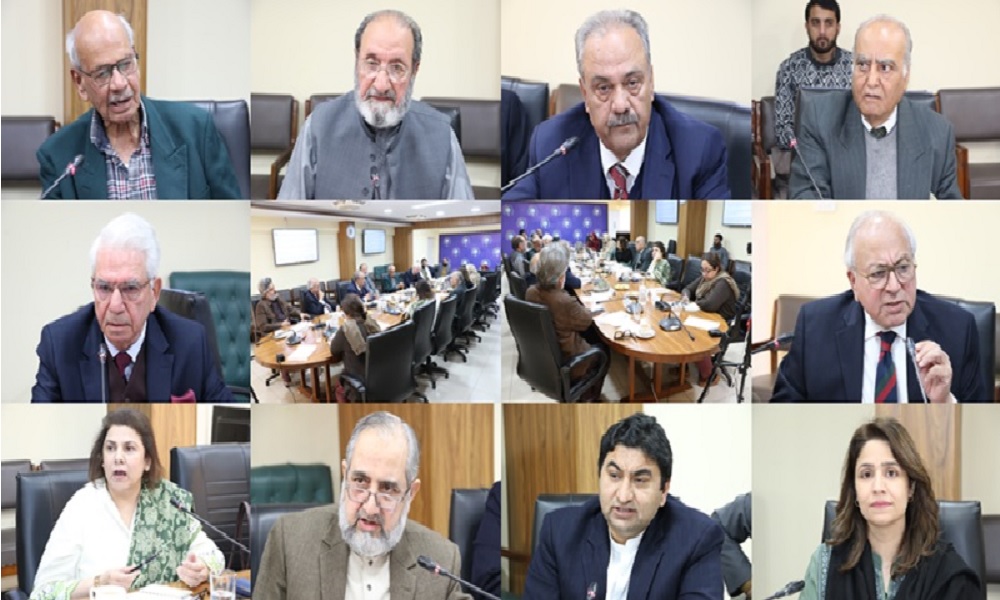
Former Pakistani diplomats, speaking at a roundtable discussion in Islamabad, underscored the importance of sustained dialogue with Afghanistan to address bilateral differences.
The discussion, organized on Friday by the Institute of Strategic Studies Islamabad, highlighted that the current situation in Afghanistan has direct consequences for regional security and stability. Participants stressed that constructive engagement and regular communication are the only viable pathways to resolving existing challenges.
The former diplomats pointed out that relations between Afghanistan and Pakistan are deeply interconnected, and any strain between the two sides inevitably impacts the wider region.
They further emphasized that building trust, enhancing practical cooperation, and fostering mutual understanding are essential prerequisites for achieving lasting regional stability.


Trump: U.S. withdrawal from Afghanistan ‘looked like running’

Trump aide: Efforts continue to free Americans detained in Afghanistan

US military preparing for potentially weeks-long Iran operations – Reuters

Former Pakistani diplomats urge dialogue with Afghanistan

Dubai’s DP World boss removed from post after pressure over Epstein

Pakistan army orders evacuation of Tirah Valley, fears of mass displacement grow

Afghan traders sign deal to import pharmaceuticals from Bangladesh

AFC Futsal Asian Cup 2026: Day One Review

Afghan envoy in UAE holds talks with Etihad Airways on launch of direct flights

Over 5.2 million Afghans return from Iran, Pakistan in 2025; IFRC warns of growing crisis

Exclusive interview with Naeemul Haq Haqqani, head of the government media center

Tawsia: IEA’s residency plan for foreign investors discussed

Tahawol: U.S. review of Afghanistan policy discussed

Saar: Discussion on close ties between Daesh and Pakistan

Tahawol: IEA’s rejection of global corruption index report discussed
-

 International Sports4 days ago
IPL 2026: Franchise sales gather pace as global investors circle teams
-
 Latest News5 days ago
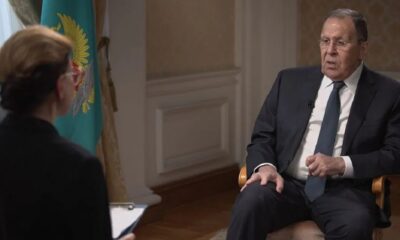
Terrorist activities observed along Afghanistan borders, says Lavrov
-
 Sport2 days ago
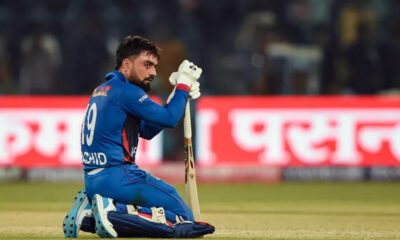
Afghanistan’s semi-final hopes hang in the balance after two T20 World Cup defeats
-
 Business4 days ago
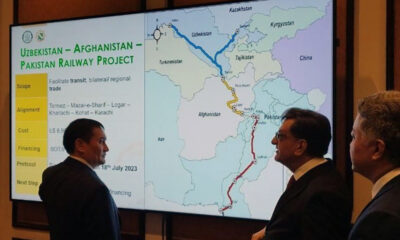
Uzbekistan approves feasibility study agreement for Trans-Afghan Railway
-
 Business3 days ago
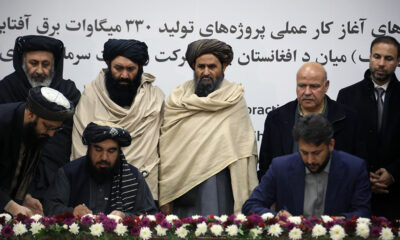
Afghanistan signs 845MW Power deal with Azizi energy; Baradar meets company Chief to advance investment plans
-

 International Sports3 days ago
AFC Champions League Elite delivers key results as race for knockout stage intensifies
-

 International Sports4 days ago
Winter Olympics: Milan action continues with packed schedule on Tuesday
-
 Latest News4 days ago
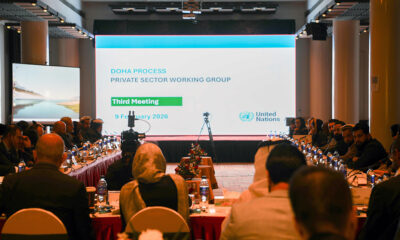
Doha process private sector meeting highlights growth and coordination in Afghanistan