
Latest News
UN explains its cash shipment process

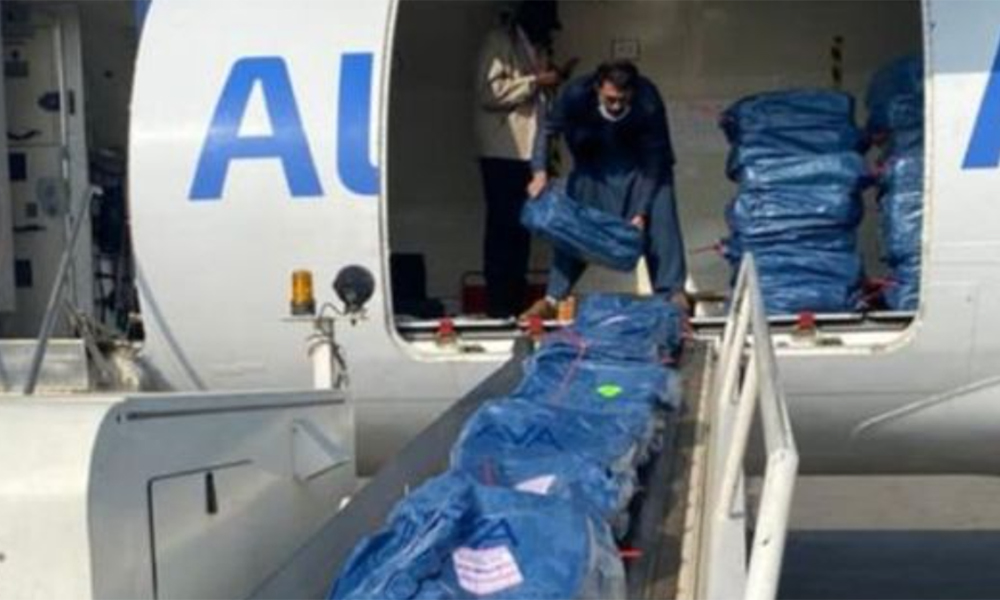
The United Nations Assistance Mission in Afghanistan (UNAMA) on Monday issued an information sheet clarifying its cash shipments to Afghanistan and said this mechanism has been essential in providing life saving humanitarian assistance.
According to the document, the United Nations says it transports cash into Afghanistan for use by UN agencies. The UN reportedly uses the funds to conduct its work in Afghanistan, primarily in providing critical humanitarian assistance to millions of Afghans requiring support.
A central reason the UN brings cash into Afghanistan is due to the disruption to international banking transfers and liquidity issues since August 2021, the organization stated adding that all cash brought into Afghanistan is reportedly placed in designated UN accounts in a private bank for use by the United Nations.
The funds are then distributed directly to the United Nations entities, as well as to a small number of approved and vetted humanitarian partners in Afghanistan, read the document.
“None of the cash brought in to Afghanistan is deposited in the Central Bank of Afghanistan nor provided to the Taliban (IEA) de facto authorities by the UN,” the document read.
The UN said the cash transfer mechanism has proved to be essential in the provision of life-saving assistance to more than 25 million Afghans by the UN in Afghanistan, including UNICEF, UNHCR, WFP, UN Women, OCHA, UN Habitat, WHO, FAO, IOM and others, who manage expenditures in line with their own operational processes and priorities.
The cash brought into Afghanistan for use by the UN and approved partners is carefully monitored, audited, inspected and vetted in strict accordance with the UN financial rules and processes.
Since this transfer mechanism commenced in December 2021, the UN has brought in to Afghanistan approximately US$1.8 billion in funds for the United Nations and partners to conduct their work, the UN stated, adding that the organization does not comment on the methods, timings, dates and amounts of individual cash shipments.
The need for further cash shipments for the United Nations in Afghanistan is reportedly dependent on multiple factors including, but not limited to, whether the banking sector is sufficiently robust to enable bank transfers and upon the financial requirements of UN entities to conduct their work.
The amount of cash brought in to Afghanistan is proportional to the UN’s program of humanitarian assistance in Afghanistan, the UN stated and noted that if the volume of assistance that the UN is able to provide diminishes the amount of cash shipped will be reduced.
The current process of bringing in cash for the United Nations remains the most feasible means of ensuring donor funds can quickly reach the millions of Afghan men, women and children who are in urgent need of aid, the document stated.





Latest News
Three Afghan migrants freeze to death near Iran border
Amnesty International this week urged countries to halt forced returns to Afghanistan, citing a “real risk of serious harm” to those sent back.
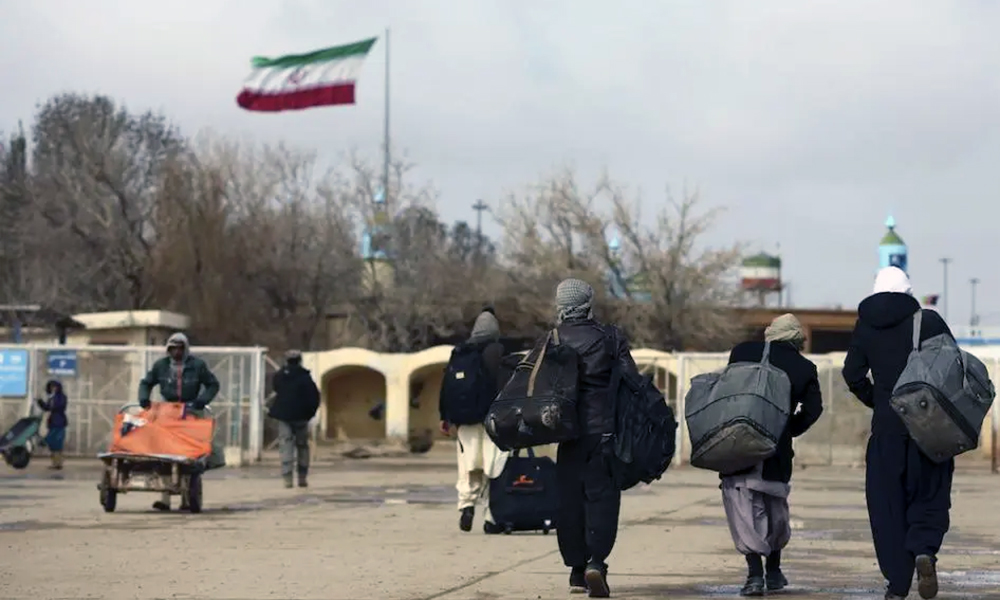
Three Afghan migrants have died from exposure while attempting to cross illegally into Iran amid freezing temperatures in Afghanistan’s western province of Herat, an Afghan army official said on Saturday.
The victims were part of a group that tried to cross the Iran–Afghanistan border earlier this week but was stopped by Afghan border forces. “Three people who wanted to illegally cross the border died due to the severe cold,” the official told AFP, speaking on condition of anonymity.
He added that the body of a shepherd was also discovered in the mountainous Kohsan district, apparently after succumbing to the extreme weather. Search operations were carried out on Wednesday night, but the bodies were recovered the following day.
The incident comes as Afghanistan faces a sharp rise in returnees from neighboring countries. According to the UN refugee agency (UNHCR), more than 1.8 million Afghans were forced to return from Iran between January and the end of November 2025, with most cases described as “forced and coerced returns.”
UNHCR has warned that the large-scale returns, often carried out under harsh conditions, are placing enormous strain on Afghanistan’s already fragile services and resources, increasing the risk of renewed displacement, including further migration back to Iran and Pakistan.
Amnesty International this week urged countries to halt forced returns to Afghanistan, citing a “real risk of serious harm” to those sent back.
Afghanistan is grappling with overlapping crises, including the aftermath of two major earthquakes in recent months, heightened vulnerability to climate change, and ongoing international sanctions.
The United Nations has condemned restrictions on women and girls—excluding them from many jobs and public spaces—as “gender apartheid.”
Meanwhile, the UN World Food Programme says more than 17 million people across the country are currently facing acute food insecurity.
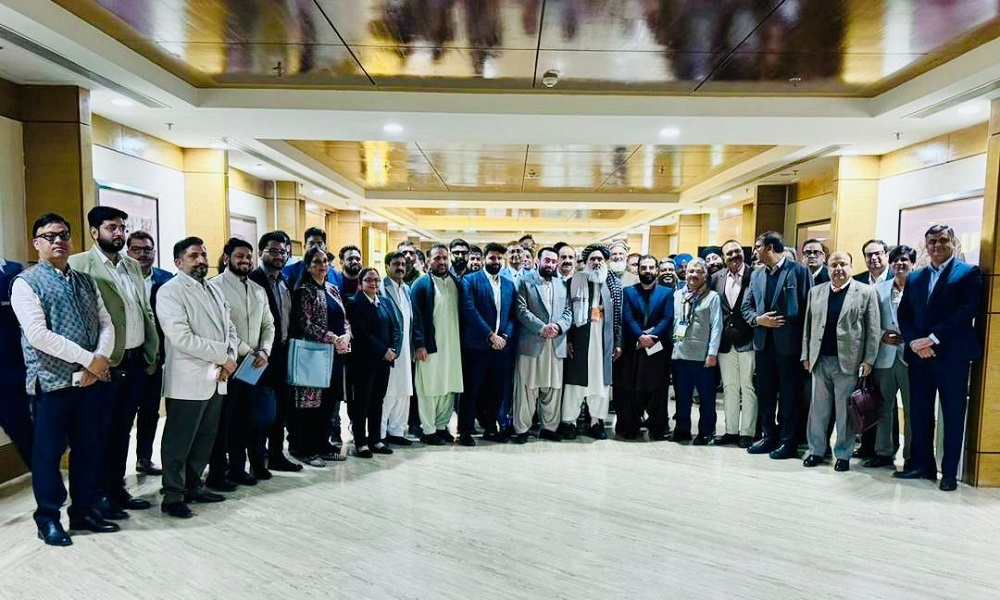
Afghanistan’s Health Minister, Noor Jalal Jalali, held a meeting on Saturday with officials from Pharmaceuticals Export Promotion Council (PharmEXCIL) to discuss expanding cooperation and bilateral relations in the fields of medicines, medical products, and health equipment between Kabul and New Delhi.
In a statement issued by the Afghan Health Ministry, both sides also emphasized strengthening the pharmaceutical industry’s capacity and the importance of providing affordable, high-quality medicines to the public.
The talks also focused on boosting cooperation in medicines, medical products, and healthcare equipment, highlighting affordable and quality drug access.
Jalali called PharmEXCIL’s support crucial for strengthening Afghanistan’s healthcare system and delivering standardized services.
He added the partnership is strategically important for drug safety, quality assurance, and sustainable health services.
PharmEXCIL outlined its work in pharmaceuticals, vaccines, biologics, medical devices, diagnostics equipment, herbal medicines, contract manufacturing, and R&D.
The council, under India’s Ministry of Commerce, oversees the promotion, regulation, and export of Indian medicines and health products.
PharmEXCIL also donated around 100,000 patches to Afghanistan to support treatment of seasonal illnesses.
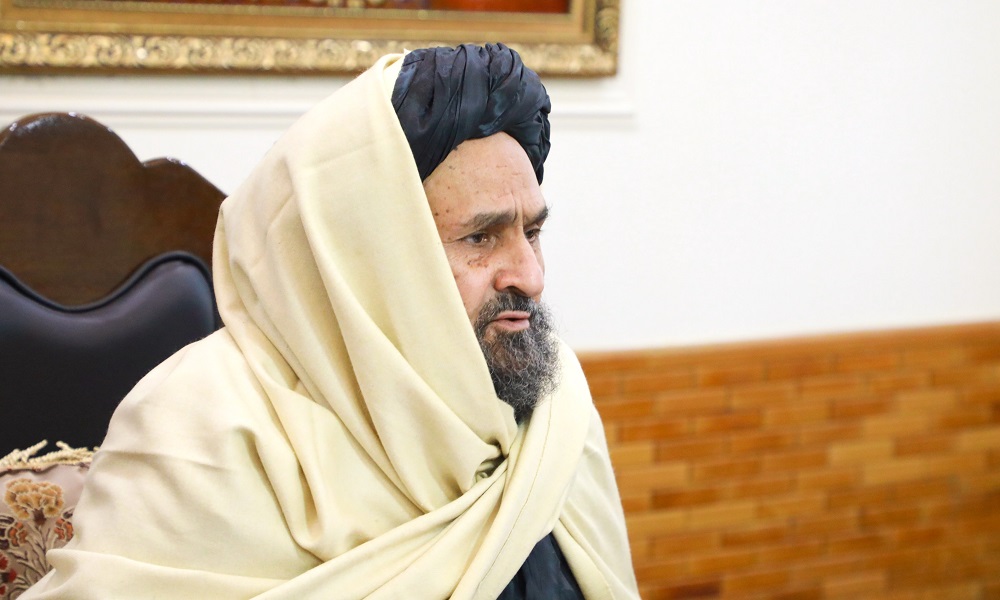
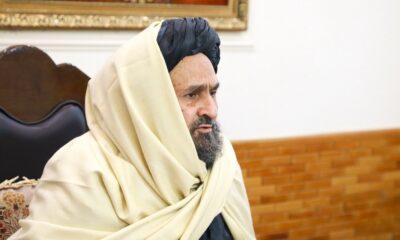
Mullah Abdul Ghani Baradar, the Deputy Prime Minister for Economic Affairs, has urged the countries in the region and around the world to soften and expand their economic relations with the Islamic Emirate instead of imposing sanctions and undue pressure.
In a statement issued by the deputy PMs office, Baradar made these remarks on Saturday during a speech at the inauguration ceremony of a commercial market in Balkh province.
Baradar added that a prosperous and strong Afghanistan is not to the detriment of other countries in the region; rather, it contributes to the welfare and strengthening of other nations.
He said: “The Islamic Emirate believes in comprehensive economic and political authenticity in the field of regional and international cooperation, provided that there is mutual respect for major values and fundamental principles.”
He stated that IEA’s engagement with the private sector in large-scale and long-term projects—based on public-private partnerships or other types of contracts—conveys a clear message that the environment for domestic and foreign investment in Afghanistan is favorable, and that anyone can take advantage of this opportunity.


Three Afghan migrants freeze to death near Iran border

Tahawol: Iran’s pledges to facilitate trade with Afghanistan discussed

Saar: Discussion on severe tensions between Kabul and Islamabad

Afghan health minister calls for medical cooperation between Kabul and New Delhi

Deputy PM Baradar urges world to expand economic ties with IEA instead of sanctions

Afghanistan U19 cricket team defeats India A U19

Afghanistan economy under pressure as Pakistan shocks reshape trade flows

Gaza death toll tops 70,000, health ministry says

India set to establish pharmaceutical factories in Afghanistan: MoIC

Afghanistan offers tax breaks, free land to attract Indian investors
Tahawol: Iran’s pledges to facilitate trade with Afghanistan discussed
Saar: Discussion on severe tensions between Kabul and Islamabad

Tawsia: India’s enthusiasm for investing in Afghanistan discussed

Tahawol: Global concerns over migration escalation discussed

Saar: Calls for Afghanistan’s balanced, economy-oriented foreign policy discussed
-
 Latest News5 days ago
IEA supreme leader stresses enforcement of Sharia law and sincere public service
-

 International Sports4 days ago
IPL 2026: Teams take shape after auction as franchises balance star power and depth
-

 Sport5 days ago
ILT20: Sharjah Warriorz secure 11-run victory over Gulf Giants
-

 Sport5 days ago
Abu Muslim Farah crowned champions of fifth season of Afghanistan Champions League
-

 International Sports4 days ago
ILT20: Abu Dhabi Knight Riders end Desert Vipers’ unbeaten run in dramatic one-run win
-
 Latest News5 days ago
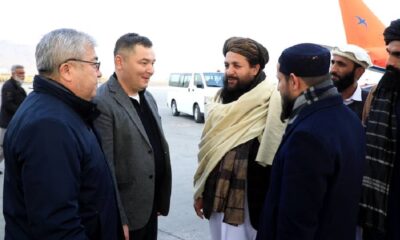
High-level Kyrgyz delegation arrives in Kabul
-
 Latest News2 days ago
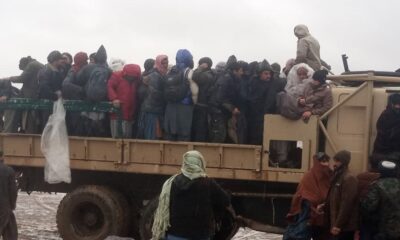
Afghan border forces prevent illegal entry of hundreds into Iran
-

 Latest News5 days ago
Russia calls for broad engagement with Afghan authorities