
Latest News
UN rights experts call on Pakistan to stop removal process of Afghan refugees
The experts urged Islamabad to immediately stop mass internal relocations, deportations, arrests, evictions, intimidation and other pressures on Afghans

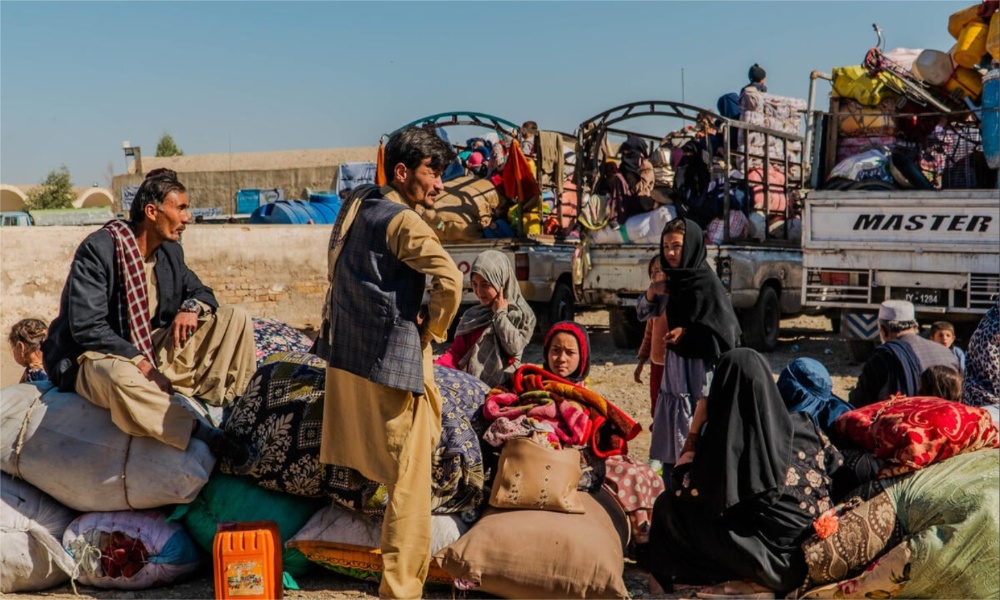
UN human rights experts have called on the Pakistan government to stop their plans to forcibly remove Afghans from the cities of Islamabad and Rawalpindi, nor to deport them to Afghanistan.
According to a statement issued on Friday, the UN experts (as listed below) called on Pakistan to continue its important role as a neighboring country with a long history of hosting Afghan refugees.
The deadline for their voluntary departure was set for 31 March, but Islamabad moved the deadline by a few days to take Eid-ul-Fitr into account.
“Millions of Afghans in Pakistan are at risk of being pushed back to Afghanistan without regard for their genuine protection concerns – including gender-based violence and the systematic dismantling of the rights of women and girls – in violation of international human rights law and refugee law, and disregarding UNHCR’s non-return advisory,” the experts said.
“We urge Pakistan to immediately stop mass internal relocations, deportations, arrests, evictions, intimidation and other pressures on Afghans to cross the border into Afghanistan, and to uphold the absolute and non-derogable principle of non-refoulement,” they said.
The experts expressed particular concern about the gendered and intersectional impact.
The UN experts have repeatedly spoken out against Pakistan’s Illegal Foreigners’ Repatriation Plan of September 2023, which has already pressured hundreds of thousands of Afghans to uproot their lives and return to Afghanistan.
Ahead of the 31 March deadline, the UN documented a worrying increase in arrests of Afghans. Many desperate Afghans have contacted the experts, fearing persecution by the Taliban in Afghanistan if they are forced to return.
“The most vulnerable are Afghan women, girls, LGBTI persons, ethnic and religious minorities, former government officials and security personnel, human rights defenders, and media workers,” the experts said.
“Children, especially unaccompanied, are at heightened risk of trafficking, child marriage and abuse, while persons with disabilities and older persons are also particularly vulnerable. They should all be individually assessed.”
The experts expressed concern about returns of Afghans to Afghanistan from other countries, potentially contravening international human rights and refugee law.
The experts also acknowledged security risks, including terrorist attacks in Afghanistan, as well as Pakistan.
The experts noted that many Afghans who had left for Pakistan, having been given reasonable expectations of being resettled in a third country, had their dreams of a secure future shattered by the sudden halt of resettlement programmes.
They stressed that funding cuts will reduce the ability of the de facto authorities in Afghanistan, together with humanitarian agencies, to support a large influx of people from neighboring countries.
“Abrupt and drastic funding cuts by donors are already having a severe impact on much-needed humanitarian assistance to Afghans,” the experts said.
“Given the deteriorating human rights situation in Afghanistan, durable solutions are needed for Afghans outside the country, with strong support from the broader international community.”
The experts are as follows:
Richard Bennett, Special Rapporteur on the human rights situation in Afghanistan; Siobhán Mullally, Special Rapporteur on trafficking in persons, especially women and children; Laura Nyirinkindi (Chair), Claudia Flores (Vice-Chair), Dorothy Estrada Tanck, Ivana Krstić, and Haina Lu, Working group on discrimination against women and girls; Ben Saul, Special Rapporteur on the promotion and protection of human rights and fundamental freedoms while countering terrorism; Reem Alsalem, Special Rapporteur on violence against women and girls, its causes and consequences; and Balakrishnan Rajagopal, Special Rapporteur on the right to adequate housing.






The Ministry of Foreign Affairs of the Islamic Emirate of Afghanistan announced on Tuesday the release of American citizen Dennis Coyle from prison.
According to the ministry, Coyle’s mother had written to the leader of the Islamic Emirate demanding amnesty and the release of her son on the occasion of Eid. The Supreme Court considered time served sufficient and decided to release him.
The Ministry of Foreign Affairs stated that this action was carried out on the basis of humanitarianism and good faith, and it believes that such measures can strengthen trust between countries. The ministry also expressed hope that both countries, in the future, can find solutions to remaining issues through mutual understanding and constructive dialogue.
The Islamic Emirate also expressed appreciation for the cooperation of the United Arab Emirates in this matter.
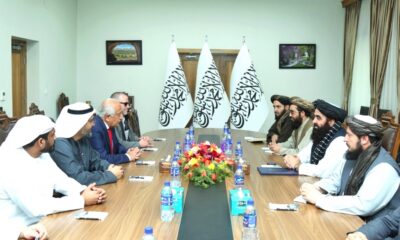
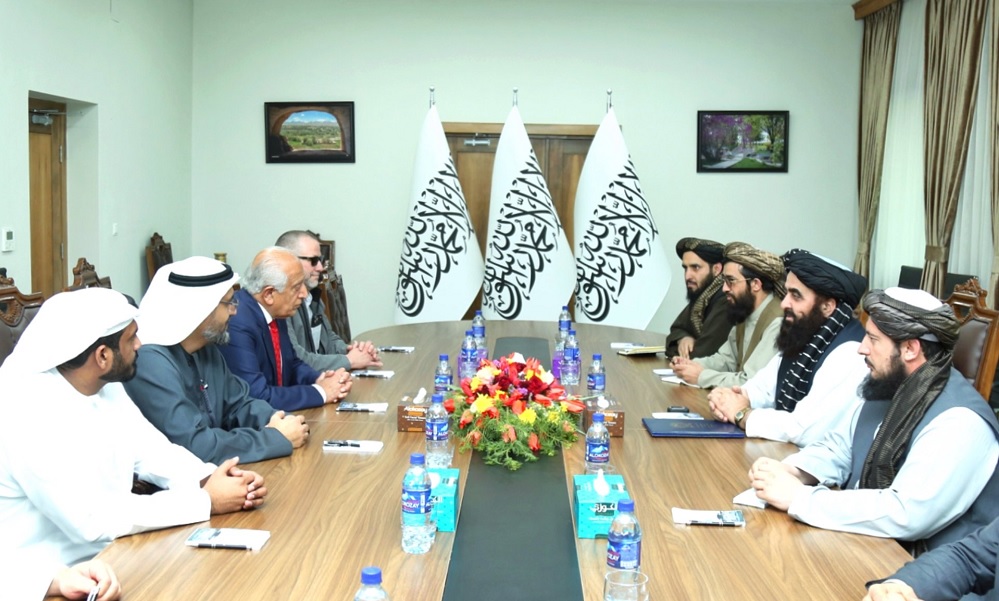
Separately, for Coyle’s release, an American delegation, including Zalmay Khalilzad, former U.S. Special Representative for Afghanistan, met on Tuesday with Amir Khan Muttaqi, the Foreign Minister of the Islamic Emirate.
The meeting was also attended by Saif Mohammed Al-Ketbi, Ambassador of the UAE in Kabul, and a member of the prisoner’s family.
According to the Ministry of Foreign Affairs, Muttaqi stated that the Islamic Emirate has not detained any citizen of any country to achieve political objectives; rather, detentions were the result of legal violations, and individuals were released after completing judicial procedures.
At the meeting, Khalilzad praised the action of the Islamic Emirate and emphasized the importance of continuing discussions on all issues between the two countries, expressing hope for further progress in the future.
Muttaqi also stressed that Kabul and the UAE should provide standard consular services to their citizens, and that the Afghan government is fully prepared in this regard.
He thanked Sheikh Mohamed bin Zayed Al Nahyan, President of the UAE, for their constructive role in facilitating the release of the prisoner and referred to the UAE as a close friend of Afghanistan.
Earlier, Muttaqi had also praised the role of the State of Qatar in facilitating information exchange between the Islamic Emirate and the prisoner’s family.
Additionally, the UAE ambassador expressed his country’s readiness to play a role in humanitarian institutions and called such developments beneficial for everyone.

The United Kingdom has announced an additional £3 million (AFN 257 million) in humanitarian assistance to Afghanistan, aimed at supporting people affected by natural disasters and other shocks.
Richard Lindsay, in a post on X, said the funding will be used to provide essential nutrition supplies and related support to vulnerable populations.
The new allocation brings the UK’s total bilateral assistance to Afghanistan for the current financial year to £154 million (AFN 13.18 billion).


Tahawol: Escalating threats between Iran-US discussed

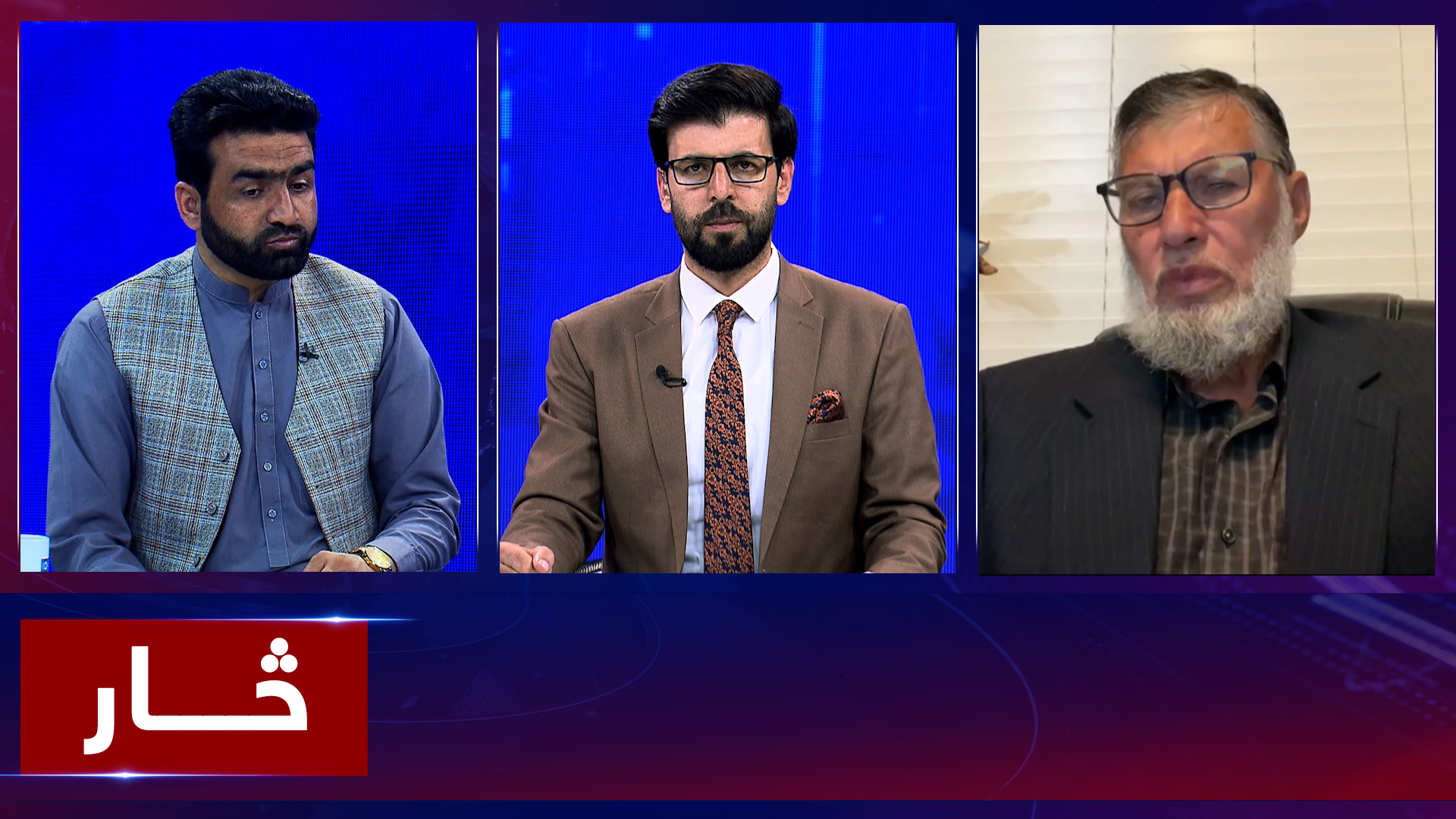
Saar: Discussion on criticism of Pakistan’s policies

Islamic Emirate releases American prisoner Dennis Coyle

UK announces additional £3 million in aid for vulnerable people in Afghanistan

Around 2.3 million tourists visited Afghanistan’s recreational areas during Eid: Ghufran

Pakistani military jet downed in Afghanistan’s Jalalabad, pilot captured alive

Afghan Air Force conducts airstrikes in Islamabad, other cities

Prominent Muslim scholar issues fatwa calling for Afghanistan-Pakistan ceasefire

Afghan air force strikes key Pakistani military installations in retaliatory operation

IEA: Special circle in Pakistan has launched mission to destabilize region
Tahawol: Escalating threats between Iran-US discussed

Tahawol: Possibility of US ground forces entering Iran war discussed

Saar: Using US prisoners as political pressure

Tahawol: Pakistan’s efforts to destabilise Afghanistan

Saar: Decline in international assistance to Afghanistan
-
 Sport5 days ago
Afghanistan national buzkashi falls short in Kokpar World Championship semifinals
-

 Sport4 days ago
Ireland to host Afghanistan for ODI series in August
-

 Latest News3 days ago
Deadly violence likely without dialogue between Afghanistan and Pakistan: ICG
-
 Latest News4 days ago
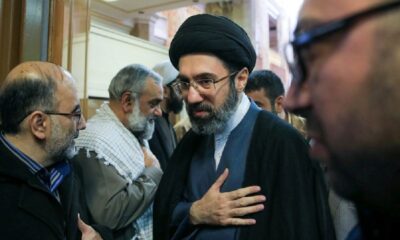
Mojtaba Khamenei calls for improved Afghanistan–Pakistan relations, offers help
-

 Sport5 days ago
FIFA sanctions Israeli Football Association over discrimination violations
-
 Latest News4 days ago
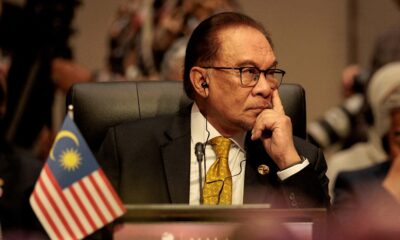
Malaysian PM welcomes temporary Afghanistan–Pakistan truce, urges lasting peace
-
 Latest News2 days ago
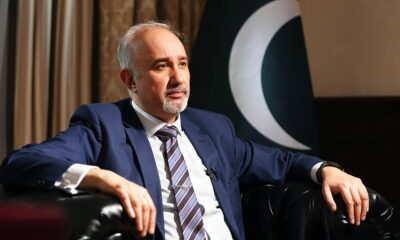
Pakistan seeks Russian mediation to resolve Afghanistan tensions
-
 Latest News5 days ago
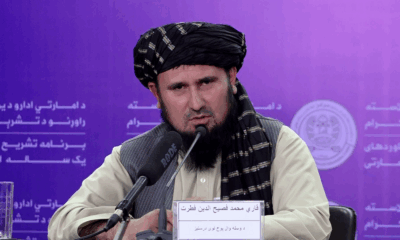
IEA defense ministry accuses Pakistan of ceasefire violations