
Business
UN warns only 11% of Afghan returnees have found employment
In a report released on Sunday, the International Organization for Migration (IOM) said many returnees continue to face serious obstacles to resettlement and livelihoods.

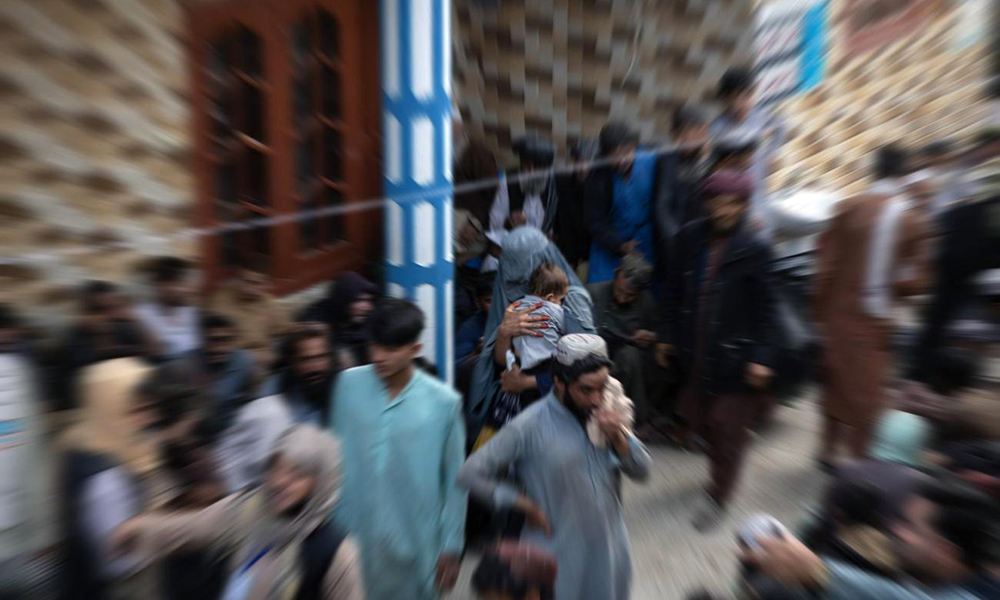
The United Nations has warned that returning to Afghanistan does not guarantee successful reintegration, with new figures showing that only 11 percent of Afghan returnees have been able to find jobs.
In a report released on Sunday, the International Organization for Migration (IOM) said many returnees continue to face serious obstacles to resettlement and livelihoods.
According to the assessment, one in four returnees has been unable to settle in their intended place of residence, while more than half lack essential documentation, severely restricting access to basic services and employment opportunities.
The report found that 25 percent of returnees have been unable to return to their original districts or areas of origin. Economic pressures remain acute, with 56 percent of heads of returnee households reporting they are unable to meet their families’ basic needs.
Employment remains a major challenge. The IOM said 35 percent of heads of returnee households and 36 percent of single returnees have not been able to secure work, raising concerns over long-term stability and sustainable livelihoods for those returning.
The findings come as the Islamic Emirate reports that around 1.8 million Afghan migrants returned to the country in 2025. International organizations, however, warn that without improved access to jobs, documentation and essential services, large-scale returns risk worsening Afghanistan’s already fragile humanitarian and economic situation.







Business
Pakistan–Afghanistan bilateral trade plunges 53% in first half of fiscal year
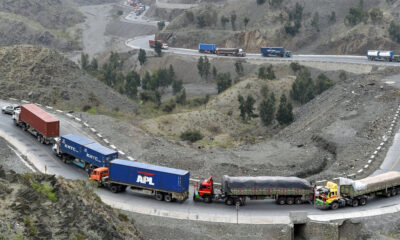
The steep drop is largely attributed to the closure of key crossings following clashes on October 11, which disrupted trade flows between the two neighboring countries.
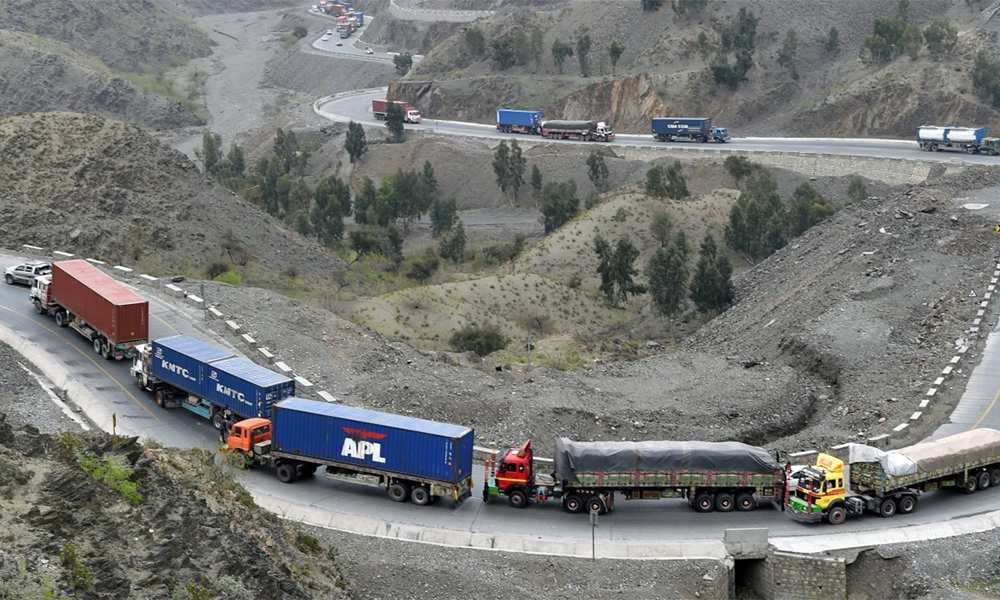
Bilateral trade between Pakistan and Afghanistan declined sharply by 53 percent during the first half of the current fiscal year (July–December 2025–26), falling from $1.26 billion to $594 million, according to a report by Pakistani newspaper The Nation.
The steep drop is largely attributed to the closure of key crossings following clashes on October 11, which disrupted trade flows between the two neighboring countries.
During the period under review, Pakistan’s exports to Afghanistan fell by 55 percent, dropping from $754 million to $336 million. Imports from Afghanistan also registered a significant decline, falling by 49 percent to $258 million.
Earlier, Afghanistan’s Deputy Prime Minister for Economic Affairs, Mullah Abdul Ghani Baradar, said the country had expanded economic engagement with other regional partners amid the crossing closures. He stressed that trade with Pakistan would resume only if permanent assurances were provided to keep trade routes open.
The sharp contraction underscores growing strains in Pakistan–Afghanistan trade relations and highlights the economic impact of prolonged crossing disruptions.
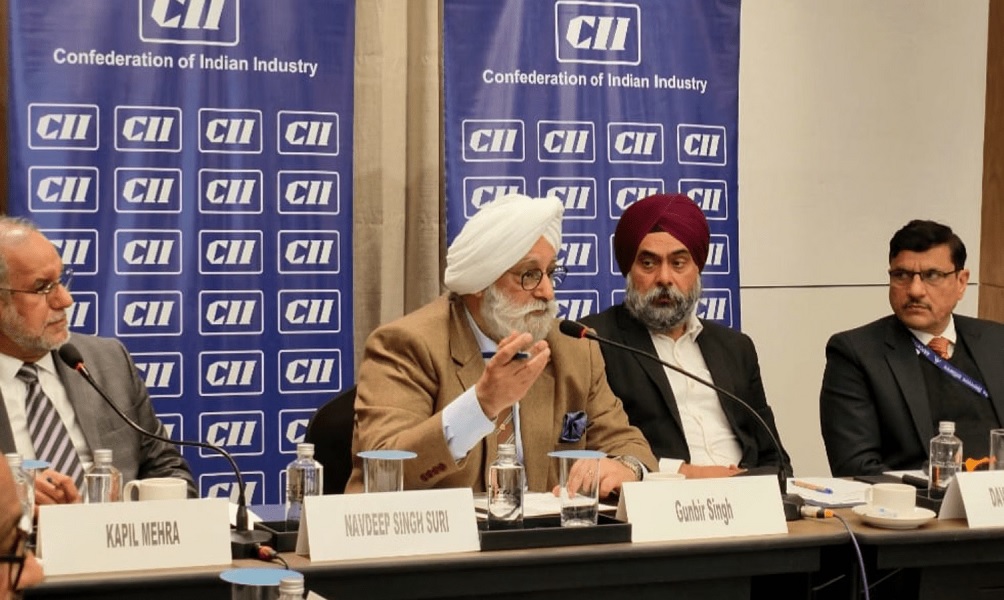
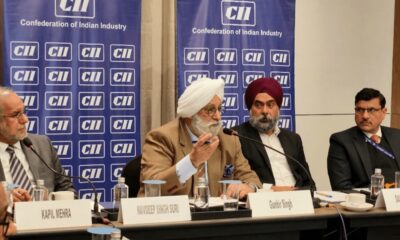
Experts at the Confederation of Indian Industry (CII) Amritsar Zonal Council meeting highlighted the potential of air exports of farm produce to strengthen Indo-Afghan trade and support regional economic growth.
The session focused on Sri Guru Ram Dass International Airport, which last year handled just 972 metric tonnes of exports and 236 tonnes of imports, far below its capacity. Stakeholders noted delays caused by limited aircraft, short customs hours, and holidays.
Former Indian ambassador Navdeep Suri praised the session as the “finest granular interaction on trade” he had seen among Indian business chambers and proposed an Amritsar-Kabul-Dubai trade axis with frequent wide-bodied flights.
RahatCargo MD Sunil Kohli agreed to underwrite 1,500-1,800 tonnes of weekly cargo, provided swift clearances and suitable flights.
CII leaders emphasized that expanding perishable exports, textiles, pharmaceuticals, and value-added goods could become a major economic boost for the region, but required better coordination between airlines, customs, and airport authorities.
In November last year, an Indian foreign ministry official announced that air cargo services between India and Afghanistan will be launched soon.

Bank Alfalah Limited (BAFL), one of Pakistan’s largest commercial banks, has advanced its planned exit from Afghanistan following regulatory approvals from both the State Bank of Pakistan (SBP) and Da Afghanistan Bank (DAB), allowing Ghazanfar Bank to begin due diligence on the acquisition.
The bank informed the Pakistan Stock Exchange (PSX) of the development on Tuesday, Pakistan’s Business Recorder reported.
In the notice, BAFL referred to its earlier letter dated December 4, 2025, regarding the non-binding offer received from Ghazanfar Bank, Afghanistan, to acquire BAFL’s operations in the country.
The SBP has granted its in-principle approval for Ghazanfar Bank to start due diligence, and the Central Bank of Afghanistan has provided a similar clearance. As a result, BAFL will permit Ghazanfar Bank to proceed with the process.


Tahawol: Iran’s ongoing crisis and its consequences discussed

Saar: Origins and consequences of poverty in Afghanistan discussed

UN warns only 11% of Afghan returnees have found employment

ATN secures broadcast rights to Carabao Cup semis across Afghanistan

Afghanistan’s Ministry of Defense to recruit more forces

Afghanistan exports 10 containers of batteries to Saudi Arabia and UAE for first time

Pakistani cleric condemns lifetime immunity for Army Chief as un-Islamic

Turkey withdraws from Afghanistan-Pakistan mediation amid rising tensions

Islamic Emirate declines to attend Tehran meeting on Afghanistan

Afghanistan signs 30-year deal for marble mining in Daikundi
Tahawol: Iran’s ongoing crisis and its consequences discussed
Saar: Origins and consequences of poverty in Afghanistan discussed

Tahawol: UNICEF’s call for supporting Afghan children’s education

Saar: Discussion on ongoing protests in Iran

Tawsia: Boost in Afghanistan’s imports and exports discussed
-
 Latest News4 days ago
Turkey withdraws from Afghanistan-Pakistan mediation amid rising tensions
-

 Latest News3 days ago
Pakistan says diplomatic channels with Afghanistan open, seeks written assurances against terrorism
-
 Latest News1 day ago
ICG report says Pakistan most impacted by IEA’s return in Afghanistan
-

 Sport4 days ago
Vietnam and Saudi Arabia off to winning starts at AFC U23 Asian Cup
-

 Business4 days ago
Pakistan’s Bank Alfalah moves forward with exit from Afghanistan
-
 Business3 days ago
Air cargo seen as key to boosting Indo-Afghan trade via Amritsar airport
-
 Business2 days ago
Pakistan–Afghanistan bilateral trade plunges 53% in first half of fiscal year
-

 Sport4 days ago
Ariana Television to broadcast major global sports events in 2026