
Business
Pakistan–Afghanistan bilateral trade plunges 53% in first half of fiscal year
The steep drop is largely attributed to the closure of key crossings following clashes on October 11, which disrupted trade flows between the two neighboring countries.

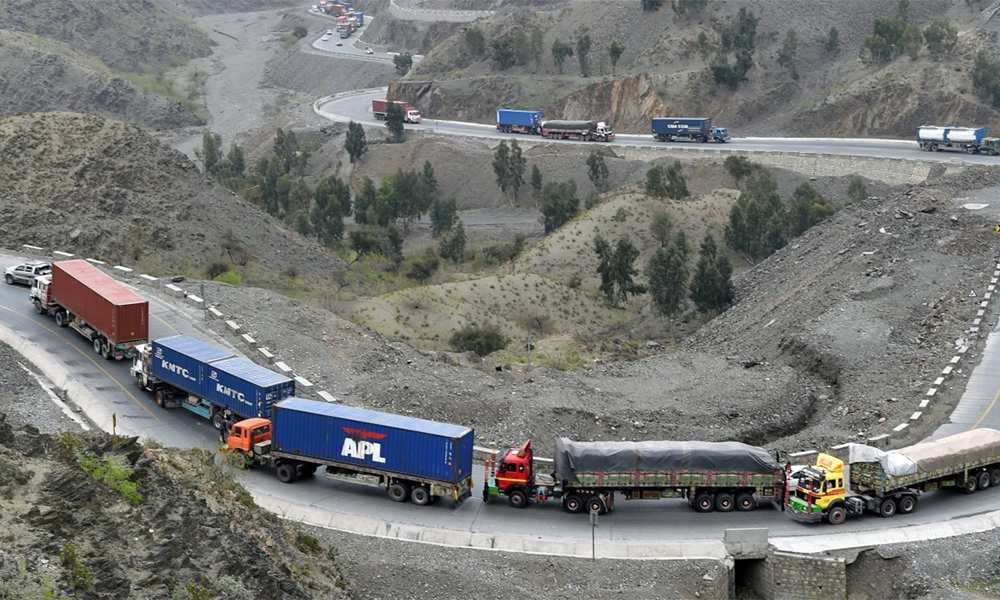
Bilateral trade between Pakistan and Afghanistan declined sharply by 53 percent during the first half of the current fiscal year (July–December 2025–26), falling from $1.26 billion to $594 million, according to a report by Pakistani newspaper The Nation.
The steep drop is largely attributed to the closure of key crossings following clashes on October 11, which disrupted trade flows between the two neighboring countries.
During the period under review, Pakistan’s exports to Afghanistan fell by 55 percent, dropping from $754 million to $336 million. Imports from Afghanistan also registered a significant decline, falling by 49 percent to $258 million.
Earlier, Afghanistan’s Deputy Prime Minister for Economic Affairs, Mullah Abdul Ghani Baradar, said the country had expanded economic engagement with other regional partners amid the crossing closures. He stressed that trade with Pakistan would resume only if permanent assurances were provided to keep trade routes open.
The sharp contraction underscores growing strains in Pakistan–Afghanistan trade relations and highlights the economic impact of prolonged crossing disruptions.

Business
WFP report notes high food and fuel costs continue to pressure Afghan households
Pastoralist households also faced declining purchasing power. The sale of a one-year-old female sheep could buy 260 kilograms of low-priced wheat flour, 12% less than a year earlier.
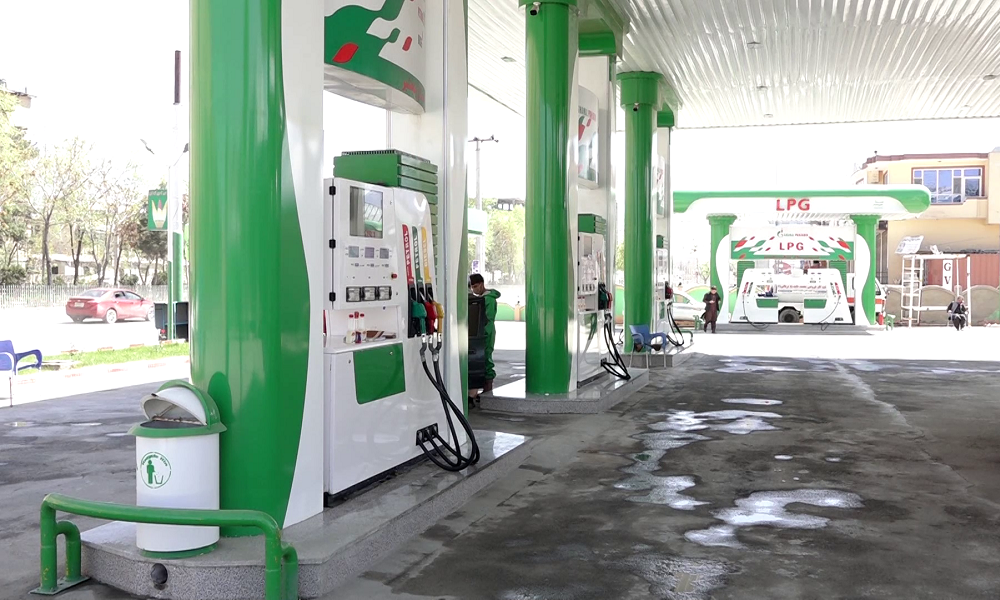
Rising food, fuel and agricultural input costs continue to strain Afghan households despite a relatively strong afghani (AFN), according to the World Food Programme’s (WFP) latest weekly market report.
The afghani traded at an average of 64.9 against the US dollar in the first week of October, remaining 2% stronger than a year earlier and 7% above its three-year average. However, several staple foods and essential agricultural inputs remained significantly more expensive than a year ago.
WFP’s report found that prices for Palawi rice were 17% higher than last year, while the lower-priced Sholae variety had risen by 31%. Cooking oil and sugar prices were also up 12% and 10%, respectively, while wheat grain and low-priced wheat flour were both 10% more expensive.
Fuel costs continued to add pressure, with diesel selling at an average of AFN 80.9 per litre, 3% higher than a year earlier and 14% above its three-year average. Fertiliser prices also remained elevated, with urea up 24% and diammonium phosphate (DAP) up 10% year-on-year.
The report highlighted growing pressure on household purchasing power as wages and employment opportunities weakened. Unskilled labour availability averaged just two days per week, 14% below the previous year and 21% below the three-year average. Daily wages for unskilled workers were also 5% lower than a year earlier.
As a result, an unskilled labourer’s daily wage could purchase an average of 9.9 kilograms of low-priced wheat flour, down 13% from a year earlier. The real purchasing power of unskilled labour households fell by 25% year-on-year and stood 30% below the three-year average.
Pastoralist households also faced declining purchasing power. The sale of a one-year-old female sheep could buy 260 kilograms of low-priced wheat flour, 12% less than a year earlier.
Some commodities recorded price declines during the week. Potato prices fell by 4.1%, onions by 3.1% and Palawi rice by 1.9%. However, potatoes remained 25% more expensive than a year earlier, while Palawi rice was 19% above its three-year average.
WFP said the in-kind food basket cost AFN 6,033 in the first week of October, 4% higher than a year earlier. The report also noted significant differences in prices between provinces, reflecting variations in transport costs, market supplies and seasonal availability.
The findings underscore continued pressure on Afghan households, as high essential commodity prices, weak labour availability and declining purchasing power limit access to food despite support from the stronger national currency.
Business
Iran moves to ease export barriers to Afghanistan, Pakistan and Iraq
If implemented, the proposals could help address some of the obstacles facing Iranian exporters trading with neighboring markets, including Afghanistan.
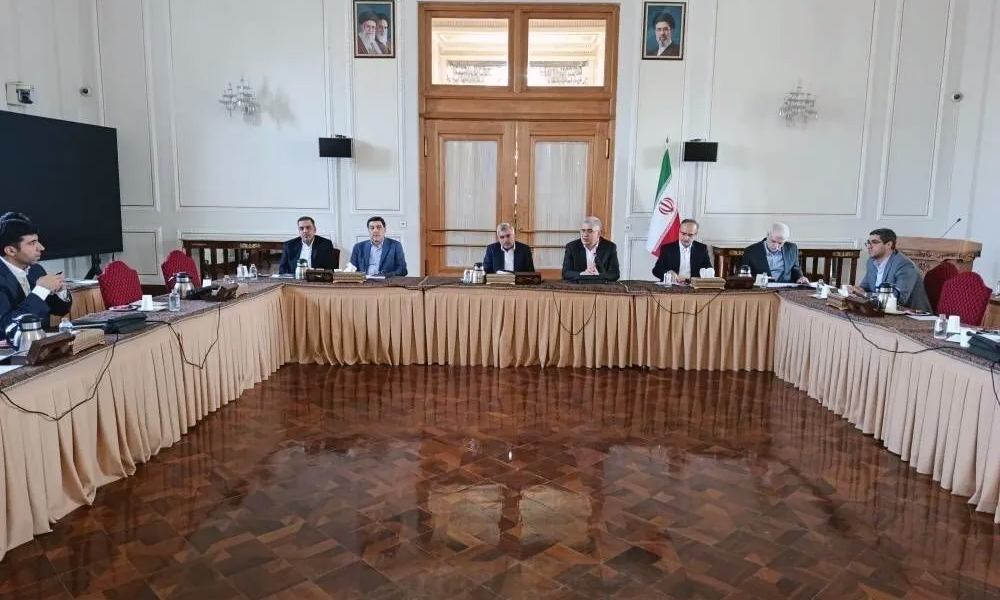
Iran is reviewing measures to remove barriers to exports to neighboring countries, including Afghanistan, Pakistan and Iraq, as part of efforts to support exporters facing transportation and logistics challenges, a senior Iranian Foreign Ministry official said.
Hamid Ghanbari, Iran’s deputy foreign minister for economic diplomacy, announced the proposals following the 12th meeting of the Economic Relations Coordination Headquarters, which focused on trade diplomacy and non-oil exports.
The meeting, held at the Iranian Foreign Ministry on Saturday, brought together economic deputies from government agencies to discuss exporters’ challenges and coordinate practical solutions.
Ghanbari said disruptions to transportation and logistics had prevented some exporters from fulfilling their obligations. In other cases, exporters who had received foreign currency to import raw materials were unable to complete their purchases because of difficulties along transportation routes.
To address these challenges, Iranian authorities have proposed revising existing procedures and regulations governing exporters’ obligations. Ghanbari said the proposed measures had received approval from relevant government agencies.
Iran Seeks to Facilitate Regional Trade
The Iranian official also highlighted proposals to resolve problems affecting exports to neighboring countries, particularly Afghanistan, Pakistan and Iraq.
He said the proposals could be pursued through negotiations with foreign counterparts, with Iran’s embassies and consulates expected to follow up on the relevant issues.
The initiative comes as Iran seeks to maintain its export flows and strengthen regional trade links despite ongoing economic and logistical challenges.
Ghanbari expressed hope that the measures would help preserve existing export markets, improve the targeting of shipments and support further growth in Iran’s non-oil exports.
However, the specific measures for Afghanistan, Pakistan and Iraq, as well as the timeline for their implementation, have not yet been announced.
If implemented, the proposals could help address some of the obstacles facing Iranian exporters trading with neighboring markets, including Afghanistan.
Business
Turkmenistan targets 80 billion cubic meters of gas production in 2026
The pipeline is designed to transport natural gas from Turkmenistan through Afghanistan to Pakistan and India, creating a potential source of energy supplies for the region.
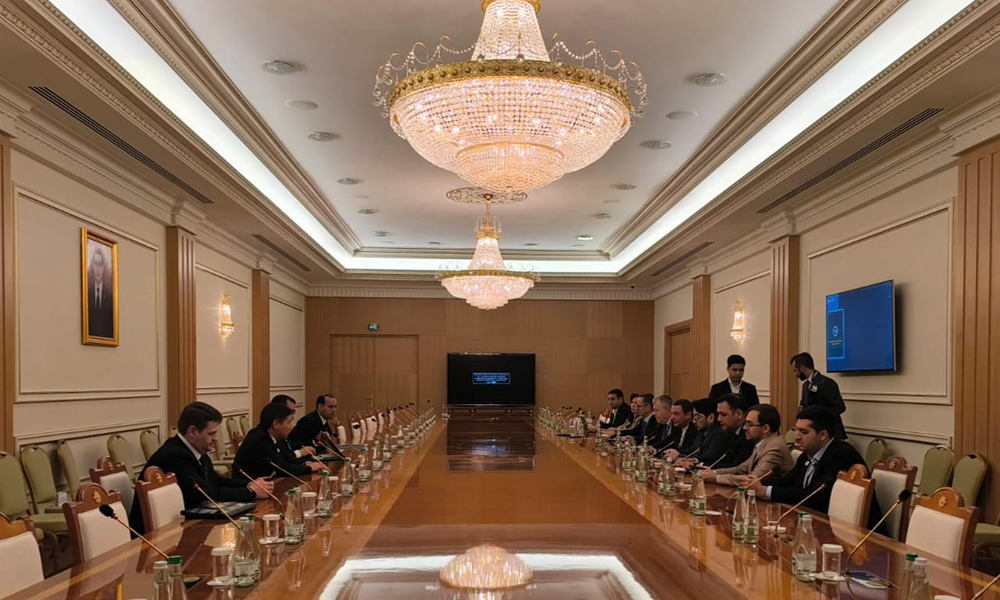
Turkmenistan plans to produce around 80 billion cubic meters of natural gas in 2026, while targeting the start of gas deliveries to Afghanistan through the Turkmenistan-Afghanistan-Pakistan-India (TAPI) pipeline by mid-2027, according to Turkmen officials.
Maksat Babayev, Turkmenistan’s minister of state and chairman of Turkmengaz, announced the production target at a press conference in Ashgabat on Friday, following the 31st International Conference and Exhibition “Oil and Gas of Turkmenistan” (OGT 2026), Trend News Agency reported.
Officials expect gas production to remain at around 80 billion cubic meters in 2027. Turkmenistan currently supplies approximately 40 billion cubic meters of gas to China and Uzbekistan.
The country also plans to increase oil production to eight million metric tons in 2026, up from 7.5 million metric tons last year.
TAPI Pipeline Deliveries Targeted for 2027
Turkmen officials said construction of the Serhetabat-Herat section of the TAPI pipeline is expected to be completed by the end of 2026, with gas deliveries to Afghanistan scheduled to begin by mid-2027. The timeline will partly depend on the readiness of the Afghan side.
The pipeline is designed to transport natural gas from Turkmenistan through Afghanistan to Pakistan and India, creating a potential source of energy supplies for the region.
Turkmenistan Seeks to Expand Gas Exports
Turkmenistan is also exploring the Trans-Caspian gas supply route and plans to expand production capacity through further development of the Galkynysh gas field.
Meanwhile, seven companies, including firms from Austria, Germany and Türkiye, have submitted bids to develop underground natural gas storage facilities. Officials said the evaluation process is nearing completion.
Turkmen officials also reported a 40% increase in participation at OGT 2026 compared with the previous year, with around 700 international delegates from 75 countries attending the event.


WFP report notes high food and fuel costs continue to pressure Afghan households
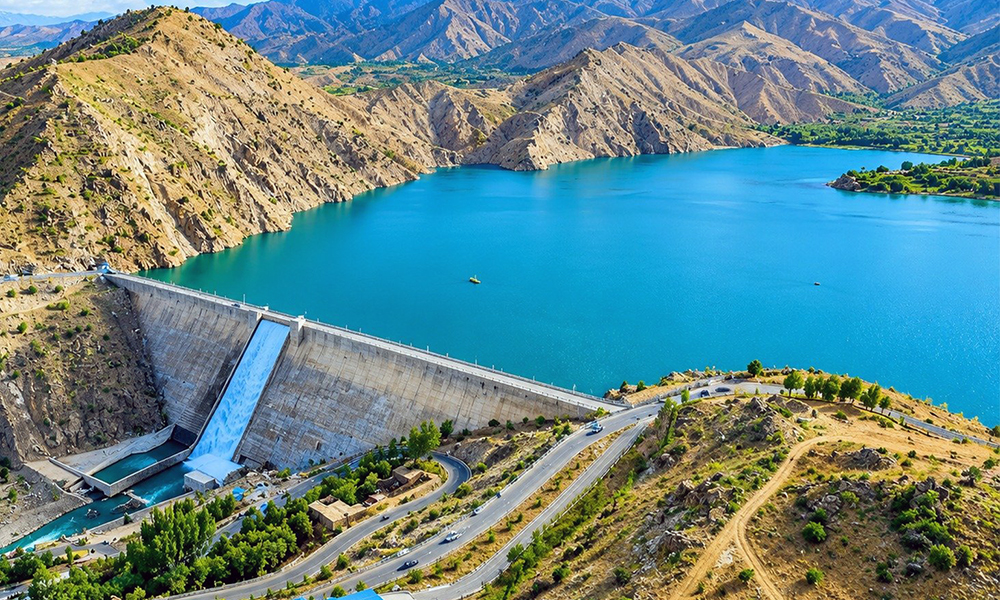
Afghanistan signs AFN 1 billion water supply deal to benefit 50,000 Kabul families
Houthis say they attacked Saudi oil pumping stations, Riyadh airport as fighting intensifies

UNDP launches second phase of economic recovery programme in five Afghan provinces
Afghanistan opium ban shifts cultivation to Pakistan and Iran, experts warn

Cricket Bonanza: Afghanistan set for packed international schedule

Afghanistan on climate front line as Kabul faces groundwater warning

Afghanistan says 28 killed, 32 captured in Nuristan operation

ACB announces Afghanistan squads for Bangladesh, Zimbabwe series

Trump rejects Iranian proposal to open Hormuz and end fighting

Tahawol: Ukraine war and ongoing peace efforts

Saar: Obama’s remarks on Iran war
Tahawol: UN’s role in tackling global crises discsused
Saar: Pakistan’s blame on Kabul for its own failures discussed

Tawsia: New opportunities in Afghanistan’s energy, trade and agriculture sectors discussed
-
 Latest News4 days ago
Afghanistan’s new Wakhan road to China faces major hurdles
-

 Science & Technology4 days ago
Governments take websites offline as critical cyber flaws trigger global alert
-
 Latest News4 days ago
CSTO to supply Tajikistan with weapons to strengthen Afghan border
-

 Latest News4 days ago
Russia to expand security and defence cooperation with Afghanistan
-
 Business3 days ago
Pakistan exporters suffer billions in losses as Afghanistan trade halt continues
-
 Latest News2 days ago
US Central Asia strategy faces challenges linked to Afghanistan’s political and security situation
-

 Business3 days ago
IMF forecasts 1.3 percent regional economic contraction in 2026
-
 Sport2 days ago
Afghanistan defeat Zimbabwe to win Tri-Series ahead of 2027 Cricket World Cup