
Latest News
UNHCR warns of extreme hardship for forcibly displaced families this winter

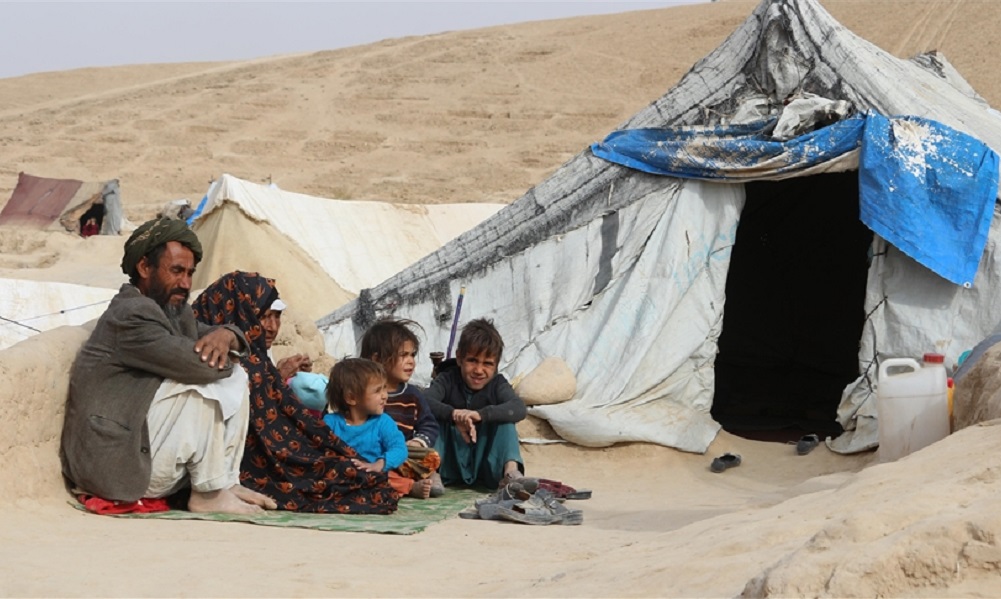
Millions of people from Ukraine, Afghanistan and across the Middle East displaced by conflict or persecution could face a perilous winter as freezing temperatures add to the misery already induced by spiraling prices, the lingering impact of the COVID-19 pandemic and extreme weather linked to the climate crisis, UNHCR, the UN Refugee Agency, warned Friday.
UNHCR spokesperson Olga Sarrado, said at a press briefing in Geneva that for many of the world’s forcibly displaced, this coming winter will be far more challenging than in recent years. Many displaced families will have no option but to choose between food and warmth as they struggle to heat their shelters, source warm clothing, and cook hot meals.
Across the Middle East, many displaced Syrians and Iraqis will have to contend with extreme cold and snowstorms once again while millions of Ukrainians uprooted from their homes by the current war are facing winter in displacement or are living in damaged homes or in buildings ill-suited to protect them from the biting cold.
Sarrado said that in Afghanistan, where winter temperatures can easily plunge to -25 degrees Celsius across parts of the country, many displaced and conflict-affected families will be left exposed to the elements.
This comes amid a steep economic decline, and only months after June’s earthquake in south-eastern Paktika and Khost provinces, in which thousands of people experienced devastating loss and damage to their homes.
She said amid an ongoing effort to contain a humanitarian catastrophe, flash flooding and drought also continue to wreak havoc on lives, property and livelihoods, while some regions of Afghanistan continue to report new displacement.
Despite worsening humanitarian needs, the funding outlook for life-saving aid programmes and assistance remains bleak, Sarrado said adding that owing to funding shortfalls, UNHCR has recently been forced to scale back essential programmes in several countries.
UNHCR has launched a global winter fundraising campaign to help forcibly displaced families in the above-mentioned operations meet their most urgent needs during the coldest months of the year, she said.
Funding will help provide those uprooted with warm winter clothing, thermal blankets, home repairs, solar panels and lamps, gas cylinders and cash assistance to cover other essential winter needs, including heating.


Latest News
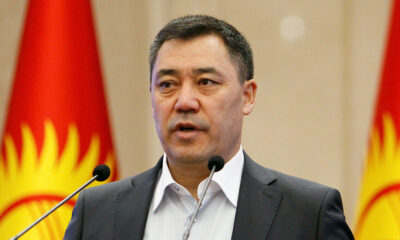
Kyrgyz President calls for continued regional support for Afghanistan
Japarov also underscored the importance of continued humanitarian assistance, urging regional countries to uphold their commitments to supporting Afghanistan.
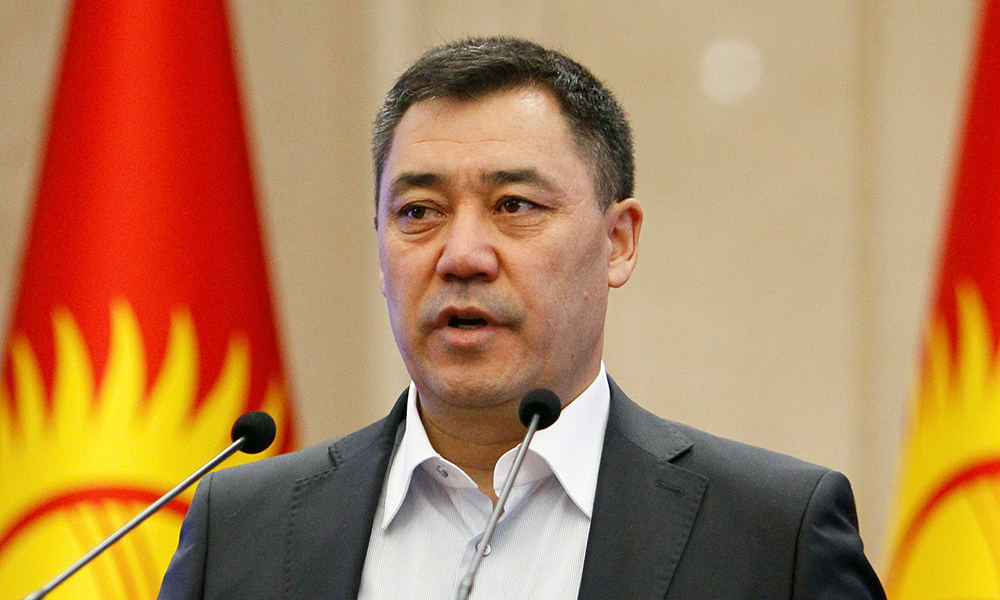
Kyrgyz President Sadyr Japarov has called on regional countries to maintain their support for Afghanistan, stressing that a stable and peaceful Afghanistan would benefit the entire region.
Speaking at a consultative meeting of the leaders of Central Asian countries and Azerbaijan, Japarov highlighted the importance of continued assistance to the Afghan people and stronger regional cooperation to address shared security challenges.
He emphasized the need to enhance cooperation among regional countries to combat terrorism, drug trafficking and organized crime.
Japarov also underscored the importance of continued humanitarian assistance, urging regional countries to uphold their commitments to supporting Afghanistan.
Latest News
Afghanistan, Iran seek to expand trade and transit through western border crossings
The Herat governor called for greater attention to expanding trade and transit through Herat, Farah and Nimroz provinces.
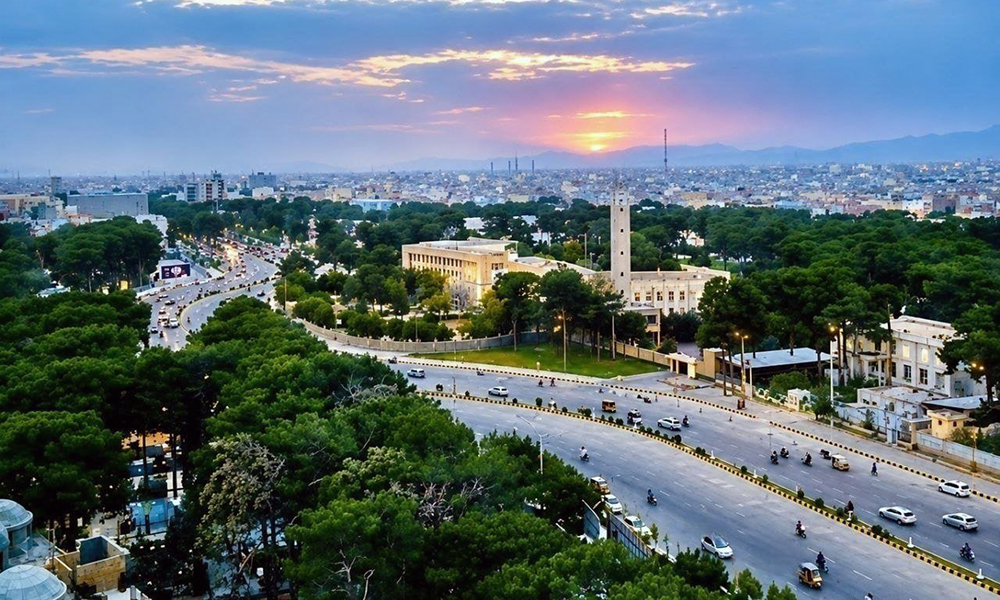
Herat Governor Maulana Islam Jar has met with an Iranian delegation led by Mohammad Mohsen Zanganeh, a member of Iran’s Islamic Consultative Assembly, to discuss expanding bilateral trade, strengthening economic ties and facilitating cross-border transit.
According to a statement from the Herat Governor’s Press Office, the meeting was also attended by Farah Governor Mohammad Hafiz Mujahid and Nimroz Governor Abdul Manan Mahmoud.
Officials from both countries discussed ways to increase commercial exchanges and improve the use of western border crossings to facilitate the movement of goods between Afghanistan and Iran.
Welcoming the Iranian delegation, Islam Jar said Afghanistan had made progress in the economic, industrial and commercial sectors, while major infrastructure projects were also underway.
He also highlighted the Islamic Emirate’s efforts to combat drug cultivation and trafficking, saying progress had been made in this area.
The Herat governor called for greater attention to expanding trade and transit through Herat, Farah and Nimroz provinces, stressing that increased commercial activity could benefit both countries.
According to the statement, Islam Jar said the Islam Qala, Abu Nasr Farahi and Nimroz border crossings were ready to operate around the clock to facilitate trade and transit.
Meanwhile, Zanganeh thanked the Afghan people for their hospitality and said Afghanistan had made considerable progress over the past five years.
He expressed support for expanding trade and transit cooperation and increasing the movement of goods through the three western border crossings, pledging to work towards advancing these objectives.
The meeting reflects ongoing efforts by Afghanistan and Iran to strengthen economic cooperation, improve cross-border transportation and expand regional trade connectivity.
Latest News
US senator cites Afghanistan visits in Pentagon ‘cover-up’ allegations over Iran war
“The reason was made up,” Murphy said, arguing that the decision was not about safety but a “cover-up.”
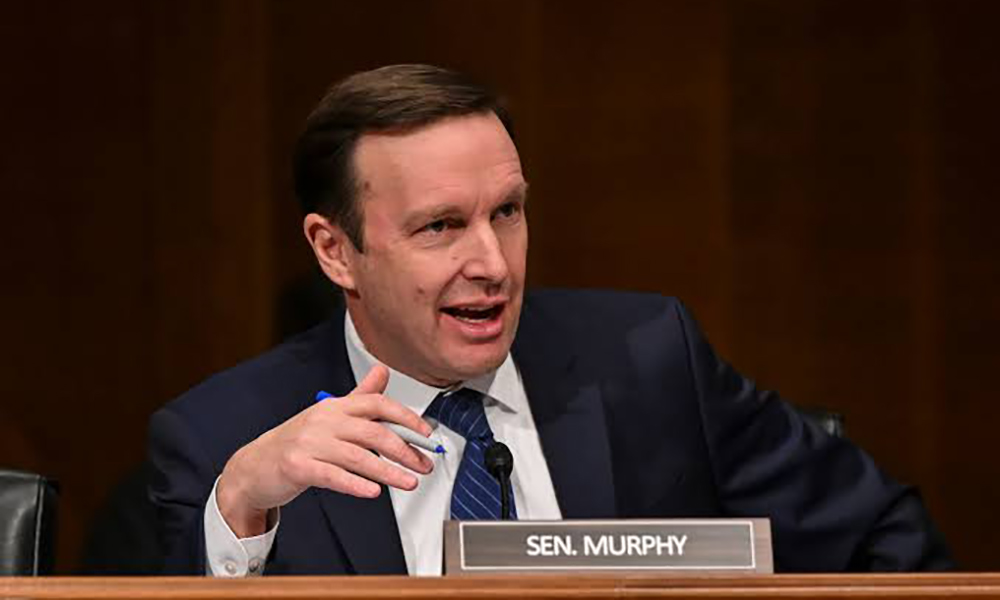
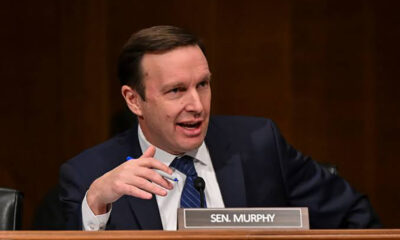
US Democratic Senator Chris Murphy has accused the Pentagon of attempting to conceal the costs and damage associated with the war on Iran after he was denied access to US military facilities in the region.
Speaking to CNN, Murphy rejected officials’ explanation that the visit was blocked for security reasons, pointing to his previous visits to US military positions in Iraq and Afghanistan during active fighting.
“The reason was made up,” Murphy said, arguing that the decision was not about safety but a “cover-up.”
Murphy also said that US Defense Department officials in the region refused to brief him at the US embassy. However, he said the State Department allowed him to inspect damage to the diplomatic mission, which he described as extensive.
“The attack on the US embassy happened at night. Had it happened during the day, there would have been lots of Americans killed,” Murphy said.
The senator’s remarks have raised questions about transparency surrounding the financial costs and reported damage linked to the conflict.


Bangladesh reach 317/8 on Day One against Afghanistan in Test match

Kyrgyz President calls for continued regional support for Afghanistan

Afghanistan, Iran seek to expand trade and transit through western border crossings

US senator cites Afghanistan visits in Pentagon ‘cover-up’ allegations over Iran war

Iran allocates over 110 hectares in Chabahar for Afghan economic activities

EU and FAO launch €5m programme to strengthen Afghanistan’s agrifood sector

Omar Zawak, Toofan Herat secure victories in Afghanistan Champions League

Houthi advance in Yemen puts U.S. in a new bind

Cricket Bonanza: Afghanistan set for packed international schedule

Afghanistan Champions League Season 6 kicks off today: Abu Muslim Farah face Sarsabz Yashlar

Tahawol: CSTO meeting on Afghanistan reviewed

Saar: Guterres’s talks with Pakistani officials on Afghanistan discussed

Tahawol: Consequences of US war in Afghanistan reviewed

Saar: Expulsion of Afghan refugees from Pakistan discussed

Tahawol: Discussion on outcome of Moscow Format meeting
-
 Sport4 days ago
Cricket Bonanza: Afghanistan set for packed international schedule
-

 Sport5 days ago
ACL: Sorkh Poshan extend perfect run with 1-0 win over Khurasan
-

 Sport4 days ago
Afghanistan U19 to face Bangladesh, Oman in Youth ODIs
-
 Regional4 days ago
Yemeni government launches offensive to seize all areas from Iran-backed Houthis
-

 Latest News3 days ago
Ariana Afghan Airlines ends 15-year control of ticketing and operational systems by Pakistani firm
-
 World3 days ago
▶️Saudi Arabia, Turkey, Pakistan activate Mecca defense pact
-

 Sport4 days ago
ACL: Abu Muslim Farah maintain momentum with 2-0 win over Arman FC
-
 World4 days ago
Trump picks John Coale as special presidential envoy for hostage affairs