
Latest News
UNICEF launches historic $2 billion appeal to save the lives of millions of Afghans

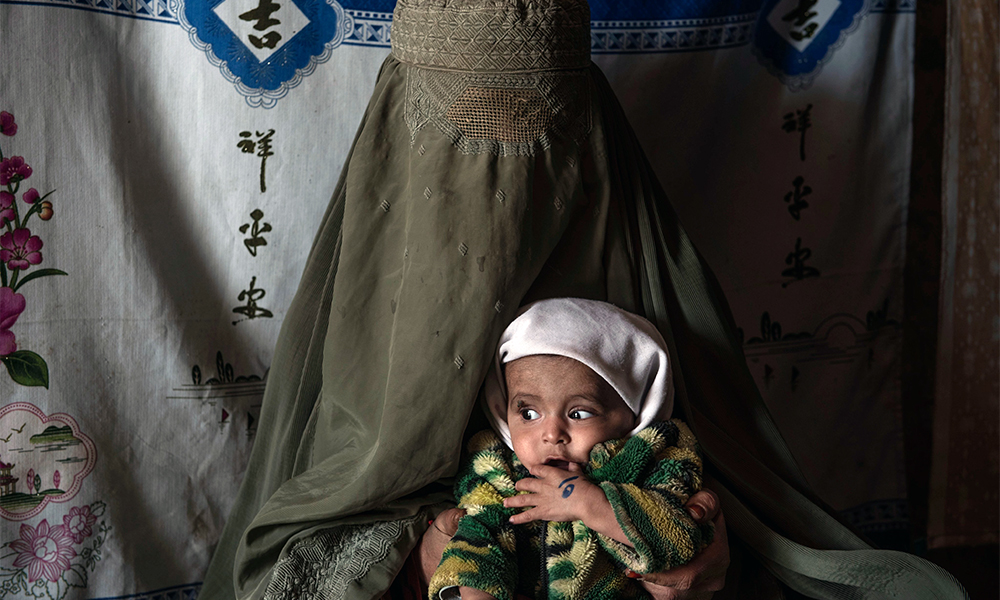
UNICEF launched its largest ever single-country appeal on Tuesday to urgently respond to the humanitarian needs of over 24 million people in Afghanistan, half of whom are children.
UNICEF said in a statement issued Tuesday that the appeal for US$2 billion will help to avert the imminent collapse of health, nutrition, WASH, education and other vital social services for children and families.
This comes amid a continuing humanitarian crisis. According to UNICEF there are alarming disruptions in health and nutrition services, a disastrous food crisis, drought, outbreaks of measles, acute watery diarrhea, polio and other preventable diseases, as well as the crippling onset of winter.
“The current humanitarian situation in Afghanistan is dire, especially for children. Winter has already set in and, without additional funding, UNICEF and partners will be unable to reach the children and families that need us the most,” said Alice Akunga, UNICEF Afghanistan Representative.
“As families struggle to put nutritious food on the table and health systems are further strained, millions of Afghan children are at risk of starvation and death. Others struggle to access water and sanitation, are cut off from their schools and at heightened risk of violence. As the desperation of families and children increases, UNICEF is doing everything possible to save and protect children,” she said.
UNICEF estimates that 1 in 2 children under five will be acutely malnourished and that outbreaks of life-threatening diseases continue, with over 60,000 cases of measles reported in 2021.
An estimated 8 of 10 Afghans drink bacteriologically contaminated water and 10 million children are at risk of dropping out of school if teacher salaries are not paid and crippling poverty levels continue.
According to UNICEF, the organization will prioritize life-saving interventions to treat children and provide other vital services.
UNICEF plans to use the funds to scale up services to treat one million children with severe acute malnutrition; vaccinate 10.5 million children against measles; provide safe water to 11.5 million people; and ensure that 7.5 million children are accessing education. The organization will also expand the use of humanitarian cash transfers to meet the basic needs of the most vulnerable families and children.
“UNICEF is strongly urging donors to support Afghanistan’s children through its humanitarian appeal,” added Akunga.
“We need to call to mind our common humanity and do everything it takes to keep children alive, well-fed, safe and learning. It won’t be easy but with the lives and wellbeing of so many children at stake, we must rise to the challenge. We appeal to the international community to stand with us, shoulder to shoulder, so that the children of Afghanistan can have the life and future that is their right.”







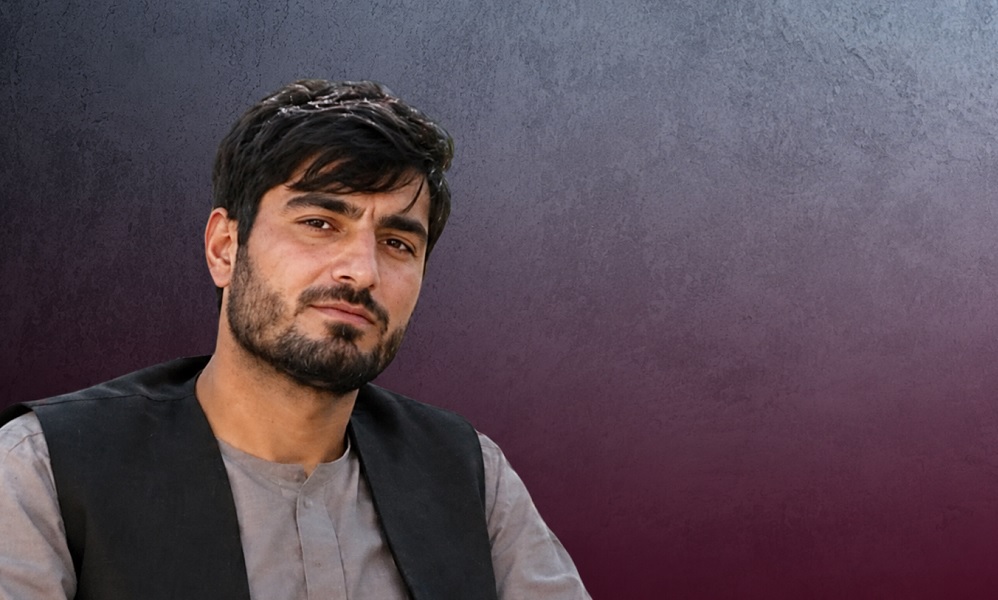
Iran has executed a disabled 29-year-old Afghan citizen found guilty of murder, a human rights group reported on Sunday.
The Hengaw Human Rights Organization reported that Wali Jan Noorzai’s execution was carried out on Wednesday at the central prison in Rafsanjan, Kerman Province.
According to the report, Noorzai was arrested by Iranian security forces in Rafsanjan three years ago on charges of “premeditated murder” and was later sentenced to death by Iran’s judiciary.
Hengaw said Noorzai was injured by gunfire from Iranian police during his arrest and lost his ability to walk as a result of his injuries.
He spent the past three years in prison using a wheelchair, and his execution was ultimately carried out while he was still in the wheelchair.
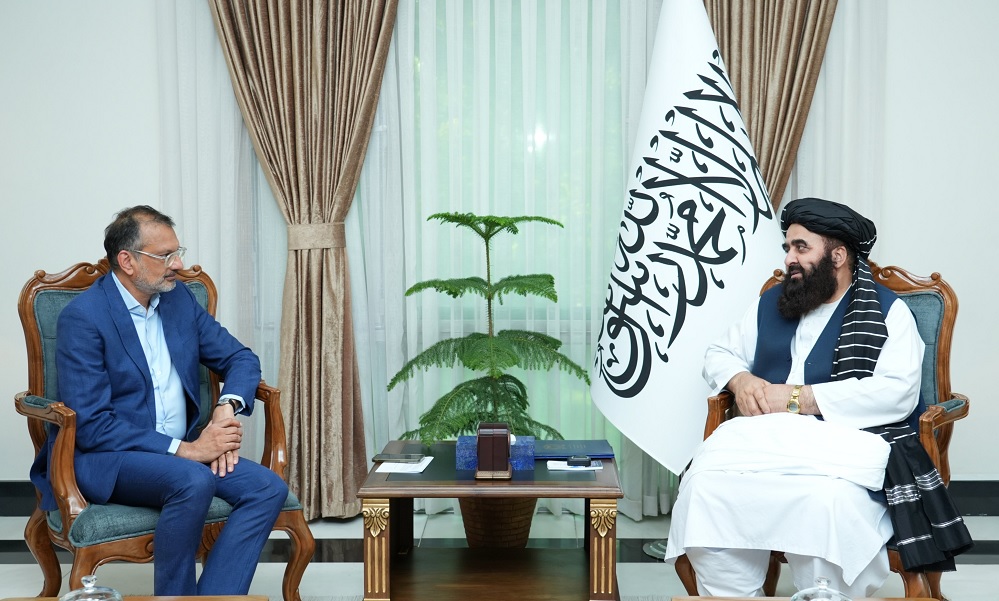
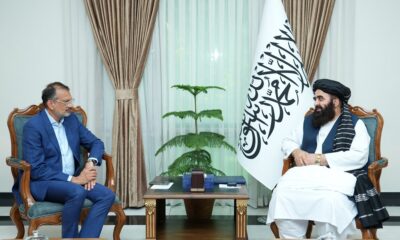
Afghanistan’s Foreign Minister Amir Khan Muttaqi met with Arafat Jamal, the United Nations High Commissioner for Refugees (UNHCR) representative in Afghanistan, to discuss the safe, dignified and voluntary return of Afghan refugees and support for those returning to the country.
According to a statement from Afghanistan’s Ministry of Foreign Affairs, the meeting focused on the return of Afghan refugees and measures to provide them with assistance and support following their arrival in Afghanistan.
The two sides also discussed strengthening cooperation and coordination between the Afghan government and UNHCR to improve conditions for returnees.
The meeting further addressed the need to coordinate the efforts of relevant countries and international organizations involved in, or interested in, supporting the return and reintegration of Afghan refugees.
The discussions come as the issue of Afghan refugee returns remains a key humanitarian and regional concern, with international organizations emphasizing the need for safe and dignified returns and continued assistance to returning families.
Latest News
Muttaqi, UN official discuss cooperation and Doha Process
The ministry said Muttaqi and DiCarlo also shared views on future engagement and cooperation regarding the Doha Process.

Afghanistan’s Foreign Minister Amir Khan Muttaqi held a phone call with Rosemary DiCarlo, the UN Under-Secretary-General for Political and Peacebuilding Affairs, the Ministry of Foreign Affairs said.
According to the ministry, the two sides discussed the overall state of cooperation between the Islamic Emirate and the United Nations and exchanged views on ways to further strengthen and expand future cooperation.
The ministry said Muttaqi and DiCarlo also shared views on future engagement and cooperation regarding the Doha Process.
No further details were provided about the timing of the next round of engagement or specific areas of cooperation.


Tahawol: Hopes for improved relations between Kabul and Washington

Saar: Afghan refugee returns discussed

US envoys make first Kyiv visit amid Ukraine war peace push

Iran hangs disabled Afghan prisoner while seated in wheelchair

Muttaqi meets UNHCR representative to discuss Afghan refugee returns

Four mediators struggle to secure lasting Pakistan-Afghanistan ceasefire

HesabPay unveils new visa card and digital payment app in Kabul

AFC Champions League Elite draw nears as Al-Nassr seeded above Al-Hilal

Afghanistan secure direct qualification for 2027 Men’s ODI World Cup

Abasin Defenders stun Kabul Zalmi in Kabul Premier League
Tahawol: Hopes for improved relations between Kabul and Washington
Saar: Afghan refugee returns discussed

Tahawol: Afghanistan and great power rivalry in Central Asia discussed

Saar: Iran-US ongoing tensions in Middle East discussed

Tahawol: US rejection of Islamic Emirate’s proposal discussed
-

 International Sports4 days ago
Iranian clubs to face Gulf opponents at neutral venues in Asian Champions League Elite
-
 Sport5 days ago
Ariana Television Network secures exclusive rights to Afghanistan’s 2026/27 cricket series
-
 Latest News2 days ago
Khyber Chamber demands reopening of Torkham crossing
-
 Regional3 days ago
Syria begins destroying Assad-era chemical weapons
-
 World3 days ago
South Korea reviews military options for Strait of Hormuz
-
 Latest News5 days ago
Uzbekistan urges SCO to resume regular dialogue with Afghanistan
-
 Latest News2 days ago
Russian official: West seeks military infrastructure in Central Asia, citing Afghanistan threat
-
 Latest News2 days ago
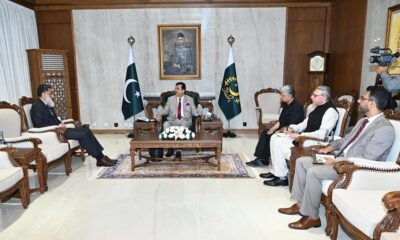
Pakistan’s envoy to Afghanistan discusses regional security with top officials in Islamabad