
Latest News
US accuses IEA of ‘hostage diplomacy’ at UN Security Council meeting

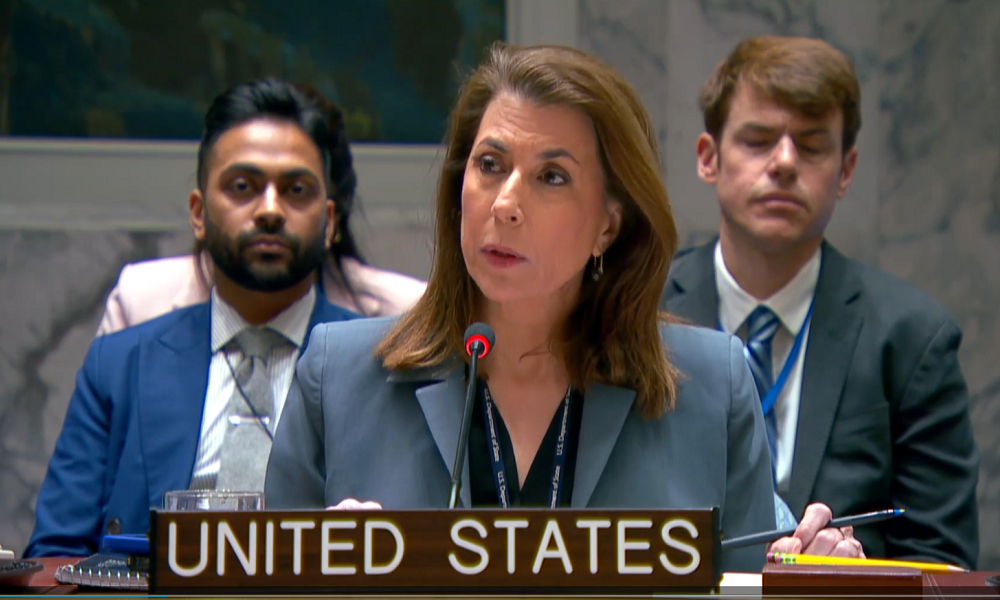
At the United Nations Security Council session renewing the 1988 sanctions mandate, US deputy representative, Tammy Bruce, said on Thursday that the Monitoring Team remains vital for assessing security and human rights conditions in Afghanistan.
She said the team’s reports provide key insights into the Islamic Emirate’s counterterrorism efforts and its human rights record, especially regarding women and girls.
Bruce accused the IEA of continuing “hostage diplomacy,” noting they have sought the release of an al-Qaida operative held at Guantanamo Bay detention camp in exchange for detained American citizens.
“The Taliban (IEA) must end all forms of hostage-taking and wrongful detentions,” she said. “The UN 1988 sanctions regime and its Monitoring Team remain critical tools for the international community to hold the Taliban accountable, including for these deplorable tactics.”
China’s envoy, Fu Cong, welcomed the Monitoring Team’s recent visit to Afghanistan and encouraged its experts to maintain engagement with and dialogue with the Afghan government.
“We urge the Afghan government to earnestly fulfil its counterterrorism responsibilities and take more resolute and effective measures to completely eradicate all terrorist forces in the country, including Daesh, al Qaeda, ETIM and TTP,” he said.
The envoy called for travel ban exemptions for Islamic Emirate officials to facilitate their international engagement.
Russian deputy representative, Anna Evstigneeva, said that attempts to shift the focus from key issues related to combating terrorism and narcotics trafficking to the human rights situation in Afghanistan are counterproductive and will undermine the effective implementation by experts of their tasks.




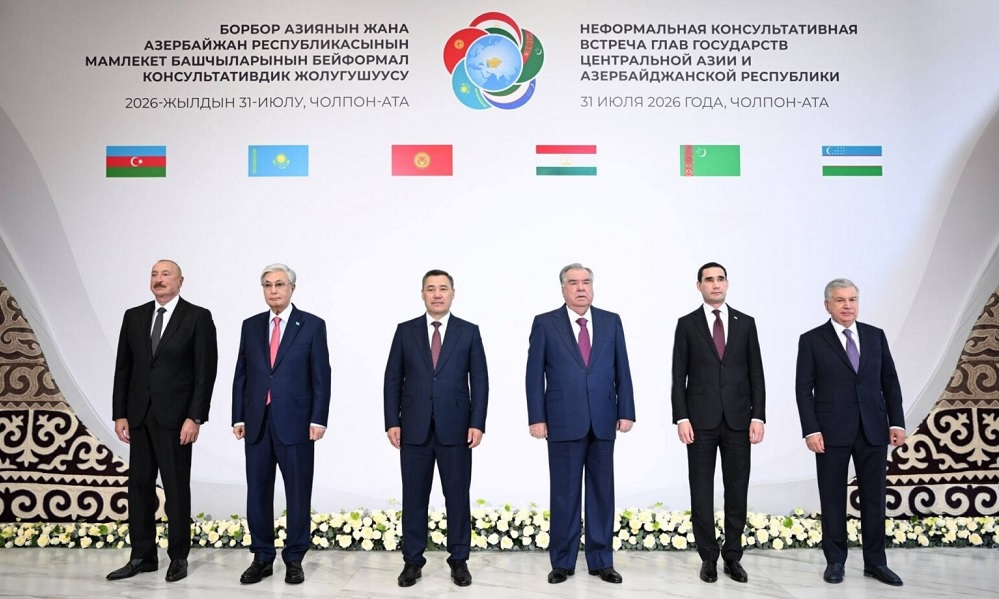
Uzbek President Shavkat Mirziyoyev has called for closer cooperation between Central Asia, the South Caucasus and Afghanistan, saying a historic opportunity has emerged to create a shared development space in the heart of Eurasia.
Speaking at an informal consultative meeting of Central Asian leaders and the President of Azerbaijan in Kyrgyzstan on Friday, Mirziyoyev said Central Asia should now be viewed within a broader geopolitical framework.
He said the region, which was once divided, is gradually moving toward greater cooperation around a common development agenda, while Azerbaijan’s participation expands this process beyond Central Asia.
“A historic opportunity is opening before us to create a common space for development linking Central Asia, the South Caucasus, and Afghanistan. We must seize this moment to build lasting ties and good-neighborly relations in the heart of Eurasia,” Mirziyoyev said.
The Uzbek leader emphasized the importance of strengthening regional connectivity, economic cooperation and long-term relations among neighboring countries.
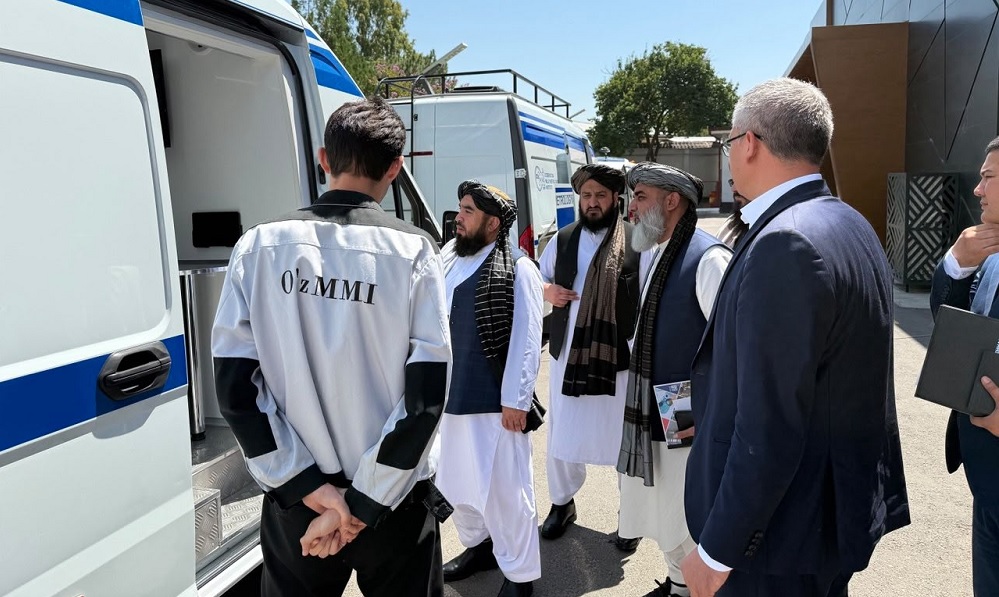
The head of Afghanistan’s power utility company has requested Uzbekistan’s cooperation in identifying and resolving technical problems in Afghanistan’s electricity network.
Haji Mullah Abdul Haq Hamkar, Chief Executive Officer of Da Afghanistan Breshna Sherkat (DABS), held talks with Dr. Akmal Jumanazarov, head of Uzbekistan’s Technical Regulation Agency under the Cabinet of Ministers, during his visit to Uzbekistan.
The two sides discussed technical standards in the electricity sector, improving the capacity of testing laboratories, implementing international standards, and expanding technical cooperation.
Hamkar called on Uzbekistan to support DABS in calibrating testing equipment, standardizing laboratories, and establishing mobile laboratories to help detect and resolve technical problems in the power network more quickly and accurately.
Uzbekistan’s Technical Regulation Agency also expressed readiness to cooperate in enhancing the technical capacity of DABS employees, calibrating equipment, organizing specialized training programs, and providing mobile laboratory facilities.
Both sides emphasized the importance of continued cooperation, exchange of technical expertise, implementation of international standards, and improving the quality and reliability of Afghanistan’s electricity sector.
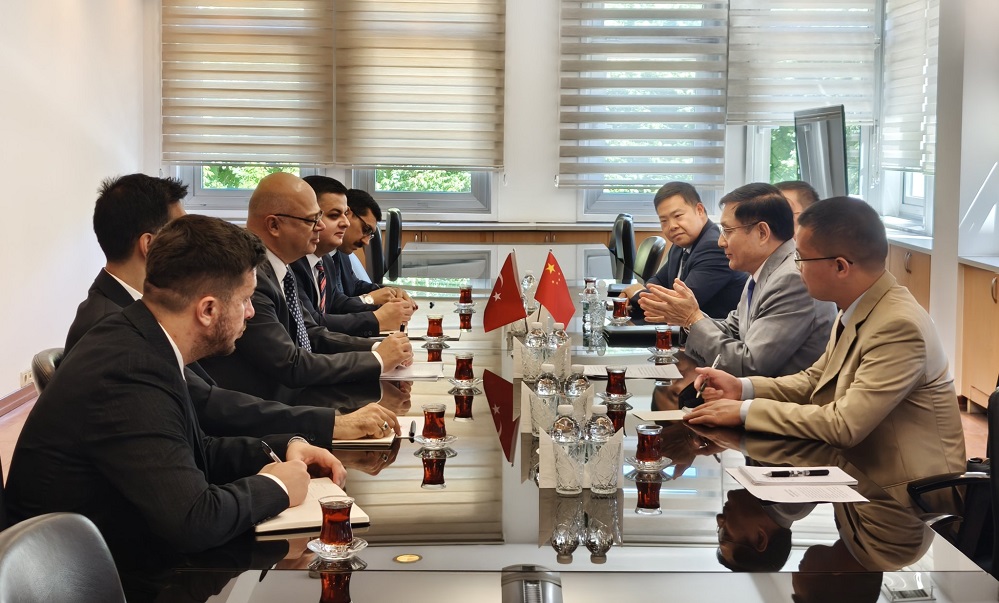
China’s Special Envoy for Afghanistan, Yue Xiaoyong, said he held talks with a senior Turkish diplomat in Ankara on Afghanistan’s peaceful reconstruction and regional security.
In a post on X, Yue said he met with Cihad Erginay, Director General for South Asia at Türkiye’s Ministry of Foreign Affairs, and described the discussions as productive.
“As always I am delighted meeting with Mr. Cihad Erginay… We had a very good discussion as to peaceful reconstruction of Afghanistan as well as regional security and stability,” Yue wrote.
The meeting comes as China and Türkiye continue diplomatic engagement on Afghanistan following the return of the Islamic Emirate to power in 2021. Both countries have repeatedly emphasized the importance of regional cooperation, economic development and stability in Afghanistan.


Trump says he will hold off on fresh Iran attack in hope of quick deal

Three killed, two injured in shooting at Idaho shopping center

Saar: Trade shifts from Pakistan to Central Asia and Iran discussed

Afghanistan currently transits internet traffic to Central Asia, says MCIT

US to make visa bond program permanent for people from dozens of countries

Pakistan’s governance system has ‘collapsed’: Mohsin Naqvi

India offers 1,000 online scholarships for Afghan students for 2026-27 academic year

Cricket world pays tribute to Afghanistan fast bowler Shapoor Zadran

Turkey spent over $120 million to prepare airport for Qatar-donated U.S. presidential aircraft

Thousands pay final respects as Afghan cricketer Shapoor Zadran buried in Kabul
Saar: Trade shifts from Pakistan to Central Asia and Iran discussed

Tawsia: Efforts to increase Ghori cement production discussed

Tahawol: Germany’s deportation of non-criminal Afghan refugees

Saar: Discussion on ongoing US-Iran tensions

Tahawol: Calls for implementation of development projects in Afghanistan
-
 Latest News2 days ago
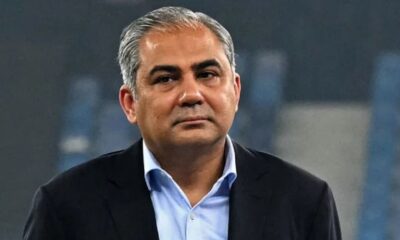
Pakistan’s governance system has ‘collapsed’: Mohsin Naqvi
-
 Sport4 days ago
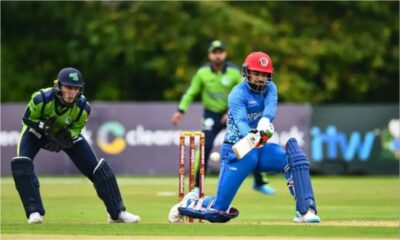
Afghanistan set for crucial five-match ODI series against Ireland
-
 Latest News5 days ago
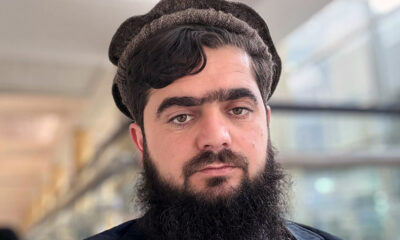
Badakhshan information chief killed in armed attack; tribal elder also slain in Nimroz
-
 Latest News5 days ago
UNAMA: 57 civilians killed in Pakistan attacks in three months
-
 Latest News4 days ago
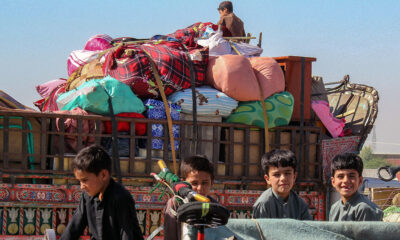
MSF urges Pakistan to halt forced returns of Afghan refugees
-
 Sport4 days ago
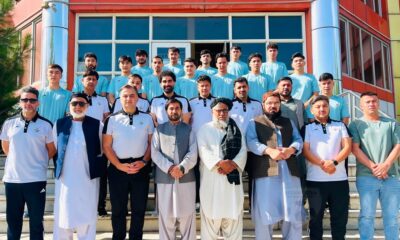
Afghanistan futsal team heads to Thailand for Continental Championship
-
 Business4 days ago
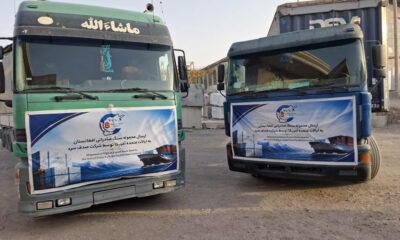
Afghanistan exports first stone shipment to US in $100,000 trade milestone
-
 Business5 days ago
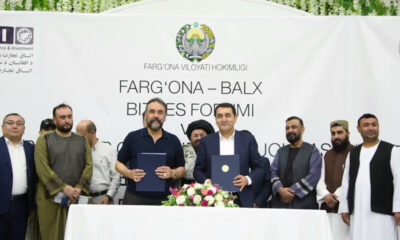
Afghanistan, Uzbekistan sign $50 million worth of trade agreements at Mazar-e-Sharif forum