
Latest News
US pays Afghans stranded in Qatar to repatriate, plan labeled ‘betrayal’
Shawn VanDiver, head of AfghanEvac, a coalition of veterans and advocacy groups, told Reuters the payments being offered were $4,500 for a main applicant and $1,200 per additional person who relocates.

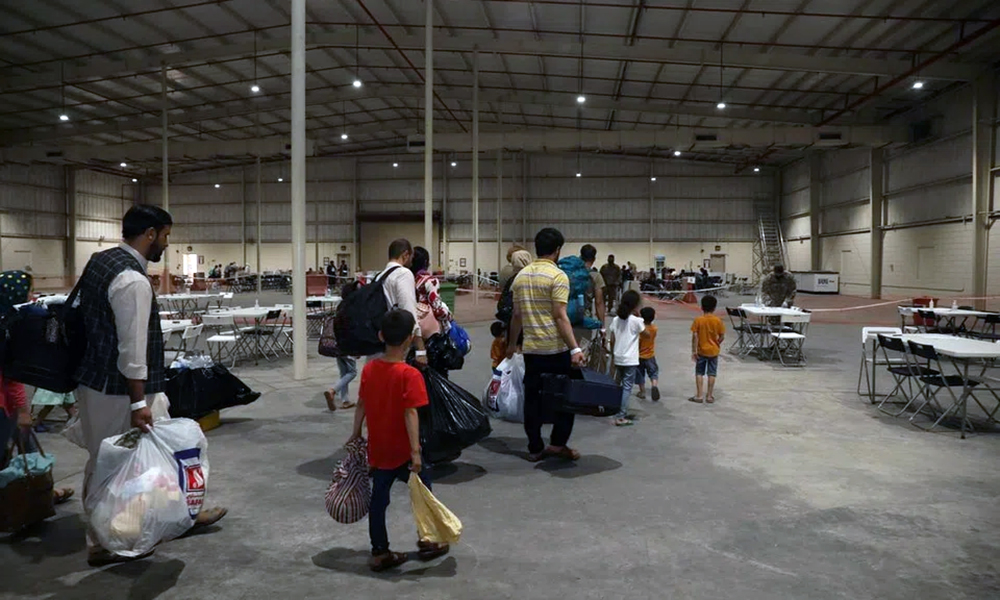
The U.S. State Department has begun paying Afghans to repatriate as it attempts to close a camp in Qatar where they have been stranded for years, Reuters quoted the top State Department official for South and Central Asia told lawmakers on Wednesday.
More than 1,100 people have been held at the former U.S. Army base Camp As Sayliyah (CAS) since at least early last year, when Republican President Donald Trump’s administration halted resettlement for Afghans who feared retribution from Islamic Emirate authorities for their links to the U.S. military.
Advocates say the group includes civilian refugees, women who served as special operators for the U.S. during its 20-year war in Afghanistan, and family members of U.S. servicemembers, all of whom would be in danger if returned to the country, read the report.
Democrats have blasted the administration’s plan to offer payment to those who agree to “self-deport” ahead of the planned closure of the facility at the end of March. Sydney Kamlager-Dove, the ranking Democrat on the House Foreign Affairs subcommittee holding the hearing on Wednesday, called it a “betrayal of our Afghan allies.”
Assistant Secretary of State S. Paul Kapur said he believed around 150 had already accepted the payments, but did not know what happened to them after they returned.
“We are not forcibly repatriating Afghans to Afghanistan. Some have gone of their own volition, but we’re not forcing anybody,” Kapur said.
“We’re looking to relocate them. We’re in negotiations with third countries to do that. Our belief is that is actually a good outcome. Keeping them indefinitely on CAS is not … reasonable.”
Kapur did not offer details of the payments and the State Department did not respond to a request for comment.
Shawn VanDiver, head of AfghanEvac, a coalition of veterans and advocacy groups, told Reuters the payments being offered were $4,500 for a main applicant and $1,200 per additional person who relocates.
VanDiver said the repatriation was not truly voluntary, saying that staff at the facility in Qatar were telling the Afghans they should accept the offer, with third-country relocation uncertain.






Latest News
MSF urges Pakistan to halt forced returns of Afghan refugees
The medical charity said refugees have reported delaying or foregoing essential treatment because they fear documentation checks at healthcare facilities, leading to preventable health complications,

Médecins Sans Frontières (MSF), also known as Doctors Without Borders, has called on Pakistan to immediately halt the forced return of Afghan refugees and introduce humanitarian exemptions for those in need of international protection, warning that ongoing deportations are worsening an already fragile humanitarian situation.
In a statement released on Tuesday, MSF said Pakistan’s Illegal Foreigners Repatriation Plan (IFRP) has significantly restricted Afghan refugees’ access to healthcare, with many avoiding hospitals and clinics due to fears of arrest and deportation.
The medical charity said refugees have reported delaying or foregoing essential treatment because they fear documentation checks at healthcare facilities, leading to preventable health complications,
including severe child malnutrition and pregnancy-related emergencies.
MSF cited the case of an Afghan refugee identified as Najib, who said he was arrested during a police raid despite carrying a valid Proof of Registration (PoR) card. According to the organization, the incident caused severe emotional distress for his pregnant wife, who later suffered a miscarriage after delaying medical treatment because the family feared further arrests.
The organization also warned that the deportation campaign has disrupted refugees’ livelihoods, leaving many families without income while living under constant uncertainty and the threat of removal.
MSF said its mobile clinics in Quetta, Balochistan, recorded alarming levels of acute malnutrition among Afghan refugee children earlier this year. Of the children screened, 33.3 percent were found to be suffering from global acute malnutrition, including 7.6 percent with severe acute malnutrition and 25.7 percent with moderate acute malnutrition.
Nearly 90 percent of the malnourished patients treated were Afghan refugees, the majority of them women and children.
Pakistan launched the IFRP in November 2023, initially targeting undocumented Afghan nationals before expanding the policy to include holders of Afghan Citizen Cards (ACC) and Proof of Registration (PoR) cards. On July 10, authorities ordered the immediate arrest and accelerated deportation of Afghan nationals without valid visas.
Quoting figures from the UN Refugee Agency (UNHCR), MSF said more than 2.5 million Afghans have returned from Pakistan under the repatriation plan, many of them involuntarily.
The organization added that the United Nations has identified more than 70,000 Afghan refugees who could face serious risks if returned to Afghanistan.
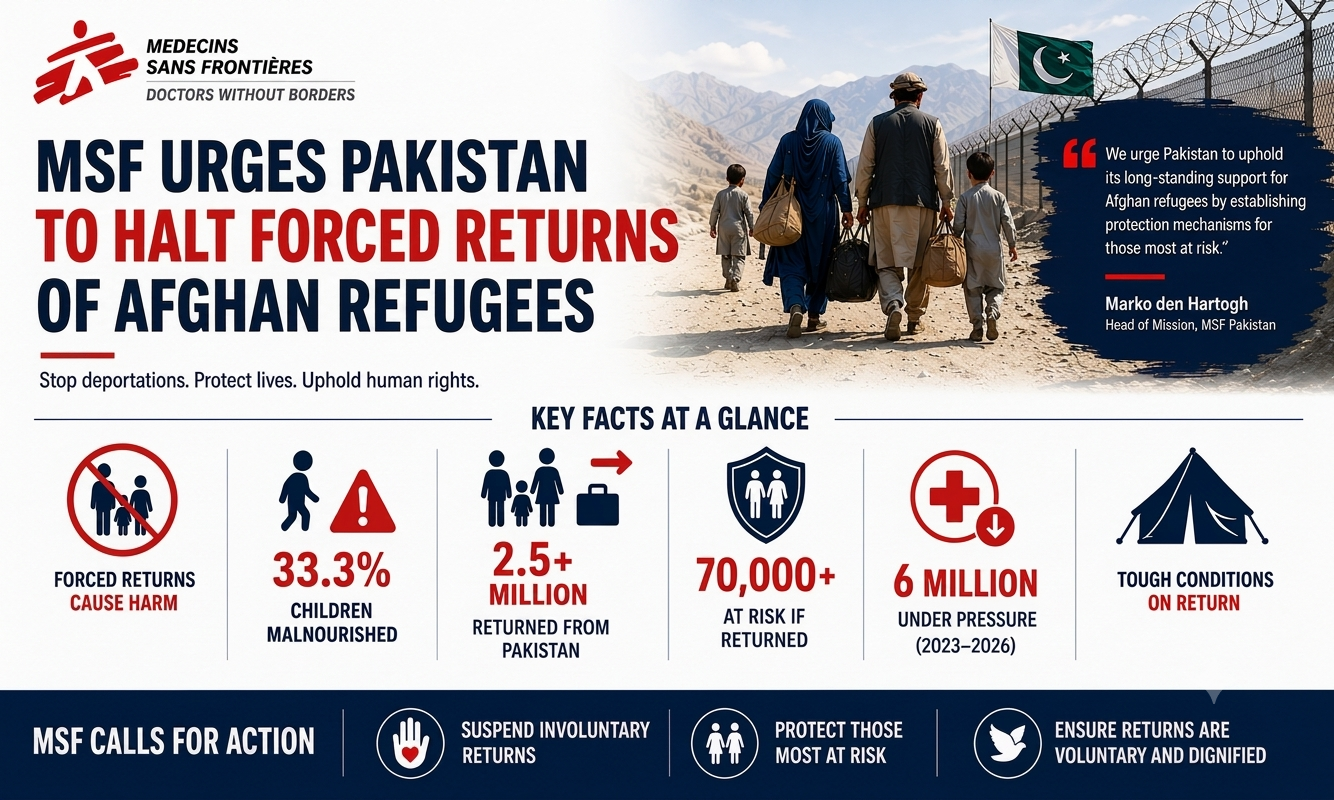
MSF warned that Afghanistan’s healthcare system is struggling to cope with the return of an estimated six million Afghans from Pakistan and Iran between 2023 and 2026. Reduced international aid, economic hardship and limited healthcare services are placing additional strain on returnees and host communities, it said.
Assessments conducted by MSF in informal returnee settlements in Kandahar found inadequate access to healthcare, poor shelter conditions, widespread undernutrition and insufficient sanitation, increasing the risk of disease outbreaks.
Marko den Hartogh, MSF’s Head of Mission in Pakistan, urged Islamabad to uphold its long-standing support for Afghan refugees by establishing formal protection mechanisms for those most at risk.
“This must include women and girls, children, the elderly, people with disabilities, those needing urgent or long-term medical care, refugees awaiting resettlement, and others at heightened risk of marginalization, discrimination, or persecution,” he said.
MSF also called on all countries hosting Afghan refugees to suspend involuntary returns and ensure that any repatriation is voluntary, safe, dignified and carried out in accordance with international humanitarian obligations.
Latest News
Germany deports first Afghan without criminal record since 2021, Reuters reports
Germany resumed deportations to Afghanistan in 2024 despite continued debate over the safety of returnees following the political changes in the country in 2021.
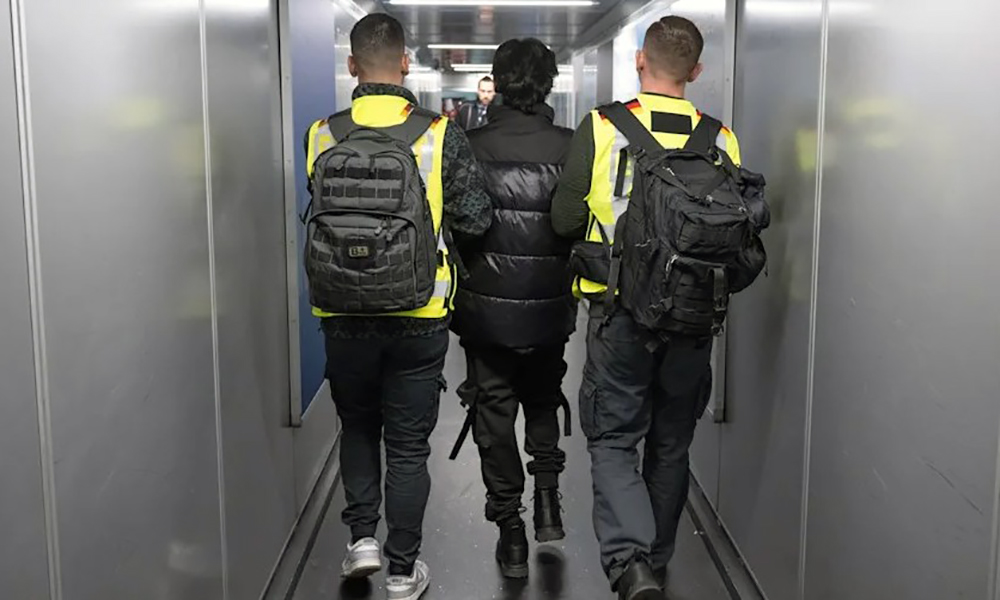
Germany has deported an Afghan national without a criminal record for the first time since the Islamic Emirate returned to power in Afghanistan in 2021, Reuters reported, citing German Interior Minister Alexander Dobrindt.
According to Dobrindt, the man became eligible for deportation after exhausting all legal avenues in his asylum case. He had previously attempted to settle in another European country but was found to be residing there illegally. After being transferred back to Germany under European migration procedures, he was deported to Afghanistan.
Reuters reported that the individual was among 31 Afghan men returned to Afghanistan on a deportation flight on Tuesday. The remaining 30 deportees had been convicted of criminal offenses, according to German authorities.
Germany resumed deportations to Afghanistan in 2024 despite continued debate over the safety of returnees following the political changes in the country in 2021.
Human rights organizations have repeatedly raised concerns over the policy. Reuters, citing Amnesty International, reported that Germany has deported more than 200 Afghans since the deportation program resumed in 2024, and that at least one deportee was later killed after returning to Afghanistan.
The deportations continue to draw criticism from rights groups, which have urged European governments to consider the humanitarian and human rights implications of returning asylum seekers to Afghanistan.


Saar: Deporting Afghan refugees from Germany discussed

US airstrike reported near Iran-Iraq border; no casualties reported

Afghanistan exports first stone shipment to US in $100,000 trade milestone

Afghanistan futsal team heads to Thailand for Continental Championship

Afghanistan set for crucial five-match ODI series against Ireland

India offers 1,000 online scholarships for Afghan students for 2026-27 academic year

Cricket world pays tribute to Afghanistan fast bowler Shapoor Zadran

Turkey spent over $120 million to prepare airport for Qatar-donated U.S. presidential aircraft

Thousands pay final respects as Afghan cricketer Shapoor Zadran buried in Kabul

Afghanistan U-15 team qualifies for FIFA U-15 World Cup
Saar: Deporting Afghan refugees from Germany discussed

Tahawol: Iran–US relations amid recent developments

Saar: Attack in Pakistan-controlled Chitral

Tahawol: Afghanistan–Uzbekistan Economic Cooperation Enters New Phase

Saar: Growing Criticism in Pakistan Over Islamabad’s Afghanistan Policy
-

 Latest News3 days ago
Badakhshan Governor, Army Chief reaffirm commitment to Afghanistan’s security
-
 Latest News4 days ago
U.S. government plan to interview Afghan refugees raises deportation concerns
-
 Latest News4 days ago
Afghanistan, Turkey discuss expanding agricultural cooperation
-

 Regional3 days ago
US pauses strikes on Iran as diplomatic efforts gather pace amid regional tensions
-
 Business2 days ago
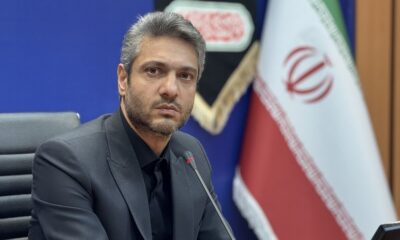
Iran seeks to establish free trade zone with Afghanistan and China
-

 Latest News4 days ago
Uzbekistan delegation arrives in Kabul to attend trade forum
-

 World4 days ago
Trump says Israeli PM Netanyahu will visit US next week
-

 Tahawol4 days ago
Tahawol: New developments ahead in the Middle East discussed