
Latest News
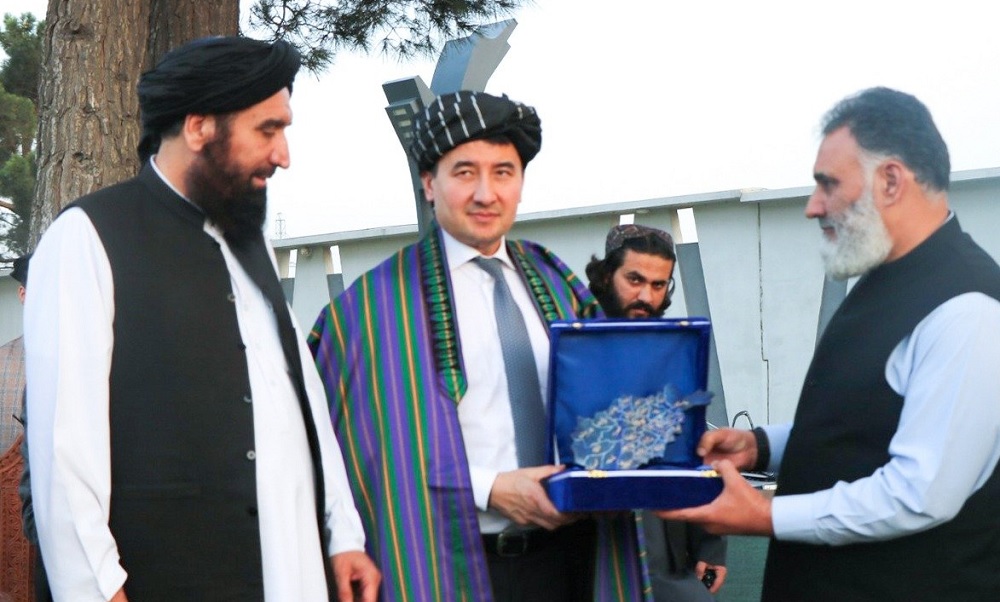
Uzbekistan issues 5,000 visas to Afghan citizens this year






Latest News
Badakhshan information chief killed in armed attack; tribal elder also slain in Nimroz
One of the attackers was shot dead by Amiri’s security guards during the incident,
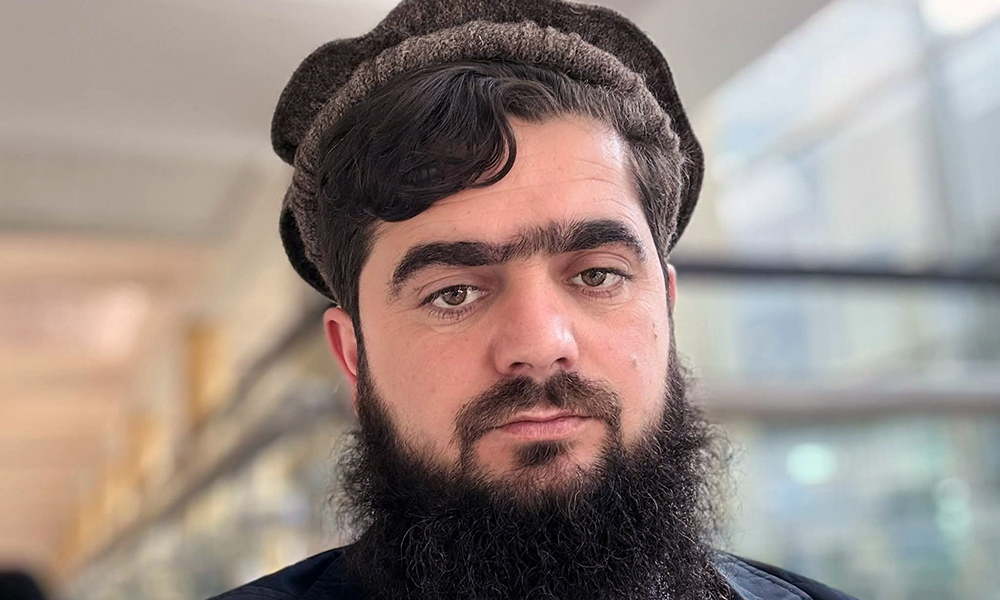
The head of the Information and Culture Department in Afghanistan’s northeastern Badakhshan province was killed on Tuesday after being attacked by armed men riding motorcycles, local officials said.
Ehsanullah Kamgar, spokesman for the Badakhshan Police Command, said Zabihullah Amiri, the provincial director of Information and Culture, came under attack while traveling on the Faizabad–Baharak road on Tuesday morning.
Kamgar confirmed that Amiri was killed in the attack.
He added that one of the attackers was shot dead by Amiri’s security guards during the incident, while security forces are continuing efforts to identify and apprehend the remaining suspects.
The motive behind the attack has not yet been disclosed.
The killing came a day after another deadly attack in western Afghanistan.
According to the Nimroz Police Command, unidentified gunmen opened fire on Haji Abdul Khaliq Noorzai, a prominent tribal elder, on Monday in Zaranj, the provincial capital.
Police spokesman Gul Mohammad Qudrat said Noorzai and his nephew were killed in the attack, while two other people sustained injuries.
Authorities said the motive for the shooting remains unknown. Security forces have launched an investigation and are working to identify and arrest those responsible.
Officials said further details will be released after the investigation is completed.
Latest News
UK appoints Stephen Doughty as Minister responsible for Afghanistan and Pakistan
Doughty, who assumed the role on July 21, announced on X that his portfolio includes responsibility for Afghanistan and Pakistan, the Middle East and North Africa, sanctions, and consular affairs.
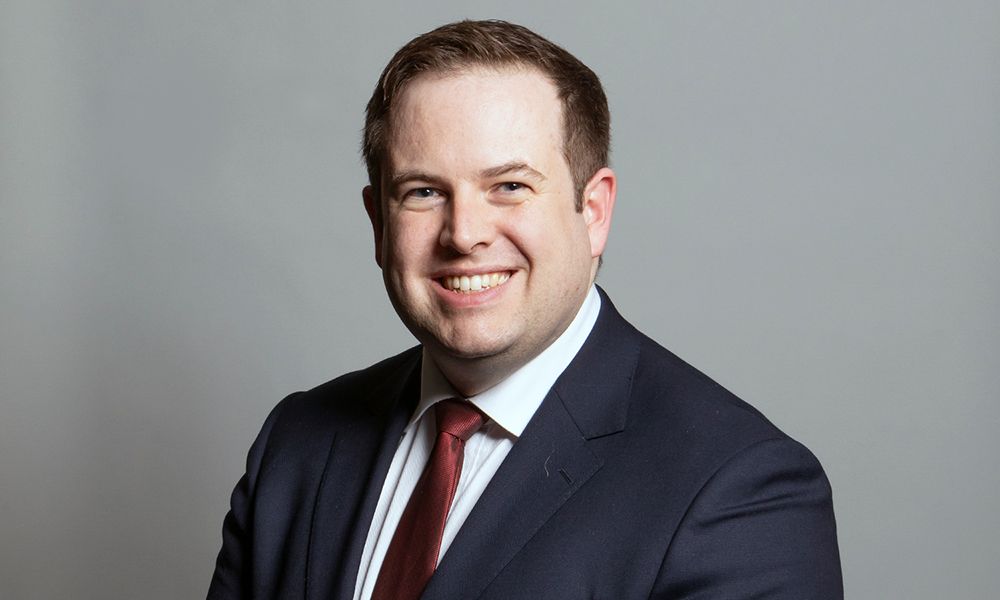
The United Kingdom has appointed Stephen Doughty as Minister of State responsible for Afghanistan and Pakistan, as well as the Middle East and North Africa.
Doughty, who assumed the role on July 21, announced on X that his portfolio includes responsibility for Afghanistan and Pakistan, the Middle East and North Africa, sanctions, and consular affairs.
He also said he will oversee support for British citizens overseas and work with local governments, mayors, and councils across the United Kingdom as part of his ministerial responsibilities.
Latest News
Islamic Emirate launches media initiative, says Badakhshan security situation under control
Mujahid said security incidents occur in many countries and should not be viewed as unusual.
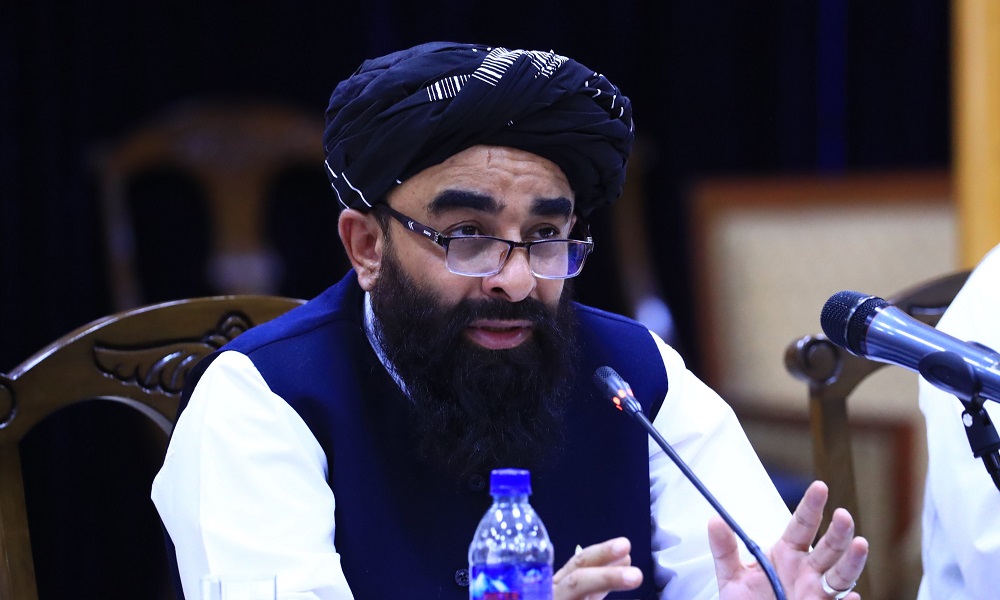
The Islamic Emirate of Afghanistan (IEA) has launched a new media engagement initiative aimed at improving coordination between government institutions and the press, while maintaining that recent security incidents in Badakhshan province have been overstated.
Speaking at the inauguration of the “Government in the Mirror of the Press” program at the Government Media and Information Center (GMIC), IEA spokesman Zabihullah Mujahid said clashes between security forces and armed opposition groups in Badakhshan had been exaggerated and that the situation remains under control.
Mujahid said security incidents occur in many countries and should not be viewed as unusual. He added that Afghan security forces remain determined to respond to any armed activity and said the public also supports the country’s current system.
The new initiative is intended to strengthen cooperation between government institutions and media organizations, promote official activities and evaluate media coverage of state bodies.
Minister of Information and Culture Sher Ahmad Haqqani also stressed the importance of cooperation between the government and the media to ensure the public receives accurate information.
Referring to the recent incidents in Badakhshan, Haqqani said many reports circulating about the clashes were based on rumors and did not accurately reflect the situation.
Other officials attending the launch described the media as an important bridge between the government and the public and reiterated the Islamic Emirate’s commitment to supporting media organizations.
The event comes as journalists and media representatives continue to call for greater and more timely access to official information from government institutions.


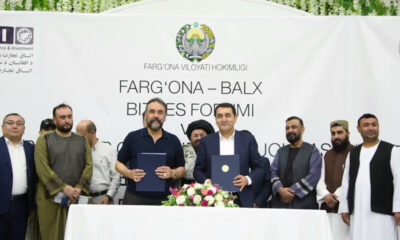
Afghanistan, Uzbekistan sign $50 million worth of trade agreements at Mazar-e-Sharif forum

Badakhshan information chief killed in armed attack; tribal elder also slain in Nimroz

UK appoints Stephen Doughty as Minister responsible for Afghanistan and Pakistan

New poll shows weak U.S. support for Iran conflict

Tahawol: Afghanistan–Uzbekistan Economic Cooperation Enters New Phase

India offers 1,000 online scholarships for Afghan students for 2026-27 academic year

Afghanistan eyes direct Basmati rice imports from India amid tensions with Pakistan

Cricket world pays tribute to Afghanistan fast bowler Shapoor Zadran

Turkey spent over $120 million to prepare airport for Qatar-donated U.S. presidential aircraft

Thousands pay final respects as Afghan cricketer Shapoor Zadran buried in Kabul
Tahawol: Afghanistan–Uzbekistan Economic Cooperation Enters New Phase

Saar: Growing Criticism in Pakistan Over Islamabad’s Afghanistan Policy

Tahawol: Trump halting major Iran escalation

Saar: Afghanistan-Uzbekistan economic ties

Tahawol: New developments ahead in the Middle East discussed
-
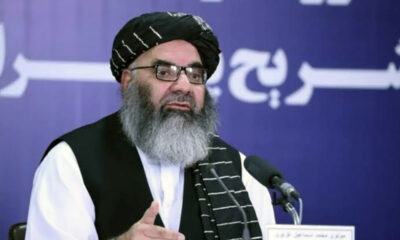
 Latest News2 days ago
Badakhshan Governor, Army Chief reaffirm commitment to Afghanistan’s security
-
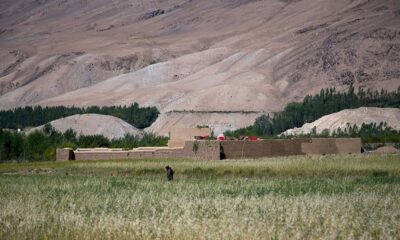
 Latest News4 days ago
Five armed men killed while attempting to cross Durand Line into Badakhshan
-
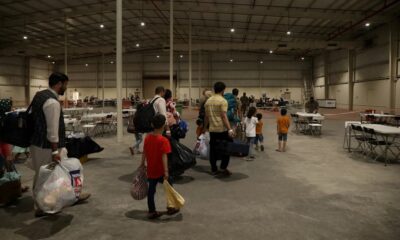
 Latest News3 days ago
U.S. government plan to interview Afghan refugees raises deportation concerns
-
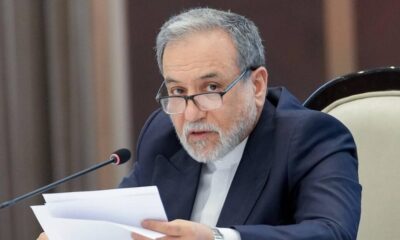
 Latest News4 days ago
Iran reiterates call for inclusive government in Afghanistan
-
 Latest News3 days ago
Afghanistan, Turkey discuss expanding agricultural cooperation
-
 Business4 days ago
Over 205,000 Afghans visit Uzbekistan for trade and business in six months
-
 Regional2 days ago
US pauses strikes on Iran as diplomatic efforts gather pace amid regional tensions
-
 Latest News5 days ago
Trump once again criticizes US withdrawal from Afghanistan, raises issue of military equipment