
Latest News
30,000-year-old baby mammoth found almost perfectly preserved in Canada

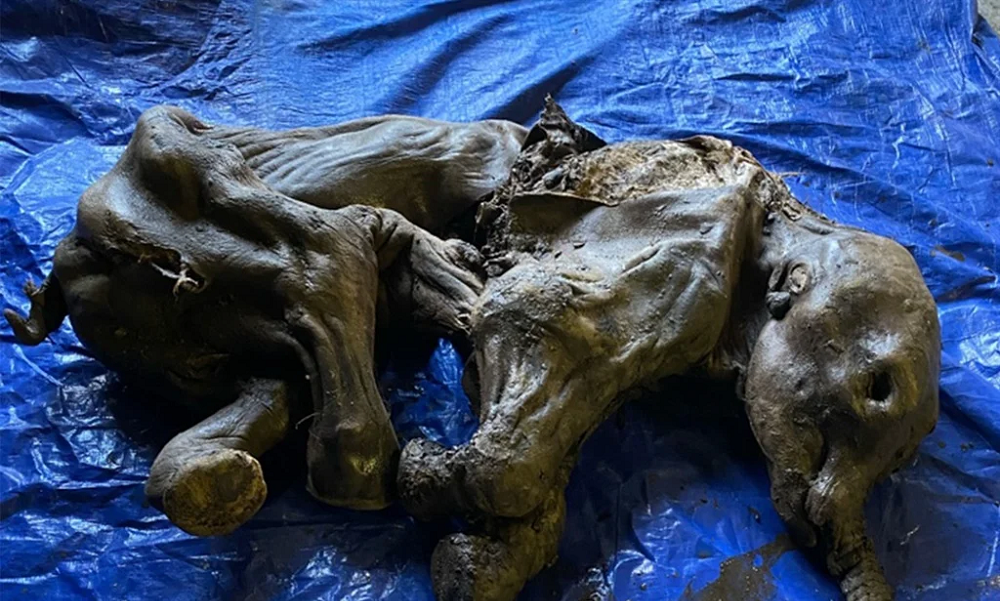
A gold miner found a mummified baby wooly mammoth that was almost perfectly preserved in the Trʼondëk Hwëchʼin Traditional Territory in Yukon, Canada.
According to a press release from the local government, the female baby mammoth has been named Nun cho ga by the First Nation Tr’ondëk Hwëch’in elders, which translates to “big baby animal” in the Hän language.
Nun cho ga is the most complete mummified mammoth discovered in North America, Science Alert reported.
Nun cho ga died and was frozen in permafrost during the ice age, over 30,000 years ago, said the press release. She would have roamed the Yukon alongside wild horses, cave lions, and giant steppe bison.
The frozen mammoth was recovered by geologists after a young miner in the Klondike gold fields found the remains while digging up dirt.
Dr. Grant Zazula, the Yukon government’s paleontologist, said the miner had made the “most important discovery in paleontology in North America,” reported The Weather Channel.
The baby mammoth was probably with her mother when it ventured off a little too far and got stuck in the mud, Zazula told The Weather Channel.
Professor Dan Shugar, from the University of Calgary, part of the team who excavated the wooly mammoth, said that this discovery was the “most exciting scientific thing I have ever been part of.”
He described how immaculately the mammoth had been preserved, saying that it still had intact toenails, hide, hair, trunk, and even intestines, with its last meal of grass still present.
According to the press release, Yukon is renowned for its store of ice age fossils, but rarely are such immaculate and well-preserved finds discovered. Zazula wrote in the press release that “as an ice age paleontologist, it has been one of my lifelong dreams to come face to face with a real wooly mammoth.”
“That dream came true today. Nun cho ga is beautiful and one of the most incredible mummified ice age animals ever discovered in the world.”
The wooly mammoth, about the size of the African elephant, roamed the earth until about 4,000 years ago. Early humans hunted them for food and used mammoth bones and tusks for art, tools, and dwellings. Scientists are divided as to whether hunting or climate change drove them into extinction.

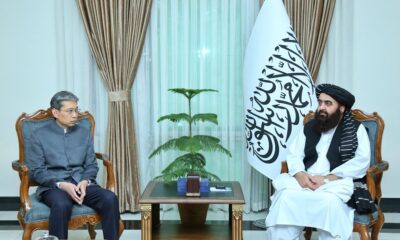




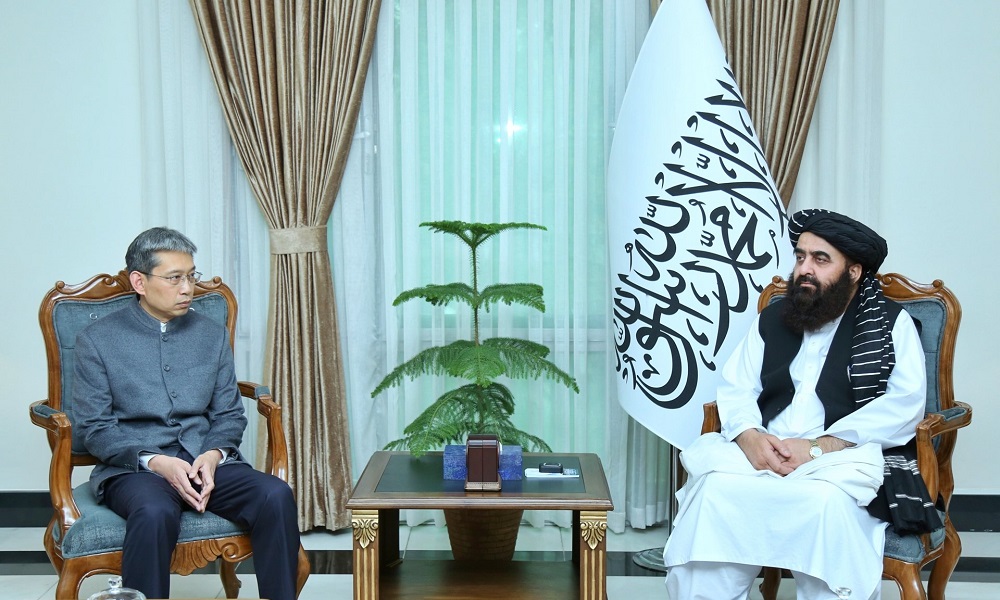
Zhao Xing, China’s ambassador to Kabul, told Amir Khan Muttaqi, Afghanistan’s foreign minister, that his country is working to create an atmosphere of trust between Afghanistan and Pakistan and has initiated talks with neutrality and cooperation.
According to a statement from the Ministry of Foreign Affairs of the Islamic Emirate, the meeting focused on bilateral cooperation, regional developments, and the ongoing dialogue process between Afghanistan and Pakistan, which took place in the city of Urumqi, China.
During the meeting, Zhao added that he hopes, given an understanding of the regional geopolitical situation, that the process of confidence-building, goodwill, and tension-free relations between Afghanistan and Pakistan will continue.
Muttaqi, while positively assessing the bilateral relations and existing cooperation between the two countries, expressed gratitude to his Chinese counterpart and their team for facilitating and hosting the Urumqi talks, as well as to Saudi Arabia, Turkey, Qatar, and the United Arab Emirates for their mediating efforts.
Muttaqi stated that so far there have been good discussions between Kabul and Islamabad and expressed hope that minor differences in interpretation do not hinder the progress of the negotiations.
The foreign minister emphasized that the Islamic Emirate of Afghanistan’s stance regarding tensions has been defensive, considering the protection of its territory a legitimate right, and remains committed to continued understanding and dialogue based on mutual respect and comprehension.
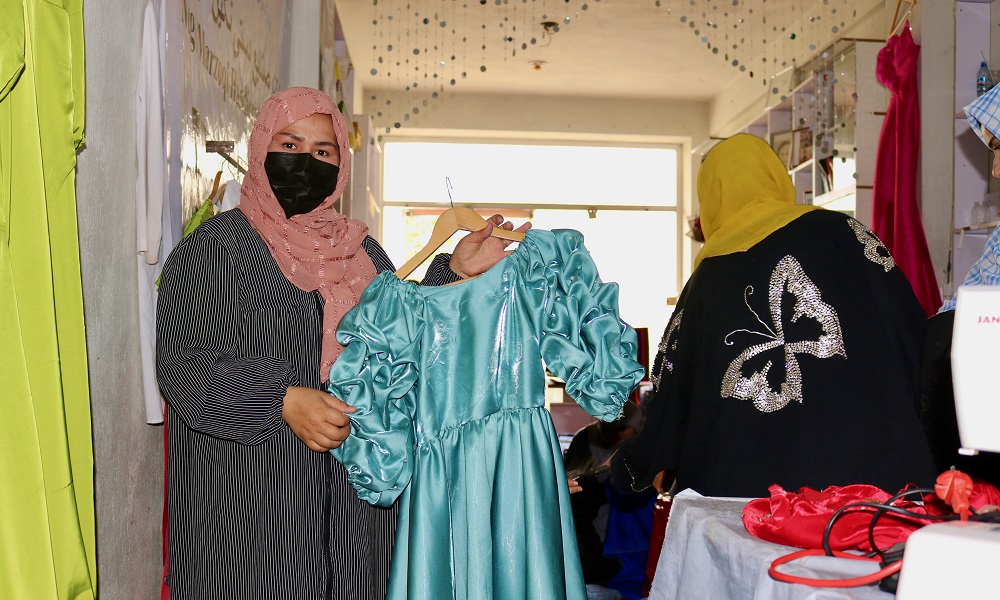
The Government of Japan, in partnership with the United Nations Development Programme, has launched a new $2.35 million initiative aimed at supporting vulnerable communities in Afghanistan facing economic hardship, climate shocks, and the aftermath of the country’s collapsing poppy economy.
The project, titled “Resilient Income Solutions Empowering Alternative Livelihoods (RISE)”, will run from March 2026 to March 2027 and target some of the country’s most affected regions, including Balkh Province and Nimroz province.
Funded by the Japan, the initiative seeks to help vulnerable Afghans, particularly women and women-led households, transition to sustainable sources of income.
The program will invest in productive infrastructure such as irrigation systems, water management facilities, and market-supporting assets, while also strengthening local value chains and supporting women-led businesses.
The project comes at a critical time, as Afghanistan faces overlapping challenges, including food insecurity, large-scale returnee movements, and limited economic opportunities. By promoting alternative livelihoods, the initiative aims to reduce reliance on illicit economies and help stabilize high-risk communities.
Japanese Ambassador to Afghanistan, Kenichi Masamoto, reaffirmed Japan’s commitment to the country’s recovery. “This project will build upon our previous support to continue providing much-needed sustainable livelihood opportunities, especially for women and vulnerable communities,” he said.
Meanwhile, Stephen Rodriques, Resident Representative of UNDP in Afghanistan, highlighted the urgency of such efforts. He described the initiative as part of a long-standing partnership between Japan and UNDP, adding that it “offers hope to vulnerable communities most affected by ongoing economic, social, and environmental crises.”
In addition to infrastructure and economic support, the RISE project will promote social cohesion by bringing together host communities and returnees through shared economic activities.
The initiative builds on UNDP’s earlier programs under the Area-Based Approach to Development Emergency Initiatives (ABADEI) and aligns with broader UN strategies for Afghanistan, with a focus on inclusive recovery and long-term stability.
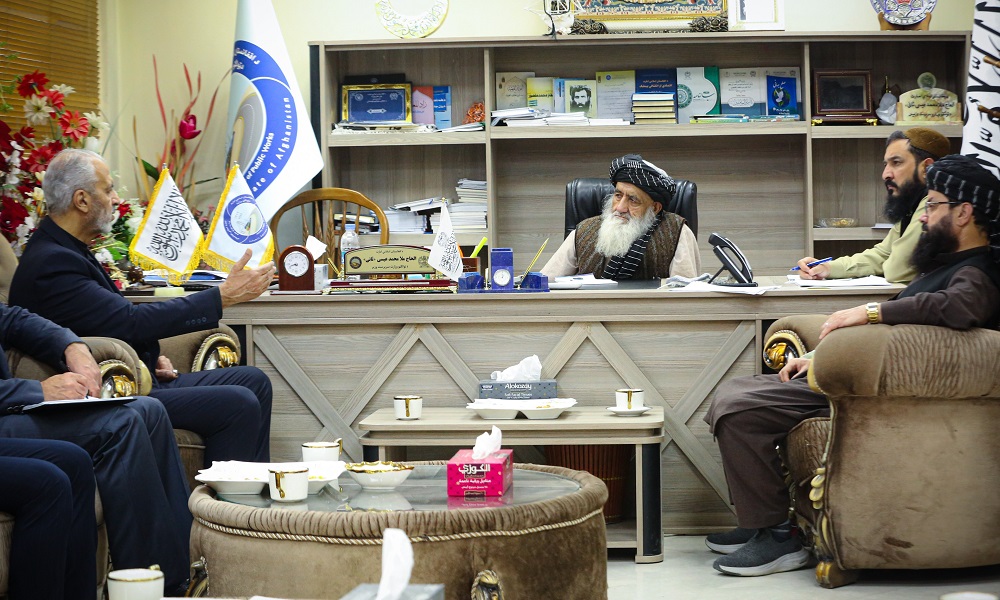
Mullah Mohammad Isa Sani, the Islamic Emirate’s Minister of Public Works, met Tuesday with Alireza Bikdeli, Iran’s ambassador in Kabul, to discuss the expansion of economic and trade relations between Afghanistan and Iran.
The talks also covered railway construction projects, increasing transport along the Khaf–Herat railway, and the comprehensive development of trade transit facilities between the two countries.
Mohammad Ashraf Haqshenas, spokesperson for the Ministry of Public Works, said that during the meeting both sides emphasized joint cooperation between Afghanistan and Iran and discussed projects related to the repair, reconstruction, and modernization of railways, roads, and bridges.
According to Haqshenas, the meeting also stressed further strengthening economic ties between Afghanistan and Iran, increasing trade exchanges, and continuing close and sustainable cooperation in infrastructure projects.


Tahawol: Ongoing negotiations between Kabul-Islamabad discussed

Saar: Afghanistan in spotlight of SCO discussed

China seeking to build trust between Afghanistan and Pakistan

Trump says ‘a whole civilisation will die tonight’; Qatar fears regional escalation

Afghanistan U-17s draw 0-0 against Turkmenistan in CAFA campaign

IEA Supreme Leader issues Eid-ul-Fitr message urging unity and support for Islamic system

14 Pakistani soldiers killed after military post falls along Durand line: MoD

Afghan airstrikes target Pakistani military sites in retaliation for air attacks

IEA supreme leader orders replacement of foreign terminology in official documents

Turkmenistan, Afghanistan discuss steps to speed up land acquisition for TAPI pipeline
Tahawol: Ongoing negotiations between Kabul-Islamabad discussed
Saar: Afghanistan in spotlight of SCO discussed

Tahawol: Continuation of Middle East crisis discussed

Saar: Ongoing Kabul-Islamabad talks in China discussed

Tawsia: This week’s key economic developments in Afghanistan discussed
-
 Latest News2 days ago
IEA supreme leader orders replacement of foreign terminology in official documents
-
 Latest News2 days ago
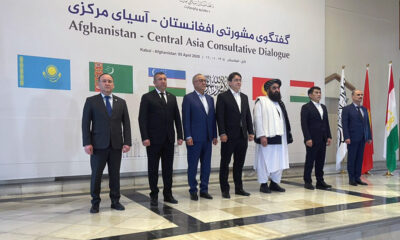
Afghanistan hosts inaugural Afghanistan–Central Asia Consultative Dialogue to strengthen regional cooperation
-
 Business4 days ago
Tripartite agreement to launch new Russia–Turkmenistan–Afghanistan transit corridor
-
 Latest News5 days ago
China says Afghanistan–Pakistan peace talks show progress
-

 Business4 days ago
Kazakhstan eyes rare metals mining projects in Afghanistan and Rwanda
-
 Regional4 days ago
Iran claims it shot down US F-35 jet
-
 Regional5 days ago
Kuwait’s Mina al-Ahmadi oil refinery hit by drones, fires break out
-

 World5 days ago
US Army chief of staff fired by Hegseth, sources say