
Latest News
Afghan-Pakistan crossing closure leaves students and families stranded
The closure has also affected Afghan students studying in Pakistan, creating additional challenges.

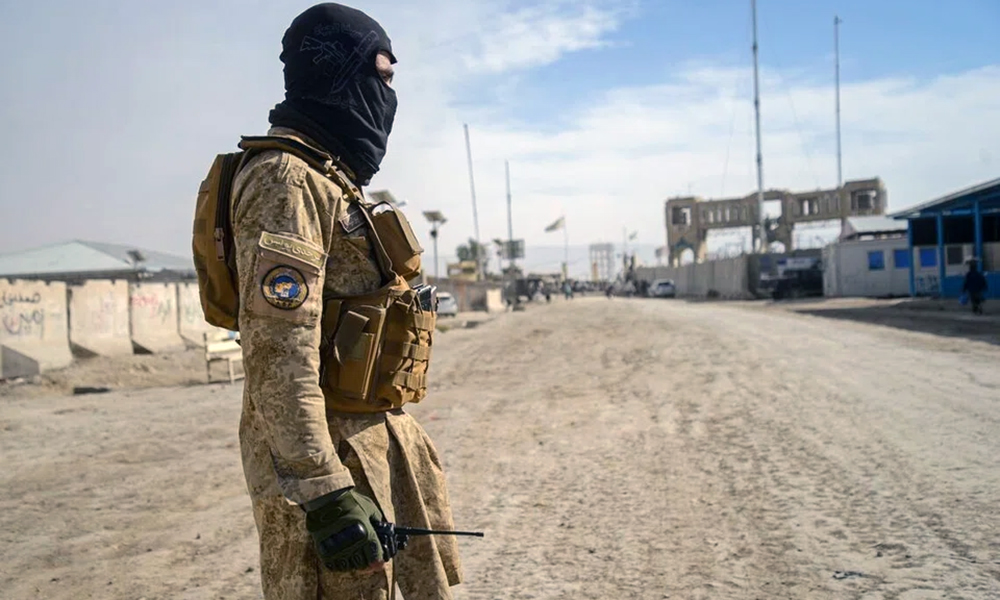
A report by AFP highlights the difficult situation faced by Pakistani and Afghan students and families in Afghanistan due to the continued closure of land crossings between the two countries.
More than three months have passed since the crossings was closed, leaving students, merchants, and families unable to return home. Shah Faisal, 25, a Pakistani medical student at an Afghan university, said, “We miss our families.” The crossings have been closed since October 12, and alternatives such as flights are prohibitively expensive, while smuggling routes are too risky.
A student representative stated that in Nangarhar province alone, around 500 to 600 Pakistani students are seeking ways to return home. Shah Fahad Amjad, a 22-year-old medical student in Jalalabad, called on both countries to reopen the crossings to allow students to visit their families.
The closure has also affected Afghan students studying in Pakistan, creating additional challenges.
Pakistan’s Ministry of Foreign Affairs reported that by January 1, nearly 1,200 people, including 549 students, had sought assistance at the Pakistani embassy in Kabul, but only just over 300 had managed to fly back by the end of December.
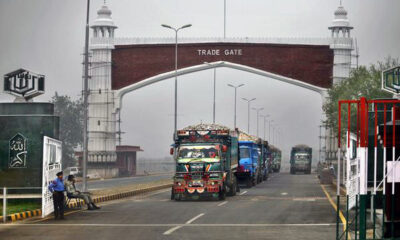
The Spin Boldak crossing, which leads into Pakistan, remains blocked. Drivers and merchants, including 39-year-old Khan Muhammad, have been unable to work or return to their homes for months. He said, “Our livelihoods depend entirely on this gate, and everyone is waiting for it to reopen.”

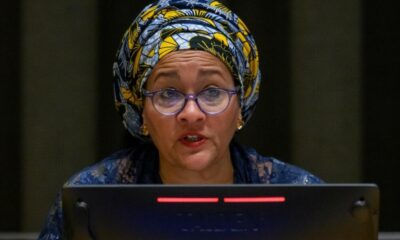



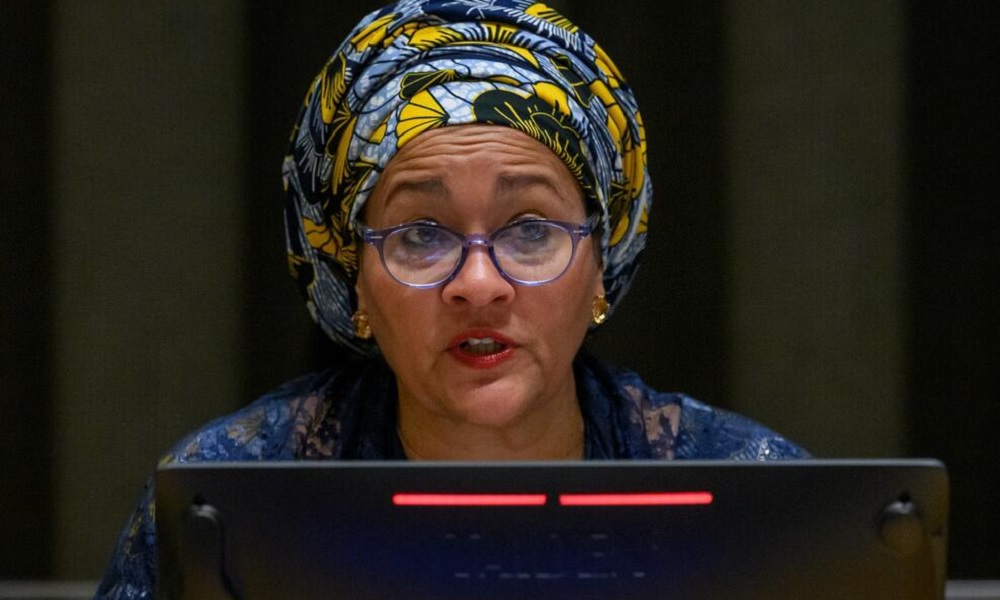
Deputy Secretary-General of the United Nations, Amina Mohammed, has voiced concern over the situation of women in Afghanistan, calling on the international community not to turn a blind eye to ongoing violations of their rights.
Amina said in a post on X on Sunday that millions of Afghan women and girls continue to face severe restrictions on their basic rights, including access to education, employment, security and freedom of movement.
“The world must not turn a blind eye to these violations,” she wrote, stressing that women’s rights are human rights everywhere.
Since returning to power in 2021, the Islamic Emirate has suspended education for girls beyond the sixth grade and imposed wide-ranging restrictions on women’s participation in the workforce and public life.
Officials of the Islamic Emirate maintain that their policies regarding women are based on Sharia law and have repeatedly described the issue as an internal matter of Afghanistan.
Latest News
China, Pakistan urge action against terror groups in Afghanistan
The statement comes amid repeated denials by Afghanistan’s Islamic Emirate, which has insisted that no terrorist groups are operating in the country and that Afghan territory will not be used to threaten or attack other nations.
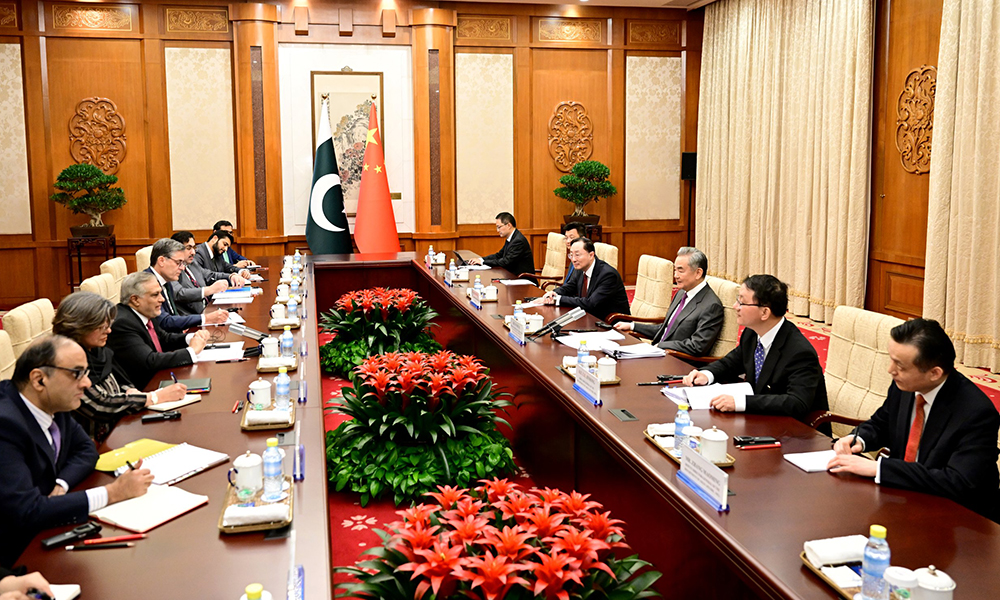
China and Pakistan have called for concrete measures to dismantle what they described as terrorist organizations operating from Afghan territory, warning that such groups pose a serious threat to regional and global security.
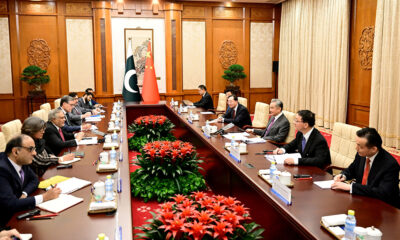
The call came in a joint statement issued at the conclusion of the seventh round of China-Pakistan strategic talks, co-chaired by Chinese Foreign Minister Wang Yi and Pakistani Foreign Minister Mohammad Ishaq Dar. The two sides stressed the need to prevent Afghan-based militant groups from using Afghanistan as a staging ground for attacks against other countries.
Beijing and Islamabad also underscored the importance of maintaining close coordination on Afghan-related issues and working with the international community to encourage the Afghan authorities to form an inclusive political system, pursue moderate policies, prioritize economic development, uphold good neighborly relations, and contribute constructively to Afghanistan’s sustainable development and integration into the global community.
The ministers reaffirmed their willingness to continue trilateral engagement under the China-Afghanistan-Pakistan framework to address shared concerns.
The statement comes amid repeated denials by Afghanistan’s Islamic Emirate, which has insisted that no terrorist groups are operating in the country and that Afghan territory will not be used to threaten or attack other nations.
Latest News
Rubio says US will not govern Venezuela, rejects comparisons to Iraq and Afghanistan
Rubio dismissed those comparisons, saying the situation in Venezuela is fundamentally different. “This is not the Middle East,” he said. “This is the Western Hemisphere, and our mission here is very different.”
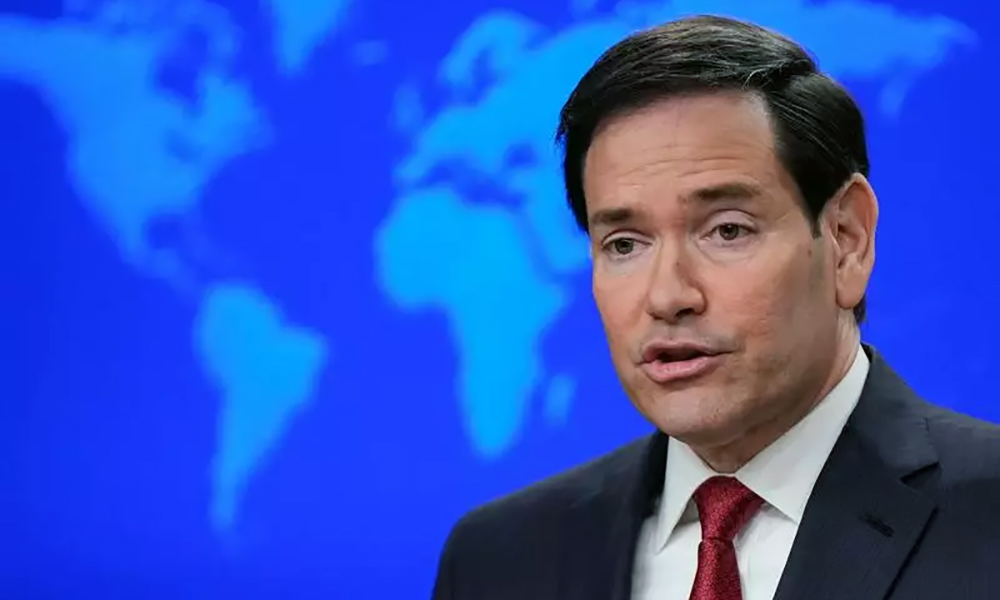
US Secretary of State Marco Rubio said Washington does not plan to govern Venezuela or engage in long-term nation-building, seeking to calm concerns that recent US actions could lead to a prolonged foreign intervention similar to those in Iraq or Afghanistan.
Speaking on US television on Sunday, Rubio said the United States’ role would be limited primarily to enforcing an existing “oil quarantine” on Venezuela following the removal of longtime leader Nicolás Maduro. His remarks came a day after President Donald Trump said the United States would be “running” Venezuela, comments that prompted widespread debate at home and abroad.
Rubio said the president’s comments had been misinterpreted and stressed that Washington does not intend to administer the country or manage its daily affairs. Instead, he said, the US would continue applying economic and political pressure to influence policy changes in Caracas.
On CBS’s Face the Nation, Rubio said the oil quarantine—implemented before Maduro’s removal—would remain in place. “We continue with that quarantine, and we expect to see changes, not just in the way the oil industry is run for the benefit of the people, but also to stop drug trafficking,” he said.
Rubio added that the US would maintain its blockade of sanctioned oil tankers, some of which have been seized, describing the measures as “tremendous leverage.” He said the pressure would remain until Washington sees changes it believes serve US interests and improve conditions for Venezuelans.
Venezuelan officials have rejected the US position and called for Maduro’s release. Legal experts have also questioned the legality of some US actions, including military strikes on vessels accused of drug trafficking, warning they could push the boundaries of international law.
Trump’s repeated references to “running” Venezuela have drawn criticism from Democrats and unease among some Republicans, particularly supporters of the “America First” movement who oppose overseas interventions. Analysts have also drawn comparisons to past US involvement in Iraq and Afghanistan.
Rubio dismissed those comparisons, saying the situation in Venezuela is fundamentally different. “This is not the Middle East,” he said. “This is the Western Hemisphere, and our mission here is very different.”
The situation continues to attract international scrutiny as the United States seeks to maintain pressure on Venezuela while assuring allies and domestic audiences that it does not intend to embark on another long-term foreign intervention.


Deputy U.N. chief: World must not ignore violations of women’s rights in Afghanistan

Desert Vipers win maiden ILT20 title after beating MI Emirates in final

Afghanistan’s trade volume nears billion in 2025: Commerce Ministry

China, Pakistan urge action against terror groups in Afghanistan

Rubio says US will not govern Venezuela, rejects comparisons to Iraq and Afghanistan

Afghanistan exports 10 containers of batteries to Saudi Arabia and UAE for first time

Pakistani cleric condemns lifetime immunity for Army Chief as un-Islamic

Islamic Emirate declines to attend Tehran meeting on Afghanistan

Afghanistan signs 30-year deal for marble mining in Daikundi

Sharp drop in exports to Afghanistan drives Pakistan’s trade deficit surge

Saar: China, Pakistan’s remarks on Afghanistan

Tahawol: U.S. capture of Venezuela’s Maduro discussed

Tahawol: Afghanistan’s 2025 economic challenges

Saar: Reasons for US attack on Venezuela discussed

Tawsia: Importance of cold storages in Afghanistan discussed
-
 Latest News3 days ago
Mujahid: No circle in Pakistan can control Islamic Emirate
-

 Sport3 days ago
Abu Dhabi Knight Riders beat Dubai Capitals to reach ILT20 Qualifier 2
-
 Latest News4 days ago
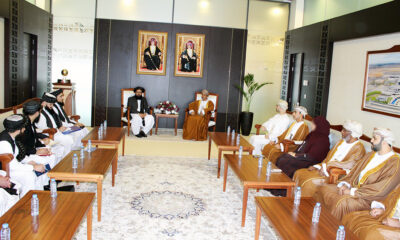
Afghanistan, Oman discuss expanding transport and aviation cooperation
-
 Latest News4 days ago
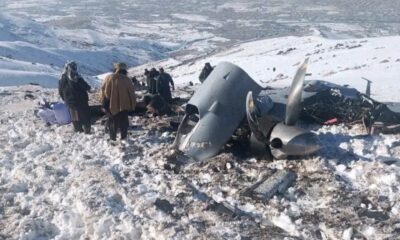
A drone has crashed in Maidan Wardak
-
 Sport2 days ago
Pakistan Under‑19s defeat Afghanistan U19 by 133 runs in Zimbabwe tri‑series
-
 Latest News3 days ago
Afghanistan’s rail transport grows over 18 percent this year: MoPW
-
 Latest News3 days ago
Pakistan says it respects Afghanistan’s sovereignty, rules out ‘regime change’
-
 Latest News4 days ago
Iran to grant long-term residency to Afghan refugees