
Regional
Rights groups say at least 16 dead in Iran during week of protests
HRANA and the state-affiliated Tasnim news agency reported that authorities had detained the administrator of online accounts urging protests.

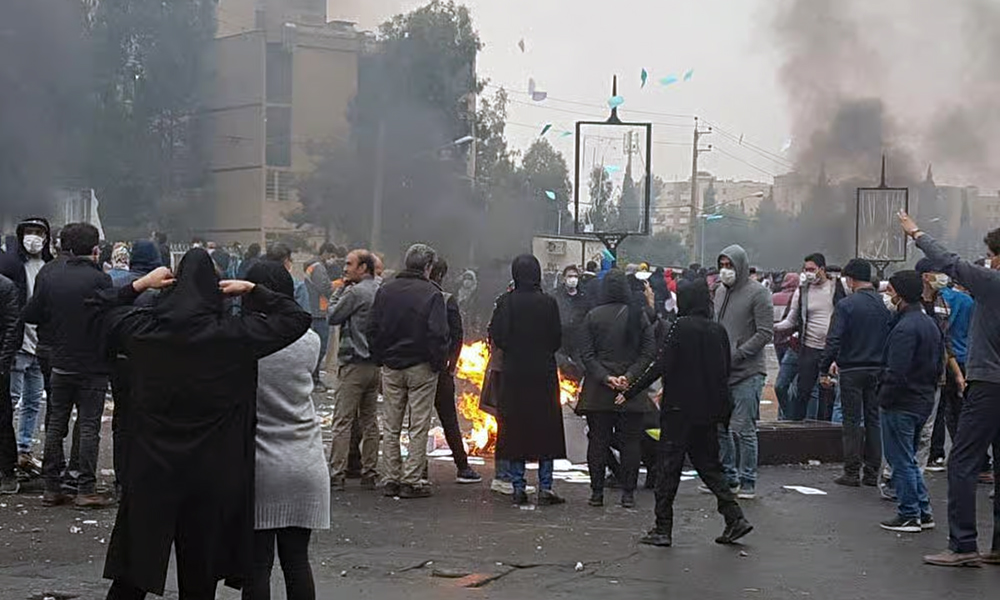
At least 16 people have been killed during a week of unrest in Iran, rights groups said on Sunday, as protests over soaring inflation spread across the country, sparking violent clashes between demonstrators and security forces, Reuters reported.
Deaths and arrests have been reported through the week both by state media and rights groups, though the figures differ. Reuters has not been able to independently verify the numbers.
The protests are the biggest in three years. Senior figures have struck a softer tone than in some previous bouts of unrest, at a moment of vulnerability for the Islamic Republic with the economy in tatters and international pressure building.
President Masoud Pezeshkian told the Interior Ministry to take a “kind and responsible” approach toward protesters, according to remarks published by state media, saying “society cannot be convinced or calmed by forceful approaches”.
That language is the most conciliatory yet adopted by Iranian authorities, who have this week acknowledged economic pain and promised dialogue even as security forces cracked down on public dissent in the streets.
U.S. President Donald Trump has threatened to come to the protesters’ aid if they face violence, saying on Friday “we are locked and loaded and ready to go”, without specifying what actions he was considering.
That warning prompted threats of retaliation against U.S. forces in the region from senior Iranian officials. Supreme Leader Ayatollah Ali Khamenei said Iran “will not yield to the enemy”.
Kurdish rights group Hengaw reported that at least 17 people had been killed since the start of the protests. HRANA, a network of rights activists, said at least 16 people had been killed and 582 arrested.
Iran’s police chief Ahmad-Reza Radan told state media that security forces had been targeting protest leaders for arrest over the previous two days, saying “a big number of leaders on the virtual space have been detained”.
Police said 40 people had been arrested in the capital Tehran alone over what they called “fake posts” on protests aimed at disturbing public opinion, read the report.
The most intense clashes have been reported in western parts of Iran but there have also been protests and clashes between demonstrators and police in Tehran, in central areas, and in the southern Baluchistan province.
Late on Saturday, the governor of Qom, the conservative centre of Iran’s Shi’ite Muslim clerical establishment, said two people had been killed there in unrest, adding that one of them had died when an explosive device he made blew up prematurely.
HRANA and the state-affiliated Tasnim news agency reported that authorities had detained the administrator of online accounts urging protests.
Protests began a week ago among bazaar traders and shopkeepers before spreading to university students and then provincial cities, where some protesters have been chanting against Iran’s clerical rulers.
Iran has faced inflation above 36% since the start of its year in March and the rial currency has lost around half its value against the dollar, causing hardship for many people.
International sanctions over Iran’s nuclear programme have been reimposed, the government has struggled to provide water and electricity across the country through the year, and global financial bodies predict a recession in 2026, Reuters reported.
Khamenei said on Saturday that although authorities would talk to protesters, “rioters should be put in their place”.
Speaking on Sunday, Vice President Mohammadreza Aref said the government acknowledged the country faced shortcomings while warning that some people were seeking to exploit the protests.
“We expect the youth not to fall into the trap of the enemies,” Aref said in comments carried by state media.

Regional
Iran says outcome of Israeli elections ‘makes no difference’
Tuesday’s legislative elections will take place amid mounting threats by Israel and the United States to renew attacks on Iran after they launched their war in late February.
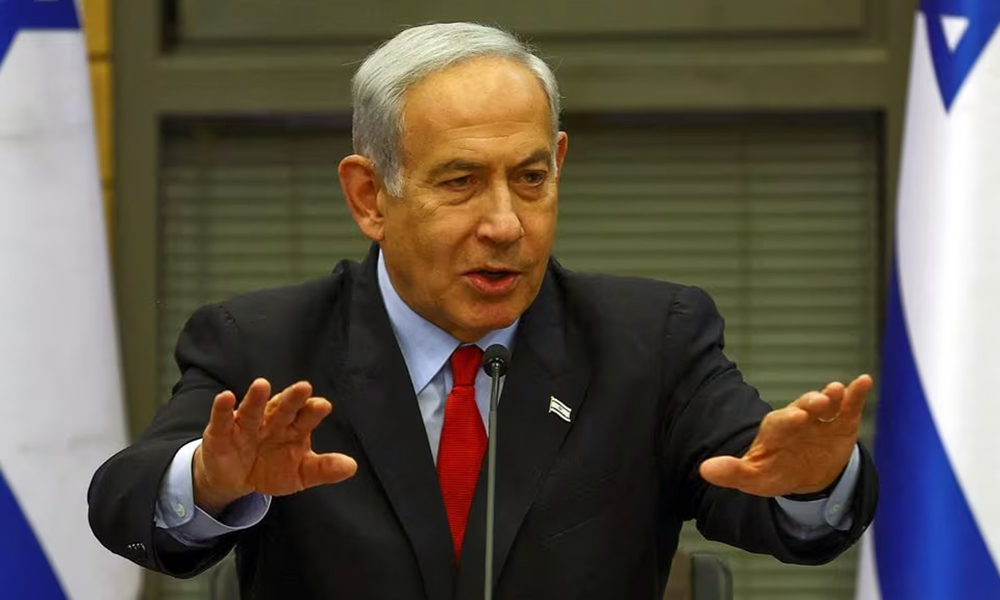
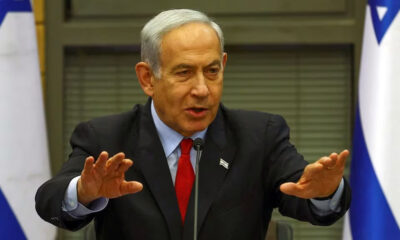
Iran’s foreign ministry said Monday that the outcome of the Israeli elections in which Prime Minister Benjamin Netanyahu is facing a tight race will make “no difference”, AFP reported.
“It makes no difference to us who, in these elections, takes the helm of a regime that has brought nothing but violence and massacres to our region,” said ministry spokesman Esmaeil Baqaei in a weekly press briefing.
Tuesday’s legislative elections will take place amid mounting threats by Israel and the United States to renew attacks on Iran after they launched their war in late February.
Netanyahu has in recent days repeatedly said the only way to remove the threat posed by Iran is to topple its government.
On Sunday, he told Israel’s Channel 14 that he had “instructed the Mossad and the IDF to overthrow the Iranian regime”.
Baqaei dismissed Netanyahu’s remarks as “empty threats” and a “sign of desperation”.
Regional
Officials from Mecca pact countries to meet Iranian officials in Tehran
Pakistan’s military media wing and Turkey’s Foreign Ministry did not immediately respond to requests for comment.
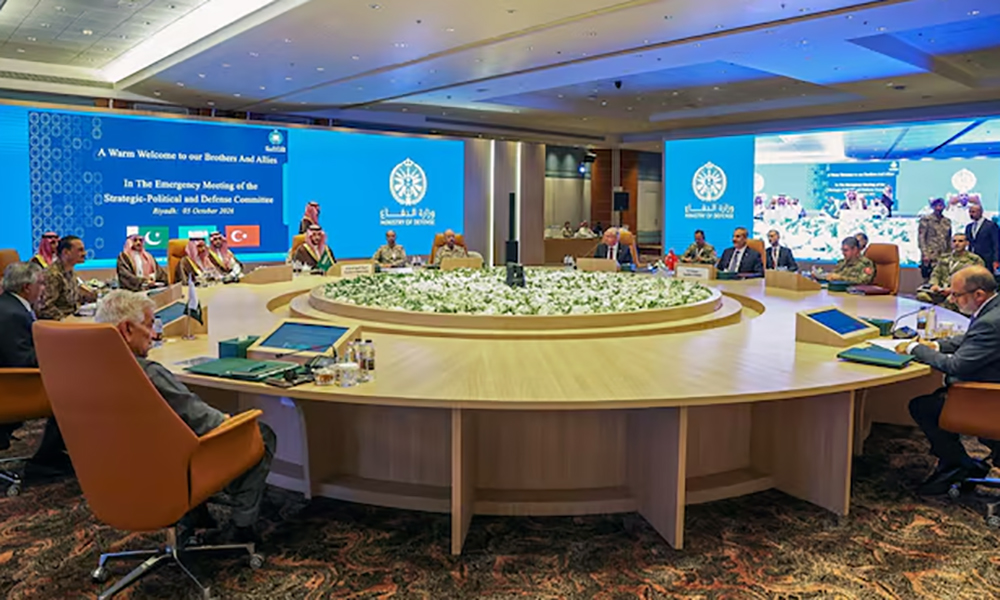
Top officials from Mecca Pact countries Saudi Arabia, Turkey and Pakistan are to meet Iran’s leaders in Tehran on Monday in their first high-level contact since the kingdom became a pressure point in the wider Iran conflict, Reuters reported.
Saudi Arabia will be represented by Defence Minister Prince Khalid bin Salman, Pakistan by army chief Field Marshal Asim Munir, and Turkey by intelligence chief Ibrahim Kalin, Saudi and Iranian officials said.
Attacks by Yemen’s Iran-aligned Houthis have spiralled in recent weeks and rhetoric between Washington and Tehran has grown more heated. Both countries have also drawn up plans to restart the wider war, possibly after the US midterm elections on November 3.
Monday’s planned talks will be the first high-level contact between Iran and all members of the three-nation bloc since Saudi Arabia was drawn deeper into the conflict. Under the Mecca Joint Defence Agreement signed in August, an armed attack on one member is considered an attack on all.
Iranian Foreign Ministry spokesperson Esmaeil Baghaei said on Monday discussions on regional security would include “Israel’s expansionist policies, developments in the Palestinian territories and Lebanon, and the repercussions of US and Israeli military action against Iran.”
Baghaei said the meeting, proposed during a visit by Munir to Tehran last week, could be a first step towards establishing regional security mechanisms based on the interests of countries in the region.
Qatari mediators met Iranian officials in Tehran on Sunday in a push to de-escalate regional tensions, Reuters reported. Qatar has, for months, played a mediating role between Tehran and Washington.
A senior Iranian official said the meeting was initiated by Pakistan, during Munir’s visit to Tehran, as he met Iranian President Masoud Pezeshkian and other senior officials. During the visit, Iranian officials told him there would be no talks with Washington until Tehran’s demands were met, according to Iranian media.
Earlier mediation efforts involving both Pakistan and Qatar helped produce an interim peace agreement in June, but the deal quickly unravelled as fighting between Iran and the United States resumed weeks later.
The deputy secretary of Iran’s top security body, Ali Baqeri-Kani, told state TV that Saudi Defence Minister Prince Khalid, Pakistan’s Munir and Turkish intelligence chief Ibrahim Kalin would visit Tehran for consultations with Iran’s Supreme National Security Council on regional security.
Saudi Deputy Minister for Public Diplomacy Rayed Krimly said the meeting is part of ongoing efforts by the Mecca Pact countries to de-escalate the current crisis, promote diplomatic solutions, and support mediation efforts led by Qatar and Pakistan.”The visit also underscores the pivotal role of the Mecca Pact states in fostering regional security and stability, and their commitment to working with all nations in the region toward achieving this goal,” Krimly posted on X.
Pakistan’s military media wing and Turkey’s Foreign Ministry did not immediately respond to requests for comment.
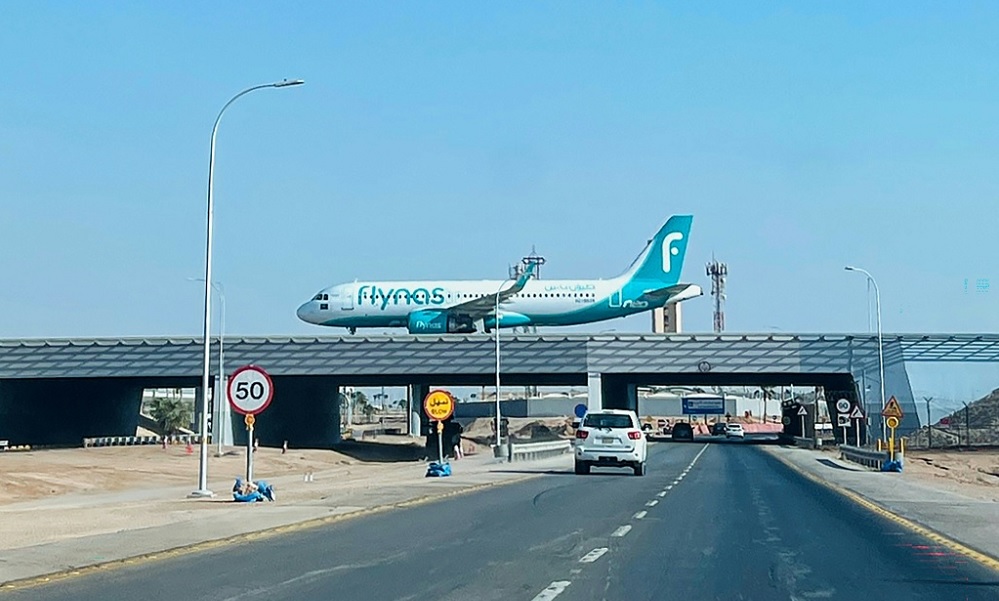
Saudi Arabia intercepted another wave of missiles and drones on Sunday as fighting with the Houthis continued unabated.
Ministers from the Mecca Pact countries held an emergency meeting in Riyadh earlier this month and agreed to ensure the “rapid deployment” of military forces and capabilities in Saudi Arabia.
The Houthi attacks have become an increasingly destabilising element in the US-Israeli conflict with Iran, turning US ally Saudi Arabia into a pressure point in the wider war.
Tensions between Washington and Tehran have sharpened in recent days. President Donald Trump said on Friday the US may carry out another military operation against Iran and Iran’s leaders have said that a renewed US military campaign would be met with a stronger response than before.
Iranian security officials have told Reuters that Tehran has drawn up detailed plans to hit Gulf undersea cables if the United States and Israel attack again. A US intelligence memo this week warned that Iranian plots against American personnel had reached “advanced stages”.
The war, now nearly eight months old, has weighed on President Donald Trump’s approval ratings ahead of the midterms.
The Mecca agreement’s first article says the parties shall use “all necessary means” to eliminate threats to one another’s territorial integrity, sovereignty or internationally recognised borders, according to a text seen by Reuters.
Efforts by Turkey’s parliament to ratify the agreement began last week and are still underway, while Pakistan approved the pact last week.
Regional
Iran tells Pakistan army chief no talks with Washington until demands are met
The demands include ending a US blockade on its ports, the lifting of sanctions on its oil exports as well as ending hostilities on all regional fronts.
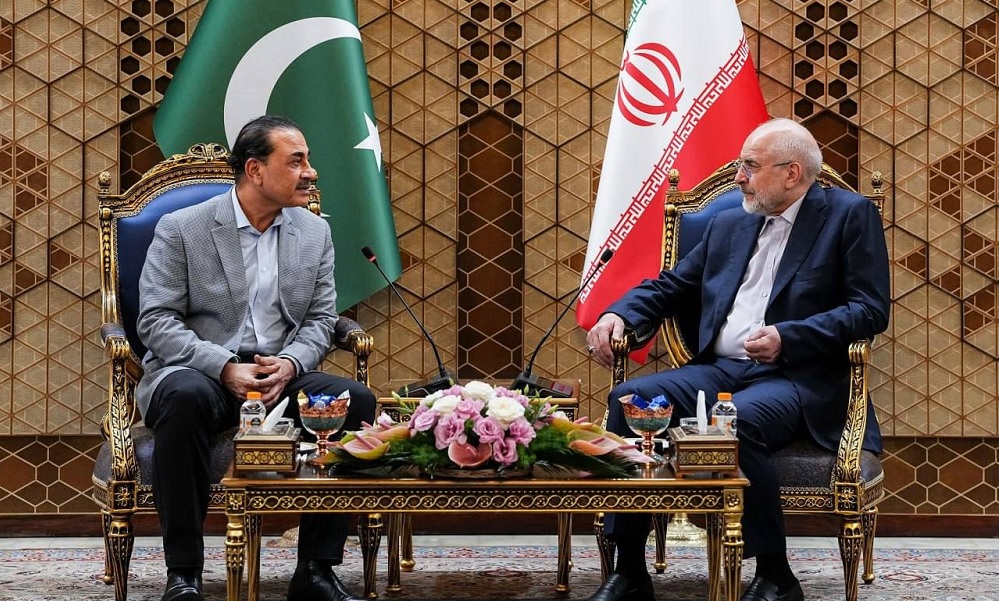
Iran told Pakistan’s army chief on Tuesday that there would be no talks with Washington until Tehran’s demands were met, Iranian media reported, underscoring its hardening stance despite mediation efforts by key interlocutor Pakistan.
President Masoud Pezeshkian discussed mediation efforts and regional developments with Field Marshal Asim Munir in Tehran, according to Nournews.
Pakistan is a key intermediary between the United States and Iran. Earlier mediation efforts helped produce an interim peace agreement in June, but the Islamabad Memorandum quickly unravelled as fighting between Iran and the US resumed weeks after.
Munir also met Iranian parliament speaker Mohammad Baqer Qalibaf, who said Washington could not regain Tehran’s trust until it fulfilled seven conditions Iran set last month for reopening the Strait of Hormuz, according to an Iranian readout of the meeting.
The demands include ending a US blockade on its ports, the lifting of sanctions on its oil exports as well as ending hostilities on all regional fronts.
Iran’s security chief, Mohsen Rezaei, delivered a similar message during a separate meeting with Munir, saying there would be no talks with Washington until Tehran’s demands were met, according to Iranian media.
Rezaei also said all enriched nuclear materials would remain in Iran, reiterating Supreme Leader Ayatollah Mojtaba Khamenei’s position that near-weapons-grade uranium should not be shipped abroad.
US Vice President JD Vance said earlier this month that Iran must make a “meaningful” reduction in its uranium enrichment capacity to satisfy US demands and end the countries’ eight-month-old war.
Israel, the United States and other Western states have long accused Iran of seeking nuclear weapons, including pointing to its move to enrich uranium to 60%, far higher than needed for civilian uses and closer to the 90% needed for a weapon.
Iran denies seeking nuclear weapons.


Arman FC beat Khurasan Faryab 3-1 in Afghanistan Champions League

Iran says outcome of Israeli elections ‘makes no difference’
Houthis attack Saudi Arabia before high-stakes talks in Tehran
Afghanistan’s environmental protection chief travels to Malaysia for global education conference

WFP report notes high food and fuel costs continue to pressure Afghan households

Cricket Bonanza: Afghanistan set for packed international schedule

Afghanistan on climate front line as Kabul faces groundwater warning

Afghanistan says 28 killed, 32 captured in Nuristan operation

ACB announces Afghanistan squads for Bangladesh, Zimbabwe series

Trump rejects Iranian proposal to open Hormuz and end fighting
Iran says outcome of Israeli elections ‘makes no difference’
Houthis attack Saudi Arabia before high-stakes talks in Tehran
Tahawol: Ukraine war and ongoing peace efforts
Saar: Obama’s remarks on Iran war
Tahawol: UN’s role in tackling global crises discsused
-
 Latest News4 days ago
Afghanistan’s new Wakhan road to China faces major hurdles
-

 Science & Technology4 days ago
Governments take websites offline as critical cyber flaws trigger global alert
-
 Latest News4 days ago
CSTO to supply Tajikistan with weapons to strengthen Afghan border
-
 Latest News4 days ago
Russia to expand security and defence cooperation with Afghanistan
-
 Latest News2 days ago
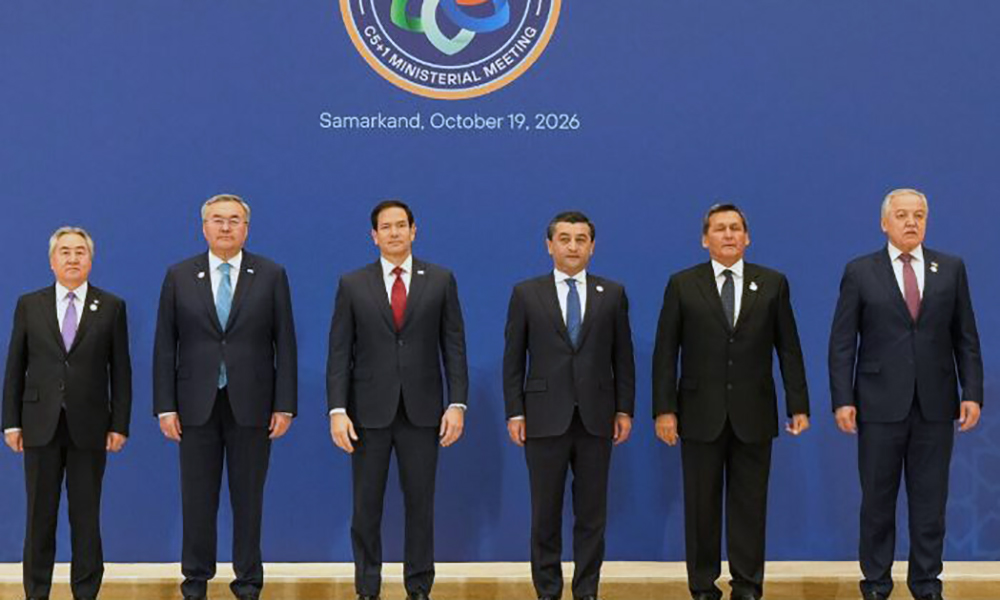
US Central Asia strategy faces challenges linked to Afghanistan’s political and security situation
-
 Business3 days ago
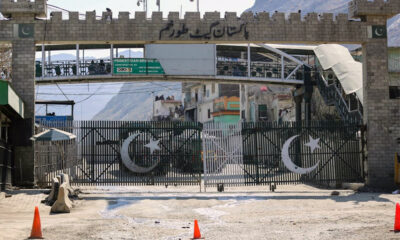
Pakistan exporters suffer billions in losses as Afghanistan trade halt continues
-
 Business3 days ago
IMF forecasts 1.3 percent regional economic contraction in 2026
-
 Sport2 days ago
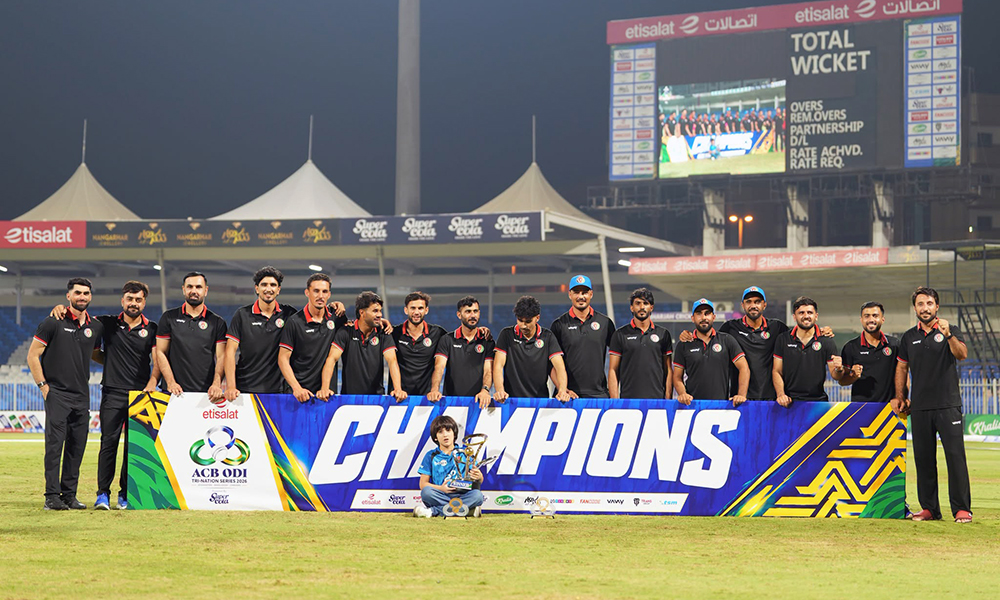
Afghanistan defeat Zimbabwe to win Tri-Series ahead of 2027 Cricket World Cup