
Latest News
First female Photography exhibition held in Kabul

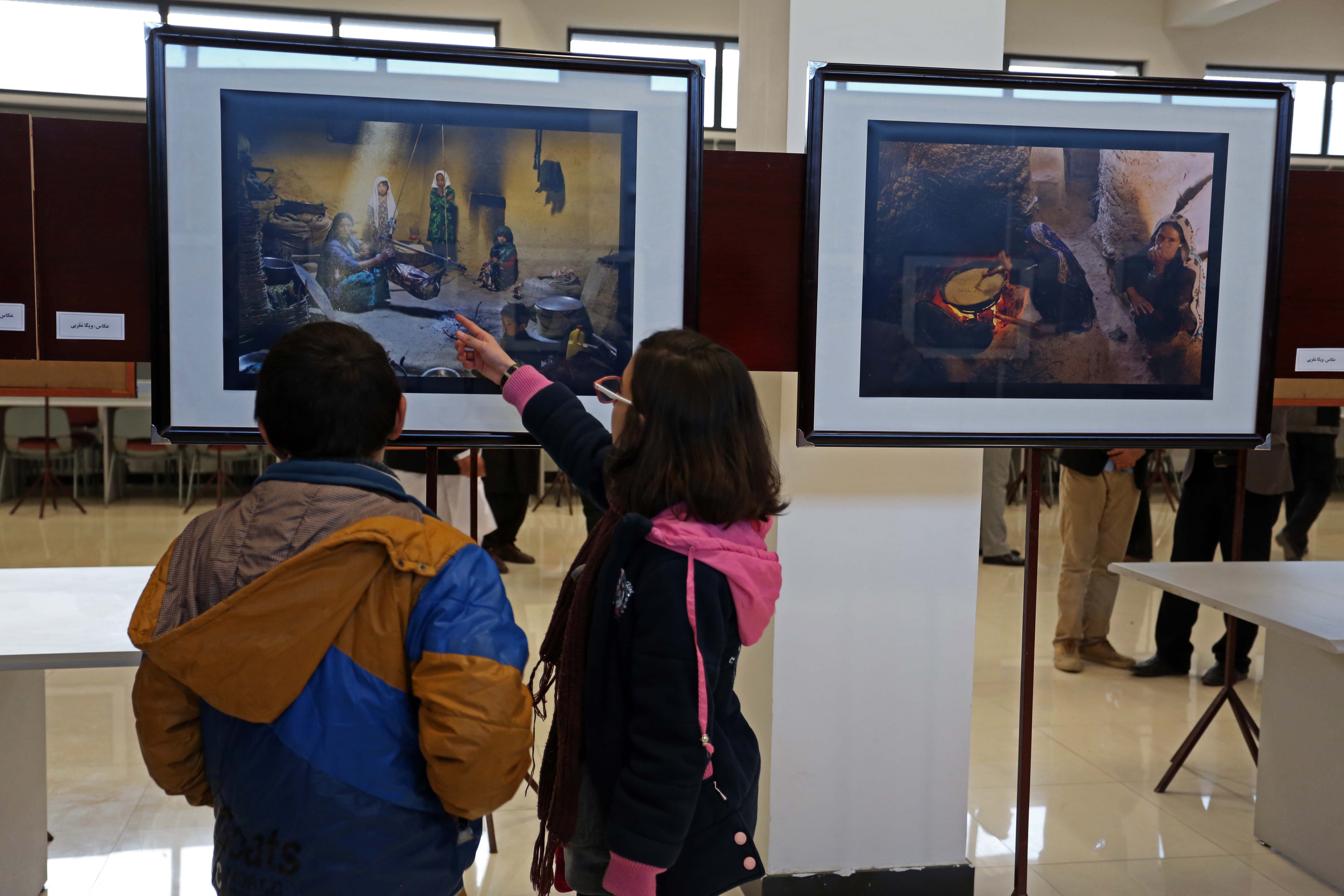

The very first female photography exhibition has been held in Kabul, in the following exhibition four female photographers have visited central Provinces of Afghanistan and have taken shots of different life style of women in remote areas.
The following exhibition would be held by women on the street of Kabul streets to draw attentions of pedestrians.
The female photographers have began their mission from Kabul up to Bamyan, Ghor, Daikundi taking shots of Women who are living in remote areas.
Mission has been accomplished in 10 days and now the photos are ready to be exhibited in Kabul city.
Film director Sahra Karimi said,” we are trying to exhibit the positive face of Afghan women life style, those women who are living in mountains, and remote areas which their statues are exhibited within pictures.”
The life of Afghan women has enormous stories to tell, Afghan women here in Afghanistan are working shoulder to shoulder with their men, though they were kept away from their basic rights which is education, still fighting for their life.
Miss, Eliar the photographer said,” I have come to my counter after several years,it was a remarkable experience for me to be capable to draw the face of Afghan women through my career,I will show the life of Afghan women through my photos to the world.”
The main difference of the current photo exhibition is that I have gone to remote areas and have taken best shots of Women who are living in the other female photographer Wiga Muqarbi said.
In the following exhibition hundreds of male and female have attended the decisions were made to launch such exhibition on the streets in Kabul Afghanistan.
Reported by FarahNaz Forotan

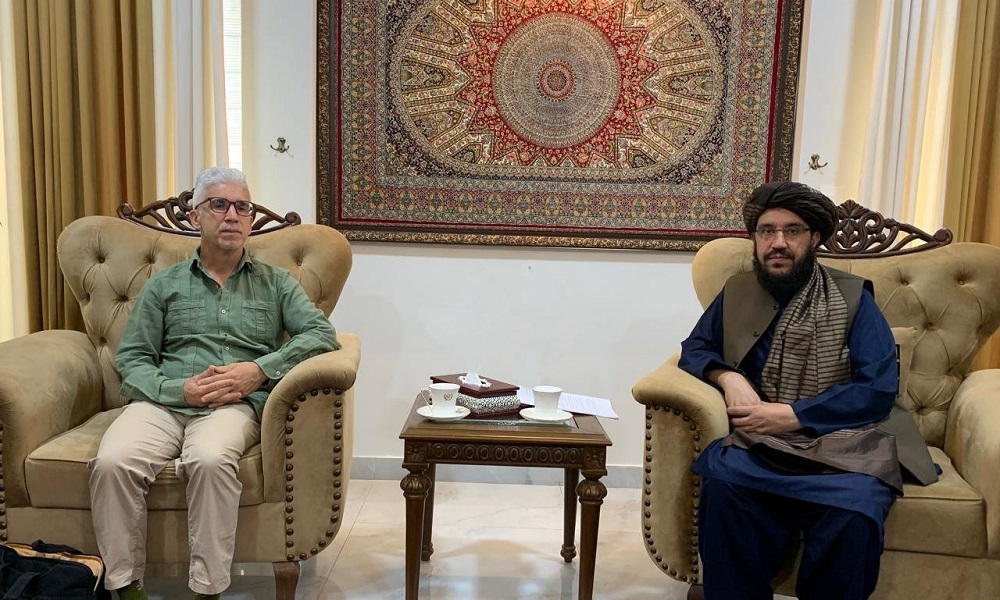
Sardar Ahmad Shakeeb, ambassador of the Islamic Emirate of Afghanistan in Islamabad, met with Oscar Manuel Sanchez, the head of the United Nations High Commissioner for Refugees (UNHCR) in Pakistan, to discuss the problems faced by Afghan refugees at registration and check-in centers.
According to a statement from the Afghan Embassy in Pakistan, Shakeeb proposed during the meeting that the registration process—carried out by UNHCR in cooperation with Pakistan’s NADRA authority—should be strengthened by increasing the number of mobile units. These units would be deployed to all districts and zones so that refugees can avoid long queues and have their other issues addressed more efficiently.
He also pointed to the problems faced by Afghan students, stating that they encounter serious challenges in the verification of their academic documents. He emphasized that this issue should be treated as a humanitarian matter and receive attention from all relevant parties.
During the meeting, the UNHCR head assured that necessary measures would be taken to improve facilities at the VRC (Voluntary Repatriation Centers). He added that the issue of Afghan students’ documents had previously been raised with the relevant Pakistani authorities and would continue to be followed up.
Sanchez further announced that the organization would establish a special center for handling complaints and scheduling appointments, enabling Afghan refugees to directly raise their concerns through designated phone numbers.
He also requested Ahmad Shakib to grant permission for a number of United Nations vehicles carrying humanitarian aid, currently held up in Pakistan, to enter Afghanistan.
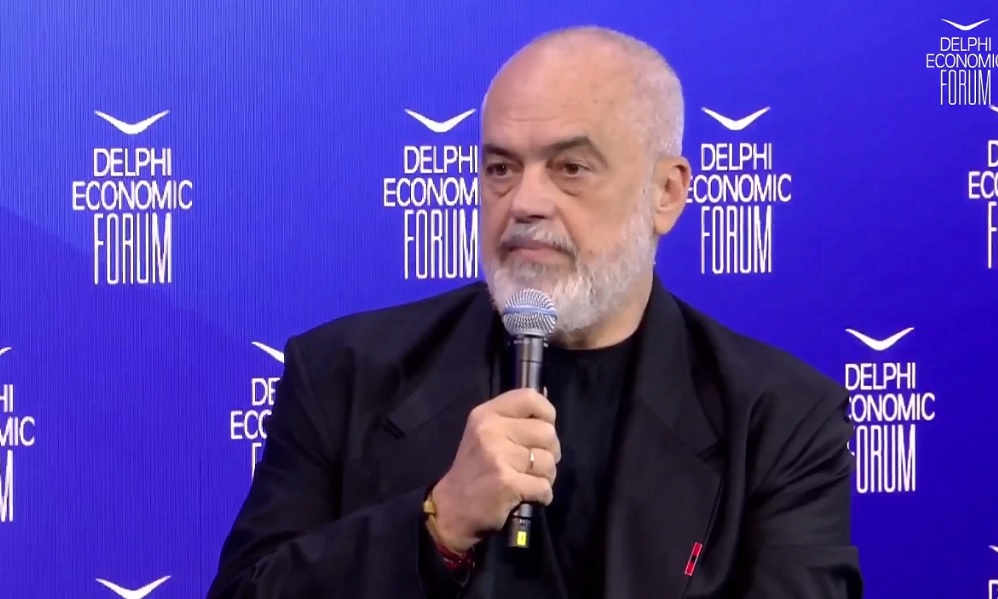
Albania’s Prime Minister Edi Rama has criticized NATO over its handling of the withdrawal from Afghanistan, describing the exit as “shameful.”
Speaking at the Delphi Economic Forum, Rama said that while Albania is a NATO member, it has limited influence over the alliance’s decisions. He noted that member states tend to share credit when NATO actions are seen as successful, such as its role in Kosovo, but shift blame when outcomes are negative.
Referring to the 2021 withdrawal from Afghanistan, Rama said NATO’s exit reflected poorly on the alliance and its member states.
He added that Albania accepted thousands of Afghan evacuees following the fall of Kabul, describing the situation as difficult and noting that many European countries were reluctant to host them.
Rama’s remarks highlight ongoing debate in Europe over responsibility for the Afghanistan withdrawal and the treatment of Afghan refugees in its aftermath.
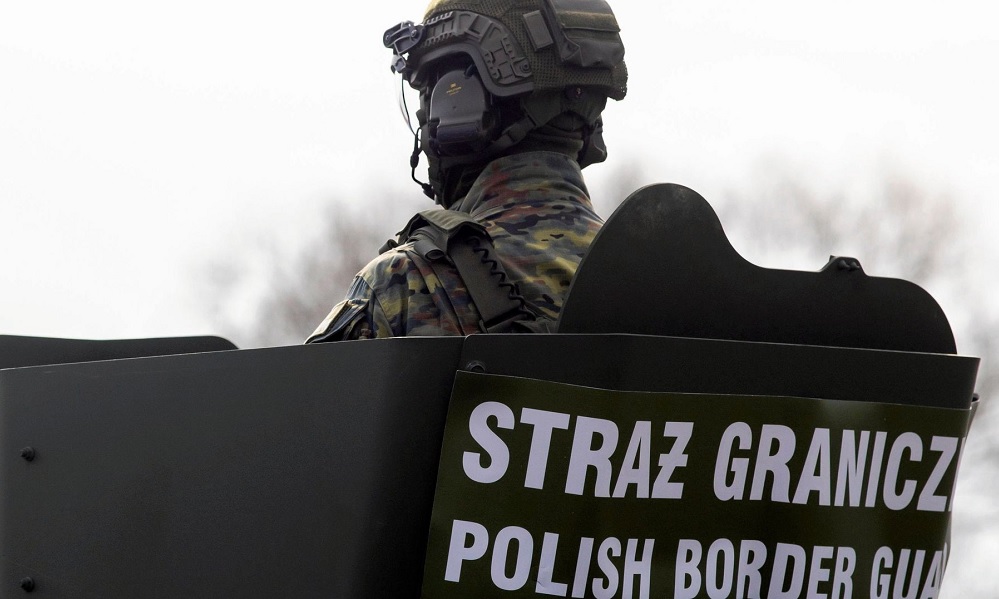
Poland has deported three Afghan asylum seekers to Kabul despite an interim ruling by the European Court of Human Rights ordering a halt to their removal, according to Polish media reports.
The case was reported by OKO.press, which said the deportations took place earlier this month as part of a planned operation involving a group of Afghan nationals.
According to the report, Polish authorities had scheduled the deportation of nine Afghan migrants on April 10. However, the European Court issued urgent interim measures instructing Poland to suspend the deportations, citing concerns over the safety of the individuals if returned to Afghanistan.
Despite being informed of the court’s decision prior to the flight, Polish authorities proceeded with the deportation of three individuals to Kabul, while the remaining cases were halted.


IEA ambassador meets UNHCR head in Pakistan to address Afghan refugee issues

Netanyahu says he successfully treated early-stage prostate cancer

Tawsia: Activities of Ministry of Rural Rehabilitation and Development discussed

Pakistan repays $3.45 billion loan to UAE

Albanian PM criticizes NATO’s Afghanistan withdrawal

IEA supreme leader orders replacement of foreign terminology in official documents

Russia deems US military presence in Afghanistan unacceptable

Afghanistan hosts inaugural Afghanistan–Central Asia Consultative Dialogue to strengthen regional cooperation

TAPI gas pipeline advances 25 km in Afghanistan

Russia backs Uzbekistan–Afghanistan trade hub, praises regional economic cooperation
Tawsia: Activities of Ministry of Rural Rehabilitation and Development discussed

Tahawol: EU envoy’s concern over Afghanistan discussed

Saar: Afghanistan’s focus on developing regional cooperation discussed

Tahawol: Ceasefire extension between US and Iran discussed

Saar: Rising arbitrary arrests of Afghan refugees in Pakistan discussed
-
 Latest News4 days ago
Afghanistan, Belarus hold talks on fuel imports
-

 World5 days ago
UAE seeks US financial backstop amid Iran war fallout, warns of possible shift from dollar
-

 Business4 days ago
Afghanistan, Uzbekistan and Kyrgyzstan agree on framework to boost trade and transit
-

 Featured5 days ago
Kolkata Knight Riders and Punjab Kings win IPL double-header
-

 Regional5 days ago
Ceasefire under strain after U.S. seizes Iranian cargo ship
-
 Climate Change4 days ago
Webinar series highlights growing climate pressures on livelihoods in Afghanistan
-
 Latest News2 days ago
Pakistan ramps up deportations of Afghan refugees, rights group warns
-

 Business4 days ago
Afghanistan showcases industry at key Central Asia expo