
Latest News
Modi’s Saudi visit part of push to ‘de-hyphenate’ India from Pakistan

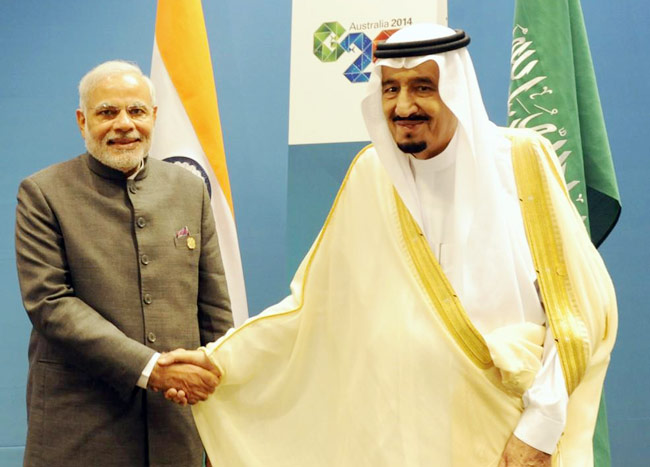
Prime Minister Narendra Modi’s visit to Saudi Arabia on Sunday is part of a diplomatic effort to put pressure on arch rival Pakistan by forging ties with some of Islamabad’s closest allies, Indian ruling party and government officials said.
Modi is expected to sign trade agreements, including contracts to secure investment for infrastructure projects, and offer security and military cooperation, such as training and joint exercises, the officials said.
The Indian premier’s visit is just over seven months after he traveled to another Pakistan ally, the United Arab Emirates, and signed a security cooperation agreement that includes regular meetings between top security advisers.
“It’s simple. We have to do everything to deal with Pakistan – use economics, strategy and emotional ties to win the hearts of Islamabad’s friends,” said Ram Madhav, national general secretary of Modi’s ruling Bharatiya Janata Party.
Nuclear-armed rivals India and Pakistan have fought three wars since independence in 1947, two of them over Kashmir. New Delhi has long accused Islamabad of sponsoring a separatist movement and militancy in the Himalayan region. Pakistan denies the charge and accuses India of occupying Kashmir and fomenting trouble in its restive provinces, like Baluchistan.
New Delhi has been frustrated that often its ties with countries have been colored by concerns about its relationship with Pakistan. One foreign ministry official said the Saudis tended to bring up Pakistan during discussions with India.
Government officials described Modi’s diplomatic push as an effort to “de-hyphenate” India from Pakistan, especially as New Delhi tries to play a bigger geopolitical role in Asia to counter China’s influence.
Stronger relationships with Pakistan’s allies can help India get a more sympathetic hearing on global and regional forums and put pressure on Islamabad to rein in militants.
On Thursday, Saudi Arabia and the United States imposed joint sanctions targeting the Pakistan-based Lashkar-e-Taiba militant group blamed for the 2008 attacks in Mumbai.
In Washington on Friday, where Modi was attending a summit on nuclear security, Indian government spokesman Vikas Swarup welcomed the move.
“Countries working against terror entities – particularly entities that have targeted India repeatedly – is I think a welcome development,” he told reporters.
RIGHT TIMING
Until now, India’s relationship with Saudi Arabia has been driven primarily by trade and the Indian diaspora in the Middle East. Saudi Arabia is India’s top energy supplier and home to more than 3.5 million Indian expatriates.
Over the past few years, there has been some cooperation on security between the two countries, with Riyadh deporting four most wanted fugitives to India.
Modi will look to broaden those ties, with one foreign ministry official saying healthcare, education, religious tourism and labor reforms would also be key talking points.
Still, there are limits to what New Delhi can hope to achieve. The relationship between Pakistan and the Saudis goes back decades, based in their shared Sunni Muslim heritage.
Saudi Arabia has long been a source of financial aid for Islamabad. In 2014, the Saudis gave Pakistan $1.5 billion as a “gift” to shore up its foreign reserves.
Pakistani Prime Minister Nawaz Sharif spent time in political exile in Saudi Arabia in the 2000s, after he was ousted in a military coup.
But Indian officials said the timing was right for Modi’s visit, as relations between Riyadh and Islamabad enter a rough patch.
Pakistan declined to provide ships, aircraft and troops to the Saudi-led fight to halt Iranian-allied Houthi rebels in Yemen last year. It has also sought to avoid taking sides in the escalating dispute between Saudi Arabia and Iran.
“Pakistan knows that relations with Saudi have come to a low. That doesn’t mean that India can fill that gap,” said Zahid Hussain, a former newspaper editor in Pakistan. “But certainly this is part of Modi’s diplomatic offensive in the region.”
Written by: Reuters

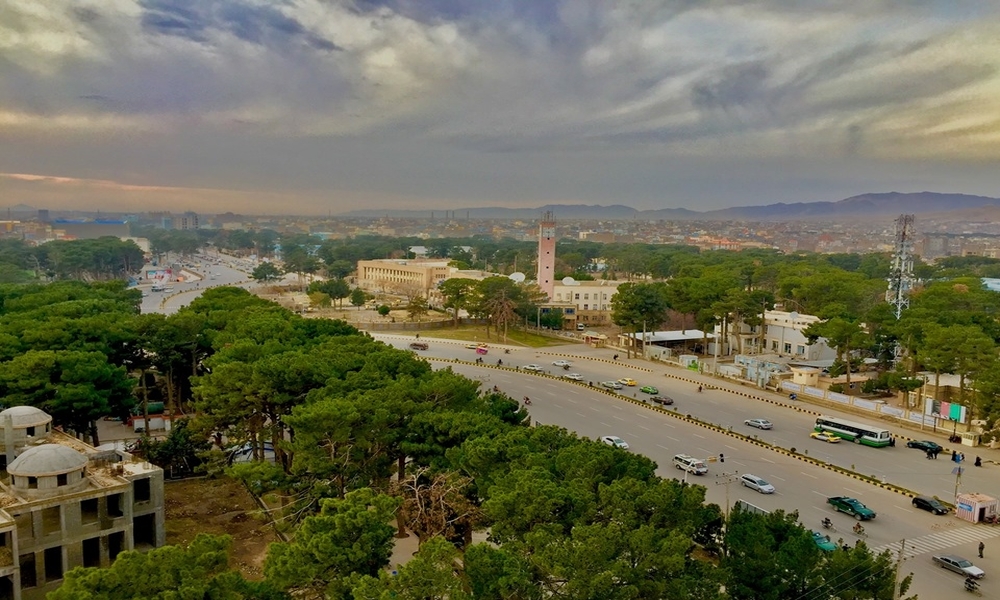
Seven people were killed and 13 injured in a shooting by unidentified armed men in Herat province, said Interior Ministry spokesperson Abdul Mateen Qani.
Qani added that after midday on Friday, unidentified gunmen on motorcycles opened fire on a group of civilians who had gathered for recreation near a picnic area in Qabarzon village, Injil district of Herat province.
According to Qani, initial information indicates that 7 people were killed and 13 others wounded in the attack. The condition of some of the injured is reported to be critical.
Latest News
UK backs Afghanistan–Pakistan talks, calls dialogue key to lasting peace
Richard Lindsay, the UK’s Special Representative for Afghanistan, described the latest round of talks as a positive step forward.
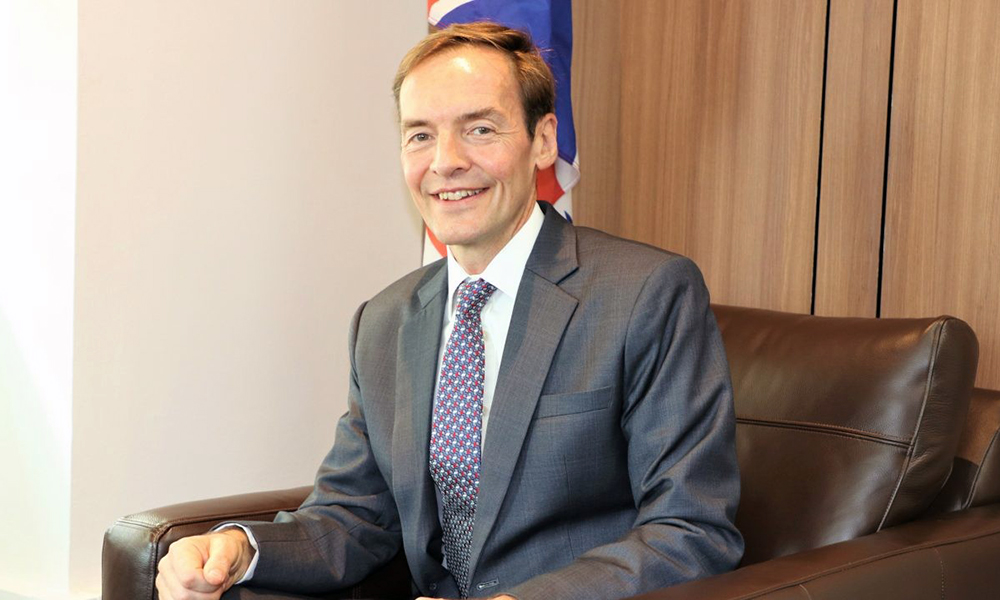
The United Kingdom has welcomed recent diplomatic engagements between Afghanistan and Pakistan, emphasizing that sustained dialogue remains the most effective path toward reducing tensions and achieving long-term stability.
Richard Lindsay, the UK’s Special Representative for Afghanistan, described the latest round of talks as a positive step forward. He praised the engagement between both sides and urged continued efforts to reach a comprehensive resolution.
“I welcome the recent interactions between the negotiating teams of Afghanistan and Pakistan and encourage continued dialogue to reach a comprehensive solution. Dialogue remains the only way to reduce tensions and achieve sustainable peace,” Lindsay said.
The week-long discussions, held in Urumqi, involved diplomatic, defense, and security officials from both countries. The talks concluded with a preliminary agreement aimed at immediate de-escalation, with participants committing to practical measures to manage tensions and prevent further escalation.
Chinese officials noted that both sides agreed on steps to stabilize the situation, signaling cautious optimism after a period of strained relations.
Regional analysts have underscored the importance of maintaining diplomatic momentum, warning that prolonged instability could worsen broader security challenges. They stress that constructive engagement between Kabul and Islamabad is essential to prevent further deterioration.
Following the initial round, expectations are rising for a second phase of talks at a higher diplomatic level—potentially paving the way for concrete measures to ease tensions and reinforce regional stability.
Latest News
IEA defense minister meets Chinese envoy, emphasizes security and regional stability
Both sides concluded by emphasizing the need to build mutual trust, deepen bilateral cooperation, and expand regional partnerships.
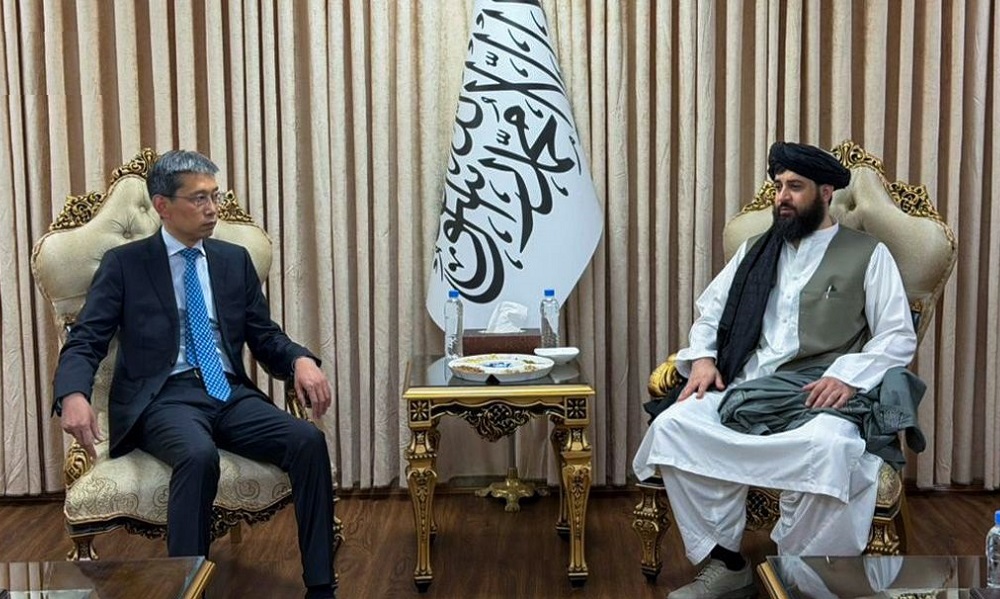
Afghanistan’s Defense Minister, Mohammad Yaqoob Mujahid, held talks with China’s Ambassador to Kabul, Zhao Xing, focusing on security cooperation and regional stability, officials said.
According to Defense Ministry spokesperson Enayatullah Khwarazmi, the meeting covered bilateral relations, political engagement, and evolving regional developments. Both sides discussed ways to enhance coordination on shared concerns, particularly maintaining stability and preventing cross-border security threats.
The Chinese envoy outlined Beijing’s position on the Urumqi discussions and reiterated China’s readiness to expand cooperation with Afghanistan. He emphasized dialogue-driven approaches and expressed support for initiatives aimed at promoting long-term regional peace and economic collaboration.
Mujahid said that with internal security largely consolidated, Afghanistan is now prioritizing regional stability. He stressed that dialogue remains the most effective path to addressing challenges and reaffirmed the country’s commitment to safeguarding national sovereignty.
He added that the current approach is based on patience, mutual respect, and understanding, while underscoring that defending the country against any form of aggression remains a legitimate right and national responsibility.
Both sides concluded by emphasizing the need to build mutual trust, deepen bilateral cooperation, and expand regional partnerships.


Tawsia: New transit route with Tatarstan, MoU with Uzbekistan discussed

7 killed, 13 injured in shooting by unidentified gunmen in Herat

Vance warns Iran not to “play us” as he leaves for talks

Etihad Airways to expand Kabul–Abu Dhabi flights to daily service amid surging demand

UK backs Afghanistan–Pakistan talks, calls dialogue key to lasting peace

IEA Supreme Leader issues Eid-ul-Fitr message urging unity and support for Islamic system

IEA supreme leader orders replacement of foreign terminology in official documents

14 Pakistani soldiers killed after military post falls along Durand line: MoD

Afghan airstrikes target Pakistani military sites in retaliation for air attacks

Turkmenistan, Afghanistan discuss steps to speed up land acquisition for TAPI pipeline
Tawsia: New transit route with Tatarstan, MoU with Uzbekistan discussed

Tahawol: China to host 2nd round of Kabul–Islamabad talks discussed

Saar: Fragile ceasefire in the Middle East reviewed

Tahawol: Two‑week truce agreement between Iran-US reviewed

Saar: US–Iran two-week ceasefire agreement discussed
-
 Latest News3 days ago
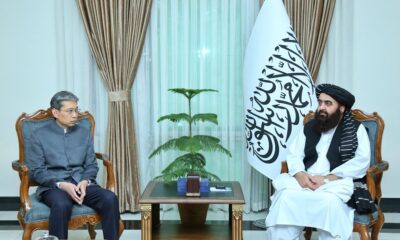
China seeking to build trust between Afghanistan and Pakistan
-
 Latest News4 days ago
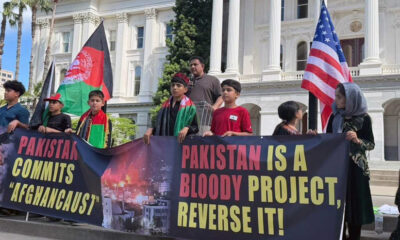
Afghan community in California condemns Pakistani strikes amid growing global protests
-

 International Sports4 days ago
IPL 2026: Lucknow hold nerve in final over to defeat Sunrisers
-
 Business3 days ago
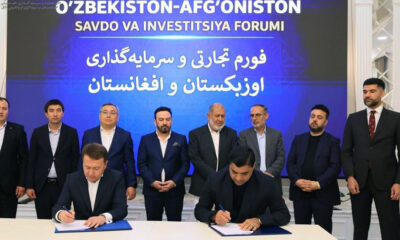
Afghanistan, Uzbekistan sign $400 million trade deals in push to deepen ties
-
 Regional4 days ago
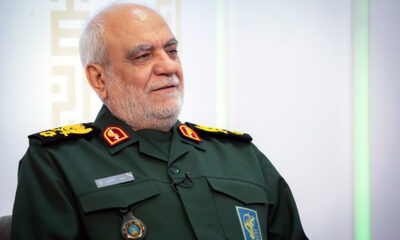
IRGC intelligence chief killed as wave of strikes continues against Iran’s leadership
-
 International Sports3 days ago
IPL 2026: Rain scuppers KKR vs PBKS match
-
 World5 days ago
US, Iran and mediators make push for 45-day ceasefire, Axios reports
-
 Business4 days ago
Afghanistan, Kyrgyzstan aim to boost trade to $1 billion