
Latest News
Full Transcript: Khalilzad’s Exclusive Interview After UAE Meeting

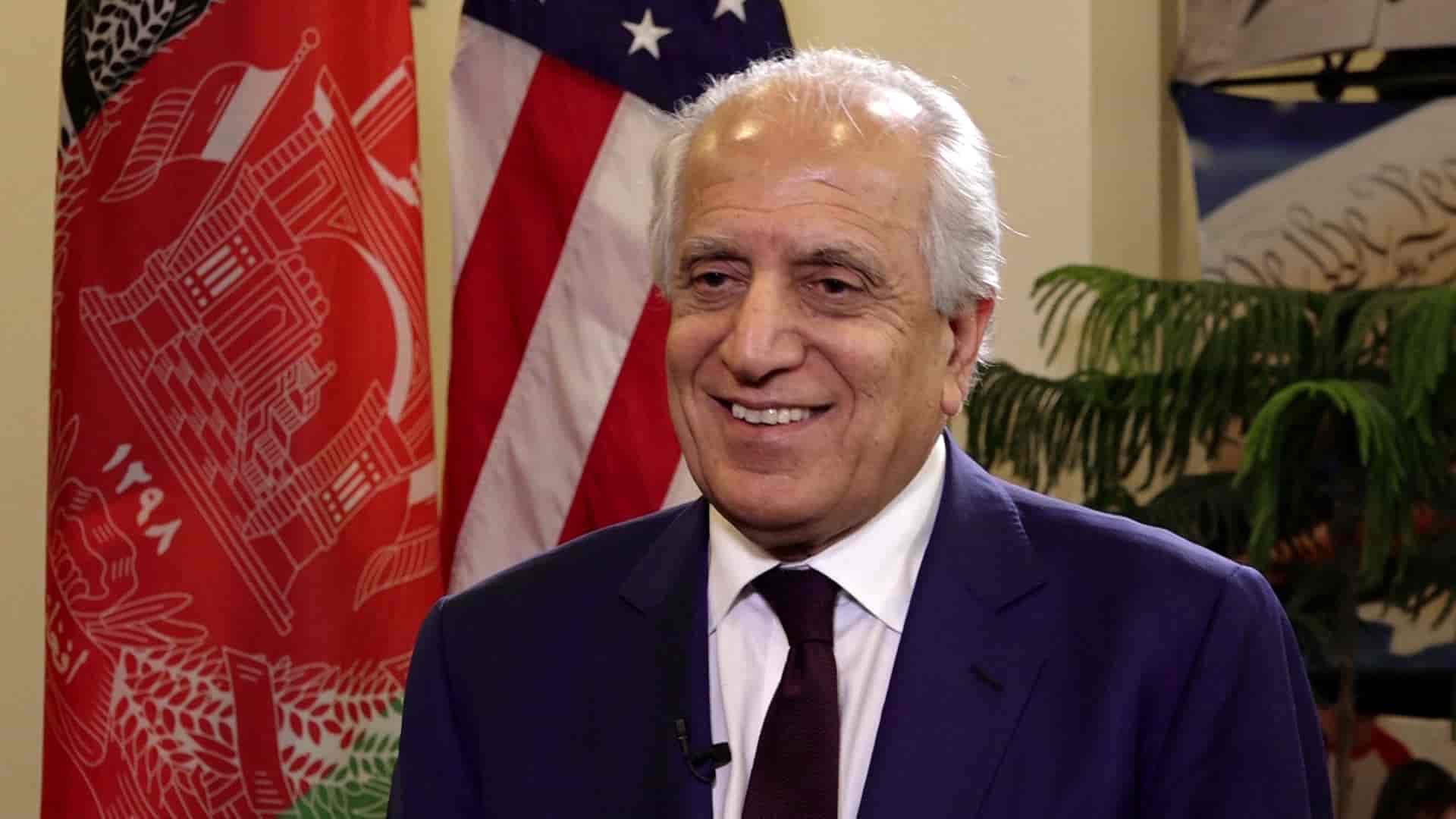
 The U.S. special envoy for Afghanistan Reconciliation Zalmay Khalilzad has told Ariana News’ Sharif Hassanyar that they have talked about a three-month ceasefire for addressing the issues through joint intra-Afghans dialogues in the meeting with Taliban officials in UAE.
He said the ceasefire proposal was suggested by Saudi Arabia and UAE officials at Abu Dhabi meeting.
Here is the full transcript of the exclusive interview:
Q: Thank you! For the first question, could you please tell us the latest details on your Abu Dhabi visit and peace talks?
ZK: Well, the meeting in Abu Dhabi was a good meeting. Pakistan, the UAE, and Saudi Arabia in cooperation with each other are trying to bring the Taliban and the Afghan government to the negotiating table, and to agree among themselves on the next steps needed for peace. Separate talks took place between these countries and the Afghan government delegation, and these countries and the Taliban. Unfortunately, the Taliban did not agree to meet with the Afghan government delegation, which I think was a mistake on their part, and left a negative impression on the participating countries, including the United States.
Q: You had some meetings with the Taliban. What were their red-lines at the meetings?
ZK: The Taliban have red-lines. They want to reach an agreement on the existence of foreign forces in Afghanistan.
Q: What was your answer and what is the red-line for the U.S.?
ZK: The United States’ red-line is that international terrorists like Al-Qaida and ISIS must not be able to use Afghan territory against the U.S. and the international community. To reach this goal, it is necessary to reach an intra-Afghan peace agreement.
Q: If your meetings with the Taliban achieve a positive result, what type of government will the people of Afghanistan get? An Islamic Emirate or an Islamic Republic?
ZK: The formation of the future government system is a decision for Afghans, which they must make for themselves. We are not in favor of an Islamic Emirate in Afghanistan and the Taliban said that they do not want to go back to the situation before 9/11. They said that they want to meet their fellow Afghans and reach an agreement on the political situation of Afghanistan. They prefer to discuss and solve security issues first. Our position is that if they really want peace… if they intend to solve the problem through political negotiation, and do not want a return to the past forty year history of Afghanistan when one group forced others to accept their political will, that was a failed policy and caused the war to continue. The solution is that they should sit together and reach an agreement on the future political situation with mutual respect and acceptance.
Q: During your negotiations with the Taliban, did you discuss an interim government or postponing the elections?
ZK: No. I understand there are many discussions going on about this issue in the media, but a plan for the political future of Afghanistan is an issue Afghans must decide together. We did not talk about an interim government or postponement of the elections, not even a single sentence or two. Some want to create tension between the U.S. and Afghanistan. Nothing was said on these topics.
Q: Were a ceasefire and prisoner release discussed in the two-day meetings in Abu Dhabi?
ZK: We talked about a ceasefire.
Q: Was it yours or the Taliban’s demand?
ZK: It was the UAE and Saudi Arabia’s suggestion. They proposed that a three-month ceasefire would provide an opportunity so that all issues could be addressed through joint intra-Afghans dialogues. The Taliban replied that they are not able to decide or agree with the complete proposal and asked for more time to go back and consult with their leadership. We will see what the result will be. We told them, if they want peace or if they are serious about peace, they should sit with the Afghans and respond as soon as possible to the Emirati and Saudi suggestion. If they want to fight or continue fighting, we assured them that the United States will stand with the government and the people of Afghanistan.
Q: You had meetings with GNU leaders last night. What were the details of the meeting and what was the demand of the Afghan government?
ZK: My aim was to update them on my recent trips after I was in Afghanistan, including Russia, Central Asia, Brussels, and the meetings I had in Pakistan and Abu Dhabi. It was a good meeting. Dr. Ghani and Dr. Abdullah were both present in the meeting and it was a good meeting.
Q: To compare both sides, the Afghan government and the Taliban, which side places more emphasis on and is being more honest about the peace process?
ZK: Well, I do not have doubts about the government, as I know Dr. Ghani and Dr. Abdullah. The people of Afghanistan, first of all, want peace. The war lasted for forty years; people have the right, anywhere in the world, to have peace, but in Afghanistan, especially… this war has endured for forty years there. The leadership of Afghanistan is in close contact with the people and they have experienced their own problems with their own people, and believe that they want peace. It does not mean peace is an easy task, there are no problems, there are no challenges…there are other issues, elections, for example. But I do not doubt that the people of Afghanistan are demanding peace as a whole. Regarding the Taliban, I have one question. Are they serious or not? They claim that they are serious, so let’s see what steps they take in practice, such as meeting with other Afghans, accepting and tolerating each other, mutual respect… This is still questionable… their disagreement in Abu Dhabi, which I think was a mistake… that will end against their favor. There is one question, how serious they are about peace.
Q: Do you think we will reach a peace agreement before the presidential elections, or if elections are held, will Afghanistan experience more five years of war? Or will there be a possibility for a peace agreement after elections?
ZK: I think it would be great if we could reach a peace deal before the elections. But it doesn’t only depend on Afghanistan’s government. It depends on the Taliban too. The Taliban can get ready for peace and elections at the same time. It would be great if a peace deal occurs before the elections.
Q: Do you think it will happen before the elections?
ZK: Yes, why not? I already mentioned the Emirati and Saudi proposal for a three-month ceasefire before the elections. The Afghan government, the Taliban, and other parties shared their opinions on a ceasefire and it will be good if they work and implement it. If this war ends, the sooner the better, as well as ending the killing. We know there are many complexities and challenges, and this war has deep roots. There are not only domestic factors but regional factors as well. That is why, when I say that efforts should be made, it does not mean it will happen immediately. But my personal effort and the United States’ efforts are aimed at bringing peace as soon as possible.
Q: After your meeting with the President and CEO, the National Security Advisor wrote on his Twitter account that no country can form a government system for Afghanistan and that the Afghan government is based on the constitution. Apparently, his tweet indicated his concern after your meetings. What do you say in response?
ZK: Well, I understand that there are some concerned people and that there are some concerns. Some concerns are right, and some others are due to lack of correct and sufficient information…
Q: Didn’t you meet last night with president Ghani and CEO Abdullah?
ZK: …I don’t know, based on my conversation with Dr. Ghani and Dr. Abdullah, they didn’t think that we want to form a different system for Afghanistan. The time for that is already past and Afghanistan is in a different place compared to the past. As I mentioned earlier, there was no discussion of any political issues, including elections, the Afghan government system, or changes in the constitution. We did not talk about these issues. Those who do not have information may have concerns, and sometimes there are some comments, but those who have information and are involved have no reason for concerns that the U.S government wants to represent Afghanistan… First, I am not a representative of Afghanistan. I am representative of the United States government and the United States does not want, it is not its program, it is not its policy, to replace Afghans in the internal affairs that belong to them.
Q: To what extent do you think that the Taliban negotiators are able to make independent decisions in peace talks? In the past, the Taliban could not decide about peace without Pakistan.
ZK: Well, let’s see what happens. During the last few months, I started a direct effort with Pakistan and regional partners to encourage Pakistan to cooperate in the Afghan peace process, to support the negotiations between the Afghan government and Taliban, and to take practical steps in this regard. I can say that in the Abu Dhabi meetings, Pakistan’s stance was that the Taliban should meet with the Afghan government and talk about their issues. Like the U.S., Saudi Arabia, and UAE, Pakistan can also play a role in peace talks with the Afghan government while the war continues. Let’s see what practical steps Pakistan takes in the coming days and weeks.
Q: For my last question, in your meetings with the Taliban, to what extent were issues such as the field I am working in, freedom of press, and also women’s rights and human rights, considered? Are these issues a red-line for the United States?
ZK: Well, we did not talk about these issues with the Taliban because they are Afghanistan’s internal issues. We discussed security and they wanted to talk about terrorism, and the presence of foreign forces in Afghanistan. I would like to assure the people of Afghanistan that as far as the United States is concerned, the United States is in favor of a democratic system where every Afghan’s rights are respected, where everyone has equal rights and responsibilities under the law. Countries are successful when there is respect for freedom of speech and press, and these are the essential elements for a successful Afghanistan. Without a doubt, the United States supports these issues.
Sharif Hassanyar: Thank you very much for your time and this opportunity.
Zalmay Khalilzad: Thank you too. Stay safe!

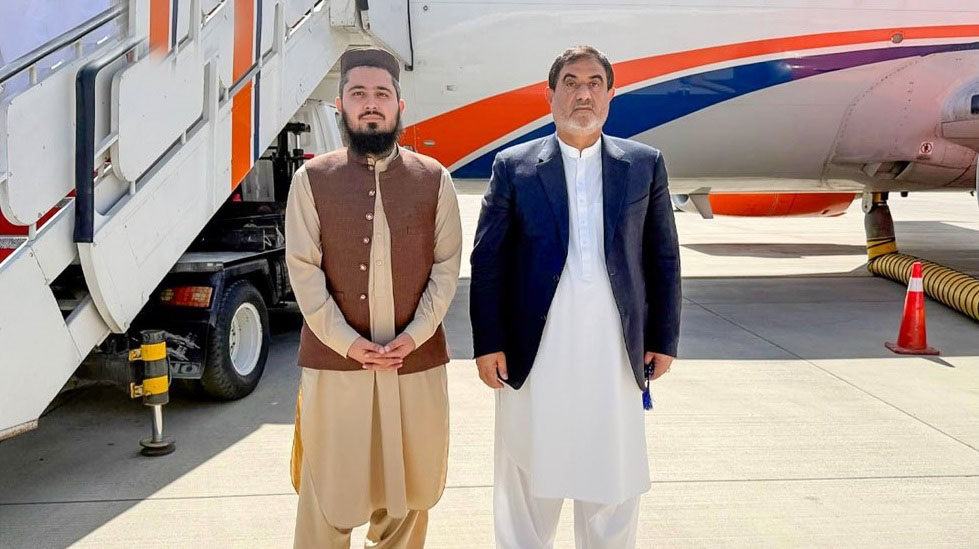
Sayed Karim Hashemi, chairman of the Afghanistan Chamber of Commerce and Investment (ACCI), has begun an official visit to Uzbekistan, India, and Kyrgyzstan as part of efforts aimed at strengthening Afghanistan’s regional economic ties.
ACCI said in a post on Saturday that the visit is focused on enhancing regional economic cooperation, attracting foreign investment into Afghanistan, and creating broader trade opportunities for Afghan businesses and traders.
Latest News
Central Asia–Afghanistan dialogue underscores regional connectivity and stability
Participants stressed that improved infrastructure links and stronger economic partnerships could play a key role in promoting stability and facilitating greater regional integration.
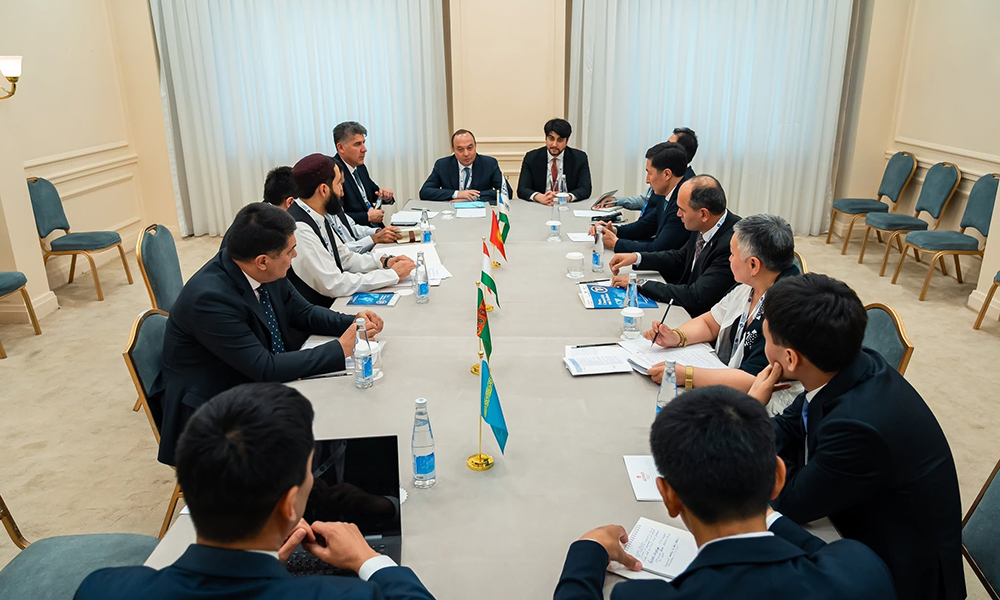
Policymakers, analysts, and regional stakeholders gathered on the sidelines of the Termez Dialogue on Connectivity between Central and South Asia to discuss the future of regional connectivity, economic cooperation, and stability between Central Asia and Afghanistan.
According to the Center for Strategic Studies Afghanistan, participants highlighted Afghanistan’s strategic position as a vital link between Central and South Asia, emphasizing the need for sustained engagement, practical cooperation, and inclusive economic initiatives to strengthen regional ties.
The discussions focused on expanding trade corridors, enhancing transport and energy connectivity, and fostering trust through continued dialogue among regional partners. Representatives from the Center for Strategic Studies, the Ministry of Foreign Affairs, and the Islamic Emirate of Afghanistan shared perspectives on regional priorities and opportunities for deeper cooperation.
Participants stressed that improved infrastructure links and stronger economic partnerships could play a key role in promoting stability and facilitating greater regional integration. They also underscored the importance of maintaining constructive dialogue to address common challenges and advance shared development goals.
The meeting concluded with a renewed commitment to building a stable, connected, and prosperous region. Attendees agreed that closer cooperation between Central Asian countries and Afghanistan is essential for unlocking broader economic opportunities and strengthening regional connectivity.
Latest News
IEA’s supreme leader chairs cabinet meeting in Kandahar, urges stronger religious education and public service
The IEA leader stressed that strengthening the country’s Islamic system depends on expanding religious education and increasing public awareness of Islamic teachings.
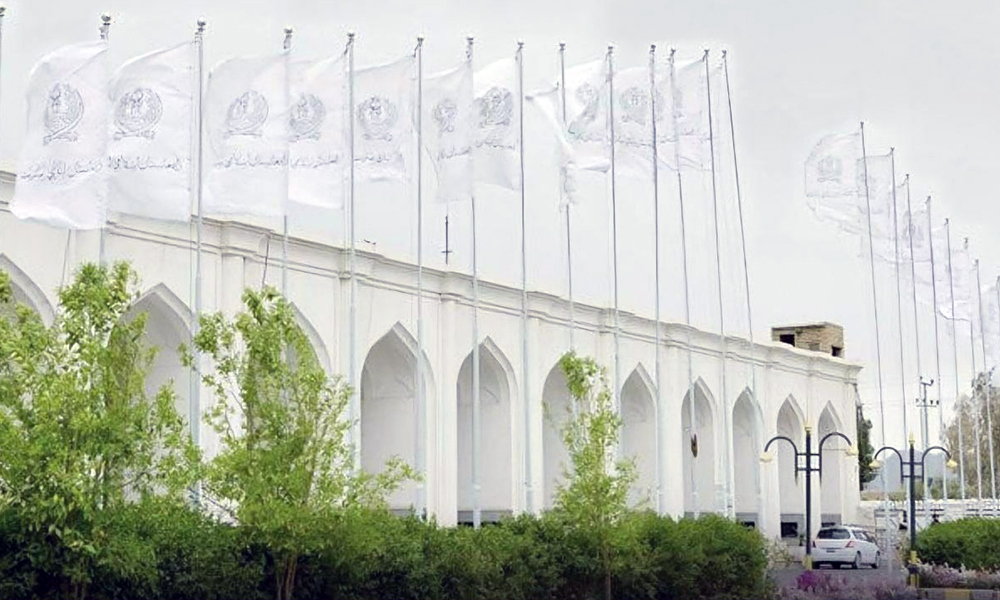
The supreme leader of the Islamic Emirate of Afghanistan (IEA), Hibatullah Akhundzada, chaired a meeting of the Council of Ministers in Kandahar, where he called for greater emphasis on religious education, justice, accountability, and public service, according to Deputy Spokesman Hamdullah Fitrat.
Speaking at the meeting, Akhundzada provided guidance to cabinet members on carrying out their responsibilities, implementing Sharia-based directives, addressing public concerns, and serving citizens with sincerity and commitment, Fitrat said.
The IEA leader stressed that strengthening the country’s Islamic system depends on expanding religious education and increasing public awareness of Islamic teachings. He urged officials to uphold Islamic values, provide religious guidance, and work to protect society from influences he described as harmful to moral and religious principles.
Akhundzada also underscored the importance of justice, humility, accountability, and ethical conduct among government officials, saying their actions should reflect Islamic teachings and set a positive example for the public.
According to Fitrat, the supreme leader further called for the expansion of Islamic education nationwide, noting that knowledge and strong religious conviction contribute to stability and effective governance.
The Council of Ministers also reviewed the implementation of previous decisions and discussed a range of administrative, economic, social, and political issues. Officials presented progress reports on ongoing programs, while decisions were taken on measures aimed at improving educational services and strengthening the country’s economic and political sectors.


ACCI chairman embarks on regional tour to boost trade and investment

Iranian private sector delegation arrives in Kabul to boost trade and investment cooperation

Central Asia–Afghanistan dialogue underscores regional connectivity and stability

IEA’s supreme leader chairs cabinet meeting in Kandahar, urges stronger religious education and public service

Iran warns Afghan migrants against unauthorized anti-IEA protests

Norway’s Viking-inspired World Cup team photo goes viral

Large blast near Beit Shemesh part of pre-planned test: Israeli defense firm

Trump returns from China with stability but little progress

Afghanistan announce squad for India series

Afghanistan, Russia sign military cooperation agreement

Tawsia: Increase in Afghanistan’s saffron exports discsused

Tahawol: Middle East crisis and future of Islamic world discussed

Saar: Kabul-Islamabad informal talks in Istanbul discussed

Tahawol: Fresh Pakistani military attacks on Afghanistan discussed

Saar: Emphasis on continued Indian support for Afghanistan discussed
-
 International Sports4 days ago
Norway’s Viking-inspired World Cup team photo goes viral
-

 International Sports3 days ago
One Day to Go: Everything you need to know about FIFA World Cup 2026
-

 International Sports4 days ago
Upsets and historic milestones highlight men’s action at Rome Taekwondo Grand Prix
-
 Latest News4 days ago
Karzai, UK envoy react after protest dispersed in Herat
-
 Latest News4 days ago
Uzbek company keen to establish mineral processing plant in Afghanistan
-

 Latest News3 days ago
Pakistani airstrikes on civilian areas in three Afghan provinces kill 13
-

 Sport2 days ago
Afghanistan A edge India A by four runs in rain-hit Tri-Nation opener
-
 Latest News4 days ago
Afghan central bank, AACC discuss expanding banking, trade and investment ties