
Latest News
Loya Jirga on fate of Taliban prisoners to convene Friday in Kabul

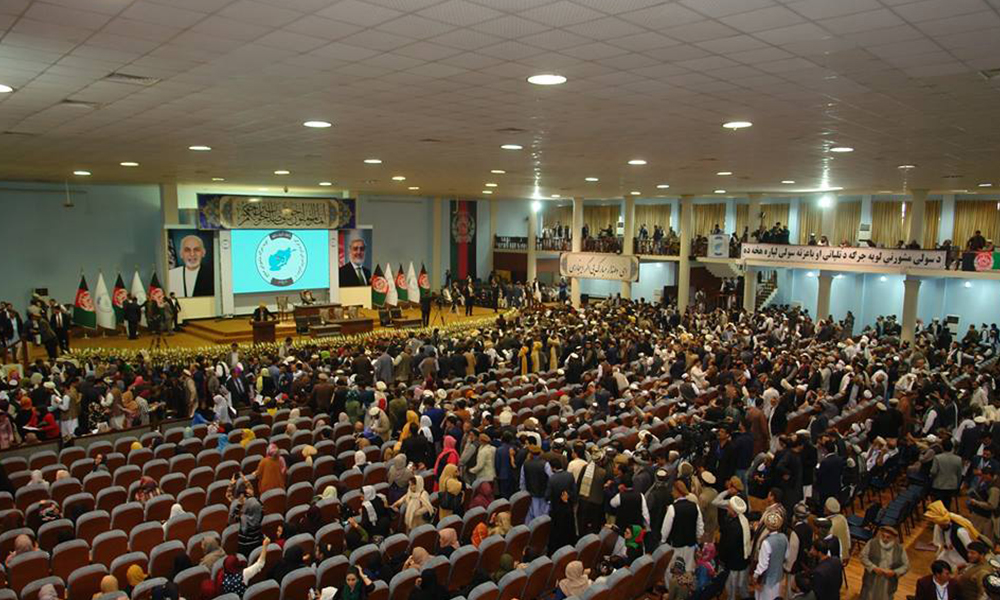
The Afghan government will convene a Consultative Loya Jirga on Friday in Kabul to decide the fate of the remaining 400 Taliban prisoners who are on the group’s list.
For this Jirga, the Presidential Palace is yet to release details but officials have said the expected participants would be the same as those who participated in the last Peace Jirga along with members of the High Council for National Reconciliation.
“Loya Jirga will be held on August 7th. It is in continuation of the Consultative Jirga for Peace. Members are the same from the previous Jirga which will be divided into different categories such as civil society, media, and people’s council … the commission that is tasked for convening the Jirga will provide further details by tomorrow,” said Sediq Sediqqi, a spokesman for the Presidential Palace.
A Loya Jirga is a mass national gathering that brings together representatives from the various ethnic, religious, and tribal communities in Afghanistan.
The Jirga, or “grand council” is a centuries-old tradition that is convened at times of a national crisis or to settle a national issue.
Historically, it has been used to approve a new constitution, declare war, choose a new king, or to make sweeping social or political reforms.
A question that’s been raised however is why did the government not convene a Loya Jirga on the release of the other 4,600 Taliban prisoners – who have already been freed.
Some lawyers believe however that this latest move, to hold a Loya Jirga, is purely symbolic and holds no legal authority.
Nasrullah Stanikzai, a law expert, said: “No one is authorized to forgive the Taliban prisoner. The Loya Jirga doesn’t have legal status. Its decisions don’t have a legal base. How can they resolve a legal issue? Political pressure has made the government release 4,500 Taliban prisoners. This Jirga, which is scheduled on Friday, is a symbolic and political move.”
In addition to this, the government has called for the Jirga – which will bring together scores of people – amid the ongoing COVID-19 pandemic. In April last year, a peace Jirga brought together more than 3,200 delegates.
The Ministry of Public Health does not, however, see this as an issue and feels participants should simply adhere to precautionary measures and health guidelines.
“Undoubtedly, we will consider all precautionary measures, and based on the health directives, it will not be a problem to hold a Loya Jirga,” said Mohammad Jawad Osmani, the Acting Health Minister.
Meanwhile, the Second Vice President, Sarwar Danesh, has told the US Deputy Ambassador to Kabul that holding the Jirga on the fate of the 400 controversial Taliban prisoners is a positive move toward intra-Afghan talks.
So far, the release of the 5,000 Taliban prisoners, as per the Doha agreement between the US and the Taliban, has been a stumbling block in the way of talks.
However, over 4,500 prisoners have already been released but 400 are still behind bars.
Some Afghan government officials and Western allies have in the past few weeks raised concerns over at least 200 of these prisoners. Many of them are said to have been the masterminds behind serious attacks over the past few years.




Latest News
Afghanistan-Gambia ties discussed during Doha meeting
Both sides also exchanged views on strengthening diplomatic engagement and exploring future economic cooperation.
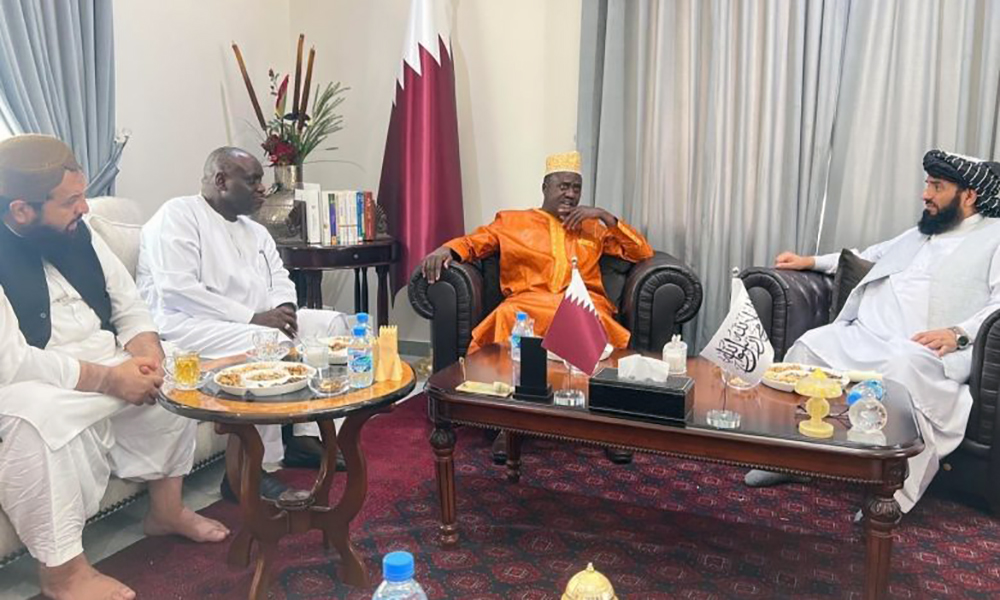
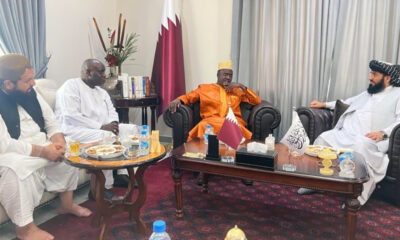
Suhail Shaheen, head of the Islamic Emirate’s embassy in Doha, has met with Omar Jah, Ambassador and Permanent Representative of The Gambia to Qatar, to discuss bilateral relations and areas of mutual interest.
According to a statement from the Afghan embassy in Doha, Jah also oversees Gambian diplomatic affairs related to Afghanistan.
The meeting focused on Afghanistan-Gambia relations, the current security situation in Afghanistan, and potential investment opportunities in the country.
Both sides also exchanged views on strengthening diplomatic engagement and exploring future economic cooperation.
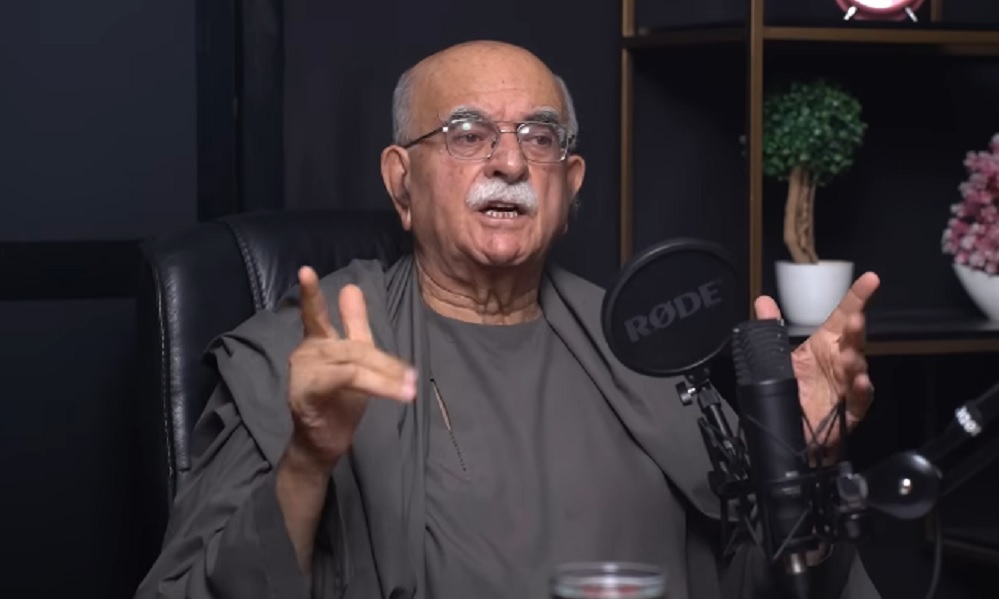
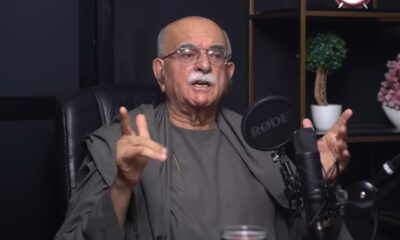
Mahmood Khan Achakzai, a member of Pakistan’s National Assembly and head of the Pakhtunkhwa Awami National Party, has said that if capable statesmen had been in power, people living on both sides of the Durand Line could have moved freely across the line.
Speaking during a podcast interview, Achakzai said that countries with histories of major conflict, including Russia, Germany and the United Kingdom, now maintain far more open borders despite past wars. He said that in many such regions, only a “paper line” remains, with limited border restrictions.
Drawing comparisons with the disputed Durand Line boundary between Afghanistan and Pakistan, Achakzai argued that a similar arrangement could have been possible in South Asia.
“What is the problem here? A Punjabi could dance in Kandahar and a Pashtun could come here. Even if we are not formally one country, we could have effectively functioned like one,” he said.
The Pakistani politician also referred to the Soviet invasion of Afghanistan and the later U.S.-led intervention, saying Afghanistan has the right to seek war reparations from those countries to support reconstruction efforts.
Achakzai further criticised the treatment of Pashtuns in Pakistan, alleging that individuals in cities including Lahore and Karachi have faced detention and deportation.
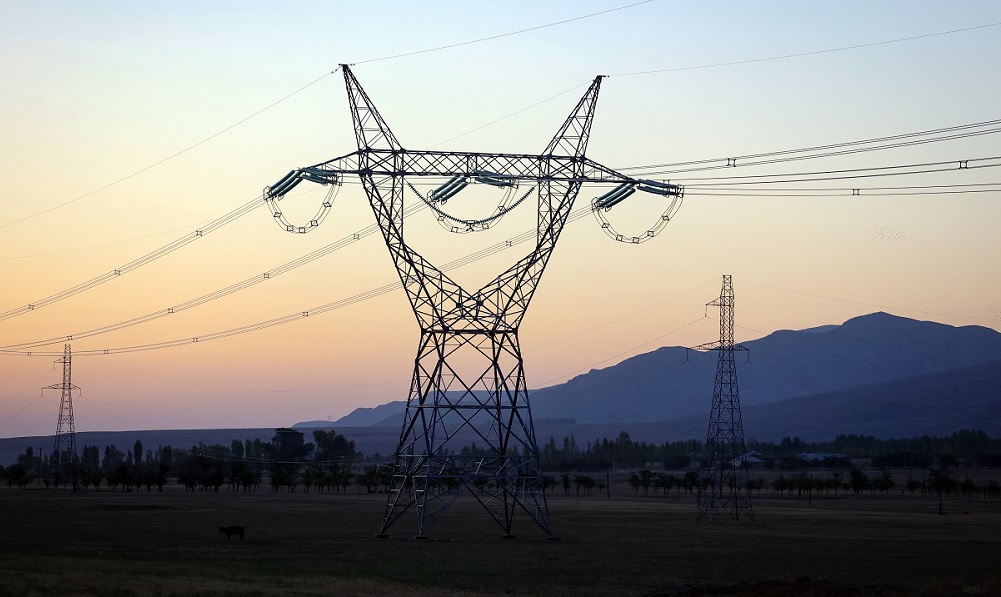
Kyrgyzstan has completed major construction work on its territory under the regional energy project CASA-1000, according to a recent report by the Eurasian Stabilization and Development Fund (ESDF). With key infrastructure now in place, further progress on the project depends on the completion of construction in Afghanistan, which is expected by the end of 2027.
The report notes that Kyrgyzstan, Tajikistan, and Pakistan have largely finalized their respective infrastructure components and are now awaiting the completion of the Afghan section before moving forward with full operational stages.
The CASA-1000 project, valued at approximately $1.2 billion, aims to establish a high-voltage electricity transmission line linking Central and South Asia. The initiative is designed to enable Kyrgyzstan and Tajikistan to export surplus hydropower during summer months, when electricity demand rises in Pakistan and Afghanistan due to increased use of cooling systems.
Construction work in Afghanistan was suspended in August 2021, at a stage when only about 18 percent of transmission structures had been installed, although more than 90 percent of equipment had already been delivered to the country. Following extended negotiations and security assurances, work on the Afghan section resumed in December 2024.
ESDF experts say that once construction in Afghanistan is completed, participating countries will be able to begin technical testing of the high-voltage direct current (HVDC) system. A full launch of the regional energy corridor is expected by the end of 2027, marking a significant milestone in regional energy integration between Central and South Asia.


Afghanistan-Gambia ties discussed during Doha meeting

Ariana Snooker Championship Season 2 set to kick off next week

Pakistan’s Achakzai calls for freer movement across disputed Durand Line

US and Iran closing in on one-page memo to end war, Axios reports

CASA-1000: Kyrgyzstan completes its part, Afghanistan work still in progress

Bayat Power extends gas supply deal with Afghan Gas

Etihad Airways to expand Kabul–Abu Dhabi flights to daily service amid surging demand

Afghanistan’s new cricket head coach Richard Pybus arrives in Kabul

Afghanistan moves toward self-sufficiency in car battery production

Millions of Afghans continue to rely on humanitarian health services

Tahawol: Diplomatic turn in Iran–US confrontation discussed

Saar: Expanding interaction between countries and IEA discussed

Tahawol: Deportation of Afghan refugees from Germany discussed

Saar: Criticism over Pakistan’s policies discussed

Tahawol: Pakistan’s dual policy on Afghanistan
-
 Regional5 days ago
Iranian proposal rejected by Trump would open strait before nuclear talks, Iran official says
-

 World4 days ago
Trump says US could restart Iran strikes ‘if they misbehave’
-
 Regional4 days ago
Iran says it has received US response to its latest offer for talks
-
 Business4 days ago
Afghan economic commission approves 12 major development projects across key sectors
-
 Sport3 days ago
Afghanistan set for Maldives four-nation tournament
-
 Latest News4 days ago
UN warns funding cuts are slowing mine clearance efforts in Afghanistan
-

 Business3 days ago
Kazakhstan grain exports to Afghanistan jump sharply
-
 Latest News4 days ago
Afghan officials say media should align with Islamic and national values