
IEA says Afghanistan is not responsible for ‘security failure’ of Pakistan

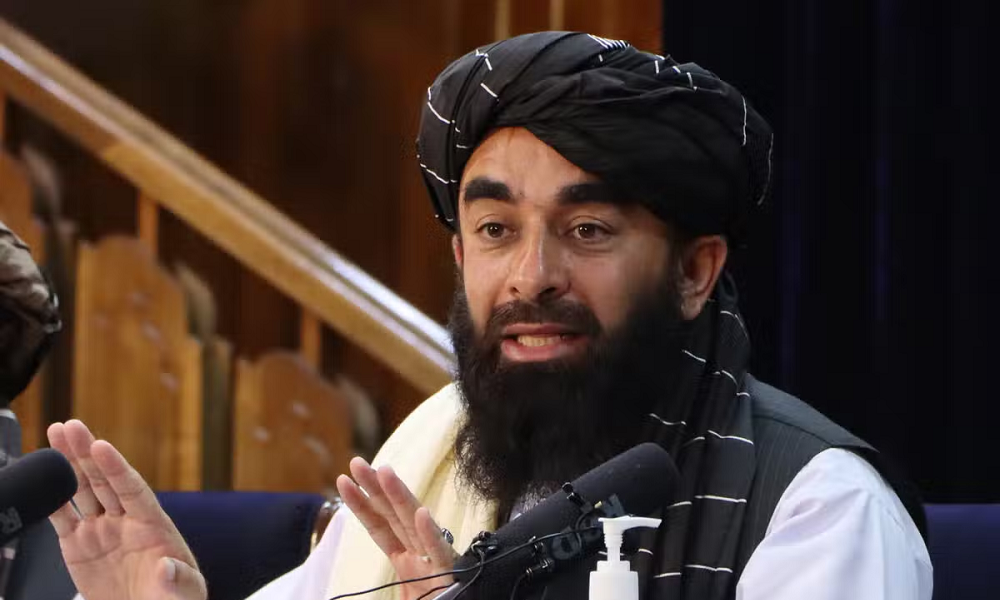
The Islamic Emirate of Afghanistan (IEA) has again rejected claims by Pakistan that Afghan nationals are involved in terror attacks across the border and stated that Afghanistan is not responsible for the “security failure of any country in the region.”
According to a statement issued late Tuesday night by the IEA’s spokesman Zabiullah Mujahid, the IEA “completely rejects these allegations and tells the Pakistani authorities that Afghanistan is a country that has come out of long wars and does not want insecurity in any other country, especially neighboring countries.
“The government of Afghanistan once again reiterates its principled position that it does not allow the territory of Afghanistan to be used against the security of any other country, but this does not mean that Afghanistan is responsible for the security failure of any country in the region.”
The IEA stated that the region has been a “victim of foreign invasion led by America and the wrong policies of some countries in the region” over the past 20 years, “the effects of which are still being felt.”
Pakistan should carefully manage its security situation and find a solution at home, the statement read.
The IEA stated that in the past year, 18 Pakistani Daesh members were killed in different operations in Afghanistan – militants who had carried out explosions and attacks in the country. Dozens more were captured, the statement read.
“Instead of pointing the finger of blame at the Pakistani side, the Afghan government has strengthened its security measures.
It is worth mentioning that if someone attacks in Pakistan or the blood of the Muslims of Afghanistan and Pakistan is shed in the name of Daesh, a solution should be found together, blaming is not the solution.”
The statement also noted that when conspiracies to attack religious scholars and seminaries in Afghanistan and in the region have been uncovered, IEA intelligence agencies have informed countries in the region of this in advance. “Unfortunately, some countries did not take timely measures.”
The IEA again emphasized it is not in favor of attacks being carried out in Pakistan, but that “the prevention and control of attacks inside the territory of Pakistan is not our responsibility; Rather, it is the duty of the security and intelligence agencies in that country, for which they spend a large part of their country’s budget.
In the past two years, since an independent and responsible government has been established in Afghanistan, the security situation in Afghanistan and the region has improved significantly. The fact that security incidents have increased only in Pakistan, Pakistan needs to find a solution in its own country.”








Abu Muslim Farah beat Omar Zawak Herat 4-0 in the 30th match of the sixth season of the Roshan Afghanistan Champions League, delivering an impressive performance.
The match was played today (Wednesday) at the Afghanistan Football Federation Stadium.
Samiullah Naderi scored Abu Muslim Farah’s opening goal in the final minutes of the first half.
Abu Muslim Farah continued their attacking play in the second half, with Aman Sardari scoring the team’s second goal in the 69th minute with a spectacular header.
Omid Rajabi and Mirois Ghafouri then added two more goals to complete a 4-0 victory for Abu Muslim Farah.
Amanullah Sardari, captain of Abu Muslim Farah, was named Player of the Match against Omar Zawak Herat.
Abu Muslim Farah will face Ariana Khost in their next match on October 2, while Omar Zawak Herat will take on Istiqlal Kabul on the same day.
The sixth season of the Roshan Afghanistan Champions League is being broadcast live on Ariana Television.


Tahawol: Improvement in Afghanistan-China relations discussed

Saar: Expanding ties with regional and global countries discussed

Abu Muslim Farah beat Omar Zawak Herat 4-0 in Afghanistan Champions League

ACB launches nationwide fast-bowling talent hunt

US extends Qatar camp stay for more than 1,000 Afghans

Saudi energy group signs major Afghanistan deals covering gas exploration and pipeline plans

Iranian clubs to face Gulf opponents at neutral venues in Asian Champions League Elite

Khalilzad: Afghanistan ready to attract major investment

Ariana Television Network secures exclusive rights to Afghanistan’s 2026/27 cricket series

Pakistan, Saudi Arabia and Türkiye strengthen new Mecca Defence Alliance
Tahawol: Improvement in Afghanistan-China relations discussed
Saar: Expanding ties with regional and global countries discussed

Tahawol: Absence of Afghanistan’s envoy at UNGA discussed

Saar: Assessment of war between Afghanistan and US discussed

Saar: Afghanistan’s image at UNGA
-

 Sport4 days ago
Afghan bodybuilder Ali Bilal finishes runner-up at Mr Olympia for third straight year
-
 Latest News4 days ago
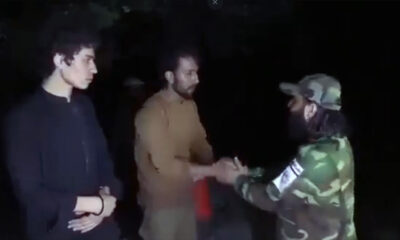
Afghanistan says 28 killed, 32 captured in Nuristan operation
-
 World4 days ago
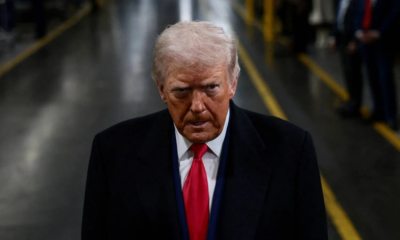
Trump rejects Iranian proposal to open Hormuz and end fighting
-

 Sport5 days ago
Afghanistan Champions League: Omar Zawak Herat beat Toofan Herat 1-0
-
 Sport5 days ago
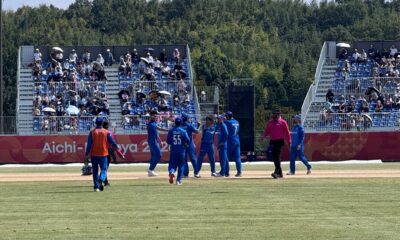
Afghanistan to face India in Asian Games cricket quarter-final
-
 World5 days ago
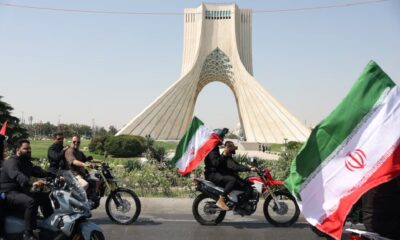
Iran awaits US move after WSJ report says Trump rejects peace plan
-

 Latest News5 days ago
Khalilzad questions Pakistan’s commitment to Afghan welfare
-
 Latest News4 days ago
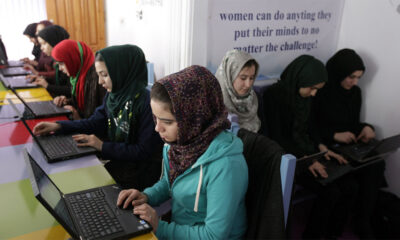
UNDP, UN Women launch financing initiative for Afghan women entrepreneurs