
Latest News
Over 250,000 Afghan refugees return home from Pakistan and Iran in April
Many refugees who have returned from Pakistan have had to leave mostly everything behind, including houses, businesses and possessions.

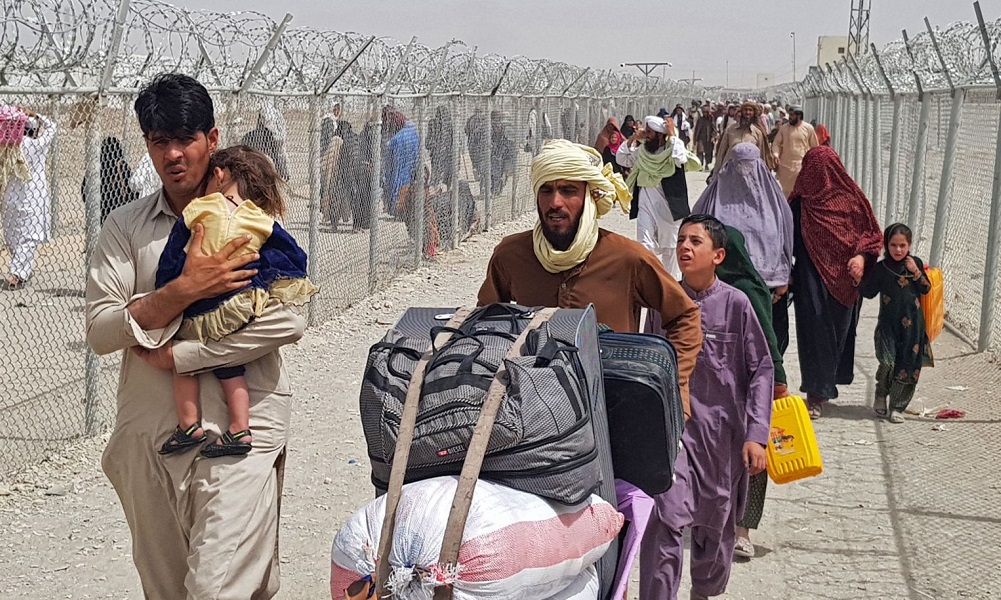
More than 250,000 Afghan refugees returned home from neighboring Pakistan and Iran in April, the United Nations High Commissioner for Refugees (UNHCR) reported late Sunday.
“Among them are women and girls, who face an uncertain future with restrictions on education, jobs and freedom of movement. Any returns must be voluntary, safe and dignified,” the UNHCR said in a post on X.
Nearly seven million Afghan refugees are living outside the country – a large percentage of whom live in Pakistan and Iran.
Last year, the Pakistani government said it would expel as many as three million Afghans this year. Iran have also called on undocumented Afghans living in the country to return home.
However, with the high levels of poverty and unemployment in Afghanistan, the returning refugees are in urgent need of assistance.
Many refugees who have returned from Pakistan have had to leave mostly everything behind, including houses, businesses and possessions.
Transit camps have been set up at the border crossings to accommodate the return refugees, and international organizations, along with the Islamic Emirate, have been striving to ease the return of the refugees as much as possible.
However, funding cuts in humanitarian assistance has had a huge impact on the level of assistance that organizations can provide.
Urgent funding appeal
Last week, the UN Refugee Agency (UNHCR) warned that an even deeper humanitarian crisis is looming in Afghanistan as tens of thousands of Afghan refugees return from neighbouring countries.
UNHCR spokesperson Babar Baloch said that the agency urgently needs $71 million to assist those arriving home. Baloch said these refugees face desperate conditions once in the country.
In April, more than 251,000 Afghans returned in adverse circumstances from Iran and Pakistan, including over 96,000 who were deported, Baloch said.
He said the UNHCR continues to advocate with the governments of Iran and Pakistan that returns to Afghanistan must be voluntary, safe and dignified. “Forcing or putting pressure on Afghans to return is unsustainable and could destabilize the region,” he said.
“While UNHCR recognizes the many challenges – including economic pressures – facing these countries that have hosted millions of Afghans for decades, we have also consistently shared our concerns that regardless of their legal status, people forced to return to Afghanistan may encounter serious protection risks,” Baloch said.
Since 2023, more than 3.4 million Afghans have returned or been deported from Iran and Pakistan, including over 1.5 million in 2024 alone.
The UNHCR said such mass returns have strained the capacity of many provinces in Afghanistan and exacerbated the risk of further internal displacement.
The organization also warned that there has been new displacement into Iran and Pakistan, and heightened risks of onward movements towards Europe.
In 2024, Afghans became the largest group (41 percent) of irregular arrivals from the Asia-Pacific region into Europe.


Latest News
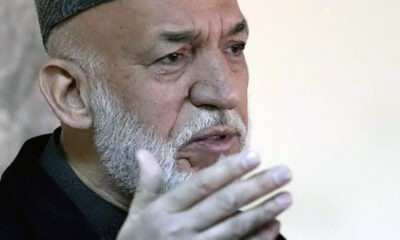
Karzai condemns Pakistani airstrikes on Kunar and Helmand
In a statement, Karzai expressed condolences to the families of those killed and wished a swift recovery to those injured.
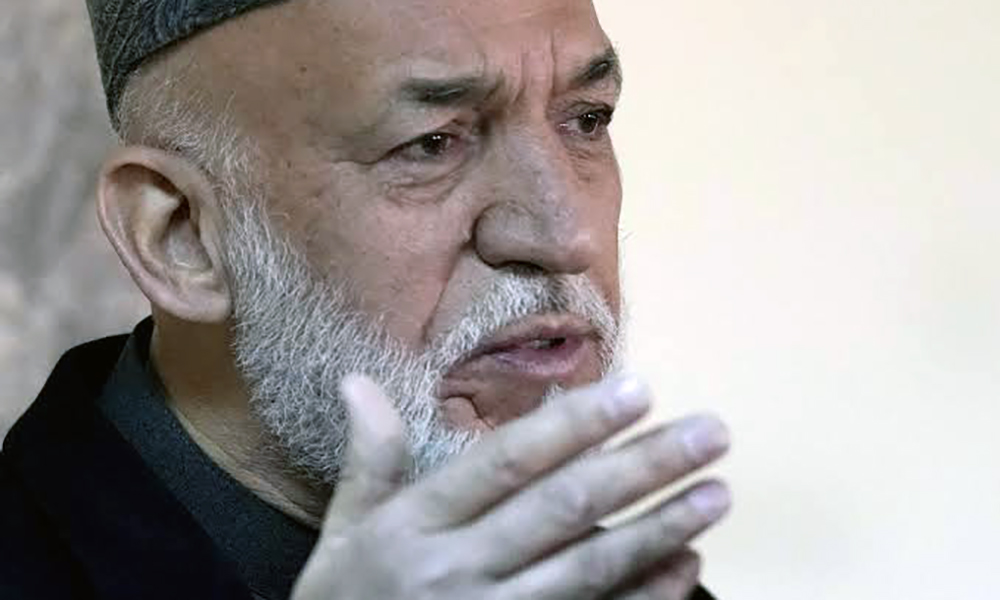
Former Afghan President Hamid Karzai has strongly condemned recent Pakistani airstrikes on residential areas in Kunar and Helmand provinces, saying the attacks resulted in civilian casualties, including women and children.
In a statement, Karzai expressed condolences to the families of those killed and wished a swift recovery to those injured.
Karzai described the actions by Pakistani forces as a violation of Afghanistan’s sovereignty and territorial integrity, stressing that Afghans would stand united in defending their country against foreign aggression.
He also called on Pakistan’s leaders to review what he described as confrontational and hostile policies toward Afghanistan, urging Islamabad to avoid actions that harm Afghan civilians.
Karzai further called for an end to the promotion of extremism and division, and urged Pakistan to engage with Afghanistan on the basis of good-neighborly relations and civilized cooperation.
Latest News
Moscow to host 8th meeting of Afghanistan consultations on October 5
Russian Foreign Minister Sergey Lavrov is expected to address the participants during the consultations.
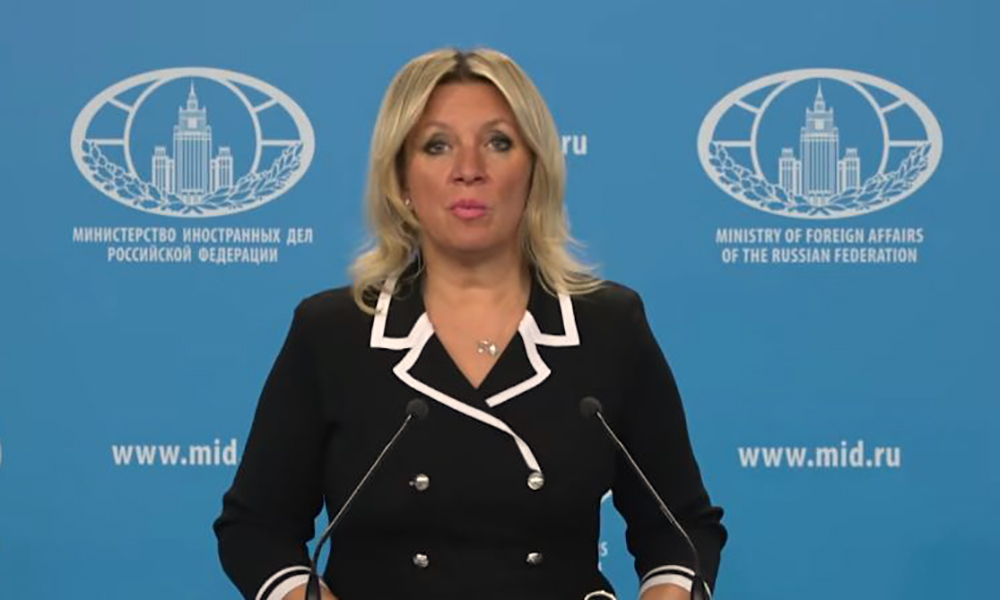
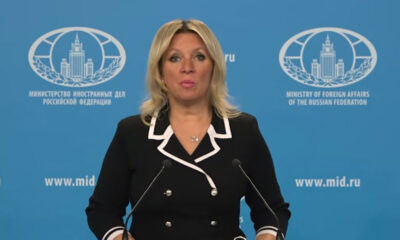
The eighth round of the Moscow Format consultations on Afghanistan will be held in Moscow on October 5, Russian Foreign Ministry spokesperson Maria Zakharova said Wednesday.
The meeting will bring together special representatives and senior officials from Afghanistan, Russia, China, Iran, India, Pakistan, Kazakhstan, Kyrgyzstan, Tajikistan and Uzbekistan.
Belarus and Egypt have also been invited to participate as guest countries, Zakharova said during a briefing.
Russian Foreign Minister Sergey Lavrov is expected to address the participants during the consultations.
According to Zakharova, the Afghan delegation will be led by Afghanistan’s foreign minister, who is also scheduled to hold a separate meeting with Lavrov on the sidelines of the event.
The bilateral talks are expected to focus on current issues related to cooperation between Russia and Afghanistan.
At the broader consultations, participants are expected to discuss political and economic cooperation between Afghanistan and regional countries, as well as efforts to strengthen regional cooperation in combating terrorism and drug trafficking.
A joint statement is expected to be adopted at the conclusion of the meeting, Zakharova said.
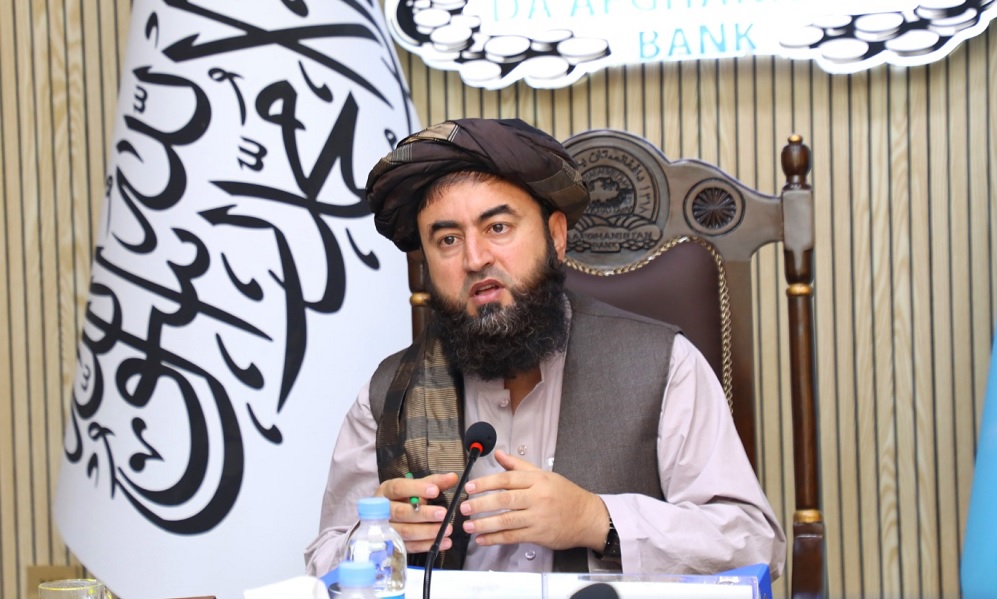
Da Afghanistan Bank (DAB) says public deposits in the country’s banks have increased this year, with significant progress also recorded in the banking sector.
Sediqullah Khalid, First Deputy Governor of DAB, made the remarks at a meeting of the bank’s Supreme Council, saying the increase in deposits reflects greater stability in the banking sector and increased public confidence in the country’s banking system.
The meeting discussed the country’s monetary policies, the current condition of the banking sector, the development of Islamic banking, the expansion of electronic banking, and broader public access to financial services.
Khalid emphasized the implementation of effective monetary policies, assessment of the banking sector, continued efforts to develop Islamic banking, expansion of electronic banking, and improving public access to financial services.
He also highlighted the stability of the Afghan afghani, saying that despite global economic challenges, the currency had maintained its stability over the past year compared with many regional and international currencies.
According to Khalid, the stability of the afghani reflects the effectiveness of DAB’s well-calibrated and targeted monetary policies.


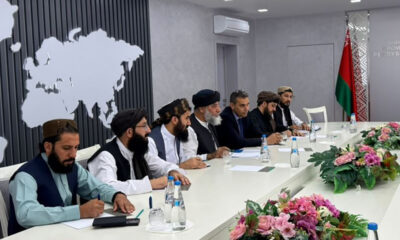
Afghanistan, Belarus discuss expanding industrial and trade cooperation

Karzai condemns Pakistani airstrikes on Kunar and Helmand

Moscow to host 8th meeting of Afghanistan consultations on October 5

Da Afghanistan Bank reports increase in public bank deposits

Pakistani airstrikes kill nine Afghan civilians, injure 11

Saudi energy group signs major Afghanistan deals covering gas exploration and pipeline plans

Iranian clubs to face Gulf opponents at neutral venues in Asian Champions League Elite

Khalilzad: Afghanistan ready to attract major investment

Ariana Television Network secures exclusive rights to Afghanistan’s 2026/27 cricket series

El Niño likely to intensify, may become strongest ever recorded, WMO says

Tahawol: Improvement in Afghanistan-China relations discussed

Saar: Expanding ties with regional and global countries discussed

Tahawol: Absence of Afghanistan’s envoy at UNGA discussed

Saar: Assessment of war between Afghanistan and US discussed

Saar: Afghanistan’s image at UNGA
-

 Sport4 days ago
Afghan bodybuilder Ali Bilal finishes runner-up at Mr Olympia for third straight year
-
 Latest News4 days ago
Afghanistan says 28 killed, 32 captured in Nuristan operation
-
 World4 days ago
Trump rejects Iranian proposal to open Hormuz and end fighting
-

 Sport5 days ago
Afghanistan Champions League: Omar Zawak Herat beat Toofan Herat 1-0
-
 Latest News4 days ago
UNDP, UN Women launch financing initiative for Afghan women entrepreneurs
-
 Sport3 days ago
Afghanistan vs India Asian Games quarter-final abandoned without a toss
-

 Business5 days ago
Ariana Afghan Airlines increases Kabul-Delhi cargo flights
-
 Latest News4 days ago
Germany reports 488 Afghans for possible deportation, 267 have no criminal convictions