
Afghanistan Coronavirus cases rise to 31,836 with 774 deaths

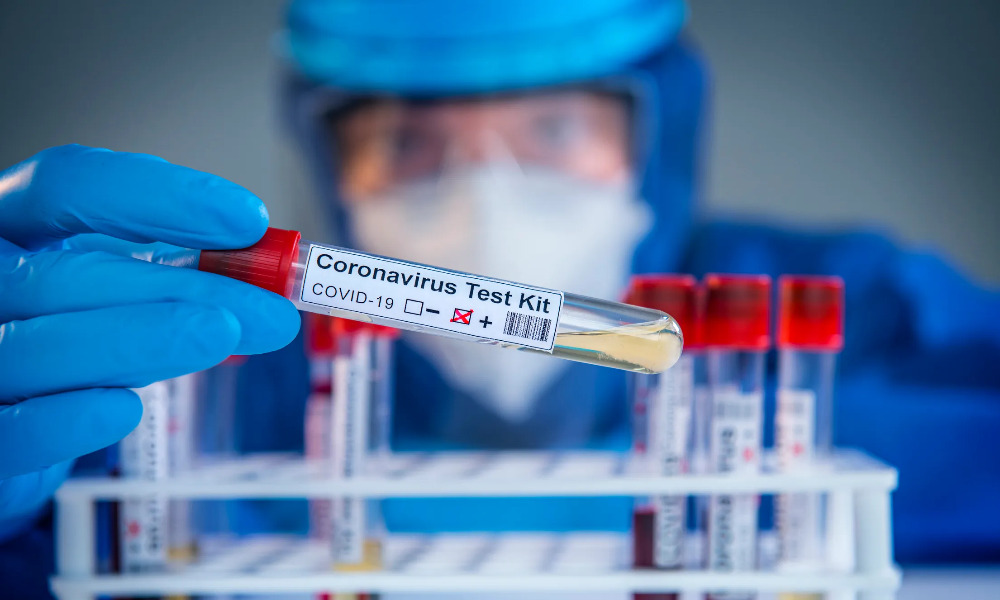
Twenty-eight Coronavirus patients have died in the past 24 hours, the Ministry of Public Health said in a statement.
A COVID-19 updates surveillance released on Wednesday by the ministry shows that the death cases were recorded in Kabul (24), Nangarhar (2), Balkh (1), and Maidan Wardak (1).
It brings the total death fatalities to 774 in the country.
Meanwhile, 319 new confirmed cases have been registered in the past 24 hours.
The cases were registered as follows: Kabul 133, Herat 42, Kandahar 10, Balkh 8, Nangarhar 5, Takhar 14, Baghlan 5, Badghis 11, Logar 3, Wardak 2, Badakhshan 6, Laghman 1, Daikundi 56, Farah 21, Panjsher 1, Zabul 1.
The Health Ministry said that the total affected people reached to 31,836 in Afghanistan.
The surveillance indicates that 1,520 patients have recovered their health and fully discharged from the hospitals in the last 24 hours, bringing the total recoveries to 15,651.
There are 10,498,090 cases tested positive worldwide, with 511,851 deaths and 5,374,764 recoveries.

Sport
Omar Zawak beat Ariana FC 2-0 in Afghanistan Champions League clash
Samir Samandari put Omar Zawak ahead in the 9th minute, before Hatim Sherdel doubled the advantage in the 37th minute.
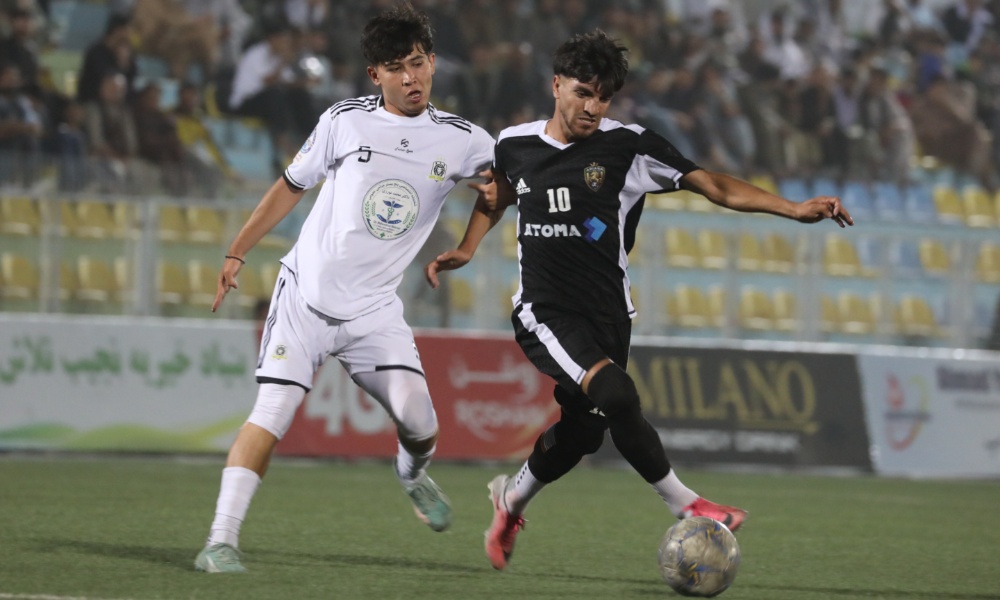
Omar Zawak continued its strong Afghanistan Champions League Season 6 campaign with a 2-0 victory over Ariana FC in the second match of the day on Monday.
Samir Samandari put Omar Zawak ahead in the 9th minute, before Hatim Sherdel doubled the advantage in the 37th minute.
Ariana FC were unable to find a response after the break as Omar Zawak comfortably protected its two-goal lead to secure another three points.
The victory leaves Omar Zawak still in third place in the Afghanistan Champions League standings after eight matches.
Omar Zawak now has 19 points, with a record of six wins, one draw and one defeat. They have scored 15 goals and conceded nine, giving them a +6 goal difference.
The team has also won four of its last five matches.
The result further strengthens Omar Zawak’s position among the leading sides as the Season 6 race continues.
Ariana FC remains in fourth place on 14 points after eight matches. Their record now stands at four wins, two draws and two defeats.
The result further tightens the battle near the top of the Afghanistan Champions League table, with Omar Zawak continuing to chase the leading sides as Season 6 progresses.
Ariana Television brings the action live
Ariana Radio and Television Network is broadcasting all Afghanistan Champions League matches live and exclusively on Ariana Television.
Fans are encouraged to follow Ariana Television and Ariana News’ social media pages for the latest updates, schedules, highlights and much more from the Afghanistan Champions League.
Latest News
UN envoy urges progress on women’s rights during Afghanistan visit
She also reaffirmed the UN’s readiness to support Afghans returning from neighboring countries.
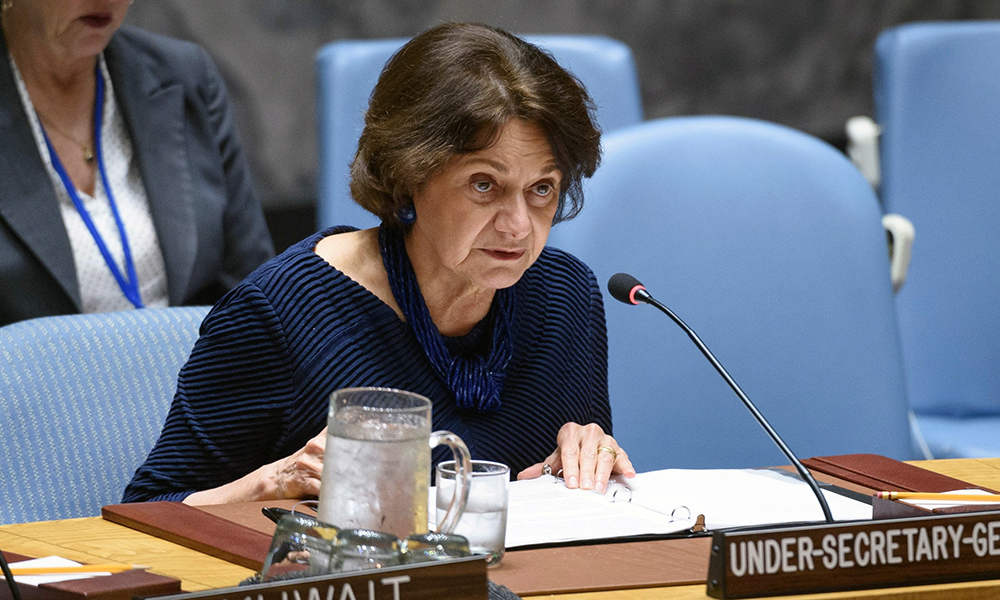
United Nations Under-Secretary-General for Political and Peacebuilding Affairs Rosemary DiCarlo concluded her visit to Afghanistan on Sunday after holding meetings with the Islamic Emirate authorities, civil society representatives, women leaders and Afghan female UN personnel.
During meetings with the IEA, DiCarlo reaffirmed the UN’s commitment to advancing the Doha process and noted progress made by its two working groups on counter-narcotics and the private sector.
She stressed the importance of turning dialogue into practical results for the Afghan people, while both sides reaffirmed their commitment to continued engagement.
DiCarlo also conveyed concerns raised by UN member states over the situation of women and girls, particularly restrictions on girls’ access to education.
She said progress on women’s and girls’ rights would contribute to Afghanistan’s development and also raised concerns over restrictions affecting Afghan female UN personnel.
The UN official highlighted the challenges facing Afghanistan, including economic and social pressures, climate change and natural disasters.
She also reaffirmed the UN’s readiness to support Afghans returning from neighboring countries.
During meetings with civil society representatives and women leaders, DiCarlo recognized their important contributions to communities across Afghanistan.
Latest News
Muttaqi, Lavrov discuss expanding Afghanistan-Russia ties
The two sides also discussed regional stability, counter-narcotics efforts and security issues, with Russia acknowledging Afghanistan’s efforts in these areas.
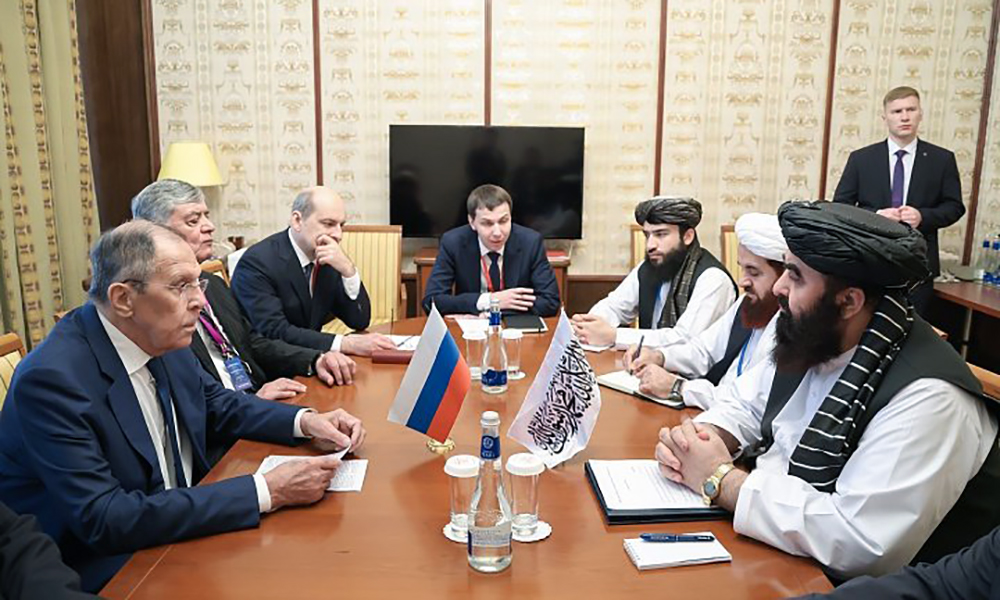
Afghanistan’s Foreign Minister Amir Khan Muttaqi met with Russian Foreign Minister Sergey Lavrov in Moscow to discuss bilateral relations, economic and trade cooperation, regional developments and continued political consultations.
According to Afghanistan’s Ministry of Foreign Affairs, Muttaqi called for deeper political understanding between the two countries and greater cooperation in trade, transit and economic affairs.
He stressed Afghanistan’s interest in developing long-term and mutually beneficial relations with Russia.
Lavrov emphasized the importance of continued political consultations and expressed Moscow’s interest in further expanding economic and trade ties with Afghanistan.
The two sides also discussed regional stability, counter-narcotics efforts and security issues, with Russia acknowledging Afghanistan’s efforts in these areas.


Omar Zawak beat Ariana FC 2-0 in Afghanistan Champions League clash

UN envoy urges progress on women’s rights during Afghanistan visit

Muttaqi, Lavrov discuss expanding Afghanistan-Russia ties

ACL: Abu Muslim Farah maintain momentum with 2-0 win over Arman FC

Tahawol: Afghanistan-Iran: shared opportunities and challenges discussed

Saudi energy group signs major Afghanistan deals covering gas exploration and pipeline plans

Khalilzad: Afghanistan ready to attract major investment

Messi returns to Inter Miami after Argentina retirement

Imam Abu Hanifa exhibition to draw exhibitors from more than 20 countries

Maryam Nawaz says Punjab faces greater security threats from neighbouring provinces
Tahawol: Afghanistan-Iran: shared opportunities and challenges discussed

Saar: Pakistan’s hostile policy toward Afghanistan discussed

Tahawol: Doha process seeks new cooperation opportunities

Saar: Moscow forum 8th consultative meeting on Afghanistan

Tahawol: Escalation of internal political crisis in Pakistan discussed
-
 Latest News5 days ago
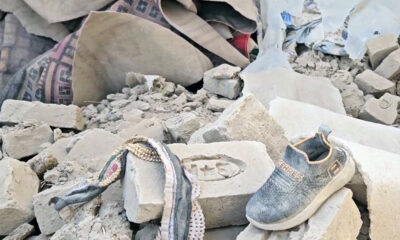
Four members of one family killed in Helmand in Pakistan airstrike
-
 Sport4 days ago
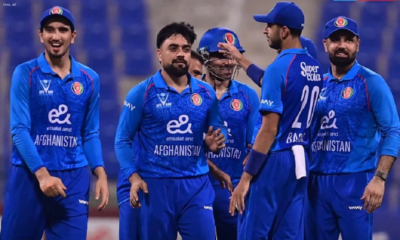
ACB announces Afghanistan squads for Bangladesh, Zimbabwe series
-
 Latest News5 days ago
Moscow to host 8th meeting of Afghanistan consultations on October 5
-
 Latest News4 days ago
Russia expects to ease Afghanistan-Pakistan tensions at Moscow Format meeting
-
 Sport5 days ago
Rashid Khan, Azmatullah Omarzai maintain top spots in ICC ODI rankings
-
 International Sports4 days ago
Afghanistan to face Pakistan, India and Australia at 2027 Cricket World Cup
-
 Regional4 days ago
Saudi-led coalition says Houthis attacked power station for Prophet’s Mosque in Medina
-
 Regional4 days ago
Cargo stacks up as Pakistan seizes containers to block capital routes