
Latest News
Afghanistan aid response at breaking point, $1.4b funding gap
Only 53 percent of the $3.06 billion required for the 2024 response had been secured by May 2025, leaving a $1.43 billion gap that threatens to carry over into the current year.


Afghanistan’s humanitarian crisis is at risk of worsening this year, as aid agencies warn of a severe funding shortfall that could derail efforts to deliver life-saving assistance to millions across the country.
According to the Inter-Cluster Coordination Team (ICCT), only 53 percent of the $3.06 billion required for the 2024 response had been secured by May 2025, leaving a $1.43 billion gap that threatens to carry over into the current year.
The shortfall has already impacted the ability of humanitarian partners to meet basic needs across sectors such as health, water and sanitation (WASH), shelter, and protection.
While 2024 saw 22.4 million people reached with at least one form of assistance—exceeding the 17.3 million target—the response remained heavily skewed toward food aid, with 67 percent of beneficiaries receiving food, often in reduced rations and fewer rounds.
“The scope of need far outpaces the resources available,” said a senior humanitarian official in Kabul. “This level of underfunding is not just a budget issue—it is a direct threat to lives.”
Despite efforts to scale up delivery in Afghanistan’s most vulnerable areas—reaching 129 percent of the planned population in high-severity districts—only 3.1 million people received sustained, multi-sectoral support in any given month. This figure represents just 41 percent of the 7.6 million targeted for intersectoral assistance.
2025 Response at Risk
With the 2025 Humanitarian Needs and Response Plan still underfunded, agencies warn that service delivery may deteriorate further, particularly in critical areas such as healthcare, sanitation, and emergency shelter. Clusters like WASH and Health, each aiming to reach over 10 million people, remain especially underfunded, raising concerns about rising malnutrition rates, disease outbreaks, and preventable deaths.
The funding deficit has been exacerbated by reduced international attention, competing global crises, and operational constraints inside Afghanistan—including restrictions on female aid workers and limited humanitarian access in some regions.
Call for Urgent Action
Humanitarian leaders are calling on donors to urgently step up financial commitments for 2025, warning that without swift action, progress made in 2024 could quickly unravel.
“Millions are depending on this aid to survive,” said an ICCT coordinator. “Without adequate funding, we cannot maintain critical services, let alone expand them.”
As Afghanistan enters yet another year of overlapping crises—including economic collapse, climate-related shocks, and mass displacement—the stakes for bridging the humanitarian funding gap have never been higher.

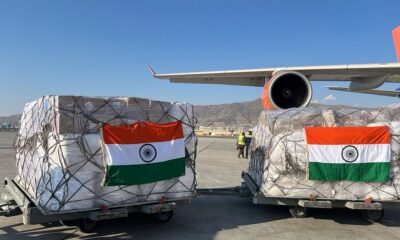



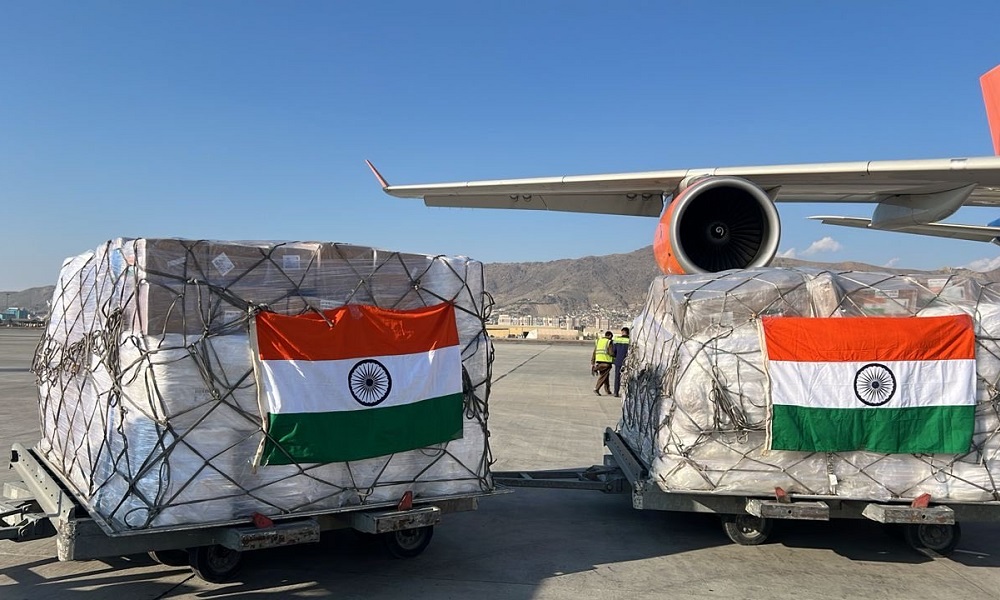
Randhir Jaiswal, spokesperson for India’s Ministry of External Affairs, announced on Friday that a 2.5-ton consignment, including emergency medicines, medical disposables, kits, and equipment has been delivered to Kabul.
According to him, the aid shipment is intended to support the swift recovery of those injured in the recent airstrike by Pakistan’s military regime.
He emphasized that India stands with the people of Afghanistan and will continue to provide all possible humanitarian assistance.
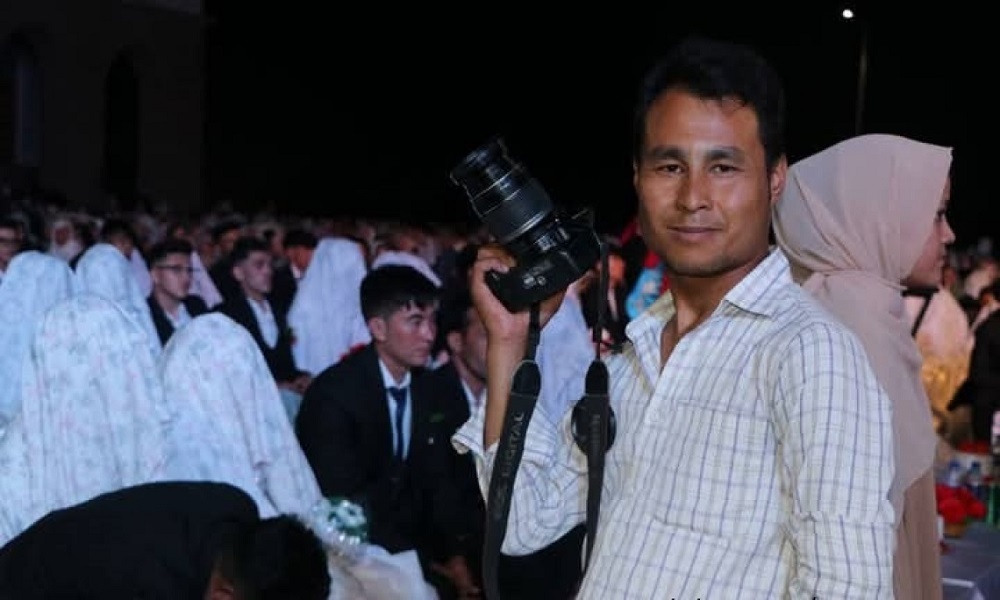
The Afghanistan Journalists Center (AFJC) has announced that Mahdi Ansary, a reporter for the Afghan News Agency (AFKA), has been released after serving one and a half years in Bagram prison.
In a statement welcoming his release, AFJC emphasized that the fundamental rights of this journalist—who had been tried and imprisoned on charges of cooperating with exiled and foreign media—were “seriously” violated.
Ansari was arrested on October 5, 2023, after returning from his workplace in Kabul.
He was sentenced on January 1, 2024 by the Kabul Primary Court to one and a half years in prison on charges of “propaganda against the Islamic Emirate.”
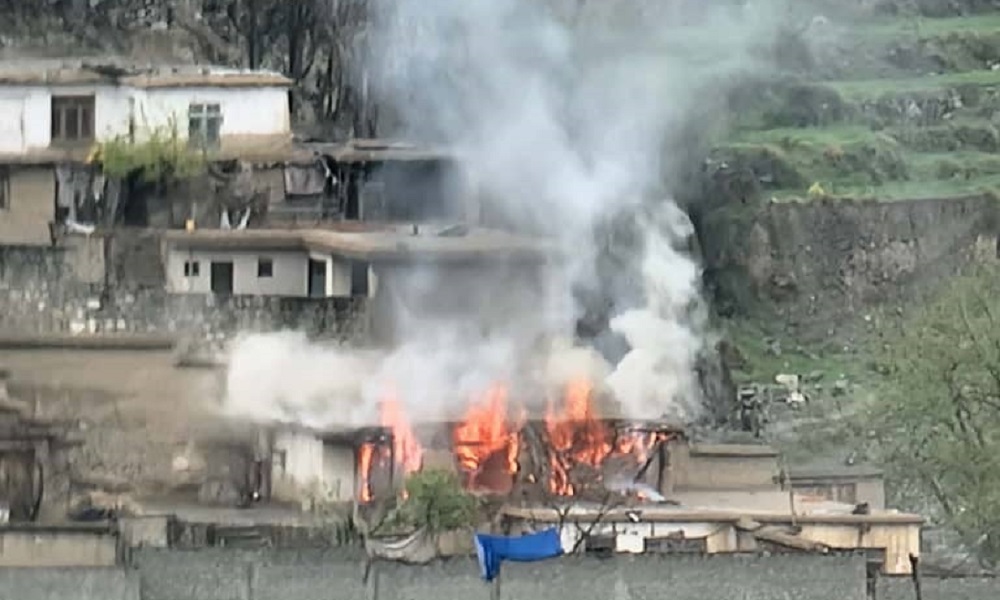
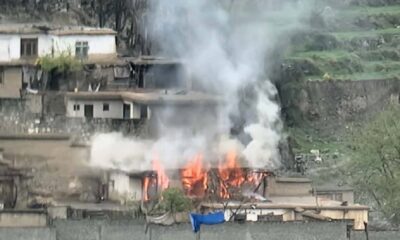
Farid Dehqan, spokesperson for the Khas Kunar police command, said that rocket attacks by the Pakistani military regime are still ongoing in the province.
These attacks come despite earlier announcements by the Pakistani military of a temporary ceasefire for Eid.


Tawsia: Assessment of Afghanistan’s economic activities in 1404

India sends 2.5-ton medical shipment to Afghanistan

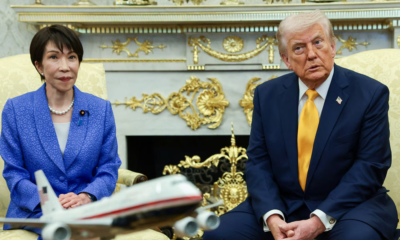
Trump compares Iran strikes to Pearl Harbor in meeting with Japan’s leader

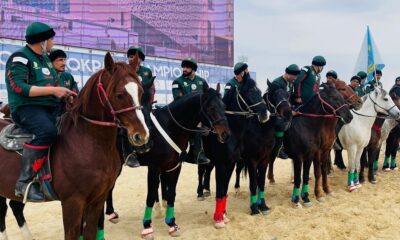
Afghanistan national buzkashi falls short in Kokpar World Championship semifinals

Mahdi Ansary, local journalist, released from prison

Pakistani military jet downed in Afghanistan’s Jalalabad, pilot captured alive

Afghan Air Force conducts airstrikes in Islamabad, other cities

Afghanistan welcomes investment and technology partnerships with India

Prominent Muslim scholar issues fatwa calling for Afghanistan-Pakistan ceasefire

Afghan air force strikes key Pakistani military installations in retaliatory operation
Tawsia: Assessment of Afghanistan’s economic activities in 1404

Tahawol: Temporary ceasefire draws broad support

Saar: Emphasis on resolving conflicts through diplomacy

Tahawol: Global reactions to Pakistan’s recent attacks discussed

Saar: Consequences of Pakistani airstrikes on Afghans discussed
-
 Latest News4 days ago
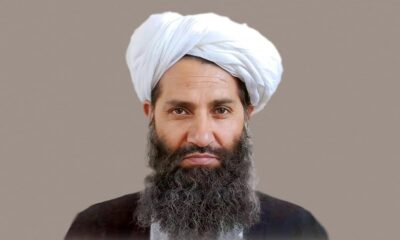
IEA Supreme Leader issues Eid-ul-Fitr message urging unity and support for Islamic system
-

 Business5 days ago
Turkmenistan, Afghanistan discuss steps to speed up land acquisition for TAPI pipeline
-
 Latest News2 days ago
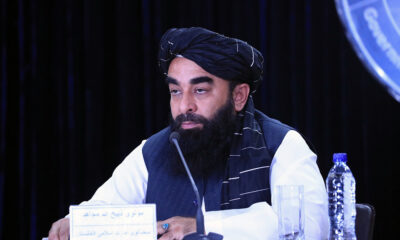
IEA announces temporary pause in defensive operations against Pakistan for Eid
-
 Latest News3 days ago
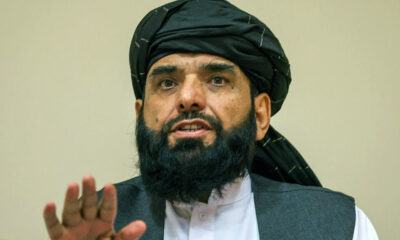
Pakistan opposes normal Afghanistan–India relations: Shaheen
-
 Sport3 days ago
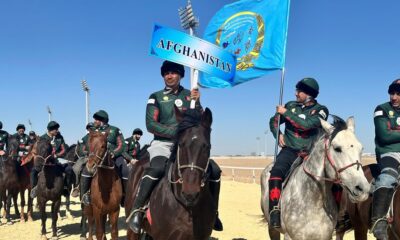
Afghanistan national buzkashi team defeats Hungary 14–0
-
 Latest News5 days ago
CAIR-Texas calls for probe after Afghan refugee dies in ICE custody
-
 Latest News4 days ago
IEA condemns alleged airstrike by Pakistan on drug treatment hospital in Kabul
-
 Latest News4 days ago
Afghanistan warns Pakistan of ‘teeth-breaking’ response after deadly Kabul bombing