
Latest News
Afghanistan needs to be more decentralized: Khalilzad

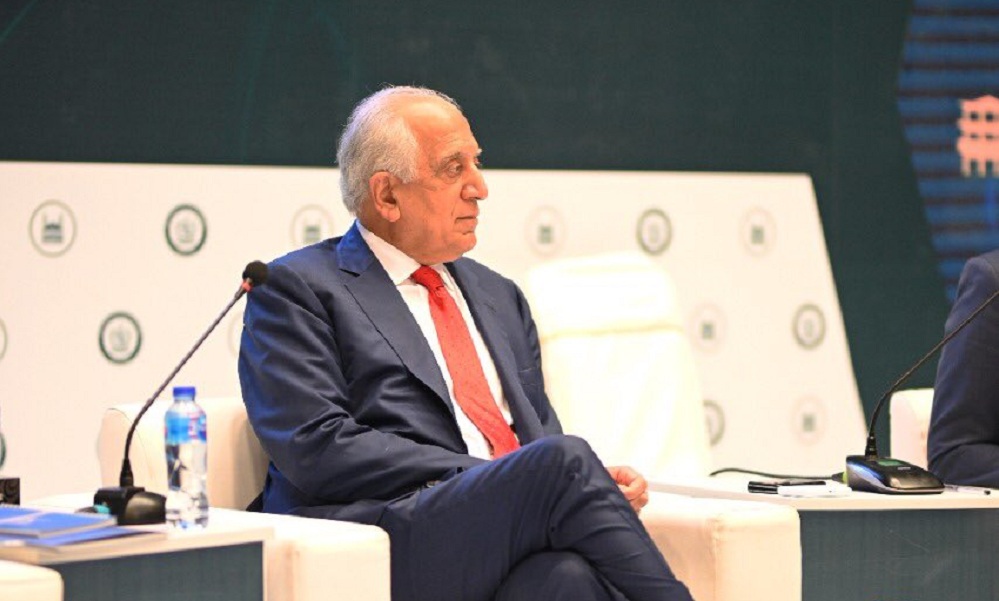
Afghanistan’s government needs to be more decentralized and political inclusivity needs to be ensured in order to prevent another war, former US special envoy for Afghanistan reconciliation, Zalmay Khalilzad, said on Saturday.
Speaking at the Islamabad Security Dialogue conference, Khalilzad said that the US’s withdrawal from Afghanistan has had both positive and negative consequences.
“On the positive side, the war has ended already. There is a government that controls all of Afghanistan, but on the negative is that the government is not legitimate in the sense that it doesn’t come true what it has agreed to do in the agreement that ended the war, meaning the US war, which was that the new government would be as a result of intra-Afghan negotiations so that it reflects the diversity,” Khalilzad said.
He said that currently the Afghan government is “very centralized” and a more decentralized government would also ensure economic participation and inclusivity.
The Islamic Emirate of Afghanistan (IEA), however, rejected Khalilzad’s claim that the government is very centralized.
Enamullah Samangani, deputy spokesman for IEA, said that the government is committed to ensuring balanced development across Afghanistan and it would work for greater inclusivity.
Meanwhile, Pakistan’s army chief, General Qamar Javed Bajwa, told the conference that “we have to be patient and accommodative” over the IEA’s performance.
“Instead of imposing sanctions which have never worked, we must incentivize Afghans for their positive behavioral changes,” Bajwa said.
He said that disengagement with Afghanistan is not an option. “We urge the international community to share their concern directly with Afghan interim government.”
Pakistan’s Foreign Minister Shah Mahmood Qureshi also said that after 40 years, there is no internal war in Afghanistan and one government controls the entire country.
“This presents a unique opportunity to stabilize Afghanistan and build sustainable peace the international community can achieve by engaging with Afghan authorities, unfreezing Afghanistna’s financial reserves and reviving reconstruction and sustainable development of Afghanistan,” Qureshi said.
He also urged IEA to positively respond to the expectations of the international community with regard to inclusivity, human rights including women’s rights, girls’ education and the threat of terrorism.



Latest News
Aisha Wahab makes history as first Afghan American elected to US Congress
Wahab will serve the remainder of Swalwell’s term, which expires in January, before facing Hernandez again on November 3 in the election for a full two-year congressional term.
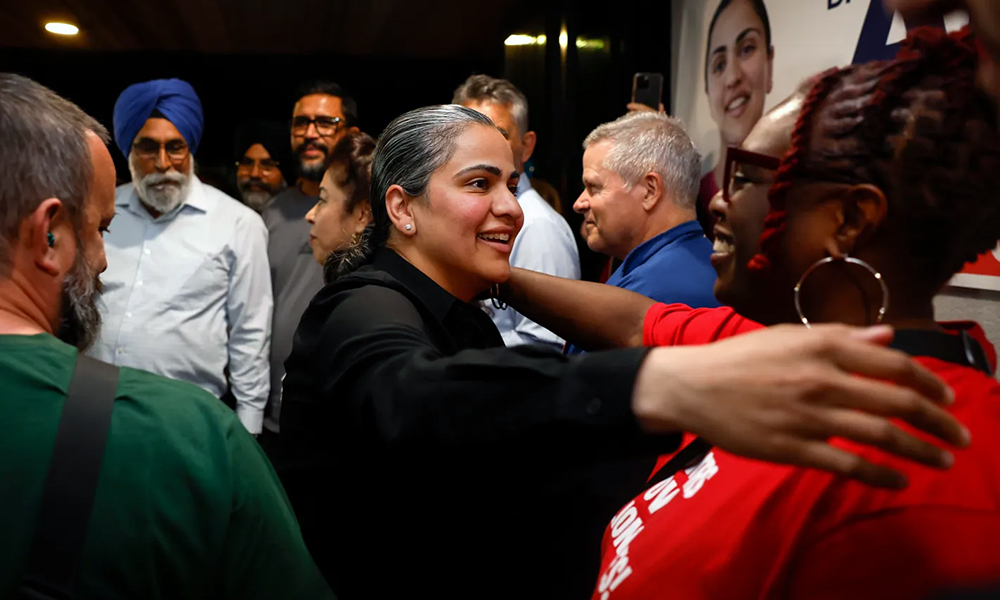
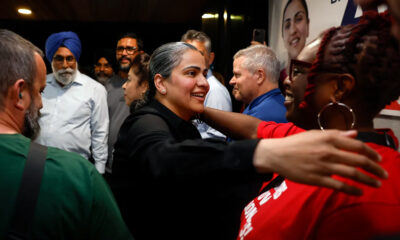
Aisha Wahab has made history by becoming the first Afghan American elected to the US Congress after winning a special election to fill the remaining term of former Representative Eric Swalwell.
According to a report by East Bay Times, Wahab defeated BART Board President Melissa Hernandez, securing 53% of the vote against her opponent’s 47%.
Wahab received 51,610 votes, compared with 45,598 for Hernandez, giving her an unassailable lead with only a small number of ballots remaining to be processed.
“This victory belongs to the voters who made clear that our district cannot be bought,” Wahab said following her historic win. She added that her journey from foster care to Congress demonstrates the possibility of achieving the American Dream.
The closely watched race drew more than $5 million in outside political spending, much of it supporting Hernandez or opposing Wahab. Despite the intense campaign, Wahab maintained her lead and secured victory in the special election.
Wahab will serve the remainder of Swalwell’s term, which expires in January, before facing Hernandez again on November 3 in the election for a full two-year congressional term.
The 14th Congressional District includes parts of southern Alameda County and the Tri-Valley, including Fremont, Hayward, Livermore, Dublin and Pleasanton.
A former Hayward councilwoman and California state senator, Wahab’s victory marks a historic milestone for the Afghan American community and representation in the US Congress.
Latest News
Two UNAMA staff released after more than a week in detention
UN spokesperson Stephane Dujarric told reporters on Thursday that the two employees had been released earlier in the day and appeared to be in good health.
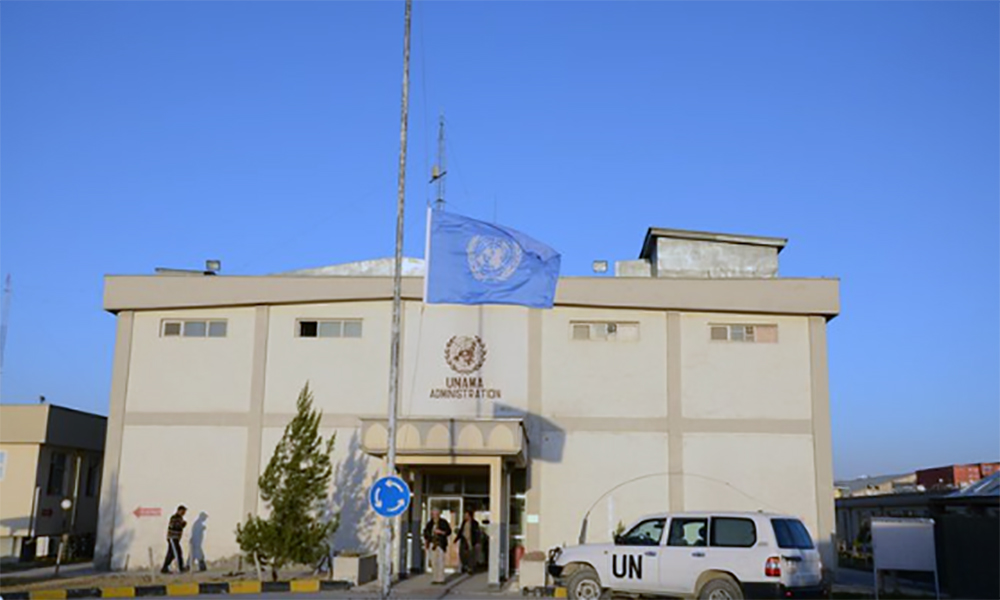
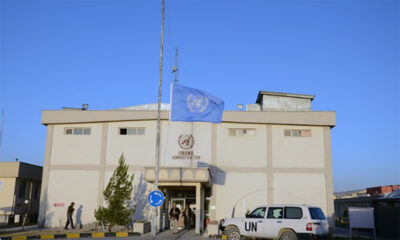
Two Afghan national staff members of the United Nations Assistance Mission in Afghanistan (UNAMA) have been released after being detained for more than a week, a UN spokesman said.
UN spokesperson Stephane Dujarric told reporters on Thursday that the two employees had been released earlier in the day and appeared to be in good health.
“We understand that the charges against them have been dropped, so we are delighted they are out,” Dujarric said.
He added, however, that UNAMA had not been informed of the reasons behind their arrest and detention.
“We’re continuing to follow up with the de facto authorities,” he said, noting that the United Nations is also seeking assurances that the privileges and immunities of its personnel will be respected.
Dujarric also raised concerns over the continued detention of UN staff in Yemen, saying that 73 UN personnel remain in the custody of the Houthis.
“We continue to do everything we can to seek their immediate release,” he said.
Latest News
Qatar and UAE condemn Kabul school bombing that injured dozens
The United Arab Emirates also condemned the attack in the strongest terms, expressing concern over the incident and the injuries caused.
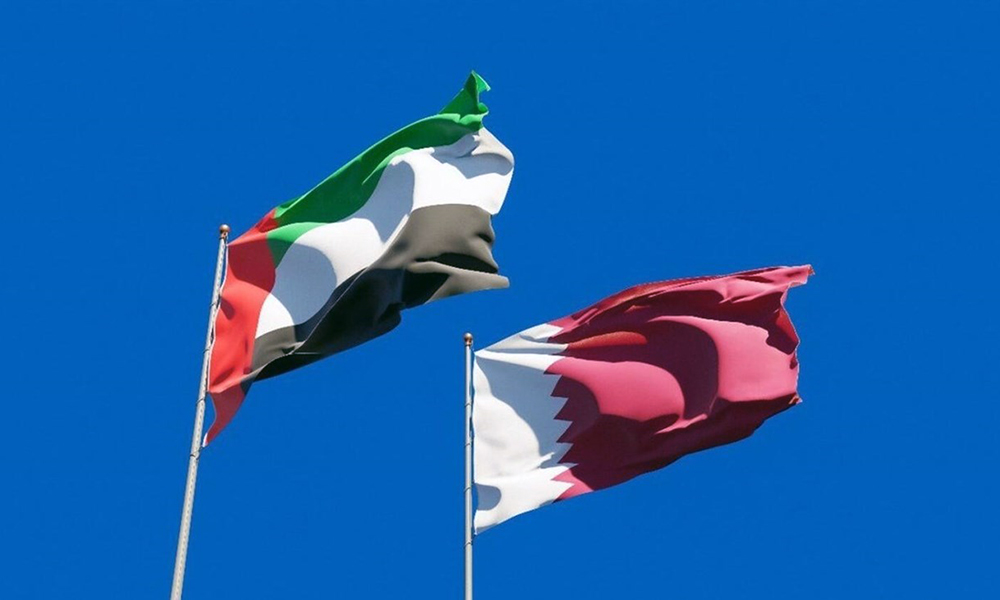
Qatar and the United Arab Emirates have strongly condemned a bombing at an educational centre in Afghanistan’s capital, Kabul, that injured dozens of people.
Qatar’s Ministry of Foreign Affairs, in a statement issued Thursday, reaffirmed Doha’s firm opposition to violence, terrorism and criminal acts, regardless of their motives or objectives.
The ministry also expressed its wishes for a speedy recovery to those injured in the attack.
The blast occurred on Monday at Sham-e Hedayat Private School in Mahdiya Township, located in Kabul’s 18th security district.
According to local sources, at least 52 people were injured when a hand grenade exploded at around 4:55 p.m. The grenade was reportedly in the hands of a student when it detonated.
The United Arab Emirates also condemned the attack in the strongest terms, expressing concern over the incident and the injuries caused.
The UAE Ministry of Foreign Affairs said it rejects all forms of violence and terrorism that threaten security and stability.
The ministry expressed solidarity with Afghanistan and its people following what it described as a heinous attack, and wished all those injured a speedy recovery.


Aisha Wahab makes history as first Afghan American elected to US Congress

Two UNAMA staff released after more than a week in detention

Qatar and UAE condemn Kabul school bombing that injured dozens

Gaza mediators say latest Israeli strikes undermine efforts to end conflict at critical stage

US says it will impose ‘toughest sanctions in history’ on Iran

Pakistan’s governance system has ‘collapsed’: Mohsin Naqvi

AFC confirms clubs for 2026/27 competitions; draw set for August 18

Afghanistan exports first stone shipment to US in $100,000 trade milestone

Germany defends Afghan deportation policy after fatal Trier knife attack

Only two days to go before Afghanistan and Ireland begin ODI series

Tahawol: Expansion of IEA’s diplomatic ties with countries discussed

Saar: Ongoing tensions between Iran and US discussed

Tahawol: Marking Afghanistan’s 107th independence anniversary

Saar: 107th anniversary of Afghanistan’s independence discussed

Tahawol: Iran’s position on recognizing Islamic Emirate discussed
-
 Latest News4 days ago
Juma Khan Fateh surrenders to IEA forces in Badakhshan
-
 Latest News5 days ago
Iran eyes Afghanistan as key economic opportunity amid sanctions
-
 Latest News4 days ago
Blast at Kabul school injures at least 52
-
 Latest News4 days ago
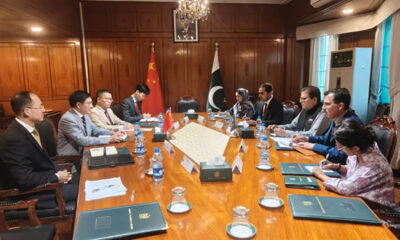
China’s special envoy for Afghanistan visits Türkiye, Pakistan and Afghanistan
-
 Latest News5 days ago
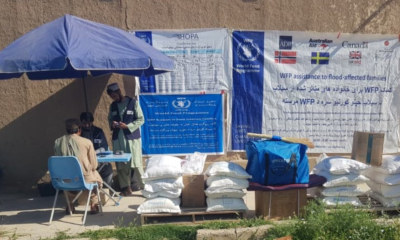
Afghanistan received more than $11 billion in humanitarian aid over the past five years
-

 Sport4 days ago
Darwish Rasooli named captain as Afghanistan unveil Asian Games squad
-
 Latest News3 days ago
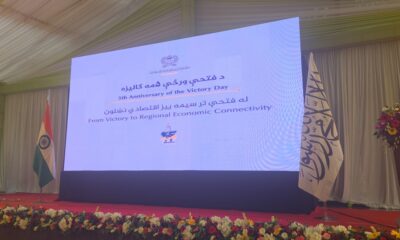
Indian and Serbian officials attend August 15 event at Afghan Embassy in Delhi
-

 World4 days ago
Trump wants more economic pressure on Iran