
Latest News
Afghanistan turns to Russia for some food supplies amid Iran-Israel war

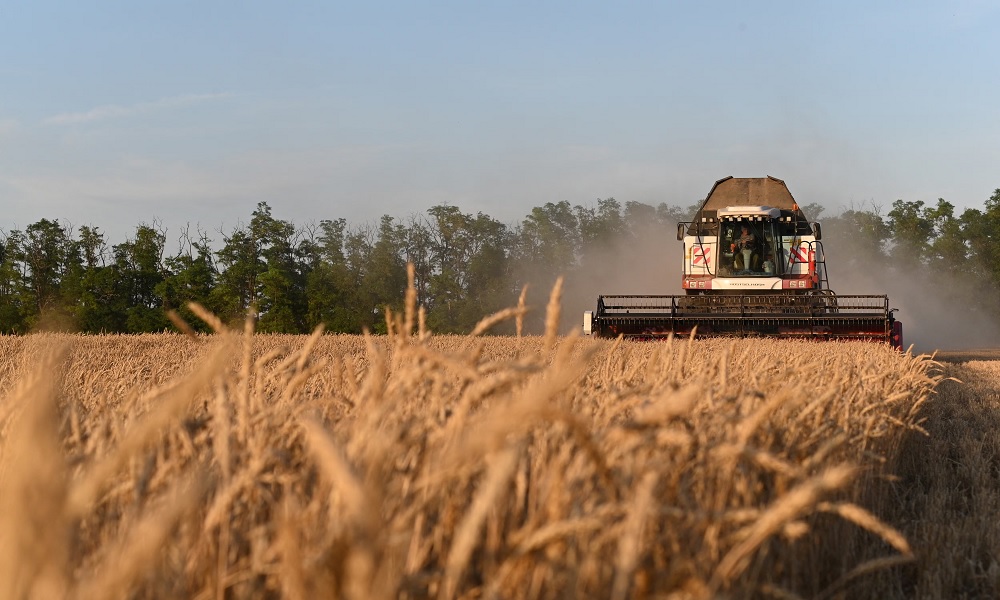
Afghanistan is in discussions with Russia to import certain foodstuffs as the conflict between Israel and Iran, one of its largest trading partners, risked cutting off supplies, its agriculture minister told Reuters.
As relations between Russia and the Islamic Emirate have been improving, an Afghan delegation is visiting Russia’s main economic conference in St. Petersburg this week, meeting Russian agriculture officials.
“Afghanistan is definitely aiming for self-sufficiency in its agricultural products. However, we still rely on some food items that come from Iran, and if problems arise there, it will undoubtedly have its effects,” Ataullah Omari said on the sidelines of the conference.
Iran supplies Afghanistan with some dairy products, among other commodities, and there is widespread concern the week-old war between Israel and Iran could disrupt trade flows
Russia – the world’s largest wheat exporter – and Kazakhstan are the main suppliers of wheat and flour to Afghanistan. Russia is also supplying sugar and vegetable oil.
Omari said that the country is now seeking wheat rather than flour from Russia.
Afghanistan, the top buyer of Russian flour in 2024, increased its own wheat production by 10% last year to 4.83 million metric tons. The country’s total wheat consumption is estimated at 6.8 million metric tons a year.
“For the past four years, since the withdrawal of the Americans, we have been making efforts to provide our essential food supplies ourselves. The remaining amount, including flour and wheat, is supplied annually by Russia,” Omari said.
“We have requested that Russia send us wheat instead of flour. Additionally, the import of other products that come from Russia to our country annually is progressing well,” he added.
In April, Russia lifted its ban on the Islamic Emirate, which it had designated as a terrorist organisation for more than two decades, paving the way for Moscow to normalise ties with Afghanistan’s leadership.
Since 2022, Afghanistan has imported gas, oil, and wheat from Russia, marking the first major economic deal after the Islamic Emirate returned to power, facing international isolation following 20 years of war against U.S.-led forces.
Omari expressed concern about Afghan refugees living in Iran who could become victims of Israel’s attacks. The UN Refugee Agency (UNHCR) estimates that nearly 4.5 million Afghan nationals reside in Iran.
“Any kind of damage that occurs there is absolutely unsatisfactory for our nation and our people, especially for many of our refugees who live there and are our brothers,” he said.

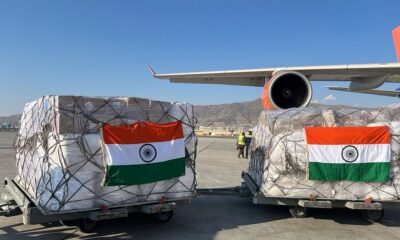



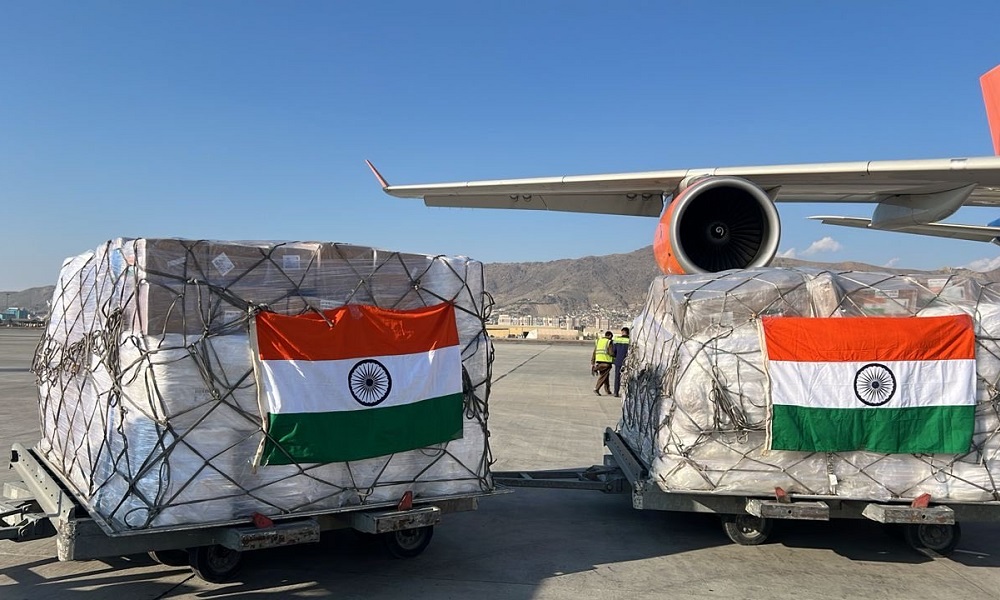
Randhir Jaiswal, spokesperson for India’s Ministry of External Affairs, announced on Friday that a 2.5-ton consignment, including emergency medicines, medical disposables, kits, and equipment has been delivered to Kabul.
According to him, the aid shipment is intended to support the swift recovery of those injured in the recent airstrike by Pakistan’s military regime.
He emphasized that India stands with the people of Afghanistan and will continue to provide all possible humanitarian assistance.
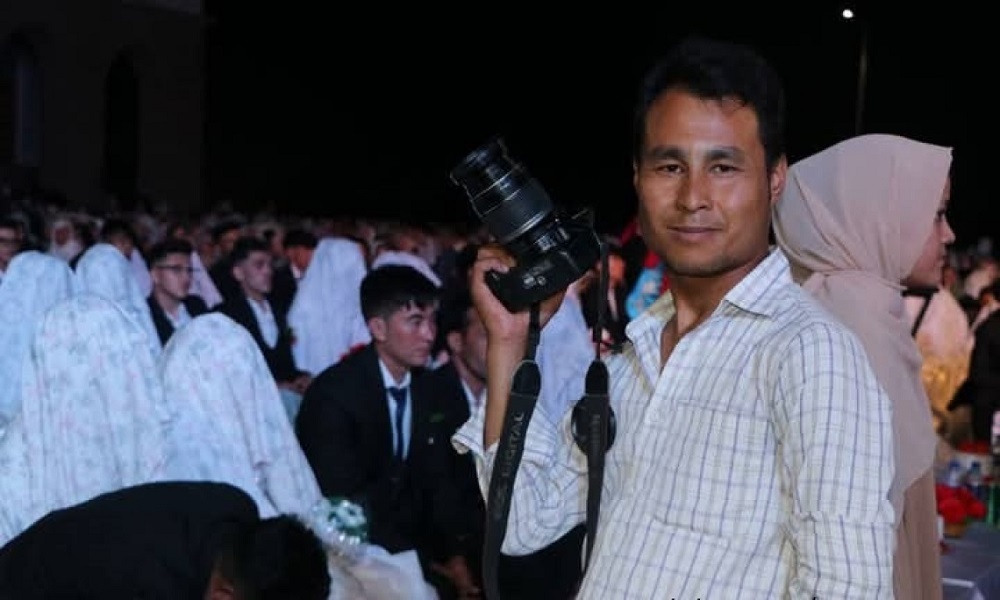
The Afghanistan Journalists Center (AFJC) has announced that Mahdi Ansary, a reporter for the Afghan News Agency (AFKA), has been released after serving one and a half years in Bagram prison.
In a statement welcoming his release, AFJC emphasized that the fundamental rights of this journalist—who had been tried and imprisoned on charges of cooperating with exiled and foreign media—were “seriously” violated.
Ansari was arrested on October 5, 2023, after returning from his workplace in Kabul.
He was sentenced on January 1, 2024 by the Kabul Primary Court to one and a half years in prison on charges of “propaganda against the Islamic Emirate.”
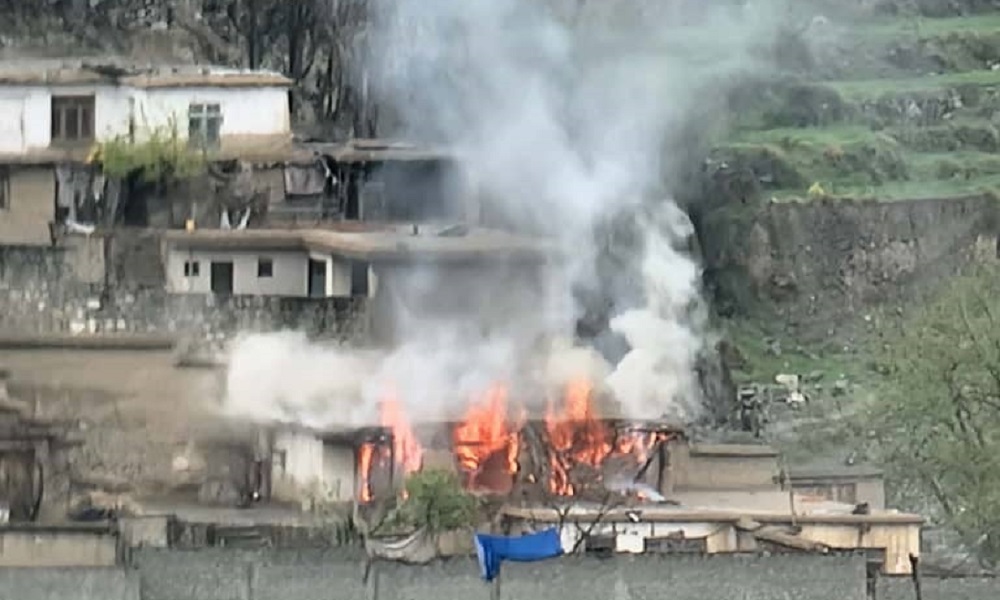
Farid Dehqan, spokesperson for the Khas Kunar police command, said that rocket attacks by the Pakistani military regime are still ongoing in the province.
These attacks come despite earlier announcements by the Pakistani military of a temporary ceasefire for Eid.


Tawsia: Assessment of Afghanistan’s economic activities in 1404

India sends 2.5-ton medical shipment to Afghanistan

Trump compares Iran strikes to Pearl Harbor in meeting with Japan’s leader

Afghanistan national buzkashi falls short in Kokpar World Championship semifinals

Mahdi Ansary, local journalist, released from prison

Pakistani military jet downed in Afghanistan’s Jalalabad, pilot captured alive

Afghan Air Force conducts airstrikes in Islamabad, other cities

Afghanistan welcomes investment and technology partnerships with India

Prominent Muslim scholar issues fatwa calling for Afghanistan-Pakistan ceasefire

Afghan air force strikes key Pakistani military installations in retaliatory operation
Tawsia: Assessment of Afghanistan’s economic activities in 1404

Tahawol: Temporary ceasefire draws broad support

Saar: Emphasis on resolving conflicts through diplomacy

Tahawol: Global reactions to Pakistan’s recent attacks discussed

Saar: Consequences of Pakistani airstrikes on Afghans discussed
-
 Latest News4 days ago
IEA Supreme Leader issues Eid-ul-Fitr message urging unity and support for Islamic system
-

 Business4 days ago
Turkmenistan, Afghanistan discuss steps to speed up land acquisition for TAPI pipeline
-
 Latest News2 days ago
IEA announces temporary pause in defensive operations against Pakistan for Eid
-
 Latest News3 days ago
Pakistan opposes normal Afghanistan–India relations: Shaheen
-
 Sport3 days ago
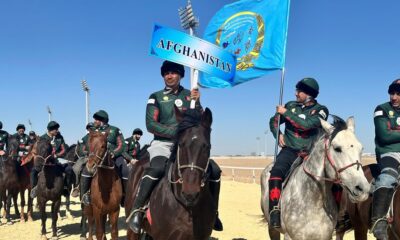
Afghanistan national buzkashi team defeats Hungary 14–0
-
 Latest News5 days ago
CAIR-Texas calls for probe after Afghan refugee dies in ICE custody
-
 Latest News4 days ago
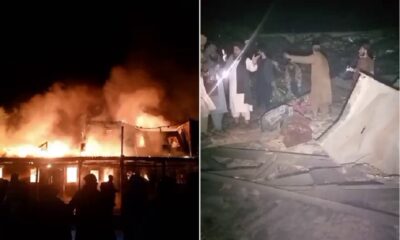
IEA condemns alleged airstrike by Pakistan on drug treatment hospital in Kabul
-
 Latest News4 days ago
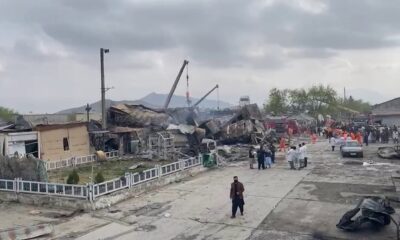
Afghanistan warns Pakistan of ‘teeth-breaking’ response after deadly Kabul bombing