
Business
Chinese firm offers IEA $10 billion investment in lithium reserves

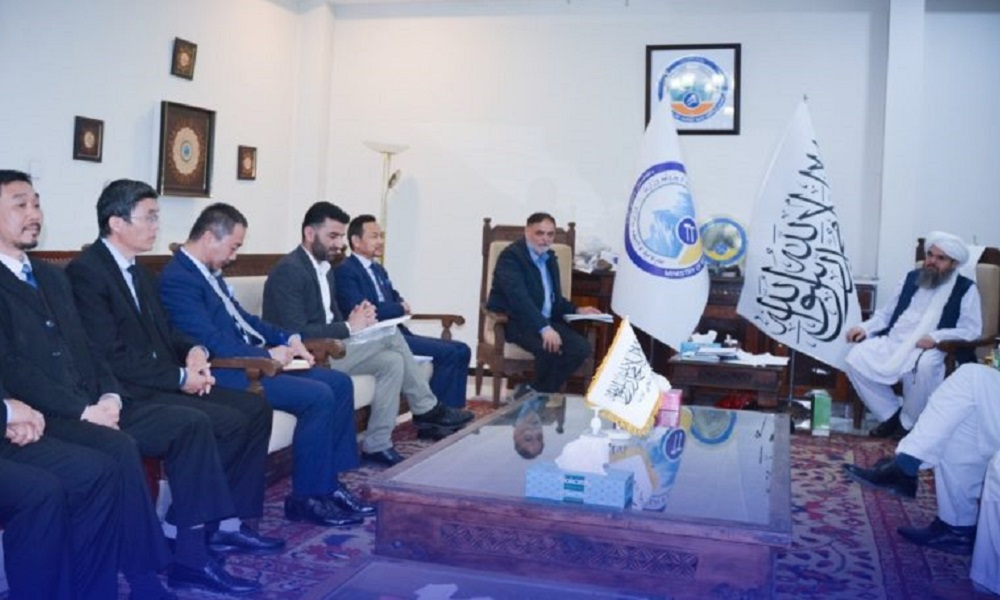
The Ministry of Mines and Petroleum (MoMP) said on Thursday that a Chinese Company, Gochin expressed its interest in investing $10 billion in Afghanistan’s lithium deposits.
According to the statement, the minister for mine and Petroleum, Shahabuddin Delawar, met with the Chinses company representatives in Kabul.
The statement said the investment would create 120,000 direct and a million indirect jobs in the country.
The statement meanwhile added that the company would repair the Salang Pass within seven months and carve another tunnel.
The company also stressed that the process of the lithium deposits will get done inside the country, and to process it, a hydroelectric dam will be built, and Kumar and Laghman Road will be asphalted.
In January, the Ministry of Mines and Petroleum signed the extraction contract of the Amu oil field with the Chinese company “China Petroleum Economics and Information Research Center (CPEIC)”.
According to the contract, Afghanistan’s share is 20 per cent, which will reach 75 per cent in the future.
Since the IEA’s takeover, China has increased its influence via economic ties with the current regime.
According to several media reports, Chinese companies have long aspired to access Afghanistan’s extensive and rich lithium deposits, estimated to be worth more than $1 trillion, Bloomberg said.






Business
Afghanistan signs $67 million contract for cement production in Samangan
The Ministry of Mines and Petroleum said the plant will have a production capacity of 1,200 tons of cement per day.
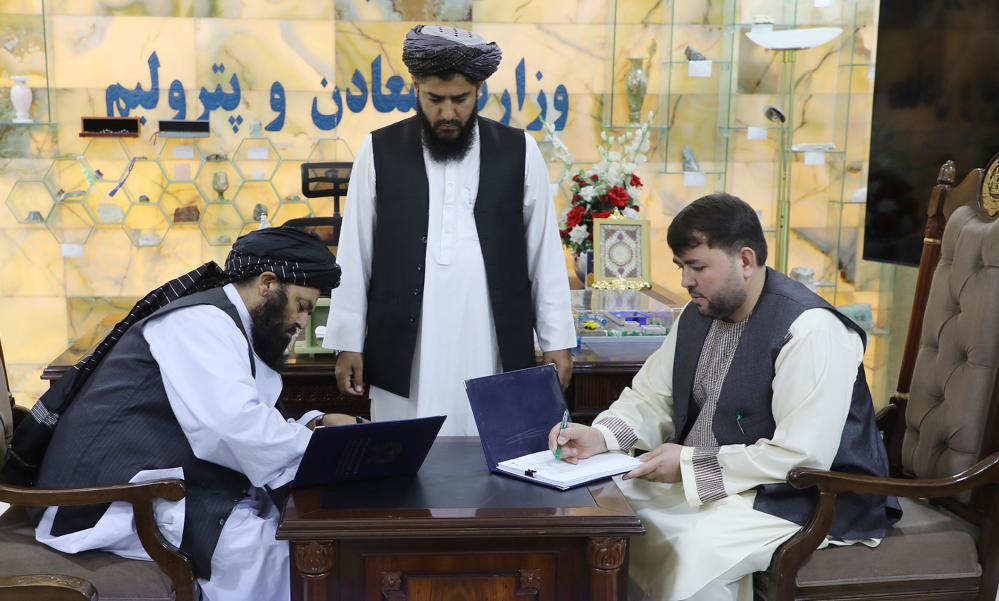
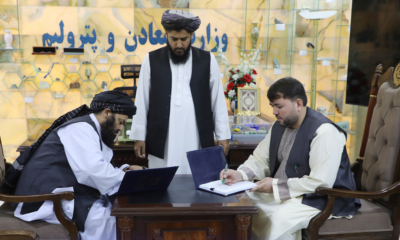
Afghanistan’s Ministry of Mines and Petroleum has signed a contract for the development of the Aibak Cement Project in Feroz Nakhchir district of Samangan province, marking a significant investment in the country’s industrial sector.
The agreement, valued at $67 million, was signed on Thursday between Hedayatullah Badri, Minister of Mines and Petroleum, and Aibak Cement Company, according to a statement issued by the ministry.
Under the terms of the contract, the company will pay a royalty of 200 Afghanis to the government for every ton of cement produced. The project has been awarded for a period of 30 years, subject to the company’s compliance with Afghanistan’s mining laws, regulations and contractual obligations.
Speaking at the signing ceremony, Badri said the project is expected to create employment opportunities for around 600 Afghans and contribute to the country’s economic development.
He added that the company has committed to investing approximately $1 million in social development initiatives during the contract period.
The Ministry of Mines and Petroleum said the plant will have a production capacity of 1,200 tons of cement per day.
The project is part of broader efforts to attract investment into Afghanistan’s mining and industrial industries and expand local production capacity.
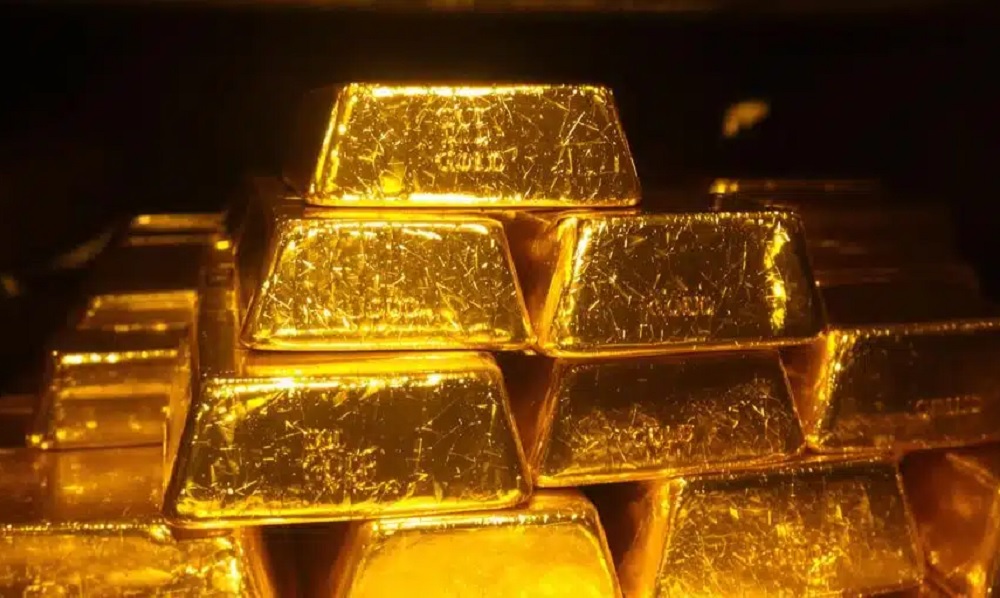
A record 45% of the reserve managers surveyed by the World Gold Council, up 2 percentage points from a year ago, expect to increase their own institutions’ gold holdings over the next 12 months, the international organization said on Tuesday.
The majority — 54% of 74 central banks that responded to the WGC’s annual survey, conducted between February 5 and May 19 — said their holdings would remain unchanged, while 1% anticipated a decline, Reuters reported.
Most responses were received after the start of the Middle East conflict in late February, which triggered a rally in oil prices and drove gold prices down.
Central banks remain keen on gold, and the recent price fall has not changed their minds, said Shaokai Fan, head of the central banks sector at the WGC.
The U.S. and Iran agreed over the weekend on terms to end their war and reopen the Strait of Hormuz, prompting a 3% rise in gold prices on Monday.
Gold demand from central banks will slow down by 15% year-on-year in 2026 in tonnage terms, according to consultancy Metals Focus, but remain above pre-2022 levels, a consistently supportive factor for the market.
The WGC said 93% of respondents reported already holding gold, up from 81% a year ago.
Among the drivers for gold ownership, a record 90% of respondents cited its performance during times of crisis. The top answers also included long-term store of value and portfolio diversification. Gold’s role as a geopolitical risk hedge was favoured among emerging market and developing economy respondents (85%).
As some central banks continued relocating their gold, 9% of respondents said they had increased domestic storage in the past 12 months, up from 5% last year, and 10% said they had diversified their overseas storage locations, up from 2%.
Within 12 months, 7% plan to increase domestic storage and 9% plan to diversify overseas locations.
The WGC did not ask central banks to specify where their gold came from in cases of repatriation.
However, its research showed that the Bank of England remains the most popular vaulting location, followed by domestic storage and the Bank for International Settlements.
Business
Gold extends gains after US, Iran reach peace deal
The U.S. dollar fell to a 10-day low, making greenback-priced bullion cheaper for other currency holders, while oil prices slipped more than 4%.
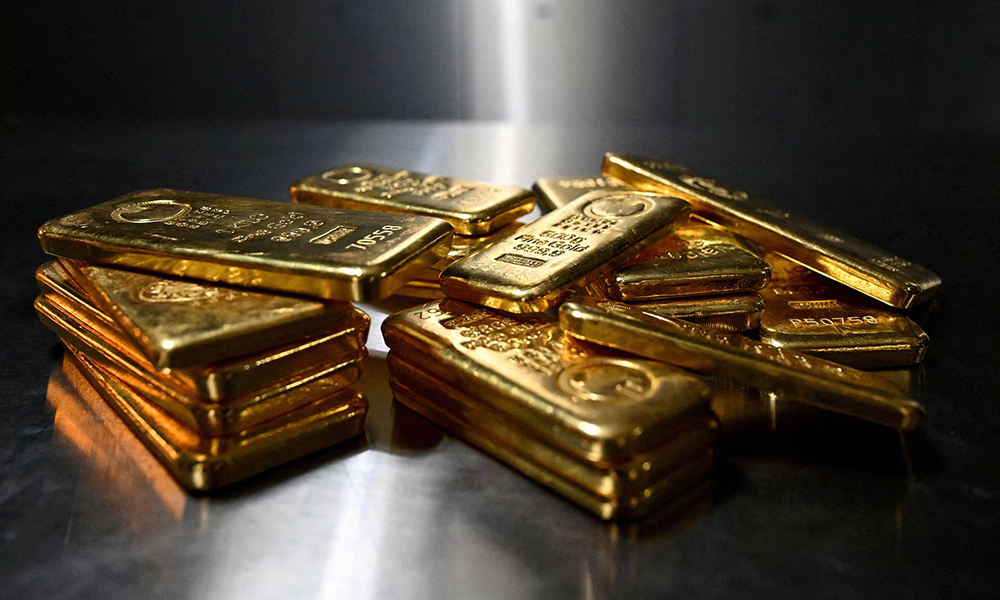
Gold rose more than 2% on Monday after U.S. and Iran officials said they had reached an initial agreement to end their war, pushing oil prices lower and easing concerns about inflation and higher interest rates, Reuters reported.
Spot gold climbed 2.5% to $4,322.87 per ounce by 0312 GMT, hitting its highest level since June 9 and extending gains for a third straight session. U.S. gold futures for August delivery rose 2.5% to $4,344.80.
U.S. and Iranian officials said on Sunday they had agreed on a framework to end their war, halt the U.S. blockade of Iran and reopen the Strait of Hormuz.
The pact will be officially signed on Friday in Switzerland, Pakistani Prime Minister Shehbaz Sharif said in a post on X.
The U.S. dollar fell to a 10-day low, making greenback-priced bullion cheaper for other currency holders, while oil prices slipped more than 4%.
“Lower oil prices and a softer dollar, stemming from reduced geopolitical risk and the anticipated reopening of the Strait of Hormuz, are helping to calm inflation expectations,” said Tim Waterer, chief market analyst at KCM Trade.
“This combination is providing the precious metal with its best tailwind in recent weeks, though sustainability will depend on how durable the peace agreement proves to be.”
Gold prices have fallen about 20% since the start of the U.S.-Israeli war against Iran in late February. The effective closure of the Strait of Hormuz has led to a sharp increase in global oil prices, stoking inflation concerns and raising expectations of interest rates staying higher for longer.
Bullion loses appeal in a high-interest-rate environment as it is a non-yielding asset.
Markets have scaled back expectations for a U.S. rate hike in December to 48% after the peace deal, down from 69% last week, according to the CME FedWatch tool. FEDWATCH
Investors now await the Federal Reserve policy decision and remarks, the first under Chair Kevin Warsh, on Wednesday, with rates widely expected to remain unchanged, read the report.
“Currency debasement concerns, fiscal risks and ongoing geopolitical fragmentation continue to underpin long-term demand (for gold). A moderation in energy-led inflation could help these themes regain traction,” OCBC said in a note.
Spot silver rose 3.6% to $70.39 per ounce, platinum gained 3.3% to $1,773.70 and palladium climbed 3.3% to $1,324.75.


Tahawol: Afghanistan–UN ongoing engagement discussed

Saar: Trump’s remarks on US military equipment in Afghanistan discussed

Kazakh president signs law establishing UN Regional Center for Central Asia and Afghanistan

Afghanistan signs $67 million contract for cement production in Samangan

Mujahid: Afghanistan has achieved peace, focus now on economic growth

Norway’s Viking-inspired World Cup team photo goes viral

Afghanistan announce squad for India series

Afghanistan, Russia sign military cooperation agreement

Major pharma firms eye investment in Afghanistan

Afghanistan expands oil production as investment in Amu Darya fields grows
Tahawol: Afghanistan–UN ongoing engagement discussed
Saar: Trump’s remarks on US military equipment in Afghanistan discussed

Tahawol: Passage of 3 Iranian tankers through US naval blockade discussed

Saar: Discussion on outcome of G7 summit in France

Tahawol: New chapter in regional cooperation discussed
-
 Latest News3 days ago
TAPI project advances in Afghanistan as 84kms of pipeline laid
-
 Regional4 days ago
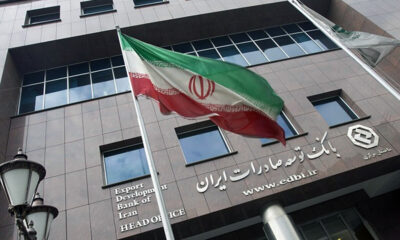
Iran banks hit by major cyber attack
-
 Latest News4 days ago
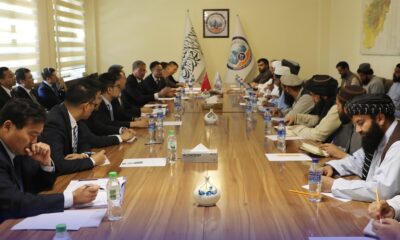
Afghan officials press Chinese delegation on Mes Aynak mining project
-

 International Sports3 days ago
World Cup 2026: Havertz, Ayari and Balogun lead Golden Boot standings
-
 Latest News4 days ago
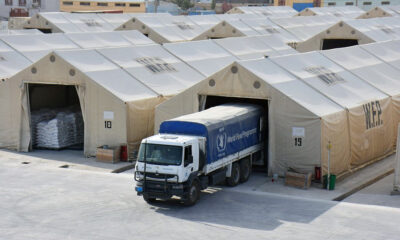
WFP navigates complex route to deliver emergency food aid to Afghan schoolchildren
-
 Latest News4 days ago
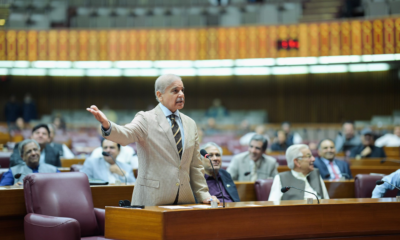
Shehbaz Sharif defends Durand Line fencing as essential for Pakistan’s security
-
 Regional5 days ago
US, Iran inch closer to deal, timing remains unclear
-
 Regional4 days ago
Global leaders react to announcement of US-Iran peace agreement