
Latest News
Citizens concerned about increase in food prices across Afghanistan

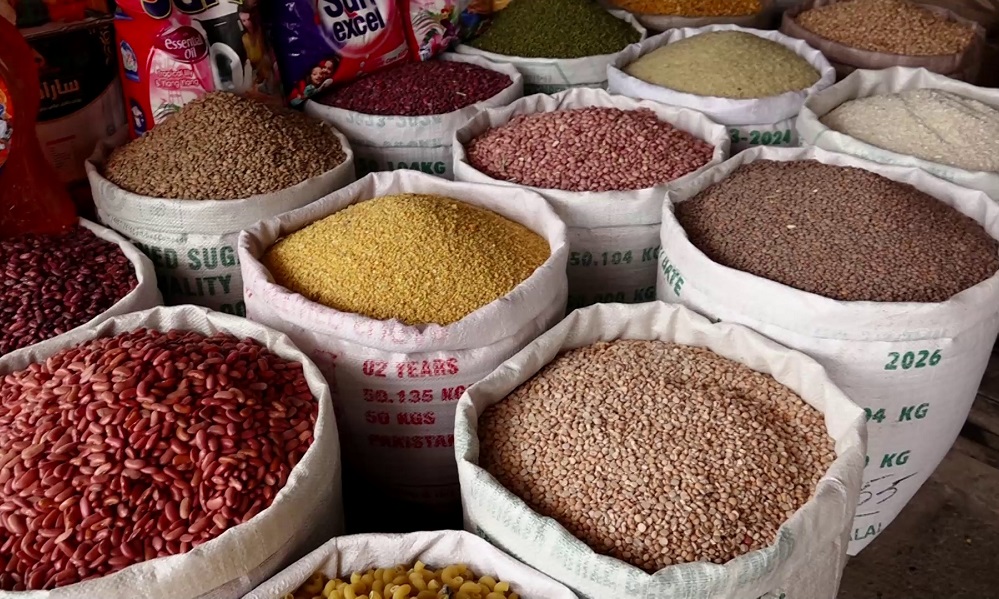
A number of citizens are concerned about the increase in food prices in Afghanistan and have said that despite the decrease in the value of the US dollar against the Afghan currency, the price of raw materials has not come down.
They want the relevant institutions to seriously monitor the markets.
“When the dollar goes up, traders will raise commodity prices to the sky. When the dollar goes down, prices remainy the same. They do not lower the prices. I wish that when the dollar goes down, commodity prices will also go down because people are poor. Cruelty won’t help,” Mujibur Rahman, a resident of Takhar, said.
Noor Ahmad Shah, a resident of Kunduz, said: “Dollar rate has come down, but the traders are unfair. The government does not pay attention either.”
Some shopkeepers say that if the prices are determined by the wholesalers, the Ministry of Industry and Commerce should pay attention to this and prevent hoarding.
Amanullah, a shopkeeper in Kabul, said: “I expect the government to monitor prices. Traders should be told to sell according to market prices. Traders are responsible for high prices. Shopkeepers and retailers are not involved. We only take 10 or 20 afghanis profit and sell.”
Kabul Municipality says that it has set a price list for sellers and does not allow anyone to sell at high prices.
Nematullah Barakzai, the press adviser of Kabul Municipality, says: “Kabul Municipality is working seriously to control prices according to its rules. Prices are good as dollar rate has stabilized. Hotline 155 is at the service of all citizens. If someone sells at high prices, the responsible teams will take care of it urgently. We expect traders to help citizens in the holy month of Ramadan.”
Every year, during the holy month of Ramadan, commodity prices rise leaving many people unable to pay for their basic needs.

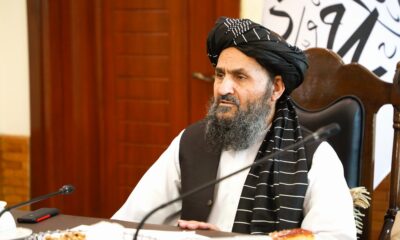





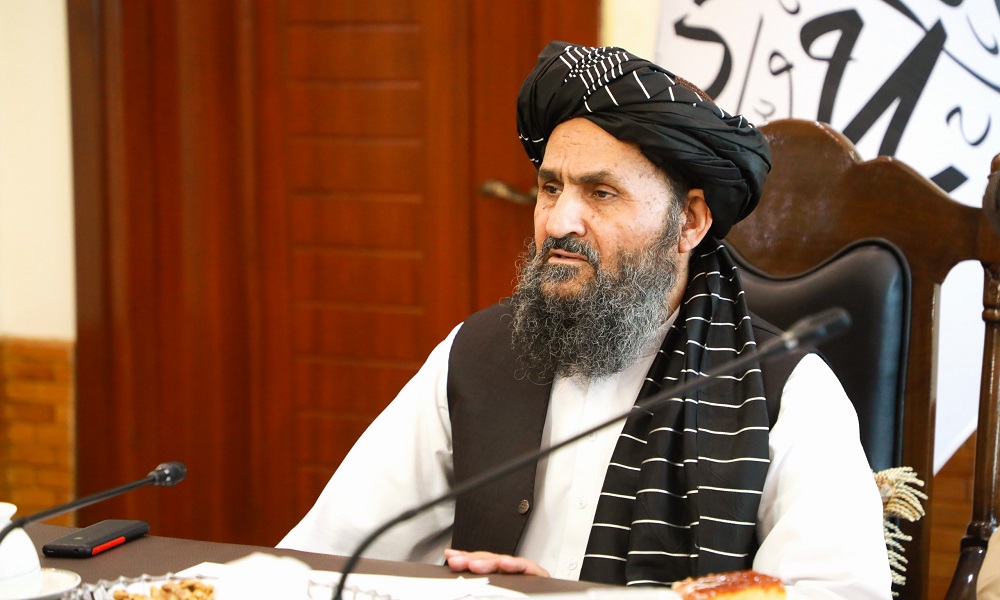
At a regular meeting of the Economic Commission chaired by Mullah Abdul Ghani Baradar, Deputy Prime Minister for Economic Affairs, the National Policy for the Development of the Agriculture and Livestock Sector was approved.
According to a statement from the deputy PM’s office, the key objectives of the policy include the mechanization of the agriculture and livestock sector; development of agricultural, irrigation, and livestock research and extension systems; management of irrigation systems; support for investment in these sectors; and ensuring public access to high-quality agricultural and animal products.
During the same meeting, the development plan for the fish farming sector was also approved.
Under this plan, through private sector investment, 7,700 small, medium, and large fish production and farming facilities will be established on 6,500 hectares of land in various parts of the country.
The statement added that the implementation of this plan will create direct employment opportunities for 50,000 people and indirect employment for 250,000 others.

Officials from Afghanistan’s Ministry for Virtue and Vice successfully intervened to stop three cases of forced marriage in the provinces of Balkh, Kunar, and Parwan, protecting women’s rights under Islamic law.
The cases involved families attempting to marry off their daughters against their will. After registering and reviewing the complaints, ministry officials acted swiftly to halt the marriages.
The families were summoned and advised on the importance of respecting women’s rights and the freedom to choose a spouse. Following the intervention, they pledged that all future marriages of their daughters would occur only with the women’s full consent.
The ministry said the actions reflect its ongoing commitment to safeguarding women’s rights and enforcing Islamic principles across Afghanistan.
Latest News
Doha process private sector meeting highlights growth and coordination in Afghanistan
The session was divided into two segments, focusing on growth and inclusion in the first part, and coordination and transparency in the second.
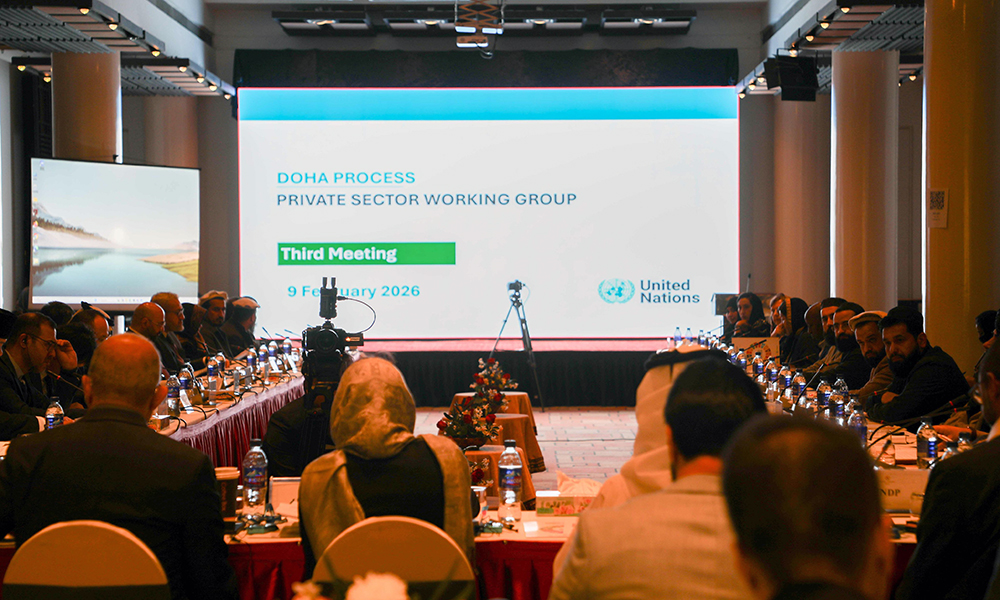
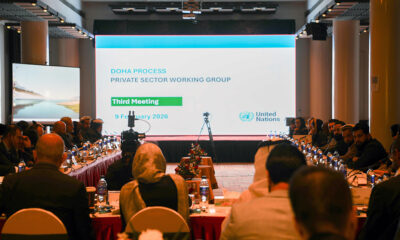
The 3rd session of the Doha Process Private Sector Working Group was held both in-person and online at Kabul’s Grand Hotel, hosted by the United Nations Assistance Mission in Afghanistan (UNAMA).
The meeting brought together representatives from the Islamic Emirate of Afghanistan, including the Ministries of Foreign Affairs, Finance, Industry and Commerce, Economy, Labor and Social Affairs, and the Central Bank, alongside UNAMA, UN agencies, international and regional organizations, as well as ambassadors, diplomats, and private sector experts.
The session was divided into two segments, focusing on growth and inclusion in the first part, and coordination and transparency in the second.
Afghanistan’s Islamic Emirate representatives shared achievements and progress since assuming governance, while participants acknowledged these efforts and highlighted their ongoing support for the private sector. All parties offered recommendations to address challenges and emphasized enhanced cooperation moving forward.


Economic Commission approves national policy for development of agriculture

Afghan authorities prevent three forced marriages in Balkh, Kunar, and Parwan

Doha process private sector meeting highlights growth and coordination in Afghanistan

Uzbekistan approves feasibility study agreement for Trans-Afghan Railway

Winter Olympics: Milan action continues with packed schedule on Tuesday

Afghanistan–China joint market opens in Kabul

Pakistan approves re-export of stranded Afghan transit trade cargo

Pakistan army orders evacuation of Tirah Valley, fears of mass displacement grow

Afghan traders sign deal to import pharmaceuticals from Bangladesh
Uzbekistan pushes forward with Trans-Afghan railway project

Tahawol: Pakistan’s Foreign Policy Failure of Towards Afghanistan discussed

Saar: Regional Problems, Opportunities, and Challenges discussed

Saar: Afghanistan’s relations and opportunities with regional countries

Tahawol: Kabul’s response to Pakistan’s new accusation discussed

Saar: Discussion on Iran-US talks in Oman
-
 Latest News3 days ago
Afghanistan to grant one- to ten-year residency to foreign investors
-

 Sport4 days ago
Indonesia shock Japan to reach historic AFC Futsal Asian Cup final
-

 Sport3 days ago
Iran clinch AFC Futsal Asian Cup 2026 in penalty shootout thriller
-
 Latest News3 days ago
Afghanistan says Pakistan is shifting blame for its own security failures
-

 International Sports2 days ago
Winter Olympics gain momentum as medal table takes shape
-
 Latest News5 days ago
Afghanistan facing deepening hunger crisis after US Aid Cuts: NYT reports
-
 Latest News3 days ago
Traffic police receive new cars
-
 Latest News4 days ago
Central Asian leaders are urging Pakistan to improve Afghanistan policies, says Khalilzad