
Latest News
Fear of deportation turns deadly for Afghan refugees in Pakistan

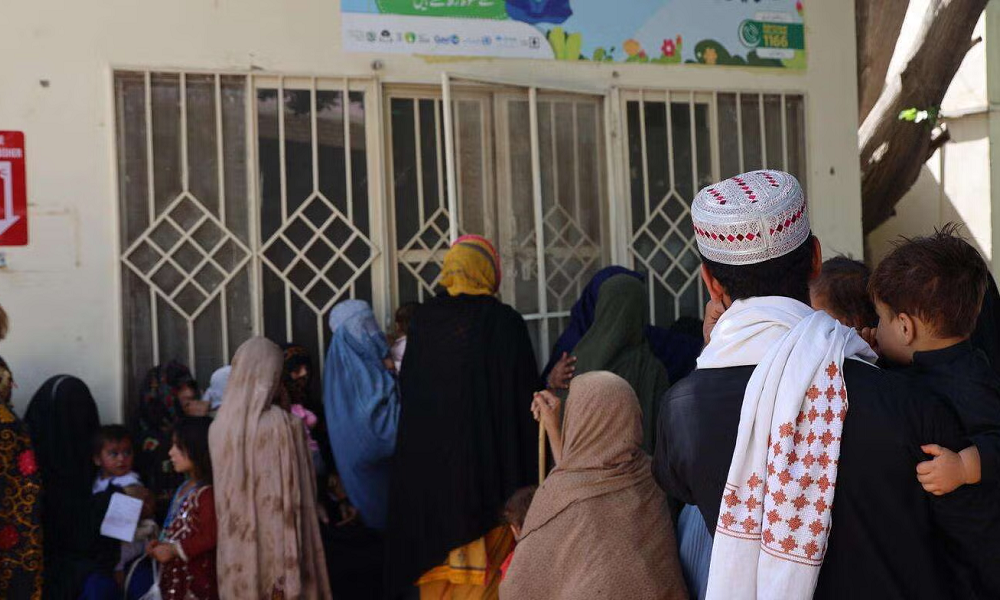
Fear of arrest and forced deportation is pushing Afghan refugees in Pakistan into life-threatening situations, with women, children and the sick paying the heaviest price, humanitarian groups warn.
Doctors Without Borders (Médecins Sans Frontières – MSF) has shared harrowing accounts of Afghan families too afraid to leave their homes, even for urgent medical care, due to Pakistan’s ongoing deportation drive.
In one recent incident, an Afghan refugee couple knocked on the door of a Pakistani rickshaw driver late on a cold November night, begging for help. The woman was in labor, but the family feared that leaving their home would result in police detention. Despite having no money, the driver agreed to take her to hospital.
“She was screaming all the way,” the driver later told MSF staff in Balochistan province. “She gave birth in my rickshaw. It was full of blood. I cannot describe it in words. It broke me mentally.”
The mother and newborn survived after receiving care at an MSF facility, but aid workers say such cases are becoming increasingly common as Afghan refugees face serious barriers to accessing health services.
According to MSF, mass deportations have turned into a catastrophic humanitarian crisis. Thousands of Afghan refugees are being held in temporary camps with little or no access to shelter, clean water, sanitation, food, or health care. With winter temperatures dropping sharply, fear of arrest is preventing many from seeking treatment, leading to miscarriages, untreated illnesses and preventable deaths.
Pakistan has hosted millions of Afghan refugees since the late 1970s. However, since November 2023, the government has implemented the Illegal Foreigners Repatriation Plan, initially targeting undocumented Afghans before expanding to Afghan Citizen Card holders and, more recently, those with UN-issued proof of registration cards.
Deportations surged again from September 2025, coinciding with winter, and are now affecting Afghans regardless of legal status.
MSF has reported tragic cases, including the death of a five-month-old baby who spent the night in freezing conditions at a holding center before reaching medical care, and the case of a woman who died after delivering a stillborn baby in a camp with no basic facilities. Her family was deported to Afghanistan shortly after—along with her body.
“Lives are at stake,” said Xu Weibing, MSF’s head of mission in Pakistan. “Afghan families are being forced to choose between living in fear of deportation and danger upon return. Safety, dignity and humanity are not optional.”
Aid organizations are urging Pakistan to halt forced returns and calling on the international community to urgently increase humanitarian assistance, provide winter shelter, health care and protection, and find safe relocation options for the most vulnerable.




Latest News
IEA rejects Russia’s claims of foreign militants in Afghanistan
He further called on Russian authorities to reassess their understanding of the situation in Afghanistan and to update their reports based on objective facts on the ground.
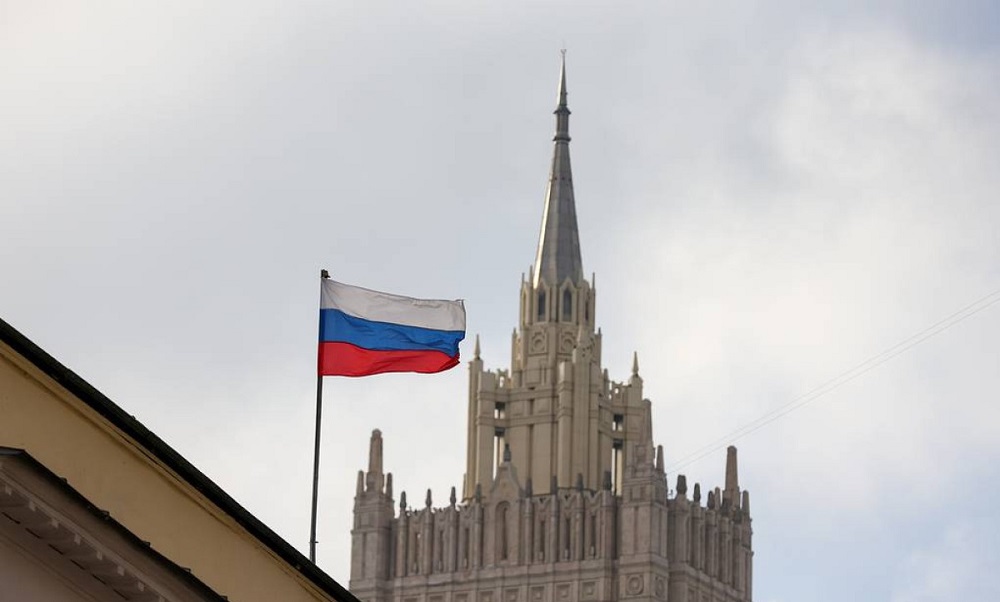
The Islamic Emirate of Afghanistan (IEA) has strongly rejected recent claims by Russia regarding the presence of international terrorist groups inside Afghanistan, calling the allegations unfounded and based on inaccurate information.
Speaking on the issue, Zabihullah Mujahid, the spokesperson of the Islamic Emirate, said Afghanistan is fully secure and no foreign armed groups are operating within the country.
He stressed that the entire territory of Afghanistan is under a single authority, leaving no space for external groups to carry out activities.
“We regret that such claims are made from sources in Russia,” Mujahid said, adding that these allegations date back to the past, including the period of the U.S. occupation, and have no basis in current realities. “We categorically reject these assertions.”
He further called on Russian authorities to reassess their understanding of the situation in Afghanistan and to update their reports based on objective facts on the ground.
Latest News
Escalating violence in Pashtun regions during Ramadan raises concerns
He described these incidents as grave violations of international law and acts that have deepened fears among affected communities.

Amid the holy month of Ramadan, violence has continued in several Pashtun areas, raising serious concerns among local communities.
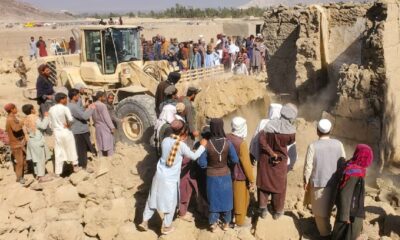
In a post in X, Manzoor Ahmad Pashteen, the founder and head of Pashtun Tahafuz Movement, noted that in Tirah, four Pashtun civilians were reportedly killed and six others injured during operations carried out by the Pakistani army. Protests that followed in Orakzai were also met with force, leaving four more individuals seeking peace and justice injured.
In Afghanistan’s Behsud district, 17 civilians, including women and children, were reportedly killed in airstrikes attributed to Pakistani forces, he stated.
He described these incidents as grave violations of international law and acts that have deepened fears among affected communities.
In recent days, additional casualties have been reported in Rozmak, Shawal (North Waziristan), Mubarak Shahi village (Mir Ali), Speen Wam, Abakhel village, Dosali, Takhte Khel (Lakki Marwat), Azam Warsak (South Waziristan), Bajaur, and Bannu, where clashes between security forces and armed groups have resulted in deaths and injuries among civilians, Pashteen said.
He stated that the ongoing violence reflects longstanding grievances in Pashtun regions. The Pashtun Tahafuz Movement (PTM) has stated that it will continue to oppose what it describes as injustices against Pashtun communities and will stand in solidarity with those affected.
Latest News
UNAMA reports civilian casualties from Pakistani airstrikes in Afghanistan
UNAMA urged all parties to end hostilities, protect civilians, and uphold international law principles of distinction, proportionality, and precaution to prevent further civilian harm.
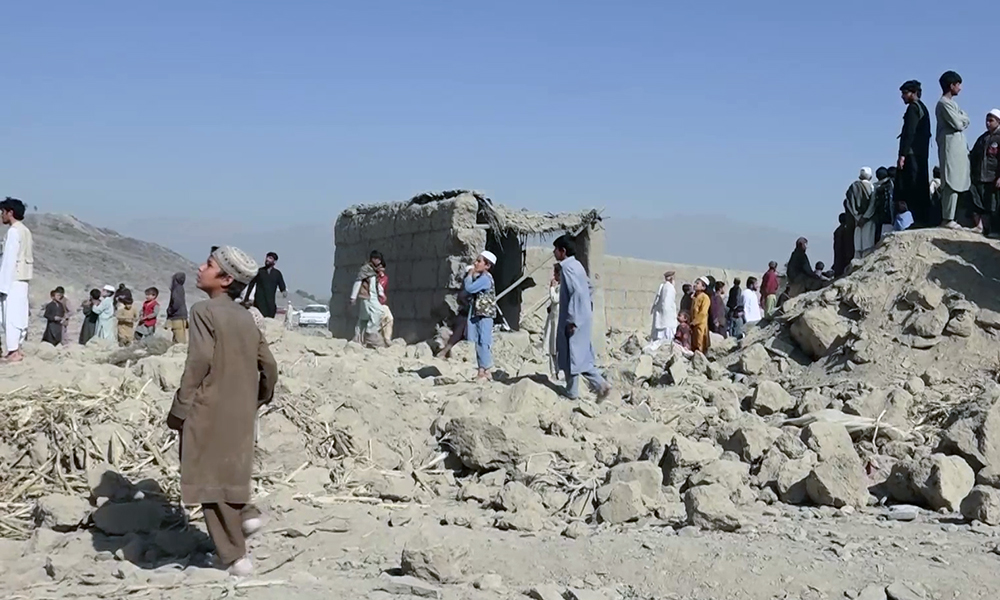
The United Nations Assistance Mission in Afghanistan (UNAMA) has confirmed credible reports of civilian casualties following overnight Pakistani airstrikes inside Afghanistan on 21–22 February.
Airstrikes in Behsud and Khogyani districts of Nangarhar province, carried out between approximately 23:45 on 21 February and 00:15 on 22 February, have reportedly killed at least 13 civilians and injured seven others, including women and children.
Pakistani forces also struck Barmal and Urgun districts in Paktika province.
In Barmal’s Marghai area, an airstrike on 21 February around 23:15 hit a madrassa and partially damaged a nearby mosque.
In Urgun’s Dahna area, an airstrike at approximately 23:30 partially destroyed a vacant private residence. No civilian casualties have been reported from these strikes.
UNAMA urged all parties to end hostilities, protect civilians, and uphold international law principles of distinction, proportionality, and precaution to prevent further civilian harm.


Tahawol: Tahawol: Pakistan’s Attacks on Afghanistan Raise Serious Questions

Saar: Reactions to Pakistan’s airstrikes on Afghanistan discussed

IEA rejects Russia’s claims of foreign militants in Afghanistan

Escalating violence in Pashtun regions during Ramadan raises concerns

UNAMA reports civilian casualties from Pakistani airstrikes in Afghanistan

AFC Futsal Asian Cup 2026: Day One Review

IEA releases three Pakistani soldiers to mark Ramadan

AFC Futsal Asian Cup: Afghanistan to face Iran in crucial Group D clash

Afghanistan’s Chief of Armed Forces underscores readiness and equipment for national defense

Afghanistan welcomes investment and technology partnerships with India
Tahawol: Tahawol: Pakistan’s Attacks on Afghanistan Raise Serious Questions
Saar: Reactions to Pakistan’s airstrikes on Afghanistan discussed

Tahawol: Repeat crimes by Pakistani military in Afghanistan discussed

Saar: Pakistani military regime’s airstrikes on Afghanistan

Tahawol: US military review for attack against Iran discussed
-
 Latest News4 days ago
Afghanistan welcomes investment and technology partnerships with India
-
 Sport5 days ago
Afghan Peaks founder climbs Aconcagua to promote Afghanistan’s mountain potential
-

 Latest News4 days ago
Indian customs seize Chinese walnuts falsely declared as Afghan
-

 Business4 days ago
Pakistan allows re-export of stranded Afghan transit cargo
-
 Latest News4 days ago
Pakistan’s Punjab to send home 20 more Afghans in repatriation drive
-

 Latest News5 days ago
Pakistan signals possible air strikes as Kabul releases Pakistani soldiers in goodwill move
-

 Latest News3 days ago
Moldova bans Afghan airlines over safety concerns
-
 Latest News2 days ago
Afghanistan vows retaliation after Pakistan launches air strikes