
Latest News
IEA pledges to increase security at Shi’ite mosques after 2nd deadly bombing

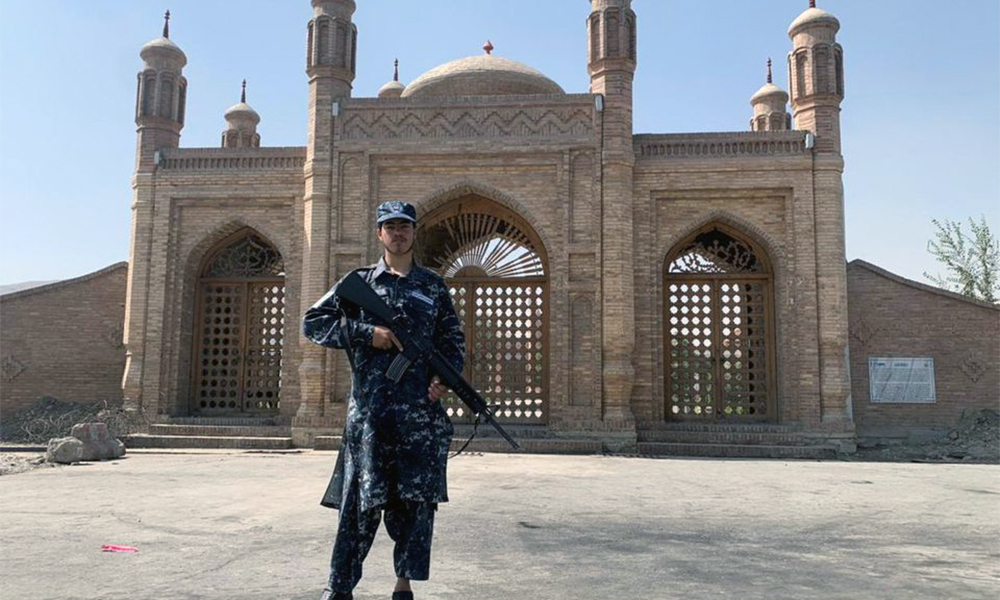
Islamic Emirate of Afghanistan (IEA) authorities have pledged to step up security at Shi’ite mosques as hundreds of people gathered on Saturday to bury the victims of the second Islamic State (Daesh) suicide attack on worshippers in a week.
Daesh claimed responsibility for the attack on the Fatima mosque in Kandahar that saw a group of suicide bombers shoot their way into the mosque before blowing themselves up among the worshippers during Friday prayers.
A health official said the casualty toll from the attack stood at 41 dead and 70 wounded but could rise further.
On Saturday, large crowds gathered to bury the white-shrouded victims in a mass grave in the southern city of Kandahar.
The head of Kandahar police said units would be assigned to protect the Shi’ite mosques which have so far been guarded by local volunteer forces with special permission to carry weapons.
“We are trying our best to arrest all those responsible for the blast and hand them over to the concerned department,” Kandahar Province Commander, Malwy Abdul Ghafar Mohmadi, told reporters.
The attack on the Fatima mosque, the largest Shi’ite mosque in Kandahar, also known as the Imam Bargah mosque, came a week after a similar attack on a mosque in the northern city of Kunduz, which killed as many as 80 people.
Attacks on Shi’ite mosques and targets associated with the Hazara ethnic minority, who make up the biggest Shi’ite group in Afghanistan, were regular occurrences under the former Western-backed government.
Since the takeover, Daesh has conducted dozens of operations, from small scale attacks on IEA targets to large-scale operations such as Friday’s suicide bombing, killing scores of civilians.

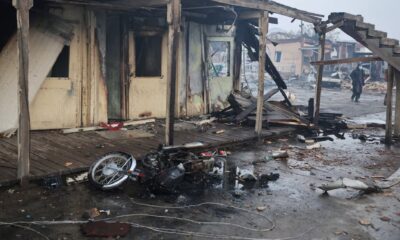
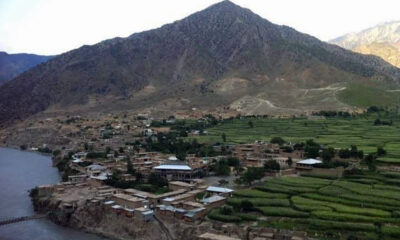





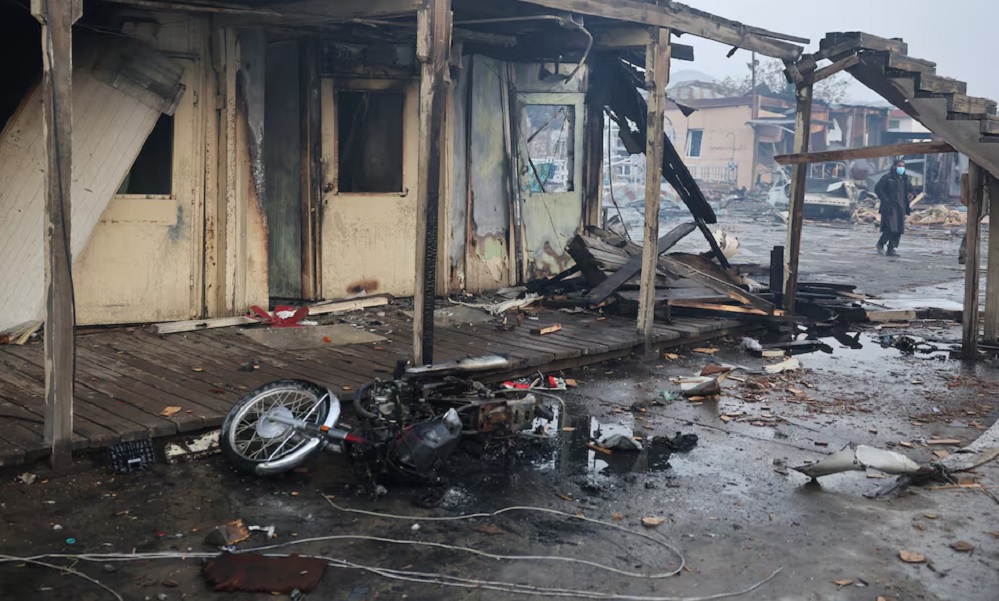
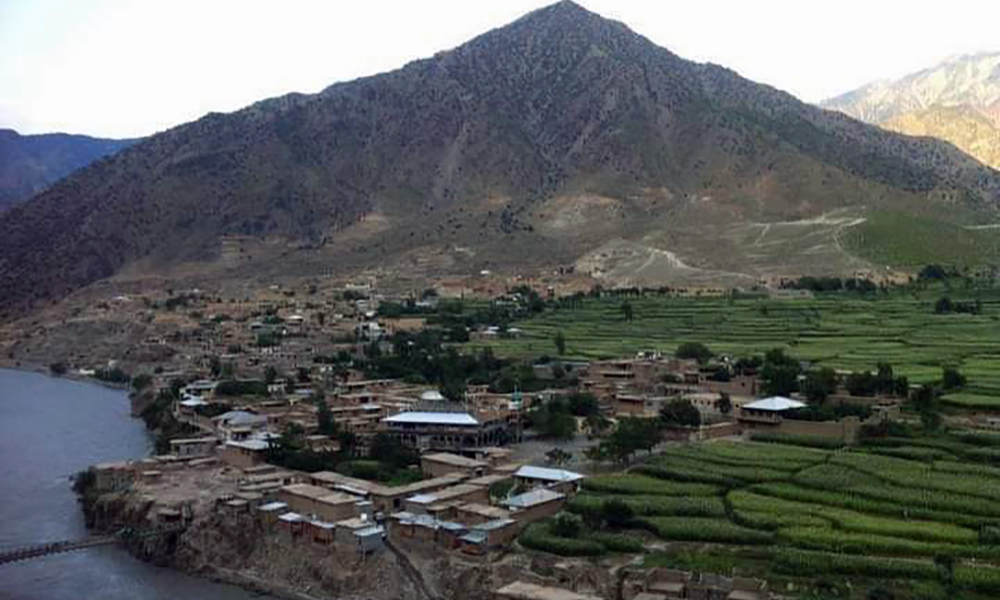
Hamdullah Fitrat, deputy spokesman of the Islamic Emirate, said that a mortar shell of the Pakistani military regime hit Shanpat area of Nari district of Kunar province at 9:30 am on Sunday, killing one civilian and wounding another.
The injured person is a woman, he said.
Pakistani forces also opened fire on a civilian vehicle in Shakin district of Paktika province, but no casualties were reported, Fitrat said.
The Pakistani government had earlier announced that it would halt its attacks on Afghanistan until Monday night on the occasion of Eid-ul-Fitr.
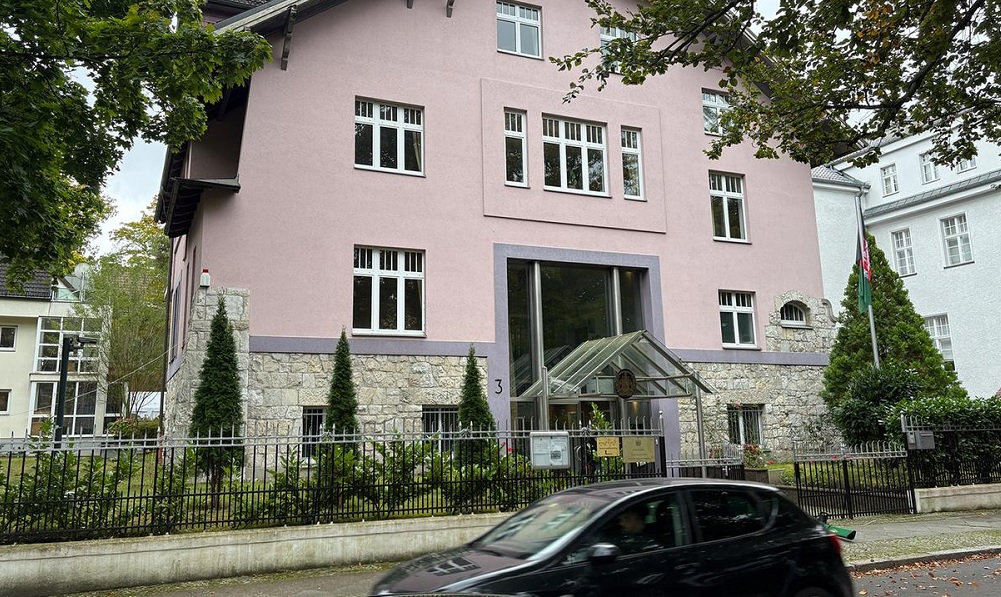
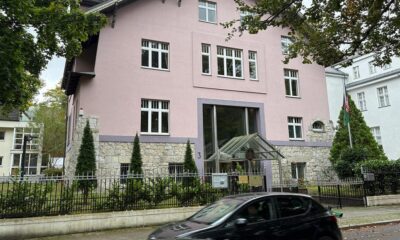
Germany was not informed of the appointment of a new Afghan diplomat in Berlin, according to a report by public broadcaster ARD, raising fresh questions about the Islamic Emirate’s expanding control over overseas missions.
The report states that an IEA-linked official has assumed the role of chargé d’affaires at Afghanistan’s embassy in Berlin without prior approval from the German government. Under the 1961 Vienna Convention on Diplomatic Relations, host countries must consent to such diplomatic appointments.
Germany does not formally recognize the IEA government, which returned to power in August 2021 following the withdrawal of US and NATO forces.
Undisclosed leadership role
According to ARD, the official—identified as Nebrasul H.—arrived in Berlin in July last year as a junior consular staff member, a position approved by German authorities. However, documents obtained by the broadcaster suggest he was also quietly appointed to lead the embassy.
He is reportedly acting as chargé d’affaires, effectively heading the mission and liaising directly with Afghanistan’s Foreign Ministry in Kabul.
The move highlights the IEA’s efforts to consolidate authority over Afghan diplomatic missions abroad, despite lacking broad international recognition.
Berlin ‘not notified’
Germany’s Foreign Ministry said it had received “no notification of any personnel changes” at Afghan diplomatic missions in the country.
Berlin has consistently maintained that Afghan embassies should remain under representatives appointed by the former government of Ashraf Ghani, which was ousted in 2021.
Previous envoy sidelined
The report also claims that the previous head of mission, Abdul P., has been stripped of his authority and reduced to a largely symbolic role. He was originally appointed under the Ghani administration.
Despite being sidelined, he remains in Berlin, reportedly continuing to live in the ambassador’s residence and retaining diplomatic privileges.
Wider diplomatic shift
In a related development, ARD reported that another Afghan official who arrived alongside Nebrasul H. has assumed a leadership role at the Afghan consulate in Bonn, also without formal recognition from German authorities.
The developments suggest a broader strategy by the IEA to assert control over Afghanistan’s diplomatic presence in Europe, even in countries that do not officially recognize its rule.


Deadly violence likely without dialogue between Afghanistan and Pakistan: ICG

Pakistani military violates Afghanistan ceasefire again

IEA allegedly appoints envoy to Berlin embassy ‘without Germany’s approval’

Tahawol: Pakistan’s efforts to destabilise Afghanistan

Saar: Decline in international assistance to Afghanistan

Pakistani military jet downed in Afghanistan’s Jalalabad, pilot captured alive

Afghan Air Force conducts airstrikes in Islamabad, other cities

Prominent Muslim scholar issues fatwa calling for Afghanistan-Pakistan ceasefire

Afghan air force strikes key Pakistani military installations in retaliatory operation

IEA: Special circle in Pakistan has launched mission to destabilize region
Tahawol: Pakistan’s efforts to destabilise Afghanistan
Saar: Decline in international assistance to Afghanistan

Tawsia: Assessment of Afghanistan’s economic activities in 1404

Tahawol: Temporary ceasefire draws broad support

Saar: Emphasis on resolving conflicts through diplomacy
-
 Latest News4 days ago
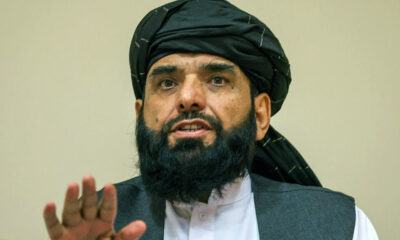
Pakistan opposes normal Afghanistan–India relations: Shaheen
-
 Latest News4 days ago
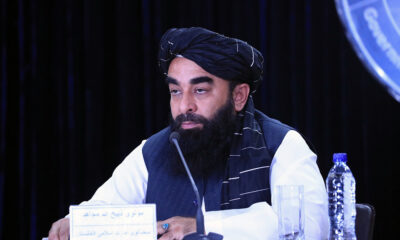
IEA announces temporary pause in defensive operations against Pakistan for Eid
-
 Sport5 days ago
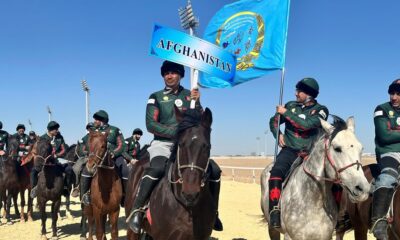
Afghanistan national buzkashi team defeats Hungary 14–0
-
 Latest News4 days ago
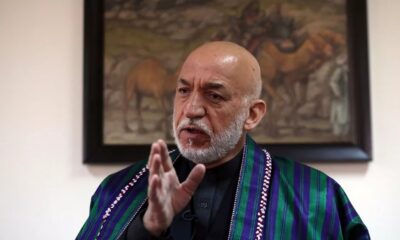
Karzai accuses Pakistan of seeking to destabilise Afghanistan after Kabul strike
-
 Latest News3 days ago
Pakistani shelling hits Kunar districts despite ‘pause in hostility’ over Eid
-
 Latest News5 days ago
WHO Chief urges Kabul and Islamabad to prioritize peace
-
 Regional4 days ago
Iran strikes Tel Aviv with cluster warheads in retaliation for killing of security chief
-

 Sport2 days ago
Afghanistan national buzkashi falls short in Kokpar World Championship semifinals