
Regional
IEA slams Trump’s suggestion of turning Gaza into the ‘Riviera of the Middle East’
Trump said he and his team have been discussing the resettlement of Palestinians with Jordan, Egypt and other regional countries

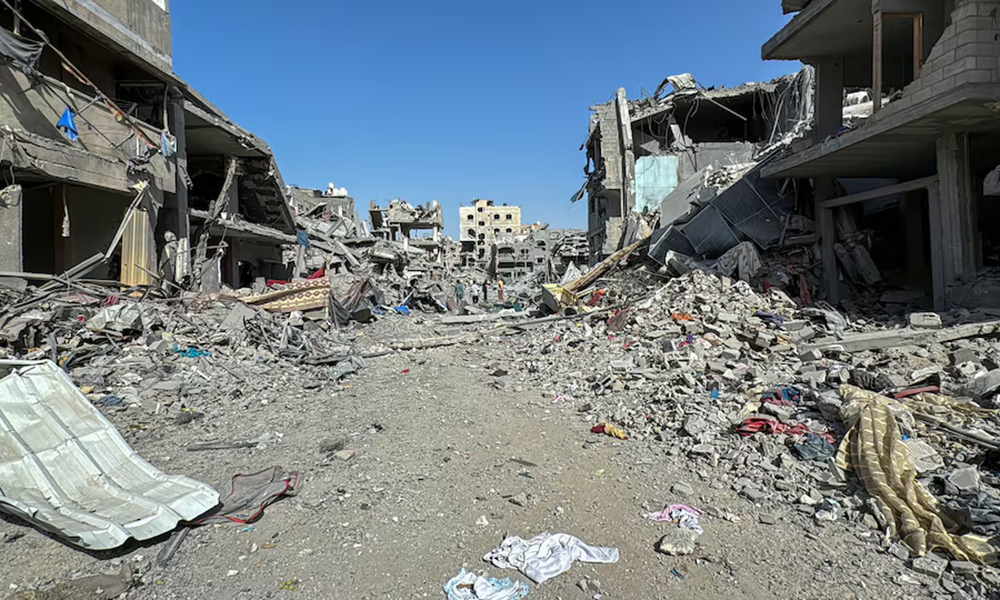
Afghanistan’s Ministry of Foreign Affairs has said US President Donald Trump’s suggestion of turning Gaza into the “Riviera of the Middle East” and resettling its Palestinian residents would be a “clear violation” of international law.
Trump’s remarks this week shattered US policy on the Israeli-Palestinian conflict and sparked widespread criticism. His suggestion was swiftly condemned by international powers, with Saudi Arabia rejecting the plan outright.
Under international law, attempts to forcibly transfer populations are strictly prohibited, and Palestinians as well as Arab nations will see this as nothing short of a clear proposal aimed at their expulsion and the ethnic cleansing of Palestinians from their land, Reuters reported.
In a statement issued by the Islamic Emirate of Afghanistan (IEA) on Wednesday, the ministry emphasized that no one else has the right to decide their fate.
“The Islamic Emirate believes that such plans not only represent the sinister motives of the Zionist regime, but also provoke widespread resentment among Muslims and escalate tensions in the region,” the statement read.
The statement added that the Islamic Emirate urges influential and justice-seeking countries to take a united, practical, and timely stance against such conspiracies.
Turkey meanwhile called the proposal “unacceptable” and France said it risked destabilising the Middle East.
Countries from Russia, China, Germany, Spain, Ireland and the UK said they continued to support the two-state solution that has formed the basis of Washington’s policy in the region for decades, which has held that Gaza would be part of a future Palestinian state that includes the occupied West Bank, Reuters reported.
Trump, in his first major Middle East policy announcement, said he envisioned building a resort where international communities could live in harmony after over 15 months of Israeli bombardment devastated the tiny coastal enclave and killed more than 47,000 people, by Palestinian tallies.
Last year, Trump’s son-in-law and former aide Jared Kushner described Gaza as “valuable” waterfront property.
Netanyahu and Trump meet
Welcoming Israeli Prime Minister Benjamin Netanyahu to the White House on Tuesday, Trump said he would support an effort to permanently resettle Palestinians from Gaza to places where they can live without fear of violence, and he and his team had been discussing this possibility with Jordan, Egypt and other regional countries.
In a news conference, Trump said Jordan’s King Abdullah and Egyptian President Abdel Fattah al-Sisi would come around to the idea despite their rejections, saying they will “open their hearts and will give us the kind of land that we need to get this done and people can live in harmony and in peace.”
The casual proposal sent diplomatic shockwaves across the Middle East and around the globe. China said it opposed the forced transfer of Palestinians.
An official from Palestinian group Hamas, which ruled the Gaza Strip the war broke out, said Trump’s statement about taking over the enclave was “ridiculous and absurd”.
“Any ideas of this kind are capable of igniting the region,” Sami Abu Zuhri told Reuters, saying Hamas remains committed to the ceasefire accord with Israel and “ensuring the success of the negotiation in the second phase”.
It is not clear whether Trump will go ahead with his controversial plan or is simply taking an extreme position as a bargaining strategy. He provided no specifics at the news conference.


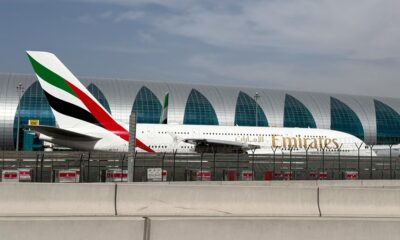

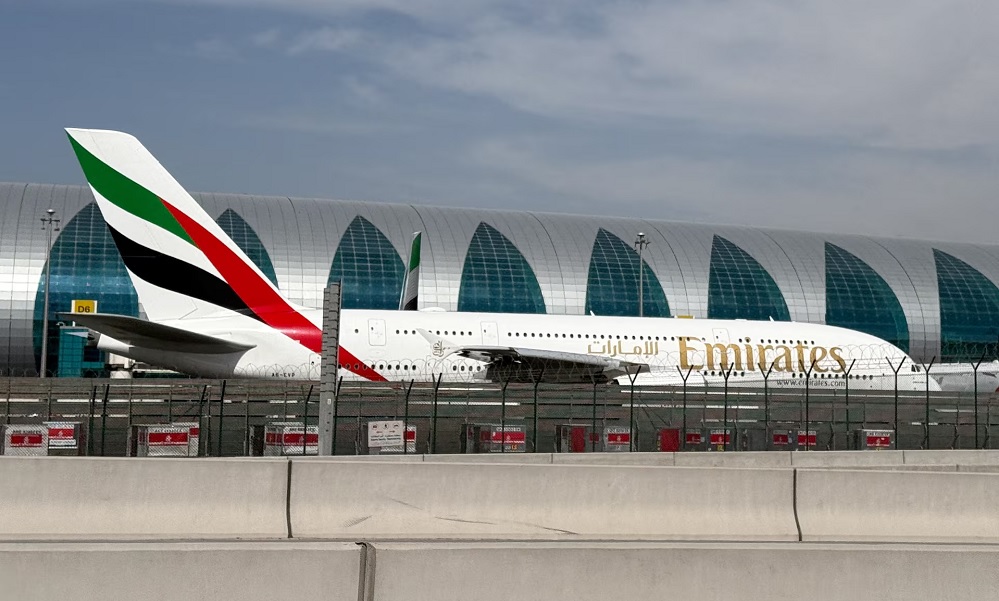
Dubai-based airline Emirates’ website said on Wednesday that Iranian nationals were not allowed to enter or transit the United Arab Emirates.
The website of another carrier, Flydubai, said Iranian nationals holding a UAE “Golden Visa” were exempt and permitted to enter and transit the country, Reuters reported.
The restrictions come amid heightened tensions between Iran and Gulf states.
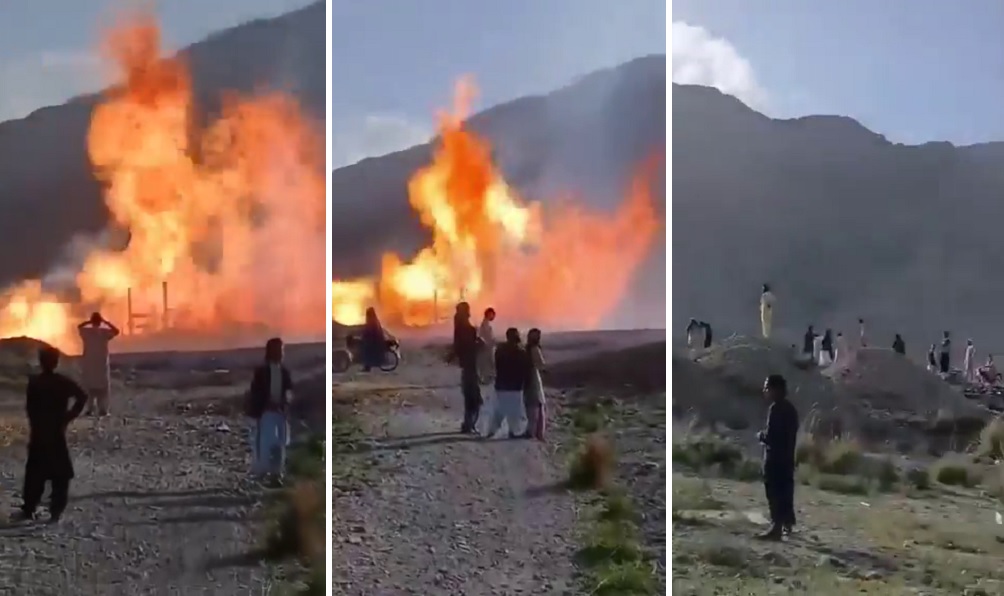
A natural gas pipeline was blown up in southern Pakistan on Monday, suspending supply to several districts, an official said.
No one has claimed responsibility for the attack.
An 18-inch-diameter main gas supply pipeline was blown up by unknown people on the outskirts of Quetta city, the capital of restive Balochistan province, a spokesman for Sui Southern Gas Company said, Reuters reported.
It suspended gas supply to several parts of the city and at least five more districts, he said.
Separatist insurgents and militants operate in the region.
The separatists have long been fighting against the state, targeting the government and military, and blame the central government in Islamabad for depriving the locals of what they say is their due share in the region’s mineral-rich resources.
Engineers were working to repair the pipeline, the SSGC spokesman said.
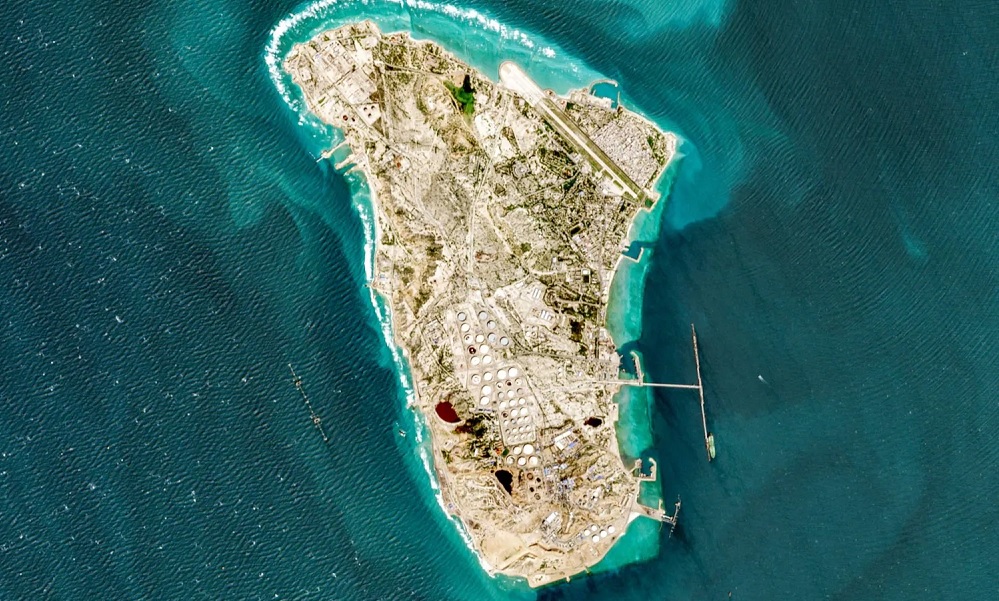
A small but strategically critical island in the Persian Gulf has emerged as a potential flashpoint in escalating tensions between the United States and Iran, with analysts warning that any attempt to seize it could have far-reaching economic and military consequences.
Kharg Island, which accounts for the vast majority of Iran’s oil exports, has reportedly been discussed within US policy circles as a possible target. The island, located about 26 km Iran’s coast near the Strait of Hormuz, plays a central role in the country’s energy trade and government revenue, Reuters reported.
According to reports, US President Donald Trump has deployed thousands of US troops to the Middle East, while leaving open the possibility of a ground operation. In recent remarks, he suggested that control of Iran’s oil infrastructure could form part of Washington’s strategy, even as diplomatic efforts are publicly emphasised.
Military analysts say that while US forces could potentially capture the island quickly, holding it would be significantly more difficult and could prolong the conflict.
Former US Central Command chief Joseph Votel noted that although a relatively small force might secure the island initially, sustaining operations would require extensive logistical support and expose troops to considerable risk.
Iran has reportedly reinforced defences on Kharg Island, deploying additional air defence systems and laying mines in surrounding waters. Officials in Tehran have also issued strong warnings, with senior figures threatening severe retaliation if US ground forces attempt to land.
Iran’s Speaker of Parliament Mohammad Bagher Ghalibaf said recently Iran was prepared for such a scenario, accusing the US of signalling negotiations publicly while preparing for military escalation behind the scenes.
Regional allies have also expressed concern, cautioning that any ground invasion could trigger wider retaliation across the Gulf, potentially targeting energy infrastructure and civilian sites.
Despite speculation, the White House has maintained that no decision has been taken to deploy ground troops, stressing that all options remain under consideration.
Experts say however that seizing Kharg Island could effectively cut off Iran’s primary source of income, dealing a severe blow to its economy. However, they warn that such a move could also destabilise global energy markets and escalate the conflict further.
The situation is compounded by disruptions in the Strait of Hormuz, where shipping traffic has slowed significantly amid rising tensions. Analysts caution that prolonged disruption could have serious implications for global supply chains and oil prices.
While some policymakers view control of the island as a potential bargaining chip in future negotiations, others argue it could entrench a prolonged standoff, with Iran retaining control over production while the US controls export routes.
Energy and foreign policy experts warn that any attempt to seize the island would likely send shockwaves through global markets and risk drawing the region into a broader and more sustained conflict.


Afghan delegation heads to China for talks with Pakistan

US eases asylum freeze for vetted migrants, keeps Afghanistan ban

Punjab Kings edge Gujarat Titans in thrilling IPL clash as tournament gathers pace

Peshawar jirga urges Pakistan, Afghanistan to halt clashes and pursue peace through dialogue

Emirates airline says Iranian nationals barred from entering or transiting UAE

Prominent Muslim scholar issues fatwa calling for Afghanistan-Pakistan ceasefire

IEA Supreme Leader issues Eid-ul-Fitr message urging unity and support for Islamic system

14 Pakistani soldiers killed after military post falls along Durand line: MoD

Ronaldo’s private jet flies out of Saudi Arabia following US Embassy drone strike in Riyadh

Afghanistan steps in to replace Iran in supplying fruits and vegetables to Russia

Tahawol: Escalation of conflict in Middle East discussed

Saar: Formation of Jirga in Khyber Pakhtunkhwa

Tahawol: Pakistani military shelling in Kunar

Saar: Impact of Middle East conflict on Afghanistan

Tahawol: Efforts for Kabul-Islamabad de-escalation
-

 Latest News5 days ago
Russia deems US military presence in Afghanistan unacceptable
-
 Latest News5 days ago
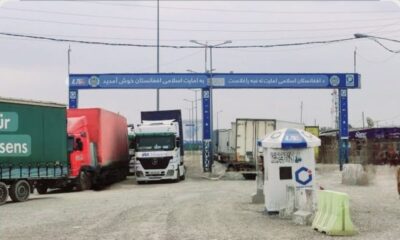
IEA says Iranian drivers no longer need visas to enter Afghanistan
-
 Latest News4 days ago
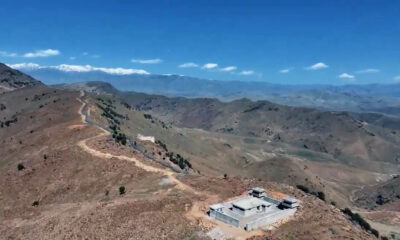
Afghan defense forces stand ready to protect national sovereignty: MoD
-

 International Sports3 days ago
Injury concerns mount ahead of FIFA World Cup 2026 as stars sidelined
-
 Latest News2 days ago
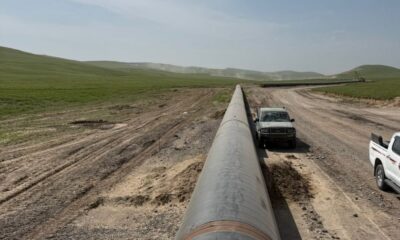
TAPI gas pipeline advances 25 km in Afghanistan
-

 World5 days ago
US Vice President Vance emerges as key figure in Iran peace efforts: Report
-
 Business3 days ago
Afghanistan, Uzbekistan ink $514.8 million deals to deepen trade ties
-
 Latest News5 days ago
Afghans in Iran face growing uncertainty as war enters second month