
Latest News
IEA’s supreme leader calls on officials to adhere to amnesty orders

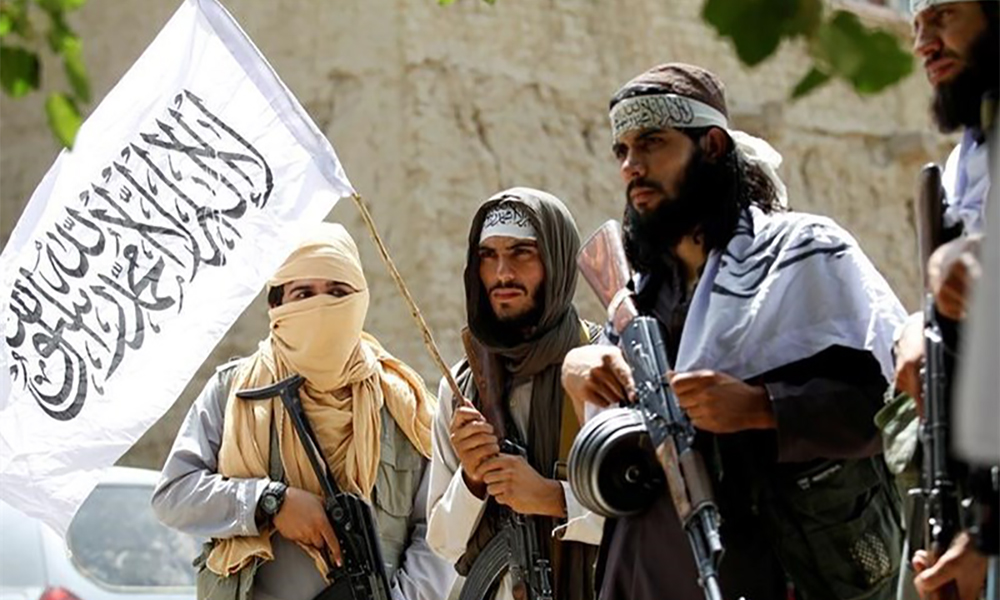
The Islamic Emirate of Afghanistan’s (IEA) spokesmen and sources have published a document containing recommendations made by the IEA’s supreme leader Mullah Hibatullah Akhundzada on certain issues including that of amnesty.
The recommendations were reportedly made by Mullah Akhundzada at a large gathering of IEA officials in Kandahar recently, where he called on officials to respect his call for amnesty.
Some of the recommendations made also relate to the IEA’s internal relations.
According to the IEA, Mullah Akhundzada advised IEA forces to respect his call for amnesty and stressed that former government employees should not be punished for “previous crimes”.
According to a text published by Mohammad Naeem, a spokesman for the IEA’s political office, Mullah Akhundzada said that everyone in the country must be respected and that the dignity of the people in the country should be maintained and that no Afghans should leave the country.
He called on IEA officials, scholars, tribal elders, governors and district governors to convince those who want to leave the country to stay at home.
He also called on IEA officials to become a “safe haven” for the people and to preserve their dignity; because all Afghans expect this of them.
The IEA leader has also made some recommendations regarding their internal relations. He told IEA officials that they may not assume responsibility themselves but that if the elders gave them responsibilities, they would obey their orders.
Mullah Akhundzada has instructed his people to carry out their assigned responsibilities in accordance with the principles and procedures laid out by the IEA and to refrain from acting randomly.
“Do some kind of responsibility that you can see with open eyes tomorrow,” he said. “Always seek the advice of scholars in order to take better responsibility.”
The IEA leader has advised his people to think of all Afghans as their brothers.
He also called on the people under his command to ensure the people aren’t suppressed, and to refrain from beating them.
The IEA officials have been advised by their leader to not use the “tools provided by Allah” for “oppression and exaggeration” purposes and to exercise patience when carrying out their duties.
The IEA leader also stressed: “Fight for justice together and give everyone their dues. Do not coerce in responsibility, do not be individualistic and do not assign duties to anyone based on language and ethnicity, but assign duties based on talent.
“Respect the elders, do not complain about them, be honored and do not do anything without the permission of the elders.”
Mullah Akhundzada also stressed the need for good coordination between IEA officials and for them to refrain from interfering in each other’s affairs.
He also said officials are to observe good morals and to ensure the safety of the people during night patrols and to remain committed to the IEA government.
He concluded by stressing that the IEA was in for a big test, and urged officials “to pass the test”. He said: “Let’s make a good history.”
Soon after their takeover of Kabul, the IEA announced a general amnesty but reports have indicated that some former military personnel have carried out assassinations, targeting IEA forces.
The IEA however denies these allegations. Meanwhile, some IEA members in the provinces have also complained about injustice and the unfair distribution of privileges, facilities and power among their ranks.
Last month, Human Rights Watch issued a report that said the amnesty promised by the IEA had not stopped local commanders from targeting former soldiers and police.
HRW accused the leadership of “condoning” the “deliberate” killings.
According to the HRW report, published on Tuesday, the targeted killings have continued under the IEA administration, with more than 100 people being killed or having disappeared across four provinces – Ghazni, Helmand, Kunduz, and Kandahar – between mid-August and November.
“The Taliban (IEA) leadership’s promised amnesty has not stopped local commanders from summarily executing or disappearing former Afghan security force members,” said Patricia Gossman, associate Asia director for HRW.




Latest News
Torkham crossing reopens for returning Afghan migrants
According to reports, the reopening has allowed the flow of Afghan returnees from Pakistan to resume, with many families entering Afghanistan through the crossing.
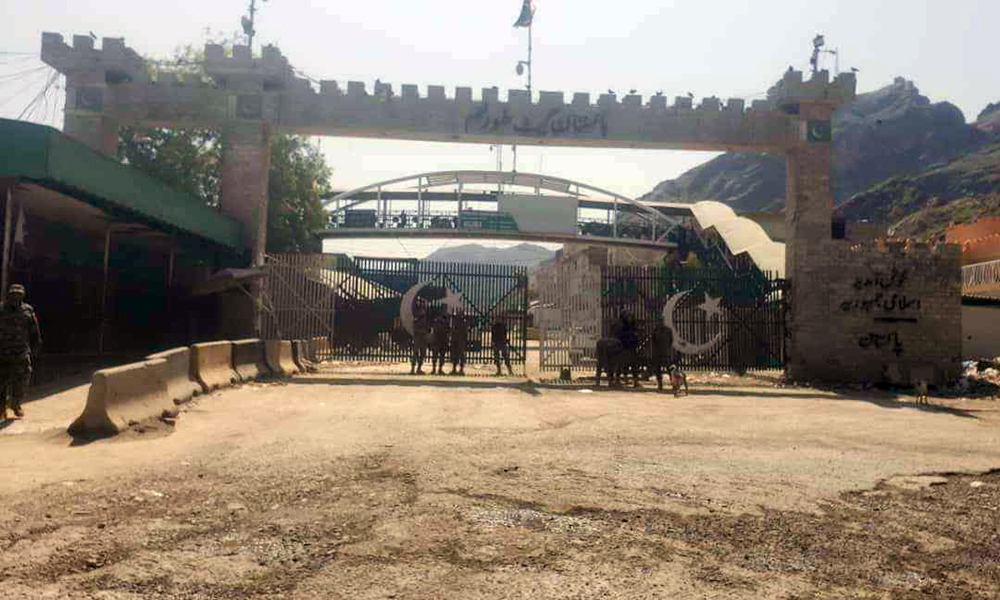
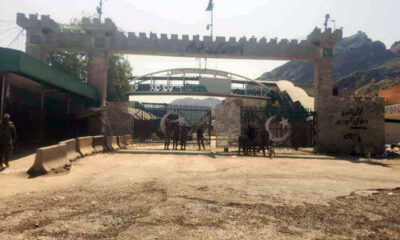
The Torkham border crossing was reopened on Thursday at 2 p.m. for Afghan migrants returning to the country after nearly a month of closure.
According to reports, the reopening has allowed the flow of Afghan returnees from Pakistan to resume, with many families entering Afghanistan through the crossing.
Torkham is considered one of the most important crossing gateways between Afghanistan and Pakistan.
Its closure had created significant challenges for migrants and disrupted crossing movement.
Latest News
Two killed, hundreds affected in severe floods in Kandahar
Tragically, two people, including a five-year-old child, lost their lives in Daman district as a result of the floodwaters.
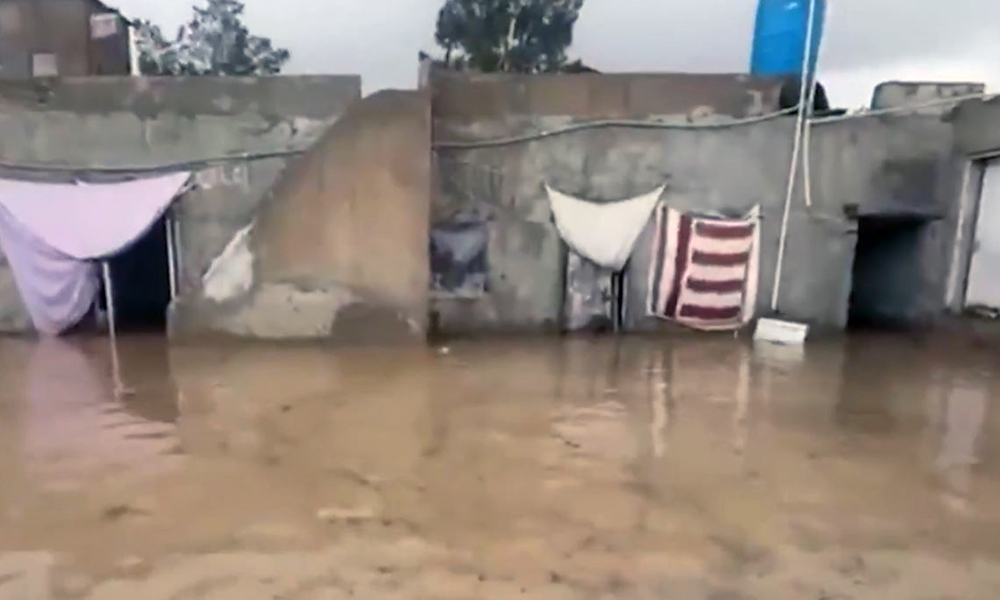
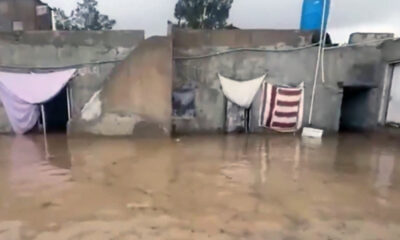
Heavy rainfall and subsequent flooding in Kandahar have caused significant destruction, leaving dozens of families affected, according to the province’s Department for Disaster Response and Preparedness.
Officials reported that approximately 85 homes in Kandahar city were either completely or partially destroyed due to the severe weather. Additionally, around 90 families living in temporary shelters were also impacted by the floods.
Tragically, two people, including a five-year-old child, lost their lives in Daman district as a result of the floodwaters.
Authorities confirmed that joint response teams have been dispatched to the affected areas to assess the damage and provide urgent humanitarian assistance to the displaced and affected families.
The local administration emphasized the need for coordinated relief efforts to help the flood-affected population recover from the disaster.
Latest News
Afghanistan highlights water diplomacy at Tashkent ministerial forum
Speaking at the event, Mujeeb-ur-Rahman Omar Akhundzada emphasized the need for equitable water distribution between Afghanistan and Central Asian nations.
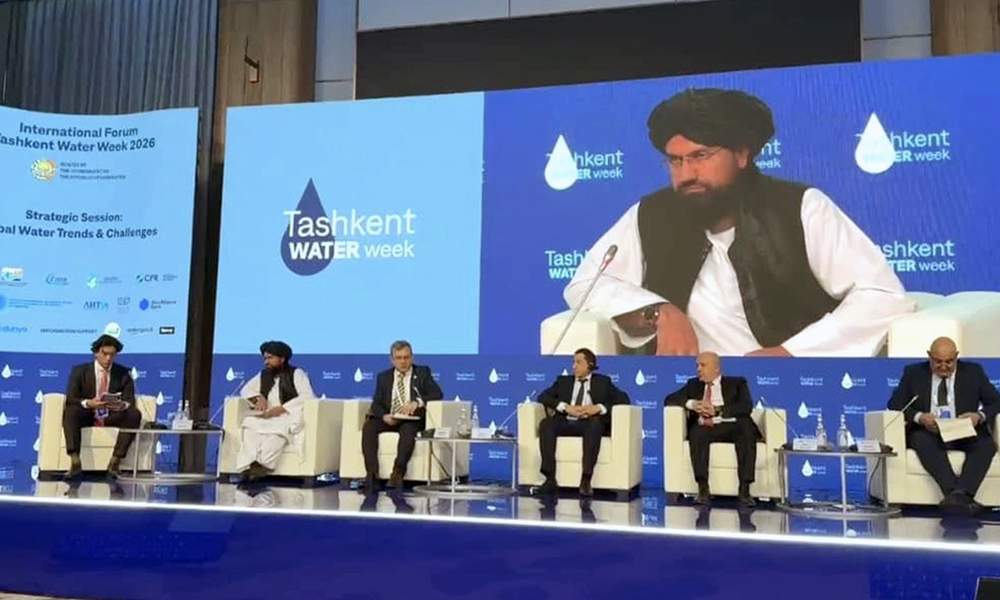
Afghanistan has underscored the importance of water diplomacy and regional cooperation during a ministerial forum held in Tashkent, the capital of Uzbekistan.
The country’s Deputy Minister for Water at the Ministry of Water and Energy participated in the “Water Week” forum, where he called for stronger collaboration among regional partners in managing shared water resources.
Speaking at the event, Mujeeb-ur-Rahman Omar Akhundzada emphasized the need for equitable water distribution between Afghanistan and Central Asian nations. He also highlighted the importance of enhancing water diplomacy and adopting modern technologies to improve water management systems.
Akhundzada further stressed the urgency of joint regional efforts to tackle the effects of climate change and prevent environmental degradation along the Amu Darya River. He reaffirmed Afghanistan’s commitment to respecting the water rights of neighboring countries while strengthening its domestic water infrastructure.
On the sidelines of the forum, Akhundzada met with Shavkat Khamrayev to discuss expanding bilateral cooperation in water management between Afghanistan and Uzbekistan.
Afghanistan’s participation in the forum is seen as a significant step toward boosting its engagement in regional and international water discussions, potentially paving the way for deeper cooperation across Central Asia.


Torkham crossing reopens for returning Afghan migrants

Afghanistan to face Myanmar in crucial AFC clash

Two killed, hundreds affected in severe floods in Kandahar

Afghanistan highlights water diplomacy at Tashkent ministerial forum

Russia sought to blackmail US using intelligence to Iran, Zelenskiy says

Pakistani military jet downed in Afghanistan’s Jalalabad, pilot captured alive

Afghan Air Force conducts airstrikes in Islamabad, other cities

Prominent Muslim scholar issues fatwa calling for Afghanistan-Pakistan ceasefire

Afghan air force strikes key Pakistani military installations in retaliatory operation

IEA: Special circle in Pakistan has launched mission to destabilize region

Tahawol: Efforts to release Mohammad Rahim from Guantanamo Bay Detention Camp

Saar: End of ceasefire between Afghanistan-Pakistan reviewed

Tahawol: Escalating threats between Iran-US discussed

Tahawol: Possibility of US ground forces entering Iran war discussed

Saar: Using US prisoners as political pressure
-
 Latest News4 days ago
Deadly violence likely without dialogue between Afghanistan and Pakistan: ICG
-

 Latest News3 days ago
Pakistan seeks Russian mediation to resolve Afghanistan tensions
-
 International Sports4 days ago
FIFA World Cup 2026: Play-Off Tournament takes centre stage
-
 Sport4 days ago
Afghanistan secures third place at 2026 World Kokpar Championship
-
 Business4 days ago
Afghani strengthens nearly 10% against US dollar amid banking sector reforms
-
 Latest News3 days ago
World must re-engage to prevent all-out Afghanistan-Pakistan war: Financial Times
-
 Regional5 days ago
Trump says US considering ‘winding down’ Iran war
-

 Sport2 days ago
Afghanistan squad hit by withdrawals ahead of AFC Asian Cup Qualifiers