
Latest News
IECC to IEC: Preliminary Results Must Be Announced On Time

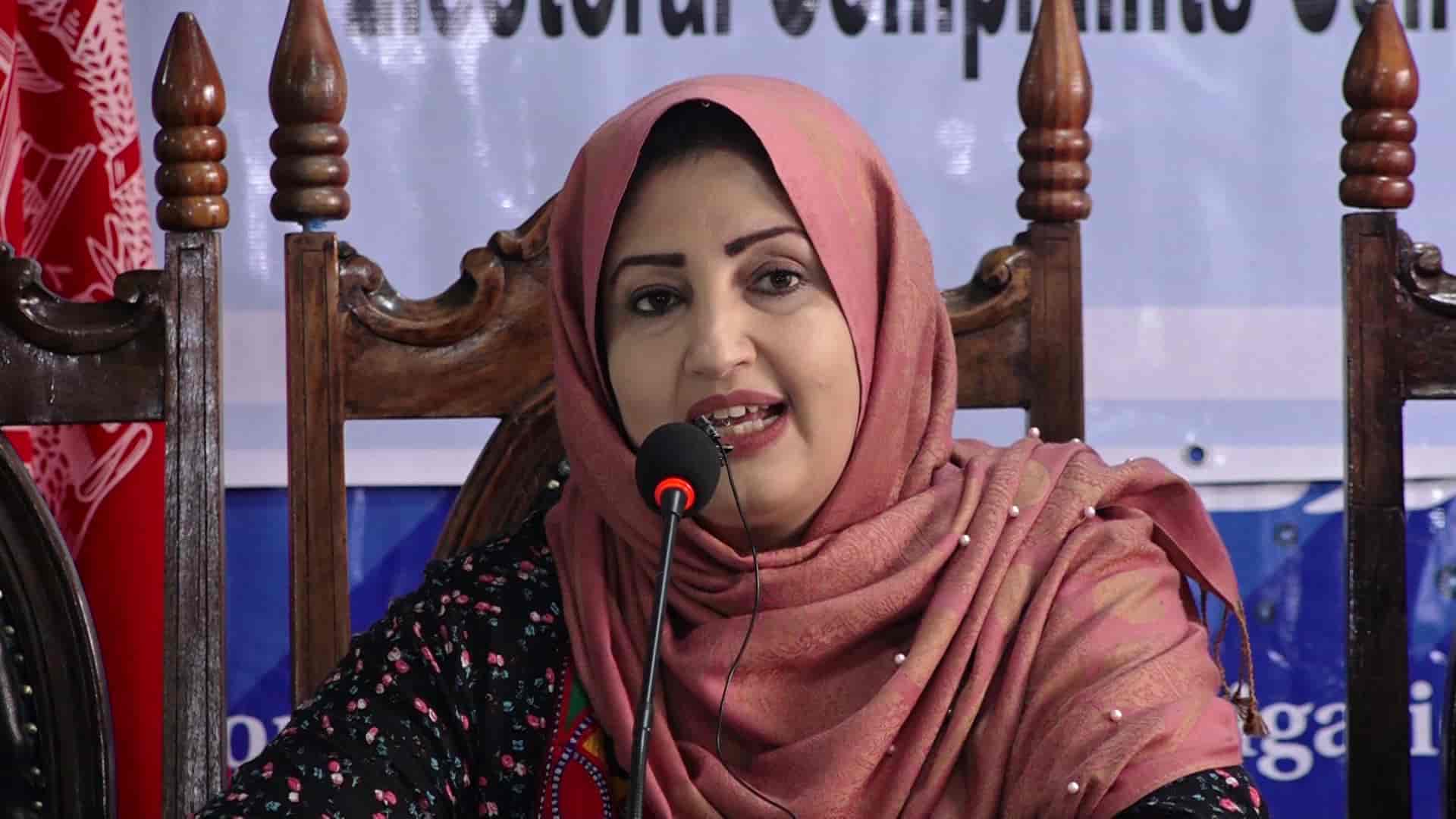
 The Independent Electoral Complaints Commission (IECC) said on Thursday that a further delay in announcing the preliminary results of the 2019 Presidential Election would be illegal and unacceptable.
Speaking at a press conference in Kabul, IECC Head Zuhra Bayan Shinwari, stressed that the results must be out by the preset date of November 14 and more violations of the electoral calendar will be a violation of the law.
“IECC is concerned over violation of the electoral calendar by the Independent Election Commission (IEC) and calls on IEC not to delay the announcement of preliminary results which is due on November 14,” Shinwari said.
Moreover, IECC Head added that over 4,528 complaints have been reviewed and addressed by the Complaint Commission, based on which 2,118 polling centers have been subject to vote to recount while votes from 30 centers and 105 stations have been announced as invalid.
Meanwhile, IEEC asked the German Dermalog Company to act based on the contract signed with Independent Election Commission.
“Based on the legal framework and contract made with Dermalog Company, it is required to share all details and their justifications with Afghan people,” IECC member, Mohammad Qasim Elyasi, said.
The preliminary result of Afghanistan’s presidential election was scheduled to be announced on October 19 but it didn’t happen due to technical problems with vote transferring.
The Independent Election Commission (IEC) has officially announced November 14 as the new date for preliminary results.








Latest News
WHO warns of rising tobacco use in Afghanistan, calls for collective action
WHO noted that Afghanistan continues to face challenges due to limited public awareness and the absence of effective national tobacco control policies.

The World Health Organization (WHO) has called for stronger efforts to protect Afghans from the harmful effects of tobacco, warning that tobacco use remains a major public health challenge across the country.
Marking World No Tobacco Day on May 31, WHO Representative in Afghanistan Dr. Edwin Ceniza Salvador said protecting people from tobacco-related harm is a shared responsibility and essential for building a healthier future.
In a message released on the occasion, WHO said the tobacco industry continues to conceal the dangers of its products through misleading tactics, including the use of sweet flavors that are particularly attractive to young people.
According to WHO Afghanistan, one in four adults in the country uses tobacco, with Naswar remaining the most common form of consumption. The organization also expressed concern over growing tobacco use among Afghan youth, especially adolescent boys.
Health experts warn that both smoking and smokeless tobacco products can lead to serious illnesses, including cancer, cardiovascular disease and respiratory disorders. Early tobacco use among young people significantly increases the risk of long-term addiction and chronic health complications.
WHO noted that Afghanistan continues to face challenges due to limited public awareness and the absence of effective national tobacco control policies.
Data from the Tobacco Atlas indicates that more than 9,000 people die each year in Afghanistan from tobacco-related diseases. The economic impact is also substantial, with the annual cost of tobacco use estimated at more than 9.2 billion Afghanis, or approximately $130 million.
Public health authorities continue to emphasize awareness campaigns, stronger regulations and smoke-free environments as key measures to reduce tobacco consumption and protect future generations.
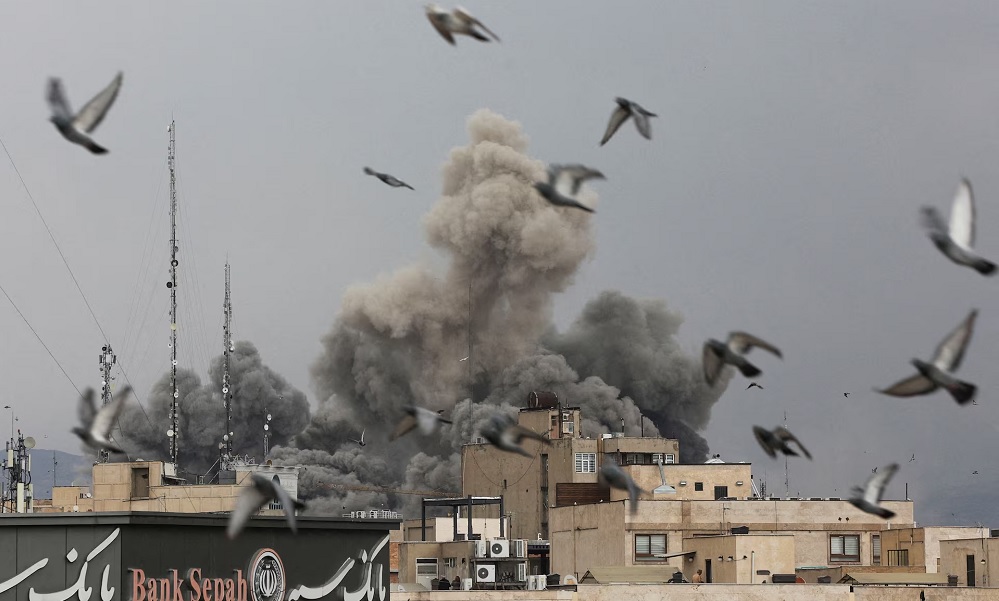
Jan Egeland, secretary-general of the Norwegian Refugee Council (NRC), says millions of civilians in Iran, including Afghan refugees, have been severely affected by the recent conflict, which has left widespread destruction and deepened humanitarian needs.
In a post on X, Egeland said he had returned to Iran and witnessed the impact of the war on both Iranian families and Afghan refugees.
“I am back in Iran where millions of Iranian civilians and Afghan refugees have had their lives shattered by the recent war,” he wrote.
According to Egeland, tens of thousands of civilian homes have been damaged or destroyed, while hundreds of schools and health facilities have also been affected. He added that damage to critical civilian infrastructure has further worsened humanitarian conditions.
The NRC chief said an estimated 3.2 million people were forced to flee their homes during the conflict, including both Iranian citizens and Afghan refugees. Others, he noted, were unable to leave and remained trapped in areas close to airstrikes.
Egeland said thousands of people were killed or injured during the fighting, while around 17 million students were unable to attend classes in person.
He praised NRC staff in Iran for continuing to provide assistance to those affected but warned that humanitarian efforts are facing serious financial constraints.
“My NRC colleagues here are working hard to provide essential support. But we are severely overstretched and underfunded,” he said.
Latest News
MSF chief recalls 2015 Afghanistan hospital bombing, warns of rising attacks on healthcare
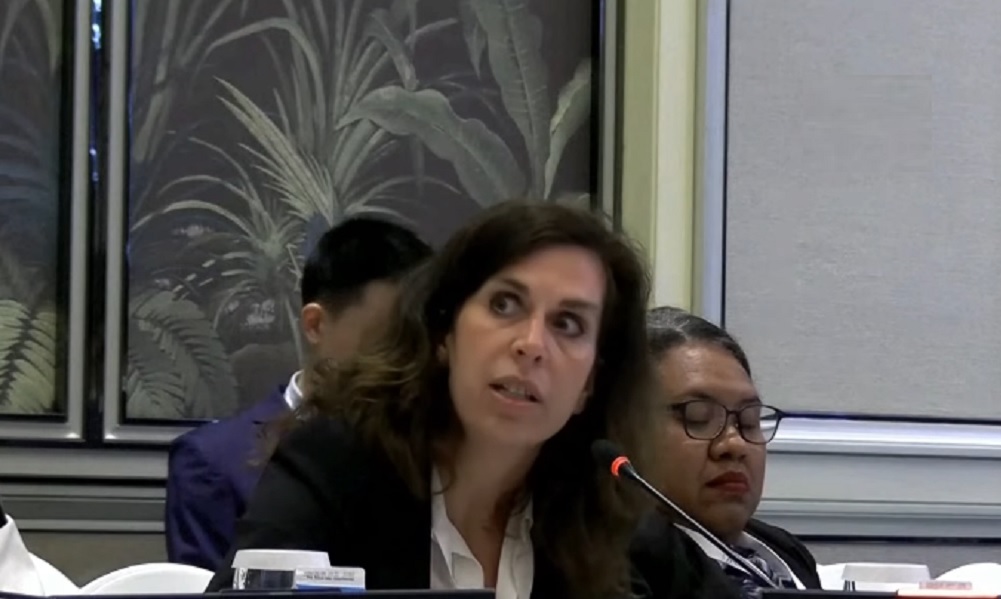
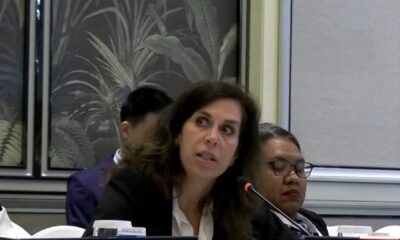
The head of Médecins Sans Frontières (MSF) International has warned that attacks on hospitals and healthcare facilities in conflict zones are increasing, despite global efforts to strengthen protections for medical missions following the bombing of an MSF hospital in Afghanistan a decade ago.
Speaking during a special session at the Shangri-La Dialogue in Singapore, Laura Leyser, Secretary General of MSF International, recalled the international response to the 2015 U.S. airstrike on an MSF-run trauma hospital in Kunduz, Afghanistan, which prompted widespread condemnation and led to the adoption of United Nations Security Council Resolution 2286 on the protection of medical personnel and facilities in armed conflicts.
“There was a big outcry. There was an investigation,” Leyser said. “What has happened since, though, is not a reduction of these cases but, to the contrary, an increasing number of attacks on hospitals and clinics.”
Leyser said more than 1,300 attacks on healthcare facilities were recorded in conflict situations worldwide last year, adding that around 80 percent of those incidents were carried out by state actors.
She said the growing number of attacks has created fear among healthcare workers and humanitarian personnel operating in war zones, making it increasingly difficult to provide lifesaving assistance to civilians.
“This is the reality that civilians face on the ground, and it is the reality that humanitarian organizations such as ours face as well,” she said.
Leyser noted that medical workers in conflict areas often continue their work despite severe shortages of supplies and constant security threats. She said many healthcare staff are afraid to report to work because of the risks posed by ongoing violence.
The MSF chief called on governments and military leaders to ensure greater respect for international humanitarian law and to strengthen accountability for violations.
Her remarks came during discussions involving senior military and security officials from Pakistan, China, Malaysia, the Netherlands, South Korea and the International Committee of the Red Cross, who gathered at the Shangri-La Dialogue to examine challenges to global security, including regional conflicts, military competition, crisis management and emerging technologies.
Leyser urged participants to reflect on ways to uphold the minimum standards of international humanitarian law and reduce impunity for attacks on healthcare facilities and personnel during armed conflicts.


WHO warns of rising tobacco use in Afghanistan, calls for collective action

Sharaa, Trump discuss Syria’s economy and sanctions in phone call

Royal Challengers Bengaluru retain IPL title with five-wicket victory over Gujarat Titans

Tahawol: Review of Afghanistan-Russia military agreement

Saar: Afghanistan’s relations with regional countries discussed

New Afghanistan-China transport corridor launched via Turkmenistan

Afghanistan signs $46 million deal to develop standard laboratory complexes

Large blast near Beit Shemesh part of pre-planned test: Israeli defense firm

Trump returns from China with stability but little progress

Afghanistan announce squad for India series
Tahawol: Review of Afghanistan-Russia military agreement
Saar: Afghanistan’s relations with regional countries discussed

Tahawol: US, Iran considering deal to end war

Saar: IEA seeking to ensure regional stability

Tawsia: Afghanistan’s weekly economic roundup reviewed
-
 Latest News4 days ago
Afghanistan, Russia sign military cooperation agreement
-
 Latest News5 days ago
‘We will never bow our heads before infidels,’ says IEA Supreme Leader
-
 Business4 days ago
Afghanistan expands oil production as investment in Amu Darya fields grows
-
 Latest News3 days ago
Work on TAPI project in Afghanistan ongoing and accelerating: Mujahid
-
 Latest News4 days ago
Mujahid calls for stronger Afghanistan-Russia relations during Moscow meeting
-
 Latest News4 days ago
Afghanistan calls for global cooperation on climate change as country faces rising environmental risks
-
 Latest News4 days ago
Islamic Emirate pursuing constructive regional diplomacy
-
 Latest News5 days ago
Turkmenistan, UNAMA review regional projects to boost Afghanistan’s economy