
Latest News
In shock announcement, Trump says U.S. wants to take over Gaza Strip
Senior Hamas official Sami Abu Zuhri condemned Trump’s calls for Gazans to leave as “expulsion from their land.”

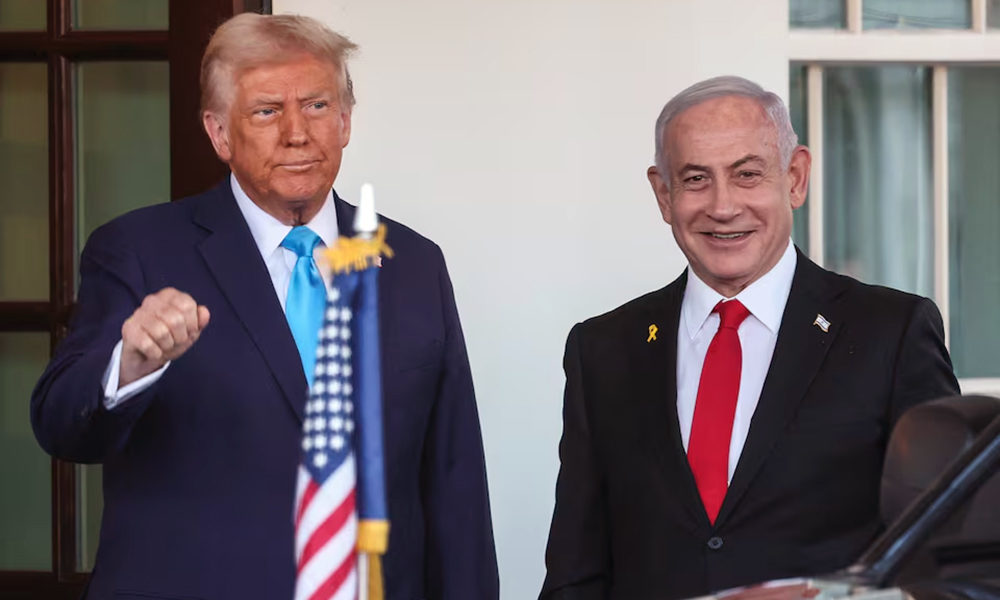
President Donald Trump said the U.S. would take over the war-ravaged Gaza Strip and develop it economically after Palestinians are resettled elsewhere, actions that would shatter decades of U.S. policy toward the Israeli-Palestinian conflict, Reuters reported.
Trump unveiled his surprise plan, without providing specifics, at a joint press conference on Tuesday with visiting Israeli Prime Minister Benjamin Netanyahu.
The announcement followed Trump’s shock proposal earlier on Tuesday for the permanent resettlement of the more than two million Palestinians from Gaza to neighboring countries, calling the enclave – where the first phase of a fragile Israel-Hamas ceasefire and hostage release deal is in effect – a “demolition site.”
Trump can expect allies and foes alike to strongly oppose any U.S. takeover of Gaza, and his proposal raises questions whether Middle East power Saudi Arabia would be willing to join a renewed U.S.-brokered push for a historic normalization of relations with U.S. ally Israel.
The U.S. taking a direct stake in Gaza would run counter to longtime policy in Washington and for much of the international community, which has held that Gaza would be part of a future Palestinian state that includes the occupied West Bank, read the report.
“The U.S. will take over the Gaza Strip, and we will do a job with it too,” Trump told reporters. “We’ll own it and be responsible for dismantling all of the dangerous unexploded bombs and other weapons on the site.”
“We’re going to develop it, create thousands and thousands of jobs, and it’ll be something that the entire Middle East can be very proud of,” Trump said. “I do see a long-term ownership position and I see it bringing great stability to that part of the Middle East.”
Asked who would live there, Trump said it could become a home to “the world’s people.” Trump touted the narrow strip, where Israel’s military assault in response to Hamas’ Oct. 7, 2023, cross-border attack has leveled large swaths, as having the potential to be “The Riviera of the Middle East.”
Trump did not directly respond to a question of how and under what authority the U.S. can take over and occupy Gaza, a coastal strip 25 miles (45 km) long and at most 6 miles (10 km) wide, with a violent history. Successive U.S. administrations, including Trump in his first term, had avoided deploying U.S. troops there.
Several Democratic lawmakers quickly condemned the Republican president’s Gaza proposals, Reuters reported.
Netanyahu, referred to a few times by Trump by his nickname, “Bibi,” would not be drawn into discussing the proposal in depth other than to praise Trump for trying a new approach.
The Israeli leader, whose military had engaged in more than a year of fierce fighting with Hamas militants in Gaza, said Trump was “thinking outside the box with fresh ideas” and was “showing willingness to puncture conventional thinking.”
Netanyahu may have been relieved that Trump, who forged close ties with the Israeli leader during his first term in the White House, did not pressure him publicly to maintain the ceasefire. He faces threats from far-right members of his coalition to topple his government unless he restarts the fighting in Gaza to destroy Iran-backed Hamas.
Some experts have suggested Trump sometimes takes an extreme position internationally to set the parameters for future negotiations. In his first term, Trump at times issued what were seen as over-the-top foreign policy pronouncements, many of which he never implemented.
A U.N. damage assessment released in January showed that clearing over 50 million tonnes of rubble left in Gaza in the aftermath of Israel’s bombardment could take 21 years and cost up to $1.2 billion.
Jonathan Panikoff, former deputy U.S. national intelligence officer for the Near East, said Trump’s plan would mean a lengthy U.S. military commitment and if it came to fruition would be viewed by the Arab world as Washington “not learning its lessons from nation building in Iraq and Afghanistan.”
Trump earlier repeated his call for Jordan, Egypt and other Arab states to take in Gazans, saying Palestinians there had no alternative but to abandon the coastal strip, which must be rebuilt after nearly 16 months of a devastating war between Israel and Hamas militants.
But this time Trump said he would support resettling Palestinians “permanently,” going beyond his previous suggestions that Arab leaders had already steadfastly rejected.
Forced displacement of Gaza’s population would likely be a violation of international law and would be fiercely opposed not only in the region but also by Washington’s Western allies. Some human rights advocates liken the idea to ethnic cleansing.
Senior Hamas official Sami Abu Zuhri condemned Trump’s calls for Gazans to leave as “expulsion from their land.”
“We consider them a recipe for generating chaos and tension in the region because the people of Gaza will not allow such plans to pass,” he said.
Trump offered no specifics on how a resettlement process could be implemented but his proposal echoed the wishes of Israel’s far right and contradicted Democratic former President Joe Biden’s commitment against mass displacement of Palestinians, Reuters reported.
Aaron David Miller, a former Middle East adviser to Republican and Democratic administrations, said Trump had given Netanyahu a “huge pass” with his Gaza announcement. “He validated almost every right-wing fantasy in Israel,” Miller said.
The Saudi government, in a statement, stressed its rejection of any attempt to displace Palestinians from their land and said it would not establish relations with Israel without establishment of a Palestinian state.
Just two weeks into his second term, Trump was hosting Netanyahu at the White House to discuss the future of the Gaza ceasefire, strategies to counter Iran and hopes for a renewed push for an Israeli-Saudi normalization deal.
His Gaza proposal followed a frenetic first two weeks in office in which Trump has talked about a U.S. takeover of Greenland, warned of the possible seizure of the Panama Canal and declared that Canada should be the 51st U.S. state.
Some critics have said Trump’s expansionist rhetoric echoes old-style imperialism, suggesting it could encourage Russia in its war in Ukraine and give China justification for invading self-ruled Taiwan.
Trump described the Gaza Strip as a longtime “symbol of death and destruction” and said Palestinians there should be housed in “various domains” in other countries. He said the U.S. will take over the Gaza Strip, “level the site” and create economic development but did not say how.
Trump, who had a career of developing real estate before getting into politics, cast a broad-brush, optimistic vision of a U.S. takeover of Gaza while skirting details on how the United States would go about possessing the enclave and securing it.
He was also vague on where the Palestinian inhabitants of Gaza would go, saying he was confident Egypt and Jordan would take many of them, despite those governments already rejecting the idea.
What impact Trump’s proposals have on negotiations over the second phase of the Gaza ceasefire deal was unclear, as Hamas has adamantly insisted it wants to remain in Gaza while Netanyahu has vowed to destroy the group and never allow it to again rule the territory, read the report.
Trump’s Middle East envoy, Steve Witkoff, played a key role in helping the Biden administration secure the long-sought Gaza deal before the Jan. 20 transfer of power in the U.S. The first phase has led to Hamas’ release of 18 hostages and Israel’s release of hundreds of jailed Palestinians.
“We’re in Phase 2 now,” Witkoff told reporters earlier. He said he met Netanyahu on Monday to discuss parameters for the policy negotiations and would meet the prime minister of Qatar, a mediator in the negotiations, in the U.S. on Thursday.




Latest News
Hana raises concerns over Afghan women and children amid Iran’s expulsion policy
It said the risks are particularly serious for children born in Iran or those who have spent much of their lives there.
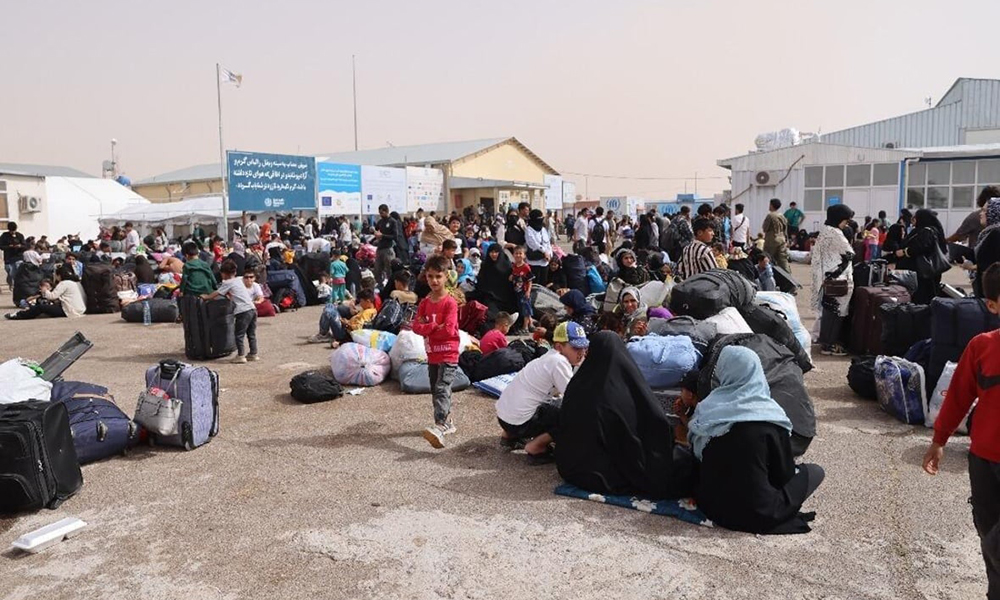
The Hana Human Rights Organization has raised serious concerns over the situation of Afghan women and children in Iran, saying the country’s plan to regulate and expel undocumented Afghan nationals remains in effect.
According to Hana, Iran’s Ministry of Interior has confirmed that the “Plan for the Regulation and Expulsion of Unauthorized Afghan Nationals” has not been suspended.
The organization said the policy is continuing amid the consequences of armed conflict and an increasingly securitized environment in Iran, which it said has heightened the vulnerability of Afghan migrants and asylum seekers.
Hana said it has previously documented cases involving the arrest and mistreatment of Afghan nationals, deportations, family separation and difficulties obtaining civil documentation and accessing essential services.
The organization warned that continued implementation of the expulsion policy could worsen these problems.
Hana expressed particular concern for Afghan children under 18, stressing that children’s rights are independent of their parents’ migration status.
It said irregular residence should not, by itself, justify a child’s detention, separation from family or removal without an individualized assessment. Any decision affecting a child, it added, should prioritize the child’s best interests, preserve family unity and provide additional safeguards for unaccompanied and separated children.
The organization warned that large-scale expulsions without clear procedures to identify and protect children at risk could result in family separation, disruption to education, lack of legal protection, difficulties establishing legal identity, exploitation and return to unsafe conditions.
It said the risks are particularly serious for children born in Iran or those who have spent much of their lives there.
Hana also highlighted gender-specific risks facing Afghan women and girls. It warned that deportation to Afghanistan without assessing risks linked to gender, previous political or social activities, family circumstances and access to support networks could expose them to serious human rights violations.
The organization said being classified as an “unauthorized foreign national” should not replace an individual assessment of a person’s protection needs and the risks they may face upon return.
Hana stressed that while states have the authority to regulate the entry and residence of foreign nationals, migration enforcement must comply with international human rights principles, including non-refoulement, the prohibition of collective expulsion, access to individualized procedures and respect for family unity.
It called for heightened protection for women and children, warning that continuing the expulsion plan without effective legal and protection safeguards could lead to further human rights violations against Afghan migrants and asylum seekers in Iran.
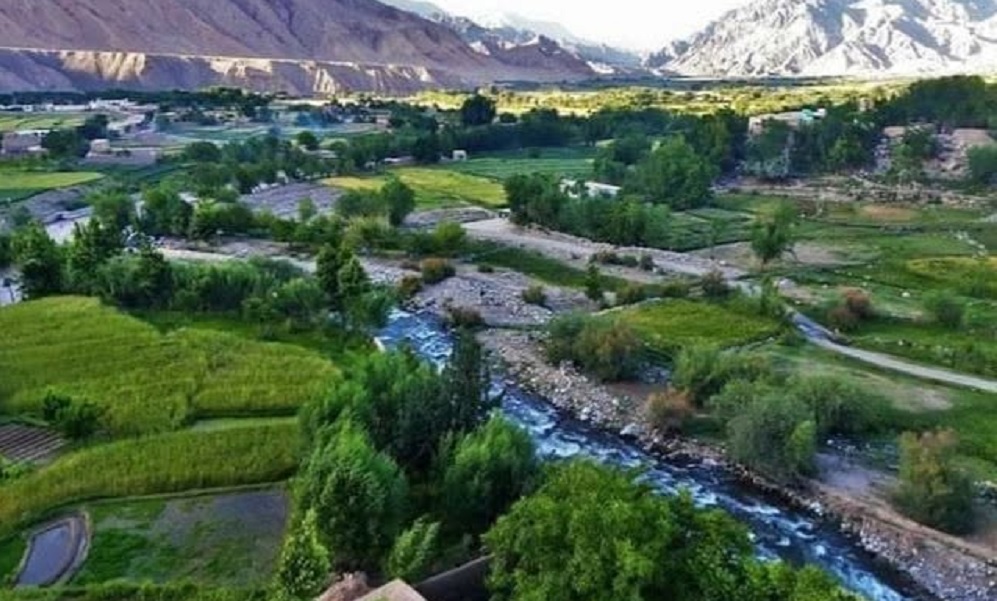
Security officials in Afghanistan’s Baghlan province say an armed clash between members of two families over a personal dispute and access to water for agriculture in Tala wa Barfak district has left four people dead and one injured.
Ismail Ayubi, police chief of Tala wa Barfak district, said the incident took place in the Dewalk area of Barfak, a remote part of the district.
He said the main cause of the clash was a dispute between the two families over the use of agricultural water.
Baghlan police said that, due to the lack of mobile network coverage in the area, a local resident traveled to an area with network access to report the incident to security forces.
Following the report, security forces took the necessary steps to respond to the incident. Officials said those involved in the clash fled the area after the incident, and no one has so far been arrested.
The district police chief said efforts are ongoing to identify and arrest those responsible. Security forces are also working to maintain public safety and prevent further insecurity in the district.
An investigation into the circumstances of the clash and the identification of those involved is ongoing.
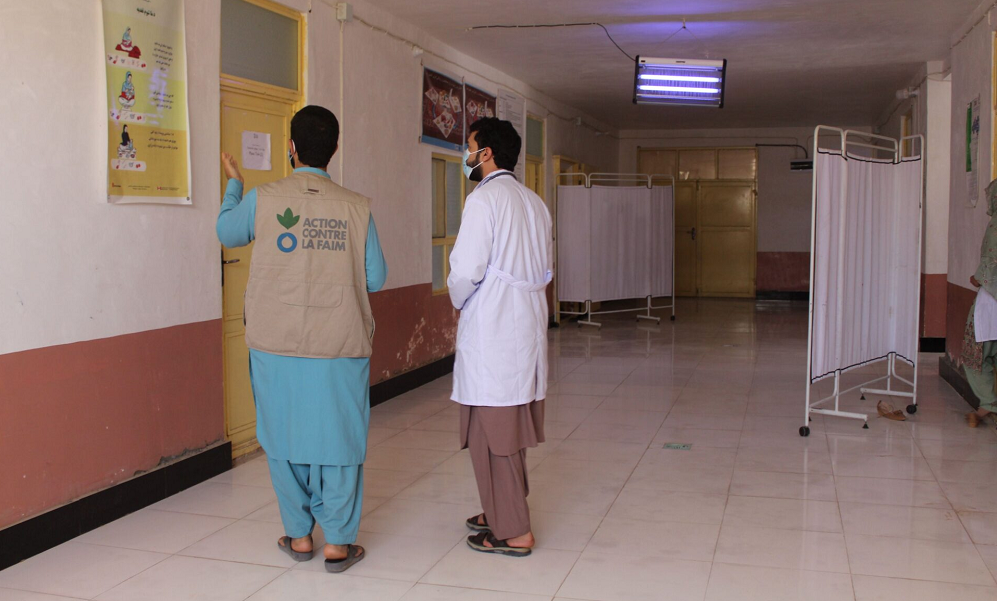
Children recovering from malnutrition in Afghanistan often return to households that lack the resources to provide the nutritious food they need to fully recover and grow, Action Against Hunger has warned.
The organization said recurrent drought, poverty, food insecurity and limited household incomes are making it difficult for families to prevent children from falling back into malnutrition after completing treatment.
However, repeated drought and other climate-related shocks have reduced harvests and household income, leaving families struggling to provide adequate nutrition for their children.
Action Against Hunger said the situation highlights the need to go beyond treating malnutrition and address the underlying causes of hunger and poverty.
The warning comes as malnutrition cases continue to rise across Afghanistan. In June 2026, the Therapeutic Feeding Unit in Kabul recorded 142 new admissions, a 149 percent increase compared with the same period in 2025.
Similar increases have been reported in other provinces where Action Against Hunger operates. In Lashkar Gah, Helmand province, the organization expanded the capacity of its therapeutic feeding unit from 45 beds to 72 and then to 118 within a matter of weeks due to the sharp rise in cases.
Action Against Hunger said climate-related shocks, including severe winter conditions, drought and water shortages, have further weakened food security across the country. Water shortages have damaged agricultural production in rural areas, forcing some families to leave their homes in search of livelihoods and basic necessities.
The organization stressed that sustained investment in both emergency nutrition services and longer-term livelihood programmes is needed to help families break the cycle of poverty and recurrent malnutrition.
Cobi Rietveld, Afghanistan Country Director at Action Against Hunger, said addressing the root causes of hunger is essential for achieving lasting progress against malnutrition.
“When families have the means to earn a living and provide for their children, the benefits extend far beyond nutrition,” Rietveld said, adding that livelihood support can help families meet their needs with dignity, protect children’s futures and build resilience against future crises.


US military operations killed 153 civilians in 2025, Pentagon assessment shows

Hana raises concerns over Afghan women and children amid Iran’s expulsion policy

Afghanistan face Ireland with series win in sight

Afghanistan to host India for three-match T20I series in Delhi

Water dispute in Baghlan leaves four dead

Pakistan’s governance system has ‘collapsed’: Mohsin Naqvi

Spain sweep FIFA World Cup player awards after historic triumph

Iran, Afghanistan and Tajikistan discuss expanding regional transit cooperation

Afghan health minister, Gavi discuss expanding routine immunization

Afghanistan temporarily eases fuel import standards to help curb rising prices

Tahawol: Hamid Karzai’s call for Afghan reconciliation discussed

Saar: Preparations for IEA’s fifth anniversary discussed

Tahawol: Iran’s acknowledgment of Afghanistan’s cooperation discussed

Saar: Five years of Islamic Emirate rule in Afghanistan reviewed

Tahawol: Afghanistan: An Alternative to the Strait of Hormuz?
-

 Sport3 days ago
Afghanistan secure direct qualification for 2027 Men’s ODI World Cup
-
 Regional4 days ago
Goods transporters to go on strike from Saturday after talks with Pakistan govt fail
-
 Latest News3 days ago
Pakistan-backed armed groups in Balochistan using former Afghan government forces: report
-

 Sport4 days ago
Rashid Khan takes six as Afghanistan thrash Ireland by 92 runs
-

 World4 days ago
US Senate passes Russia sanctions championed by Graham; US House next
-

 Business5 days ago
Uzbekistan, Kazakhstan target Afghanistan in push to expand regional trade
-

 Sport2 days ago
Abasin Defenders stun Kabul Zalmi in Kabul Premier League
-
 Health5 days ago
WHO warns aid cuts disrupting healthcare services across Afghanistan