
Business
Iran looks to expand economic ties with Afghanistan through contract farming

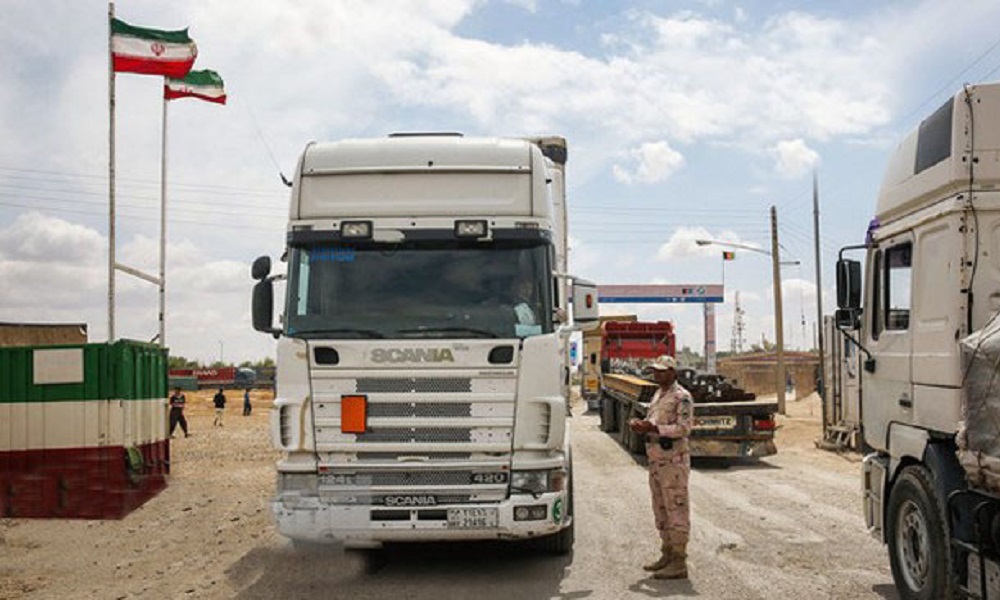
Iran is exploring ways to deepen economic engagement with Afghanistan, focusing on contract farming and trade, as discussions continue over potential formal recognition of the Islamic Emirate of Afghanistan (IEA) government, a senior Iranian business official said.
According to Iran News Daily, Mahmoud Siadat, head of the Iran–Afghanistan Joint Chamber of Commerce, said recognition of the Islamic Emirate of Afghanistan would boost investor confidence and facilitate long-term projects, including rail links connecting Iran to China via Afghanistan.
While no formal recognition has been confirmed, Siadat noted that bilateral relations have steadily improved.
Iran exports over $3 billion in goods and services annually to Afghanistan, including technical and engineering services, while Afghan exports to Iran remain limited at around $100 million.
Siadat highlighted agriculture as a key growth area, with plans for contract farming where Iranian firms would provide technology, expertise, and guaranteed purchase agreements for Afghan crops and livestock.
“Instead of importing legumes from Canada, we can source them from Afghanistan,” he said, noting that structured agricultural cooperation could benefit both countries.
Remittances from Afghans working in Iran, he added, further underline the strong economic ties between the neighbors.
Even without formal recognition, trade remains robust, but Siadat emphasized that a clear diplomatic framework could unlock more investment and strategic projects.




Business
Afghanistan inaugurates first phase of Kandahar cement factory
According to officials, the first phase of the factory has a daily production capacity of 1,500 metric tons of cement and is expected to generate thousands of direct and indirect jobs.
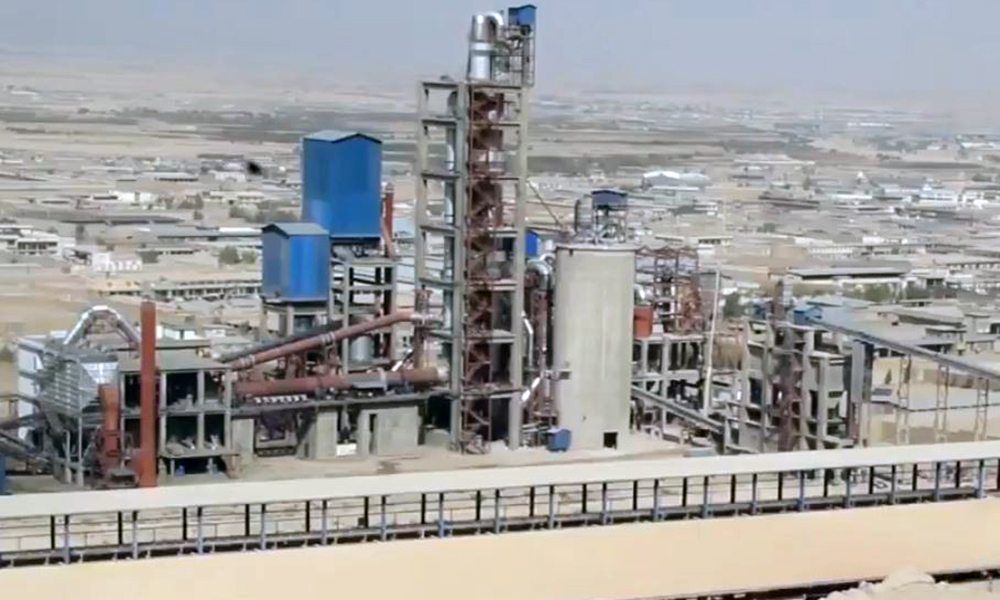
Afghanistan has inaugurated the first phase of the Shorandam Cement Factory in Kandahar province, marking a step toward expanding domestic cement production and reducing reliance on imports.
Mullah Abdul Ghani Baradar, Deputy Prime Minister for Economic Affairs, officially opened the facility on Thursday at a ceremony attended by senior officials of the Islamic Emirate.
Speaking at the ceremony, Baradar said sustainable economic development requires the effective use of domestic resources and a shift from a consumer-based economy to a production-driven one.
He stressed the need to boost local production, reduce imports, expand exports and strengthen the country’s industrial sector.
According to officials, the first phase of the factory has a daily production capacity of 1,500 metric tons of cement and is expected to generate thousands of direct and indirect jobs. Work on the second phase is also expected to begin in the future.
Hidayatullah Badri, Minister of Mines and Petroleum, said cement production had resumed in Afghanistan for the first time since the Islamic Emirate returned to power.
He added that six major cement production projects are currently underway across the country, involving a combined investment of $662 million.
According to Badri, the projects are expected to create employment opportunities for around 15,000 people and meet nearly 50 percent of Afghanistan’s domestic cement demand once completed.
Islamic Emirate spokesperson Zabihullah Mujahid also welcomed the factory’s inauguration, describing it as positive news for the country and emphasizing the importance of maintaining production quality and industrial standards.
Afghanistan currently relies heavily on imported cement to meet domestic demand. The expansion of local production is expected to reduce dependence on imports, support the construction industry and create employment opportunities.
Business
WFP report notes high food and fuel costs continue to pressure Afghan households
Pastoralist households also faced declining purchasing power. The sale of a one-year-old female sheep could buy 260 kilograms of low-priced wheat flour, 12% less than a year earlier.
Rising food, fuel and agricultural input costs continue to strain Afghan households despite a relatively strong afghani (AFN), according to the World Food Programme’s (WFP) latest weekly market report.
The afghani traded at an average of 64.9 against the US dollar in the first week of October, remaining 2% stronger than a year earlier and 7% above its three-year average. However, several staple foods and essential agricultural inputs remained significantly more expensive than a year ago.
WFP’s report found that prices for Palawi rice were 17% higher than last year, while the lower-priced Sholae variety had risen by 31%. Cooking oil and sugar prices were also up 12% and 10%, respectively, while wheat grain and low-priced wheat flour were both 10% more expensive.
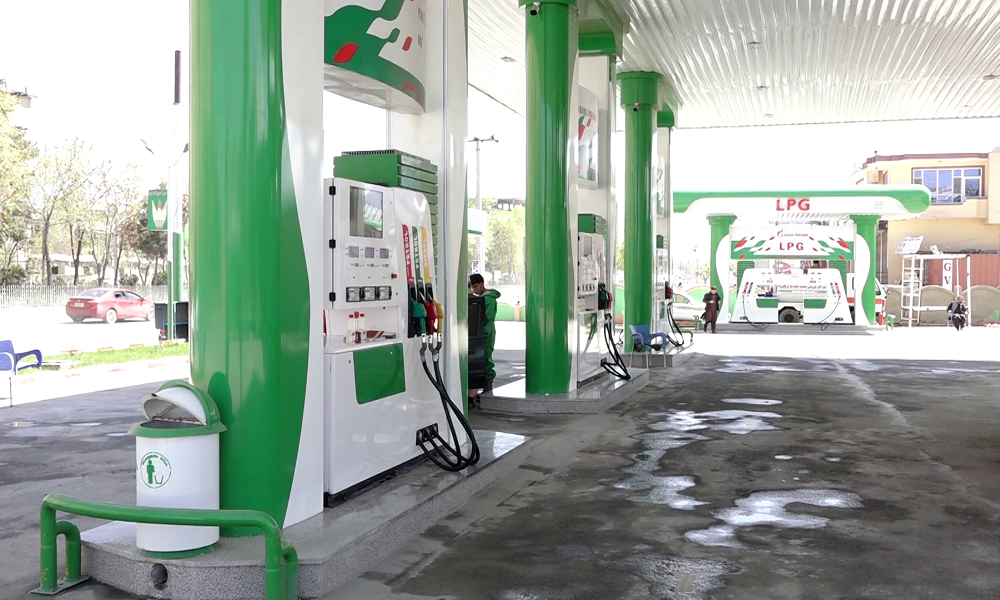
Fuel costs continued to add pressure, with diesel selling at an average of AFN 80.9 per litre, 3% higher than a year earlier and 14% above its three-year average. Fertiliser prices also remained elevated, with urea up 24% and diammonium phosphate (DAP) up 10% year-on-year.
The report highlighted growing pressure on household purchasing power as wages and employment opportunities weakened. Unskilled labour availability averaged just two days per week, 14% below the previous year and 21% below the three-year average. Daily wages for unskilled workers were also 5% lower than a year earlier.
As a result, an unskilled labourer’s daily wage could purchase an average of 9.9 kilograms of low-priced wheat flour, down 13% from a year earlier. The real purchasing power of unskilled labour households fell by 25% year-on-year and stood 30% below the three-year average.
Pastoralist households also faced declining purchasing power. The sale of a one-year-old female sheep could buy 260 kilograms of low-priced wheat flour, 12% less than a year earlier.
Some commodities recorded price declines during the week. Potato prices fell by 4.1%, onions by 3.1% and Palawi rice by 1.9%. However, potatoes remained 25% more expensive than a year earlier, while Palawi rice was 19% above its three-year average.
WFP said the in-kind food basket cost AFN 6,033 in the first week of October, 4% higher than a year earlier. The report also noted significant differences in prices between provinces, reflecting variations in transport costs, market supplies and seasonal availability.
The findings underscore continued pressure on Afghan households, as high essential commodity prices, weak labour availability and declining purchasing power limit access to food despite support from the stronger national currency.
Business
Iran moves to ease export barriers to Afghanistan, Pakistan and Iraq
If implemented, the proposals could help address some of the obstacles facing Iranian exporters trading with neighboring markets, including Afghanistan.
Iran is reviewing measures to remove barriers to exports to neighboring countries, including Afghanistan, Pakistan and Iraq, as part of efforts to support exporters facing transportation and logistics challenges, a senior Iranian Foreign Ministry official said.
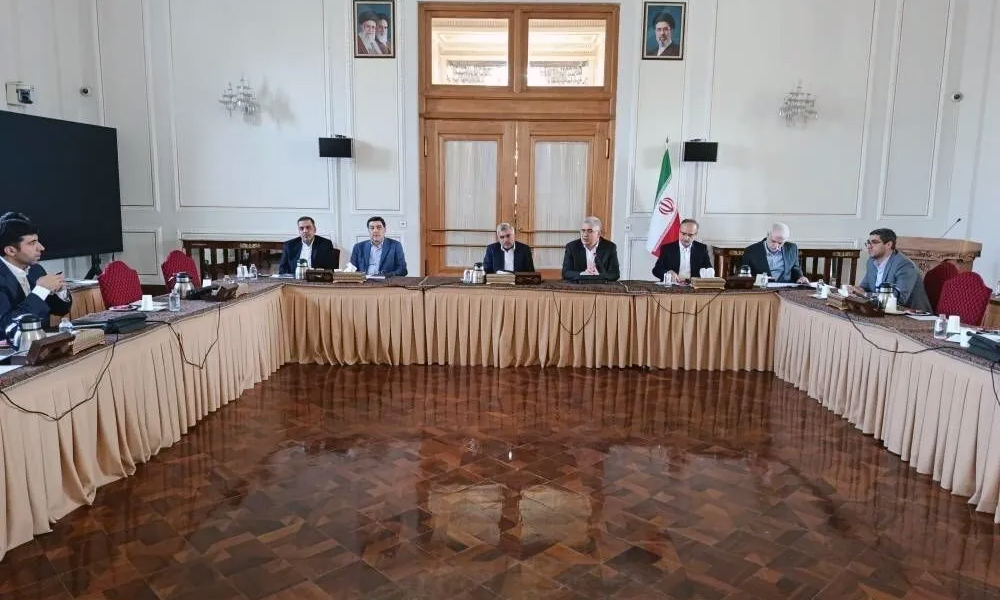
Hamid Ghanbari, Iran’s deputy foreign minister for economic diplomacy, announced the proposals following the 12th meeting of the Economic Relations Coordination Headquarters, which focused on trade diplomacy and non-oil exports.
The meeting, held at the Iranian Foreign Ministry on Saturday, brought together economic deputies from government agencies to discuss exporters’ challenges and coordinate practical solutions.
Ghanbari said disruptions to transportation and logistics had prevented some exporters from fulfilling their obligations. In other cases, exporters who had received foreign currency to import raw materials were unable to complete their purchases because of difficulties along transportation routes.
To address these challenges, Iranian authorities have proposed revising existing procedures and regulations governing exporters’ obligations. Ghanbari said the proposed measures had received approval from relevant government agencies.
Iran Seeks to Facilitate Regional Trade
The Iranian official also highlighted proposals to resolve problems affecting exports to neighboring countries, particularly Afghanistan, Pakistan and Iraq.
He said the proposals could be pursued through negotiations with foreign counterparts, with Iran’s embassies and consulates expected to follow up on the relevant issues.
The initiative comes as Iran seeks to maintain its export flows and strengthen regional trade links despite ongoing economic and logistical challenges.
Ghanbari expressed hope that the measures would help preserve existing export markets, improve the targeting of shipments and support further growth in Iran’s non-oil exports.
However, the specific measures for Afghanistan, Pakistan and Iraq, as well as the timeline for their implementation, have not yet been announced.
If implemented, the proposals could help address some of the obstacles facing Iranian exporters trading with neighboring markets, including Afghanistan.


Fazlur Rehman calls for international probe into treatment of Afghan refugees in Pakistan

Afghanistan announces Hajj 2026 registration schedule

Japan welcomes decline in Afghanistan’s poppy cultivation, calls for sustained anti-drug efforts
Afghanistan inaugurates first phase of Kandahar cement factory

Rashid Khan makes history as first-ever bowler to claim 200 T20I wickets

Cricket Bonanza: Afghanistan set for packed international schedule

ACB announces Afghanistan squads for Bangladesh, Zimbabwe series

Afghanistan to face Pakistan, India and Australia at 2027 Cricket World Cup

Four members of one family killed in Helmand in Pakistan airstrike

Afghanistan finish runners-up after 6-0 defeat to Brazil in futsal final
Saar: Regional coalition against Israel-US discussed

Tahawol: Interest in joining pro-Russian forces discussed
Saar: Refugee returns to Afghanistan ahead of winter discussed

Tahawol: Emphasis on security cooperation at Tehran talks discussed

Saar: Pakistan threatening strikes on Afghanistan
-
 Sport3 days ago
Afghanistan advance to Tier C at FIFA U-15 World Cup and Festival
-
 Regional4 days ago
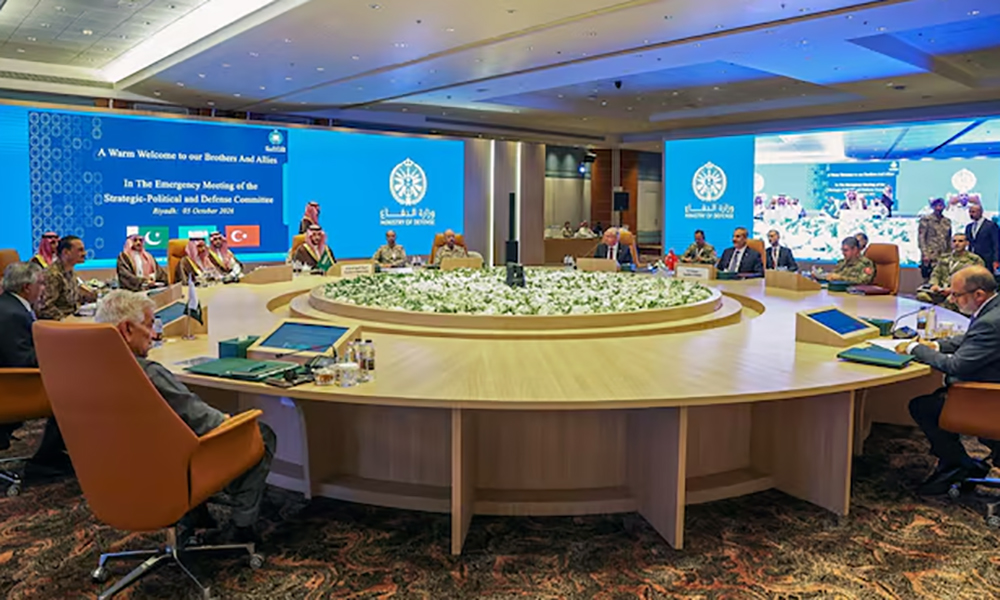
Officials from Mecca pact countries to meet Iranian officials in Tehran
-
 International Sports5 days ago
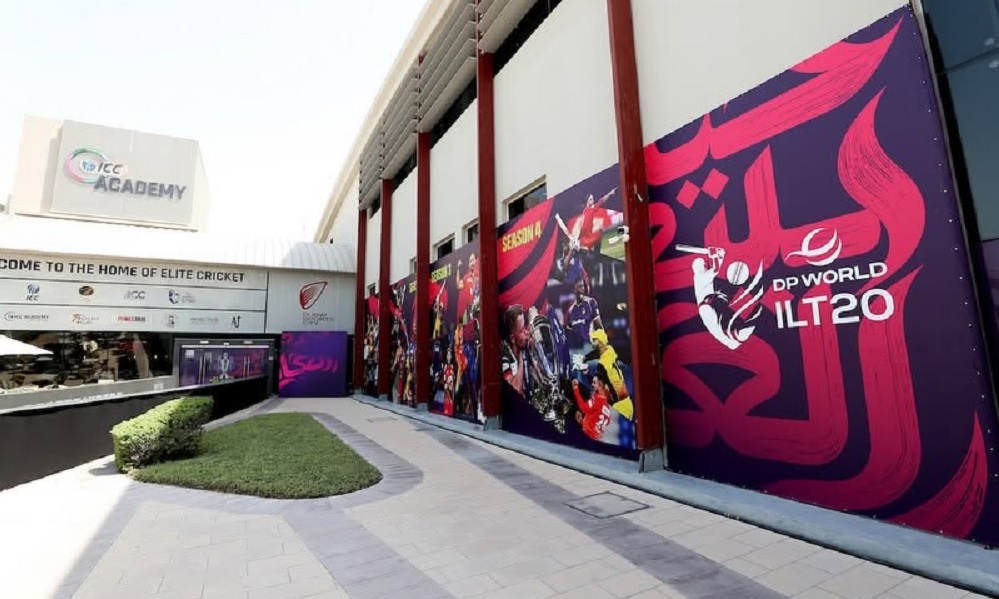
ATN secures exclusive rights to broadcast ILT20 Season 5 in Afghanistan
-
 World5 days ago
Four ways US foreign policy could change if Democrats win in November
-
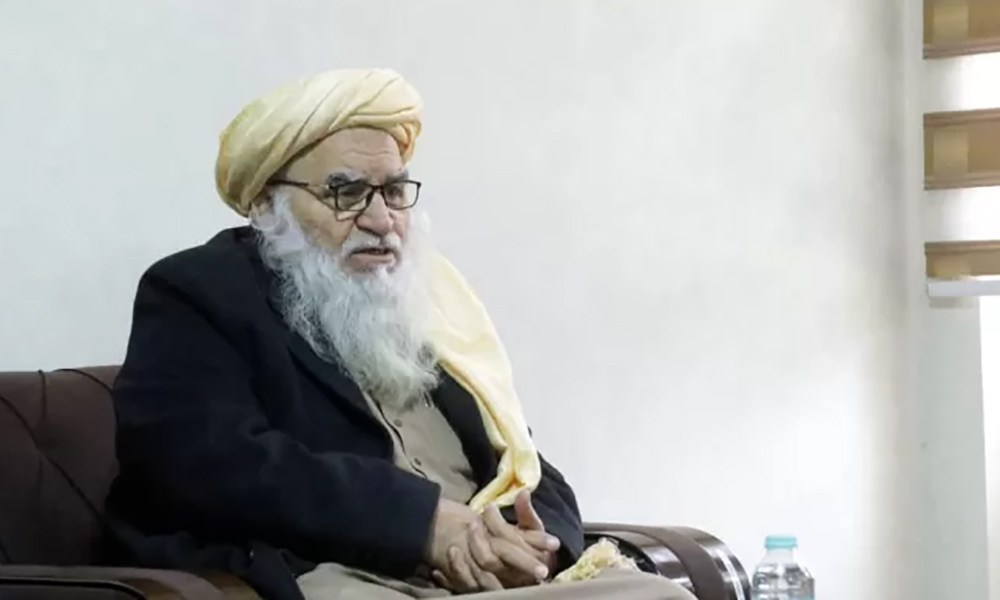 Climate Change4 days ago
Afghanistan’s environmental protection chief travels to Malaysia for global education conference
-
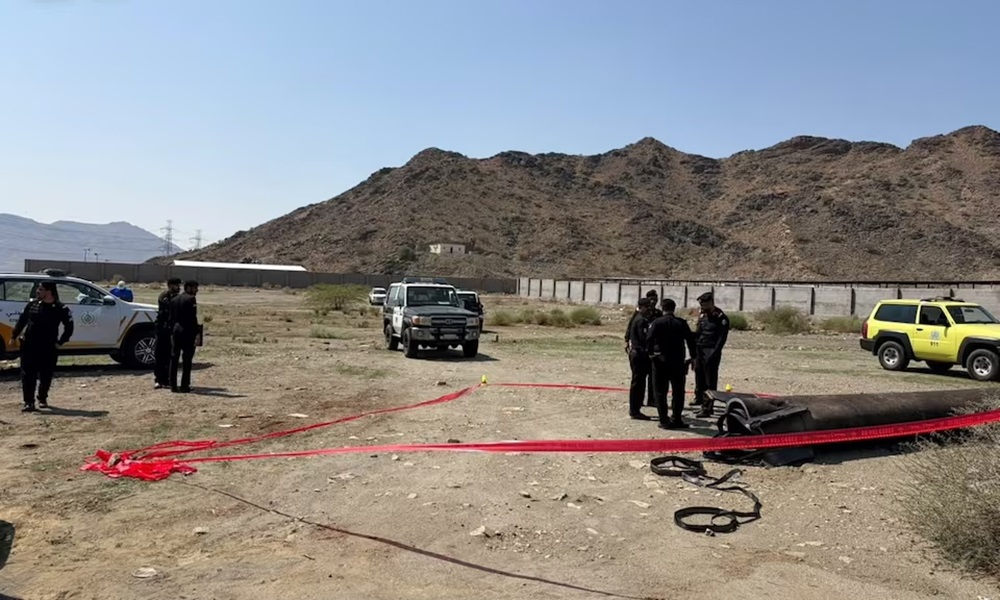 World4 days ago
Houthis say they attacked Saudi oil pumping stations, Riyadh airport as fighting intensifies
-
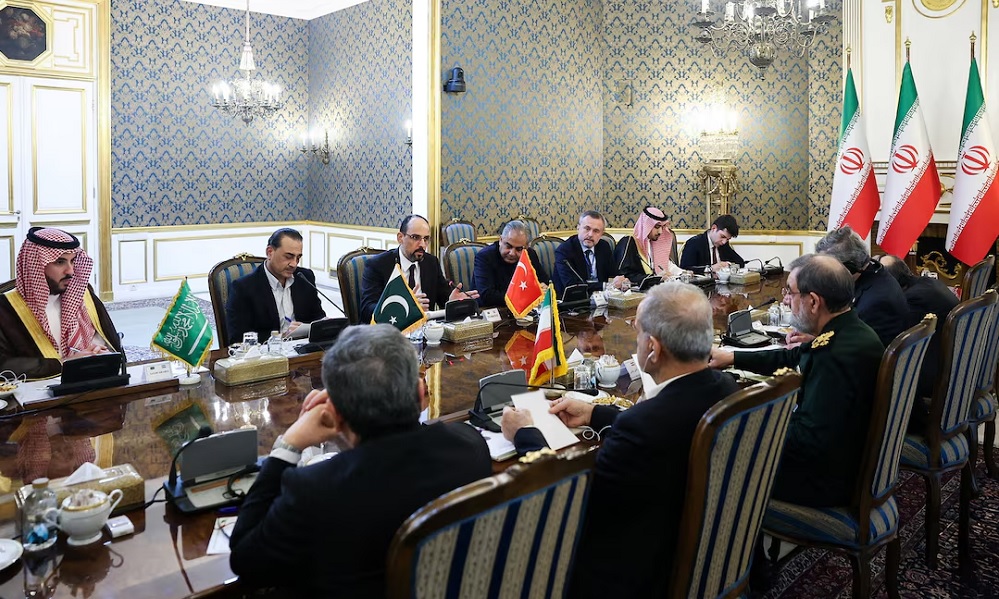 Regional3 days ago
Saudi defence pact countries push for peace in Tehran as Houthis launch more attacks
-
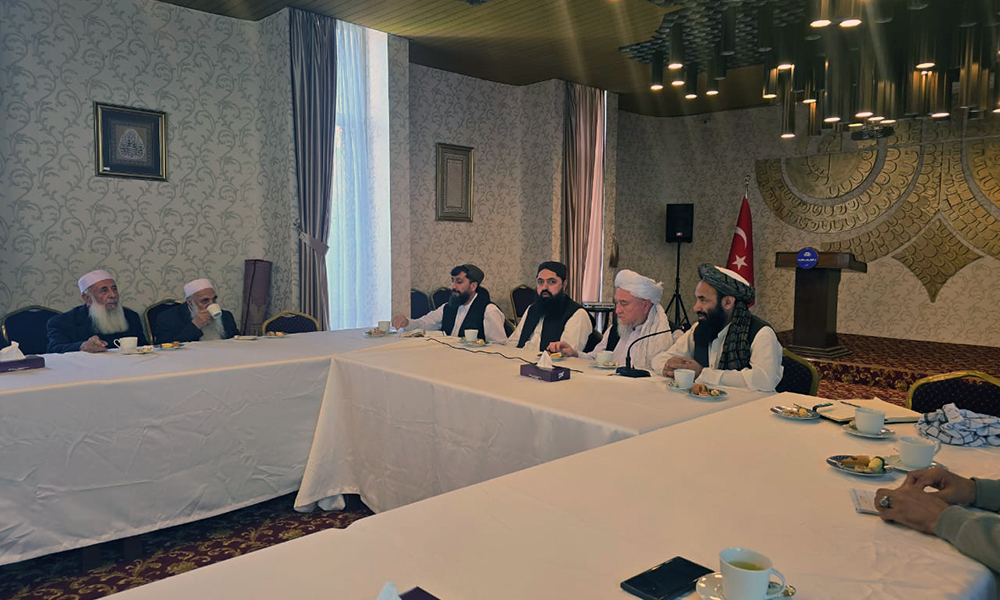 Latest News5 days ago
Afghan migrants in Türkiye seek solutions to residency and consular challenges