
Latest News
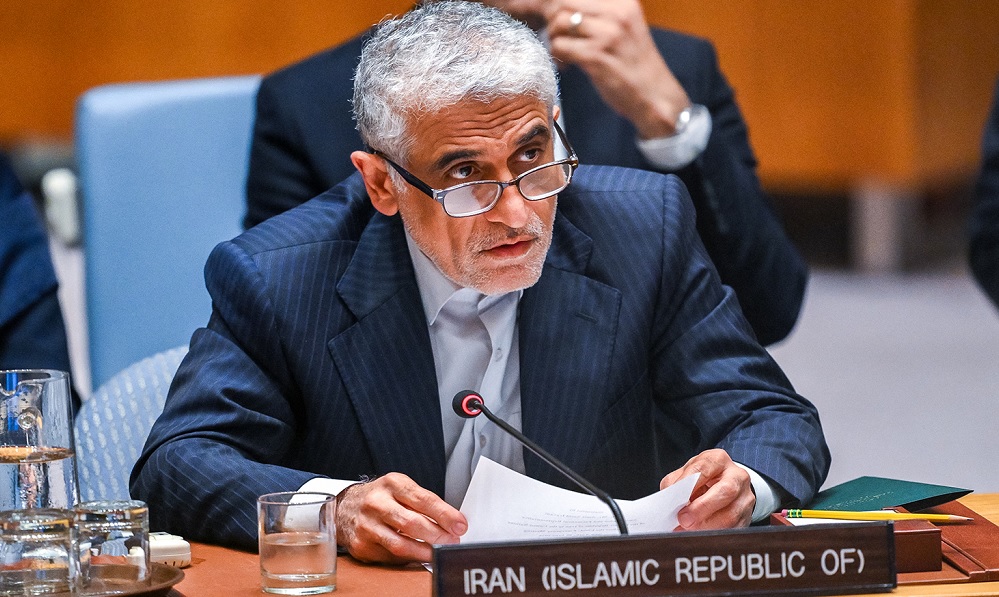
Iran says an inclusive government in Afghanistan is essential to prevent renewed conflict




Latest News
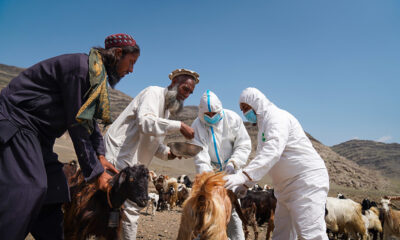
FAO, ADB launch $100 million food security program in Afghanistan
Over 151,000 rural households will benefit through support for crop production, livestock protection, and livelihood recovery.
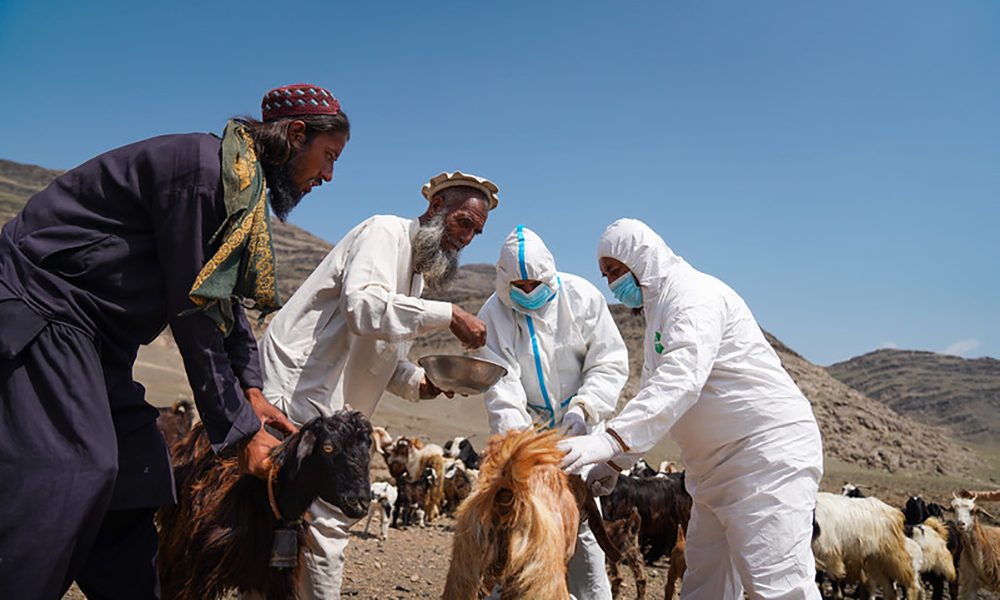
The Food and Agriculture Organization of the United Nations (FAO), in partnership with the Asian Development Bank (ADB), has launched a $100 million initiative to strengthen food and nutrition security and restore agricultural livelihoods across Afghanistan.
FAO said the two-year program will support more than one million vulnerable people, including returnees from Pakistan and Iran, host communities, and families affected by recent earthquakes and floods.
Over 151,000 rural households will benefit through support for crop production, livestock protection, and livelihood recovery.
Agriculture remains central to Afghanistan’s rural economy but faces persistent challenges such as low productivity, damaged irrigation systems, limited access to quality inputs, and climate shocks.
FAO estimates that in 2026, 17.4 million people will face acute food insecurity, with 4.7 million in emergency conditions, as drought and anticipated La Niña impacts worsen conditions.
The initiative will focus on climate-smart, people-centered approaches, with special attention to women-headed households and the most vulnerable provinces.
The program builds on the long-standing FAO-ADB partnership. Since 2022, ADB has provided about $265 million in grants through FAO, reaching 5.6 million people across the country.
FAO said the initiative aims to link immediate food assistance with longer-term resilience to help Afghan families withstand future crises.
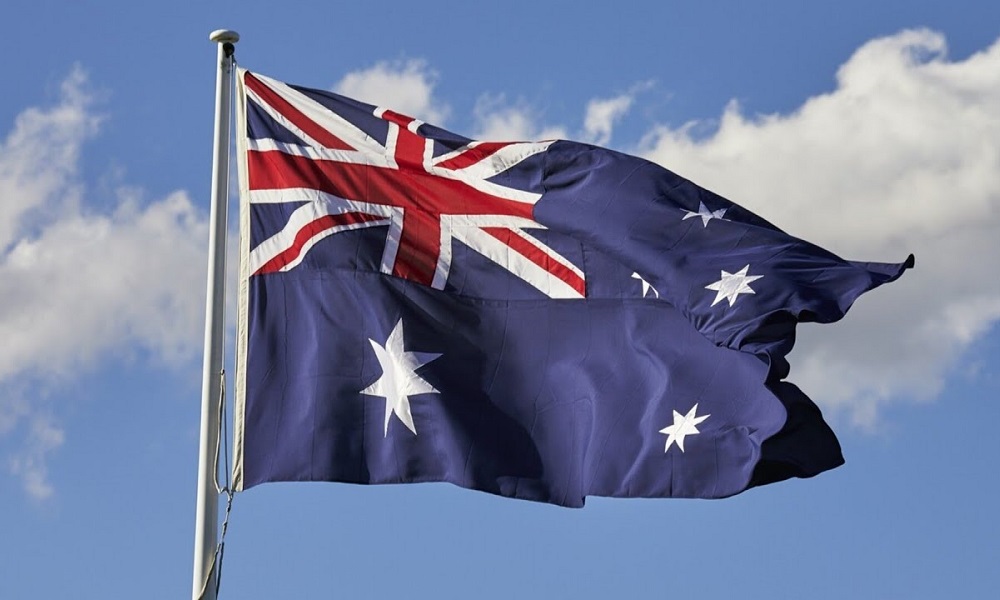
Australia has pledged an additional $50 million in humanitarian assistance for Afghanistan as the country continues to face a severe humanitarian crisis.
In a joint statement on Wednesday, Foreign Minister Penny Wong and International Development Minister Anne Aly said the funding will focus on addressing urgent needs, particularly among women and girls.
The new allocation brings Australia’s total humanitarian support to Afghanistan since 2021 to $310 million. Nearly 22 million people in the country are in urgent need of aid due to economic collapse, food insecurity and ongoing restrictions.
Wong said Australia’s support aims to save lives and meet basic needs, while Aly noted the assistance will be delivered through trusted international partners.
The funding will be channelled through agencies including the World Food Programme and the UN Office for the Coordination of Humanitarian Affairs. Afghanistan remains heavily reliant on international aid as millions continue to face hunger and limited access to healthcare.
Latest News
Russian and Afghan defense officials meet in Moscow, pledge closer cooperation
The meeting focused on the current situation and prospects for expanding cooperation in areas of mutual interest between the two sides.
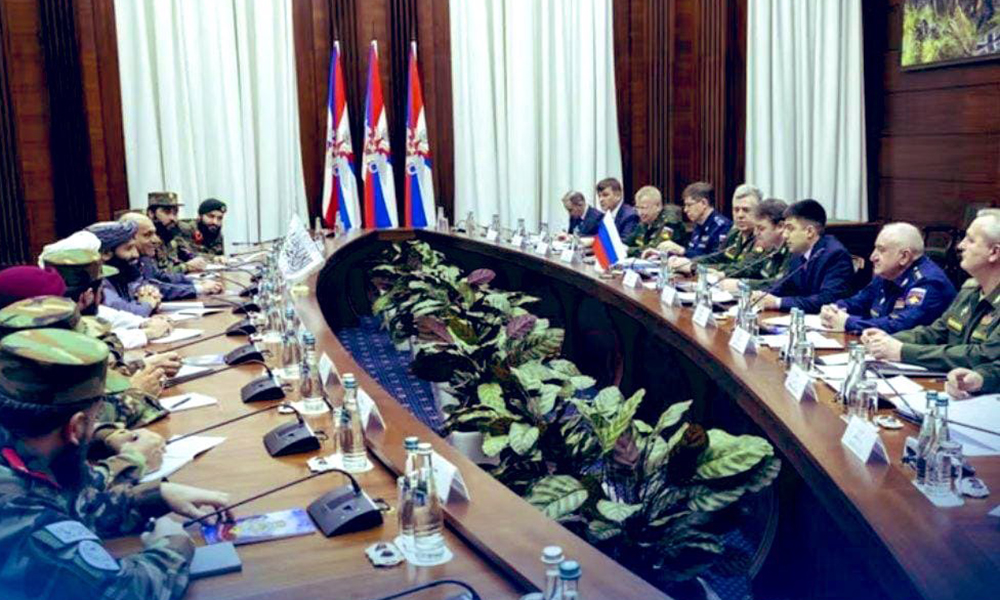
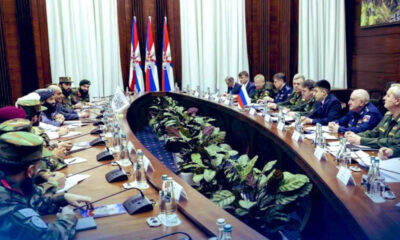
Russian media, citing the country’s Ministry of Defense, report that Vasily Osmakov, Russia’s Deputy Defense Minister, held talks on Wednesday in Moscow with Mohammad Farid, the Deputy Defense Minister of the Islamic Emirate of Afghanistan for Strategy and Policy.
According to the reports, the meeting focused on the current situation and prospects for expanding cooperation in areas of mutual interest between the two sides.
Russian sources said that at the conclusion of the talks, both parties agreed to take further joint steps aimed at establishing more regular and systematic cooperation.
So far, the Islamic Emirate of Afghanistan has not issued an official statement regarding the meeting or its outcomes.


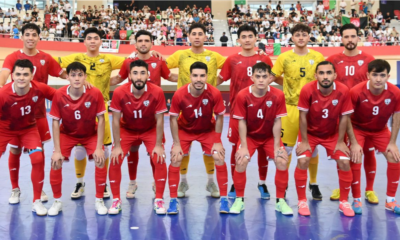
Afghanistan eye second straight win ahead of Malaysia clash at AFC Futsal Asian Cup

FAO, ADB launch $100 million food security program in Afghanistan

Australia announces $50 million in new humanitarian aid for Afghanistan

Turkish firm eyes investment in Afghanistan’s power infrastructure

Afghanistan shine on Day Two of AFC Futsal Asian Cup Indonesia 2026

Turkey withdraws from Afghanistan-Pakistan mediation amid rising tensions

ICG report says Pakistan most impacted by IEA’s return in Afghanistan

Pakistan approves re-export of stranded Afghan transit trade cargo

Afghanistan–China joint market opens in Kabul

Afghanistan set to face West Indies in crucial T20I series

Tahawol: Tashkent’s interest in military cooperation with Kabul discussed

Saar: Kabul, Ashgabat call for regional cooperation discussed

Tahawol: Russia’s reaction to recent US moves discussed

Saar: Discussion on fate of Russia-Ukraine war

Tahawol: US carrier Abraham Lincoln reaches Middle East near Iran
-

 Sport3 days ago
Thrilling battles await as AFC Futsal Asian Cup Indonesia 2026 set to kickoff in hours
-
 Sport4 days ago
Afghanistan futsal team arrives in Indonesia ahead of Asian Cup
-

 Regional4 days ago
Airlines reroute, cancel flights as tensions ramp up over Iran
-

 Sport4 days ago
Japan defends AFC U-23 Asian Cup title with dominant win over China
-

 Sport1 day ago
AFC Futsal Asian Cup 2026: Day One Review
-
 Business4 days ago
Pakistan reports 56% drop in exports to Afghanistan in second half of 2025
-

 Sport2 days ago
Afghanistan’s Mahdi Norouzi ruled out of AFC Futsal Asian Cup due to injury
-
 Latest News5 days ago
Afghan FM, UN Political Chief discuss engagement, Doha process in Kabul