
Business
Liquidity crisis at core of Afghanistan’s economic challenges: SIGAR

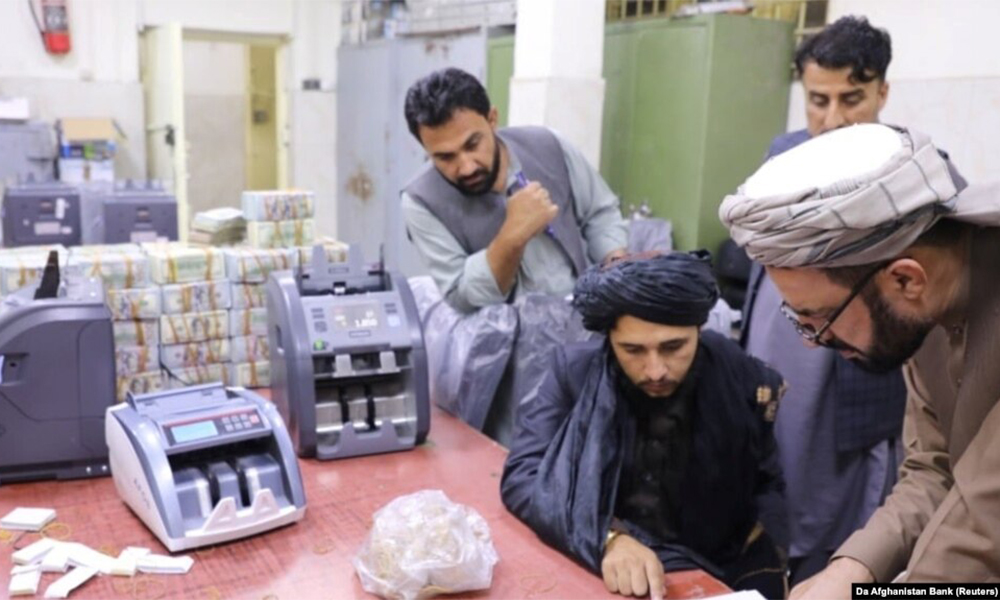
Afghanistan continued to face a severe liquidity crisis this quarter with access to physical bank notes constrained and banks facing major liquidity challenges due to declining economic activity, lack of trust in the banking center among Afghans, and an inability to transact internationally.
The US Special Inspector General for Afghanistan (SIGAR) said in its latest quarterly report that Da Afghanistan Bank (DAB), Afghanistan’s central bank, will require significant technical support from the international community to tackle these challenges.
The report stated that prior to the Islamic Emirate of Afghanistan’s (IEA) takeover in August last year, Afghanistan’s financial system had been underdeveloped relative to the context of its growth in recent decades, with a low assets-to-GDP ratio and a heavily dollarized banking system.
Approximately 60% of deposits in the country were made in foreign currency. The report stated that in this monetary environment, maintaining financial stability requires both domestic currency (AFN) liquidity and, more importantly, foreign exchange (FX) liquidity.
However, DAB is limited in its ability to control the AFN monetary supply and value due to several factors including the lack of domestic technical capabilities to print currency, which Afghanistan outsources to foreign companies.
“For years, DAB would prop up the value of the afghani (AFN) by regularly auctioning US dollars pulled from its foreign reserves. Prior to August 2021, Afghanistan’s central bank reportedly received quarterly shipments of $249 million in US banknotes from its foreign reserves. This stopped after the Taliban (IEA) takeover prompted the United States to place a hold on US-based Afghan central bank reserves.
“The loss of these US dollar transfers and other sources of foreign currency plunged Afghanistan’s financial system into free fall,” SIGAR stated.
With Afghanistan’s international reserves, including banking sector foreign exchange deposits at the DAB, frozen; the SWIFT system and international settlements suspended; grant transfers suspended; and AFN liquidity printing interrupted, a dramatic adverse shock in the financial and payment systems ensued.
The resulting liquidity crisis has caused salary disruptions for hundreds of thousands of government employees, teachers, and health-care workers, and has imposed limitations on the operations of international aid groups in the country.
“The banking system is totally paralyzed. The central bank is not operating,” according to Robert Mardini, director general for the International Committee of the Red Cross as cited by SIGAR.
Mardini said that his organization is instead paying 10,000 doctors and nurses via the informal hawala money-transfer system.
This has also contributed to a worsening domestic credit market. In the absence of international support, banks have ceased extending new credit to small- and medium-sized enterprises.
In recent months, the increased supply of US dollars from humanitarian channels, averaging around $150 million per month, has helped stabilize the value of the afghani.
However, these humanitarian channels are viewed as stopgap measures that are an insufficient substitute for the normal functioning of a central bank, SIGAR stated.
In her March 2 statement to the UN Security Council, UNAMA head Deborah Lyons cited the “lack of access to hard currency reserves, lack of liquidity, and constraints on the central bank to carry out some of its core functions” as key challenges to reviving the Afghan economy.
Total international DAB reserves were $9.76 billion at the end of 2020, according to the most recent data available to the IMF. Of this amount, $2 billion was deposited in financial institutions in the United Kingdom, Germany, Switzerland, and the United Arab Emirates.
Some $7 billion in DAB reserve funds deposited at the Federal Reserve Bank of New York are now frozen by the US government.
Economists at New York University and the University of Chicago suggested that if central-bank reserves were placed directly with households or with other financial intermediaries, it could enhance the desired increase in liquidity.
Liquidity is a concern for households as well as for the banking system and businesses. Raising household liquidity in Afghanistan is challenged by rising unemployment, the fact that only 10–20% of Afghans have bank accounts, the uncertain status of DAB’s electronic payment system and the declining volume of market transactions as reflected in the country’s declining GDP.
SIGAR stated however that the Biden Administration is currently exploring possible avenues for disbursing $3.5 billion of the frozen assets for humanitarian relief efforts, possibly through a separate trust fund or by providing support through the United Nations or another enabling organization.
US Special Representative for Afghanistan Thomas West has stated that the $3.5 billion could alternatively contribute toward “the potential recapitalization of a future central bank [in Afghanistan] and the recapitalization of a financial system.”
The move to freeze assets meanwhile sparked outrage throughout Afghan society, including among leaders unaffiliated with the IEA.
Shah Mehrabi, a long-time member of the Afghan central bank’s board of governors, called the decision “unconscionable” and “short-sighted.”
Mehrabi argued that the central bank should be treated as independent of the IEA regime, and that depriving the bank of its reserves could lead to “total collapse of the banking system” and further hurt millions of Afghans suffering in the economic and humanitarian crises.
The order to freeze assets has also drawn criticism from US and international policy analysts, human rights groups, lawyers, and financial experts, SIGAR reported.
Analysts have expressed concern over both the seizure of the reserves and the reported proposals to provide those funds in the form of humanitarian assistance.
Paul Fishstein of NYU’s Center on International Cooperation argues that the executive order gave inadequate attention to the macroeconomic collapse of the country.
Fishstein said the release of the central bank’s reserves could instead be used to restore unnecessary exchange rate stability and ease the liquidity crisis.
William Byrd of the US Institute of Peace (USIP) said that even if only half of DAB’s total reserves are devoted to support its basic activities as a central bank, it would “provide an opportunity to make a start toward stabilizing the economy and private sector.”


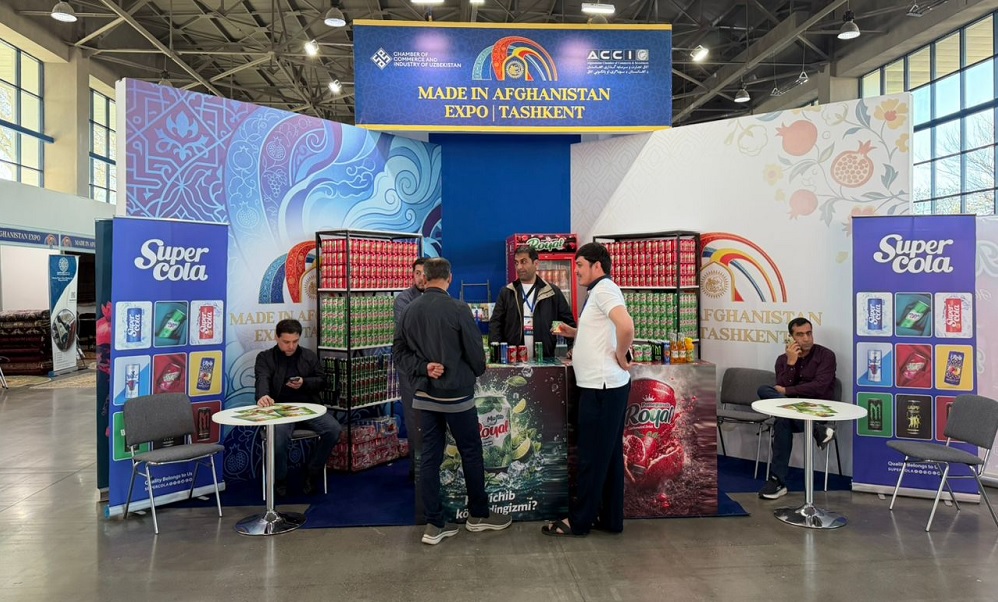
The Afghanistan Chamber of Commerce and Investment has announced that a major exhibition of Afghan products titled “Made in Afghanistan” is opening today (Wednesday) in Uzbekistan’s capital Tashkent.
According to the chamber, the expo—supported financially by the United Nations Development Programme—will run until Friday and aims to showcase Afghanistan’s production and export potential.
More than 60 booths have been set up by Afghan traders, featuring a wide range of products including carpets, dried and fresh fruits, saffron, pine nuts, cotton, precious and semi-precious stones, as well as beverages.
Officials from the chamber expressed hope that the expo will help expand trade relations between Afghanistan and countries in the region, particularly Uzbekistan.
Business
Afghani strengthens nearly 10% against US dollar amid banking sector reforms
The bank said it has expanded oversight of financial institutions and private lenders, improving transparency and promoting more consistent standards across the sector.
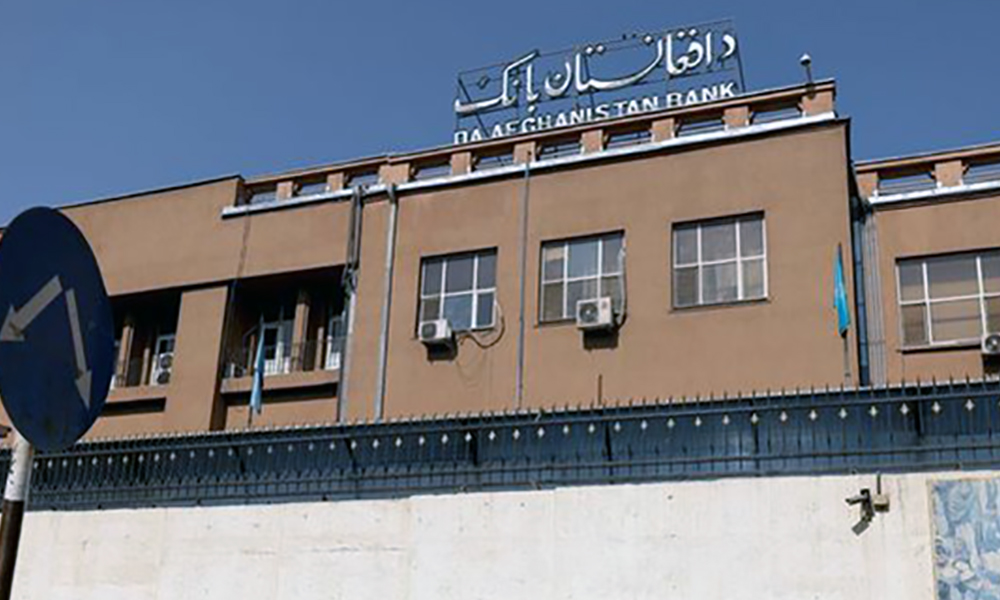
Afghanistan’s central bank, Da Afghanistan Bank, says the national currency has appreciated by 9.93% against the US dollar during the year 1404, citing steady progress in the country’s financial and banking systems.
Officials attributed the gains to cautious monetary policies that have helped stabilise the Afghani against major global currencies while also boosting its value against the dollar.
The bank said it has expanded oversight of financial institutions and private lenders, improving transparency and promoting more consistent standards across the sector.
As part of efforts to better manage liquidity, authorities also collected and destroyed worn-out banknotes in circulation. At the same time, officials reported growth in electronic banking, with digital payment usage rising in recent months.
Central bank spokesperson Haseebullah Noori said initiatives are underway to broaden access to banking services nationwide, including the wider rollout of Islamic banking options.
Analysts welcomed the stabilisation efforts but stressed the need to address ongoing challenges facing domestic banks, including the impact of international financial sanctions on Afghanistan.
They added that expanding Islamic banking could help draw more savings into the formal financial system, noting that a significant share of personal wealth remains outside banks. Bringing those funds into the sector, they said, could inject billions of Afghanis into the economy and further support financial stability.
Business
Uzbekistan delivers over 290 tons of aid to Afghanistan
The assistance, provided ahead of Eid al-Fitr, is intended to support vulnerable communities while reinforcing ties between the neighboring countries.
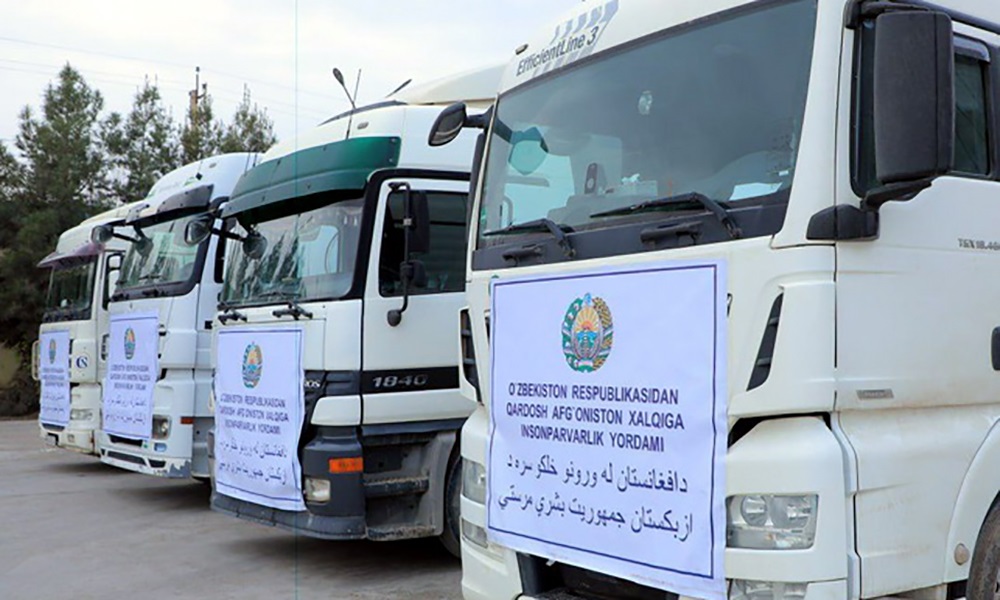
Uzbekistan has delivered more than 290 tons of humanitarian aid to Afghanistan, according to the country’s Ministry of Foreign Affairs.
The assistance, provided ahead of Eid al-Fitr, is intended to support vulnerable communities while reinforcing ties between the neighboring countries.
The shipment includes essential food supplies such as flour, rice, wheat, vegetable oil, instant meals, pasta, and confectionery. An official handover ceremony was held in the border town of Hairatan.
Local officials, including Balkh province representatives and authorities from Hairatan, expressed appreciation for the continued support, acknowledging Uzbekistan’s efforts to assist the Afghan people.
Among those present at the ceremony were Uzbekistan’s Ambassador to Afghanistan, Oybek Usmanov, and Surkhandarya regional governor Ulugbek Kosimov.
The aid delivery underscores Uzbekistan’s ongoing humanitarian engagement and its broader efforts to promote regional cooperation and stability.


Tawsia: Efforts to boost Afghanistan’s domestic production and economic diplomacy

Trump extends deadline for striking Iranian energy plants to April 7

IEA says Iranian drivers no longer need visas to enter Afghanistan

Afghans in Iran face growing uncertainty as war enters second month

Russia deems US military presence in Afghanistan unacceptable

Pakistani military jet downed in Afghanistan’s Jalalabad, pilot captured alive

Afghan Air Force conducts airstrikes in Islamabad, other cities

Prominent Muslim scholar issues fatwa calling for Afghanistan-Pakistan ceasefire

Afghan air force strikes key Pakistani military installations in retaliatory operation

IEA: Special circle in Pakistan has launched mission to destabilize region
Tawsia: Efforts to boost Afghanistan’s domestic production and economic diplomacy

Tahawol: Discussion on day 27 of Iran–US war

Saar: Islamic Emirate confident of Durand Line control

Tahawol: Efforts to release Mohammad Rahim from Guantanamo Bay Detention Camp

Saar: End of ceasefire between Afghanistan-Pakistan reviewed
-

 Latest News4 days ago
Pakistan seeks Russian mediation to resolve Afghanistan tensions
-
 Latest News4 days ago
World must re-engage to prevent all-out Afghanistan-Pakistan war: Financial Times
-
 Latest News3 days ago
Around 2.3 million tourists visited Afghanistan’s recreational areas during Eid: Ghufran
-

 Sport3 days ago
Afghanistan squad hit by withdrawals ahead of AFC Asian Cup Qualifiers
-
 Latest News3 days ago
Islamic Emirate releases American prisoner Dennis Coyle
-
 Latest News1 day ago
Tajikistan shifts stance on Afghanistan amid rising border tensions
-
 Latest News4 days ago
Airstrike on Kabul drug rehabilitation centre sparks legal concerns
-
 Regional3 days ago
US allies in Middle East ‘edging closer’ to joining conflict