
Latest News
One in five Afghans at risk from Landmines, HALO Trust warns
The crisis has worsened following the return of hundreds of thousands of Afghan refugees expelled from neighboring Pakistan and Iran.


A fifth of Afghanistan’s population is at risk of death or serious injury from landmines and unexploded ordnance, according to a new warning from HALO Trust, the world’s largest demining organization.
In a recent analysis, the charity revealed that around 6.4 million people—roughly 20% of Afghans—live in areas contaminated by remnants of decades of conflict.
Afghanistan is now the second most heavily mined country in the world, behind only Ukraine, and is in danger of becoming “a forgotten humanitarian problem.”
The HALO Trust reports that civilians continue to be killed or maimed by explosive devices on a monthly basis, with children accounting for more than 80% of the casualties. Many young victims are injured while scavenging for scrap metal to help support their families.
The crisis has worsened following the return of hundreds of thousands of Afghan refugees expelled from neighboring Pakistan and Iran.
Many of these returnees, displaced after the Islamic Emirate’s return to power in 2021, are resettling in hazardous areas with limited resources or support.
Since beginning operations in Afghanistan in 1998, HALO Trust has cleared more than 800,000 landmines and 11 million items of unexploded ordnance.
However, recent cuts to international aid—particularly from the U.S. Agency for International Development (USAID), once a major funder—have forced the charity to reduce its Afghan staff from 2,200 to 1,000.
“Afghanistan is now a forgotten humanitarian problem,” said Dr. Farid Homayoun, the HALO Trust’s Afghanistan Programme Manager.
“The Afghan people have endured more than four decades of war, displacement, and poverty. The international community must not abandon them before the job is done.”
The warning comes amid growing concern over the future of global demining efforts. Earlier this year, HALO Trust raised alarms after several European countries signaled intentions to withdraw from the Ottawa Treaty, the landmark 1997 agreement that bans anti-personnel mines.

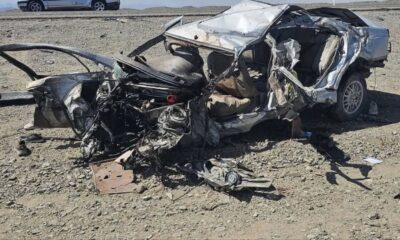




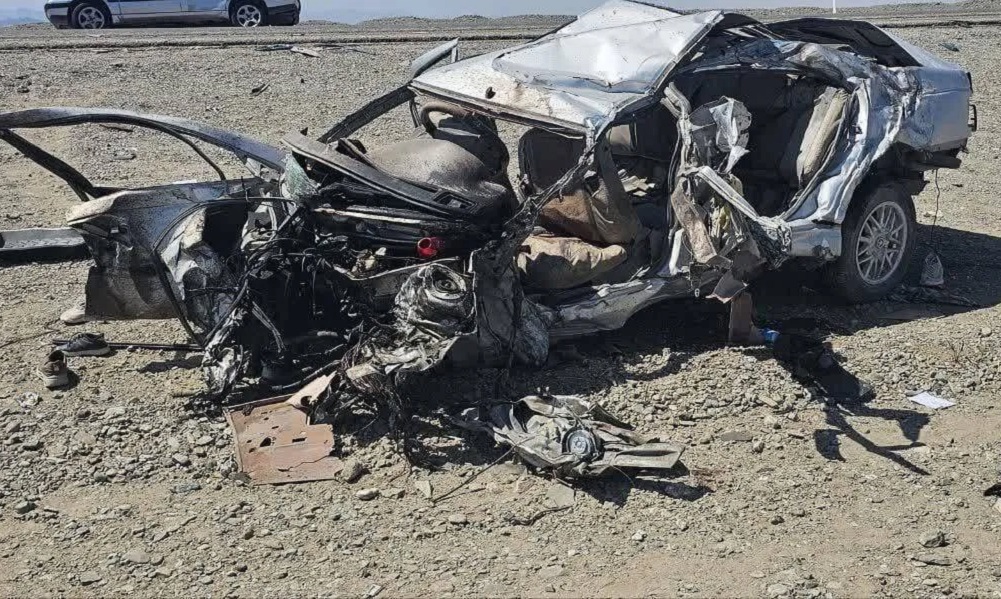
Seven Afghan migrants have been killed after a vehicle carrying Afghan migrants collided with a fuel-carrying vehicle in Iran’s Sistan and Baluchestan province.
According to the human rights organization HalVash, the accident occurred on Friday in the Sarbaz area of Sistan and Baluchestan.
Siyavash Mohbi, the head of Iran’s traffic police in Sistan and Baluchestan, said the Afghan nationals had entered Iran illegally.
He added that nine other people were injured in the incident.
Mohbi attributed the accident to the negligence of the driver of the vehicle carrying the migrants.
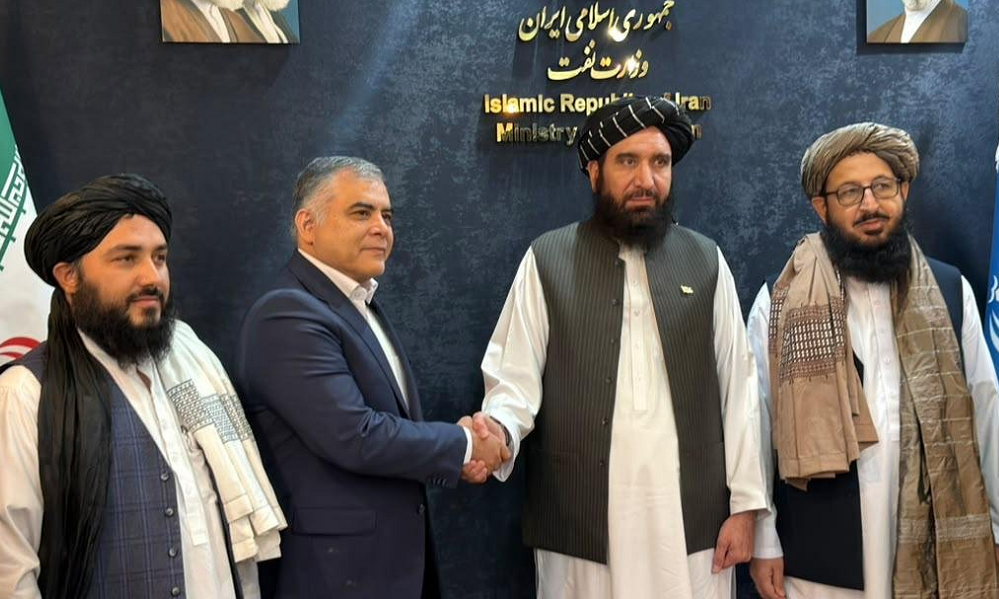
Ahmad Jan Bilal, General Director of State-Owned Corporations, met with Iran’s Oil Minister Mohsen Paknejad during a visit to Iran to discuss expanding cooperation in the oil and gas sector.
Bilal, accompanied by Mohammad Nasir Rahimi, chief executive of the Afghan state-owned Oil and Gas Corporation, held talks with the Iranian minister on supplying Afghanistan with its oil and gas needs, technical and vocational training, and joint cooperation in oil and gas exploration.
Bilal and his delegation also visited the Iranian Oil Ministry’s research center and oil refineries in Tehran, where they reviewed the facilities’ technical and professional activities and capabilities.
The Iranian side expressed readiness for comprehensive cooperation, necessary coordination and implementation of joint projects in the areas discussed.
At the end of the meeting, both sides introduced joint technical teams tasked with coordinating and following up on the necessary measures to implement the agreed areas of cooperation.


Seven Afghan migrants killed in traffic accident in Iran’s Sistan and Baluchestan

OIC to hold Afghanistan Contact Group meeting on sidelines of UN General Assembly

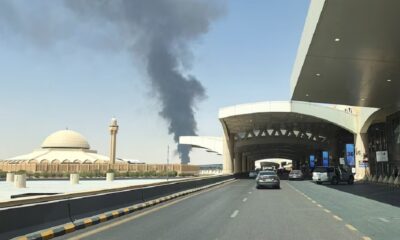
Flames, smoke seen near Riyadh airport; Houthis claim attacks on Saudi capital

Tahawol: Kabul’s warning over any threat from Pakistan discussed

Abu Muslim Farah and Ariana Khost play out goalless draw in ACL

Four mediators struggle to secure lasting Pakistan-Afghanistan ceasefire

Syria and Saudi Arabia condemn Kabul bombing, express solidarity with Afghanistan

Afghanistan’s trade diversification challenges Pakistan

Saudi energy group signs major Afghanistan deals covering gas exploration and pipeline plans

ATN secures exclusive rights to broadcast T20I series in India across Afghanistan
Tahawol: Kabul’s warning over any threat from Pakistan discussed

Debate on Afghanistan and New Investment Opportunities

Tahawol: Reasons behind Qatari, Turkish security officials’ Kabul visit discussed

Saar: Outcome of UN Security Council meeting on Afghanistan discussed

Tahawol: Afghanistan’s readiness for US relations discussed
-
 Latest News4 days ago
UN warns of mounting humanitarian and human rights pressures in Afghanistan
-

 Regional4 days ago
Saudi Arabia calls alleged Mecca attack a ‘red line’ as Houthis deny involvement
-
 Latest News5 days ago
UNICEF expands aid to millions of Afghan children after flash floods
-
 Latest News5 days ago
Petition filed in Islamabad High Court against PMDC directive affecting Afghan students
-
 Latest News4 days ago
Five Years On: IEA touts economic growth despite international isolation
-

 Sport4 days ago
India take 2-0 lead in 3-match series against Afghanistan
-
 Latest News5 days ago
Afghanistan, India explore cooperation on medical supplies, food and drug quality
-

 Sport5 days ago
Nabi reaches 2,500 T20I runs