
Latest News
One-third of Afghan population facing acute food insecurity


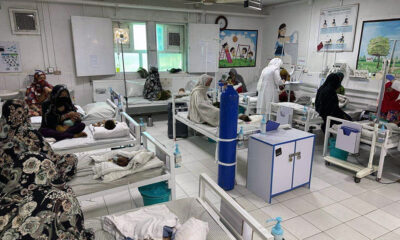
One-in-three Afghans are acutely food insecure, according to the latest Integrated Food Security Phase Classification (IPC) assessment report released by the Afghan government and its partners on Tuesday.
According to the IPC report, food insecurity in Afghanistan is attributed to the lingering impact of COVID-19, armed conflict, a rise in food prices, high unemployment rates and income loss, and the start of the complex and recurrent La Niña weather event.
“With doubling of our focus on mitigating adverse effects of COVID-19 on the most vulnerable, we have managed to bring the numbers down from a projected 42 to 35 percent, which is an achievement, however this is still far from our vision of a hunger-free Afghanistan,” said the Minister of Agriculture, Irrigation and Livestock of the Government of the Islamic Republic of Afghanistan, Anwarul Haq Ahady.
“A third of our people are struggling to feed their families. We must not let our guard down in light of the challenges ahead, specifically the drought-like effects La Niña is already triggering across the country, and the Government is preparing to respond to the impending drought”, he said.
While the Government prepares its response to an impending drought, the Food and Agriculture Organization of the United Nations (FAO) and United Nations World Food Programme (WFP) warn that current resourcing is inadequate to protect lives and livelihoods at risk.
“Millions of Afghan families already struggle to survive, and now they face the second drought in three years. A bag of wheat is 30 percent more expensive than the four-year average. Jobs are few and far between,” Mary-Ellen McGroarty, WFP Representative in Afghanistan said.
“The lean season is expected to arrive earlier and bite harder. We need to act now, bring food closer to people’s homes, and prevent irreversible malnutrition in mothers and children who will be impacted the most. We simply cannot wait and see.”
However, significant funding gaps for humanitarian agencies pose a challenge in meeting even the most basic humanitarian needs in the coming months, the report stated.
While the onset of the summer harvest may bring employment and improve access to food, the report warns the harvest is expected to be “below average” and the “food security situation is expected to deteriorate further during the 2021-2022 lean season”.
A further deterioration of the food security context will push more people to join one third of the population already food insecure.
“In order to understand the IPC report figures, we need to take into account two things. First, this analysis was conducted before any of the drought-like effects could be felt. Second, the projection period coincides with the harvest season, but the most serious effects of the lower rain and snowfall are affecting agriculture and livestock production with cascading food security impacts during the subsequent lean season.
“These figures actually call for immediate action that mitigates the impacts on agriculture and livestock production and prevents rural people from abandoning their agriculture-based livelihoods and displacing to urban areas,” said Rajendra Aryal, FAO Representative in Afghanistan.
La Niña drought-like effects are already evident in Afghanistan, according to FAO.
Early evidence of agricultural drought has been found in 25 hotspots across the country. This weather event is expected to severely affect both agricultural and livestock production in 2021.
According to FAO estimates, wheat production decreased by 16 to 27 percent in the last five drought events induced by La Niña; the potential impact on livestock production of this year’s event is expected to affect 30 percent of ruminants in 18 provinces.


Latest News
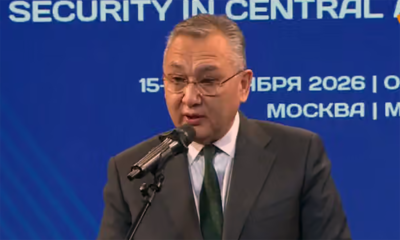
CSTO chief says IEA has become long-term political actor in Afghanistan
Masadykov said CSTO member states have stepped up bilateral engagement with the IEA authorities in Kabul to promote economic development.
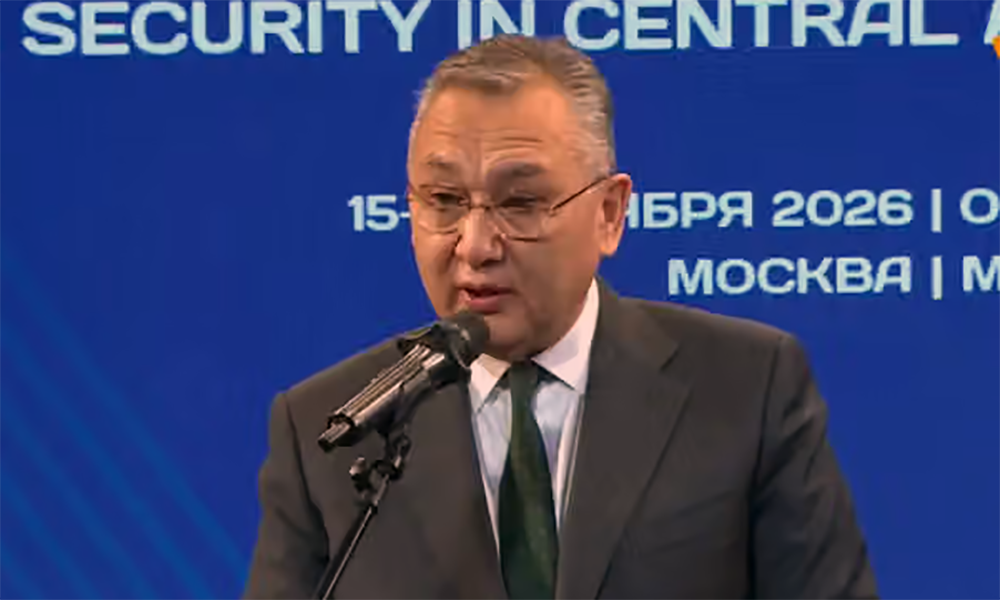
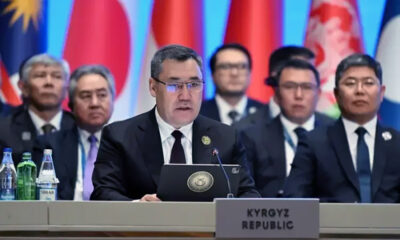
Talatbek Masadykov, secretary-general of the Collective Security Treaty Organization (CSTO), has said the Islamic Emirate of Afghanistan (IEA) has become a long-term political actor in the country, noting that most CSTO member states have intensified contacts with IEA officials.
Masadykov said CSTO member states have stepped up bilateral engagement with the IEA authorities in Kabul to promote economic development, strengthen social stability and reduce security risks originating from Afghanistan.
He stressed that Afghanistan urgently needs peace, stability and economic development, adding that addressing poverty, drug trafficking, terrorist activities, armed conflicts and other security threats requires pragmatic, coordinated and gradual international engagement with the country.
The CSTO secretary-general also highlighted the importance of closer coordination among the CSTO, the Commonwealth of Independent States (CIS) and the Shanghai Cooperation Organization (SCO) in supporting peace and stability in Afghanistan.
Masadykov made the remarks during a joint meeting of representatives from the three organizations focused on security in Central Asia and Afghanistan.
Latest News
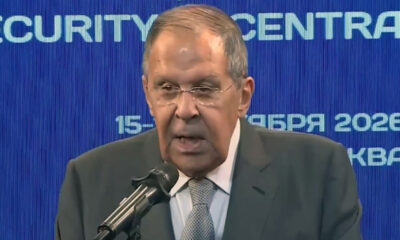
Lavrov warns of western-backed ‘color revolutions,’ raises concerns over Afghanistan’s regional security
He also warned that radical groups were seeking to use Afghanistan as a launching pad to expand threats towards Central Asia and Russia.
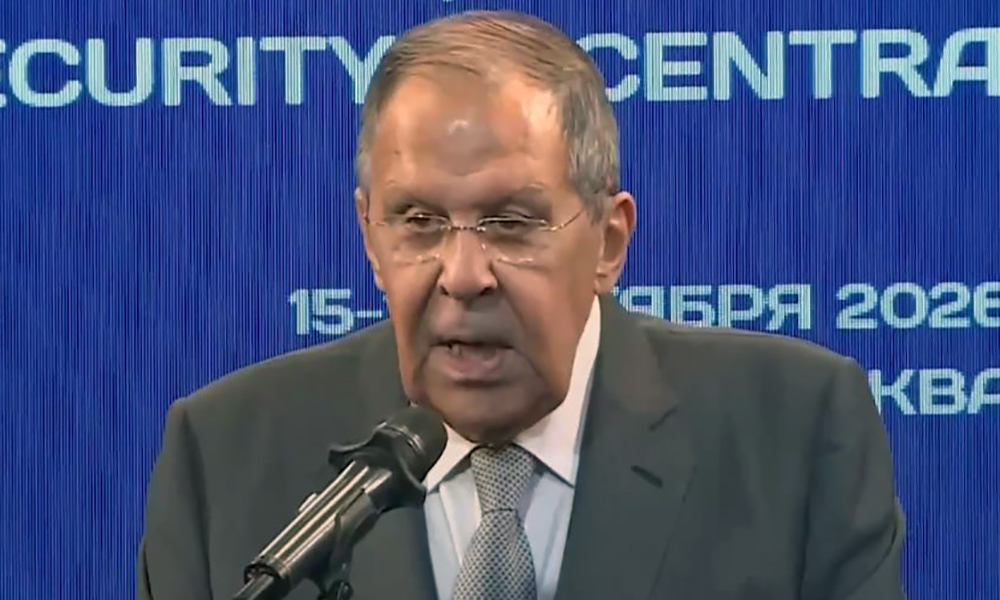
Russian Foreign Minister Sergey Lavrov has warned that any country, including Russia’s partners in Central Asia, could become a target of what he described as Western-orchestrated “color revolutions,” while raising concerns about security threats emerging from Afghanistan.
According to Russia’s TASS news agency, Lavrov made the remarks on Friday, October 16, during a conference on security in Central Asia and Afghanistan in Moscow, attended by representatives of the Collective Security Treaty Organization (CSTO), the Commonwealth of Independent States (CIS) and the Shanghai Cooperation Organization (SCO).
Lavrov said attempts to initiate such movements in several neighbouring countries had already been thwarted.
Lavrov Raises Concerns Over Afghanistan’s Security Legacy
Referring to the two decades of US and NATO military presence in Afghanistan, Lavrov said the consequences of what he described as an unsuccessful occupation would take a long time to overcome.
He also warned that radical groups were seeking to use Afghanistan as a launching pad to expand threats towards Central Asia and Russia.
This comes as the Islamic Emirate of Afghanistan has repeatedly stated that Afghan territory will not be used against any neighboring country, and that no armed group will be permitted to operate.
The meeting was held with the participation of representatives from the Collective Security Treaty Organization, the Commonwealth of Independent States, and the Shanghai Cooperation Organization.
Latest News
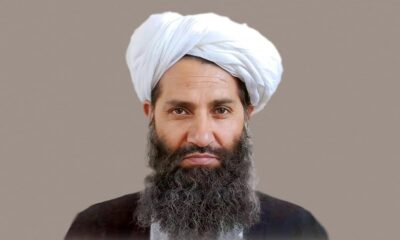
IEA leader urges students to pursue religious knowledge for faith, not worldly positions
Addressing students’ future responsibilities, he urged them not to focus on worldly positions and described their current period of study as a time of testing that requires caution.

The supreme leader of the Islamic Emirate of Afghanistan (IEA), Sheikh Hibatullah Akhundzada, has stressed the importance of religious education, sincerity, humility and respect for teachers in a speech at the Jihadi Madrasa in Kandahar, urging students to continue their studies and share their knowledge with others.
Hamdullah Fitrat, deputy spokesperson for the Islamic Emirate of Afghanistan, released details of the speech, saying Akhundzada addressed the gathering on Thursday afternoon, the third of Jumada al-Awwal 1448 in the Islamic calendar.
Emphasis on Religious Education and Social Reform
According to Fitrat, Akhundzada described knowledge as an attribute of Allah and said acquiring knowledge brings people closer to Allah and helps them attain spiritual perfection.
He said education and the pursuit of knowledge were necessary to eliminate corruption and promote reform in society, adding that religious scholars and the public should continue religious education and teaching to preserve the faith.
Akhundzada also described religious scholars as heirs of the prophets, saying religious rulings, decisions and Islamic law are conveyed to the public through scholars, who also play a role in reforming society.
Warning Against Pursuing Worldly Status Through Education
According to the deputy spokesperson’s account, Akhundzada urged students to acquire knowledge with the intention of understanding and practising their religion rather than seeking social recognition, status or worldly privileges.
He said religious knowledge should be pursued for practical application and that students had a responsibility to pass their knowledge on to others.
He also described knowledge as a trust that must not be concealed, urging students to communicate religious teachings to the public under all circumstances.
Students Urged to Respect Teachers and Continue Learning
Akhundzada called on students not to abandon their studies and to continue working to expand their knowledge. He also warned against arrogance and pride when learning from others.
He encouraged students to attend jurisprudential and academic gatherings after graduation, saying such meetings provide opportunities to exchange knowledge and learn from one another.
Addressing students’ future responsibilities, he urged them not to focus on worldly positions and described their current period of study as a time of testing that requires caution.
He also stressed the importance of respecting teachers, urging students to treat them with great respect, remain humble, value their religious schools and fellow students, and pay close attention to school regulations.


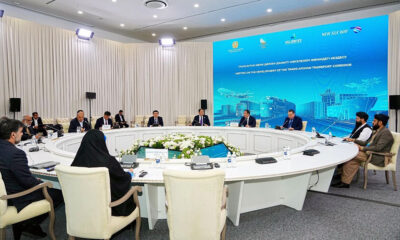
Regional partners seek progress on Trans-Afghan corridor and CASA railway

CSTO chief says IEA has become long-term political actor in Afghanistan

Lavrov warns of western-backed ‘color revolutions,’ raises concerns over Afghanistan’s regional security

IEA leader urges students to pursue religious knowledge for faith, not worldly positions

Nearly 19.2 million Afghans face winter hunger as child malnutrition set to surge, UN agencies warn

Cricket Bonanza: Afghanistan set for packed international schedule

Afghanistan says 28 killed, 32 captured in Nuristan operation

CNN, MS NOW and Politico sue Trump, challenging White House ban

Silk Road highway in Wakhan corridor now reaches the China border

Dogharoun handles 60% of Iran’s exports to Afghanistan

Saar: Review of state officials’ visits to Kabul over past month discussed

Tahawol: Kyrgyzstan’s rejection of Afghan refugees discussed

Saar: Central Asia’s trade alternative to Pakistan discussed

Tahawol: Warnings over worsening insecurity in Pakistan discussed

Saar: Concerns over potential return of US military bases to Afghanistan discussed
-

 World4 days ago
One dead in new attack on Saudi airport, a day after Houthi strike kills 13
-
 Latest News2 days ago
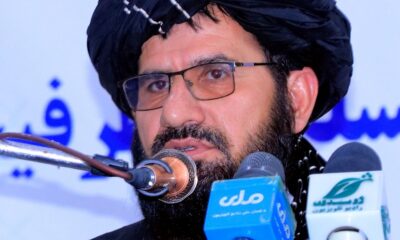
Afghan official says Durand Line crossings to remain closed until Islamabad accepts demands
-

 Sport2 days ago
Afghan futsal coach: Brazil tournament is first step towards new goals and World Cup
-
 Regional4 days ago
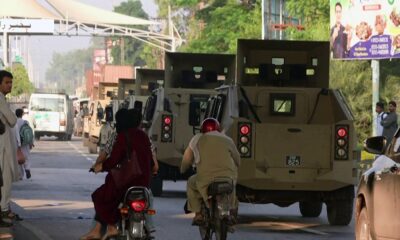
Pakistan deploys military to Peshawar after emergency rule declared
-

 Sport5 days ago
Bangladesh take 329-run lead against Afghanistan in one-off Test
-
 Business4 days ago
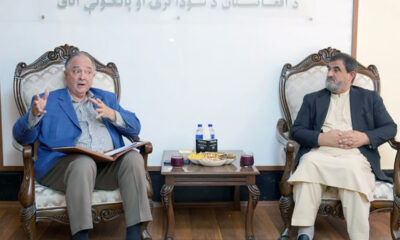
Afghanistan, US business leaders discuss trade and investment opportunities
-
 Sport4 days ago
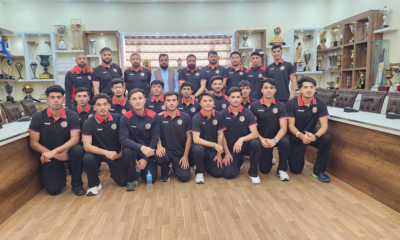
Afghanistan U19 begin Asia Cup Preparations with Oman tour
-
 Latest News4 days ago
Mujahid accuses Pakistani military circles of sabotaging talks with Afghanistan