
Latest News
Pakistan-Afghanistan trade falls 6% to $475 million in first quarter of FY2025-26

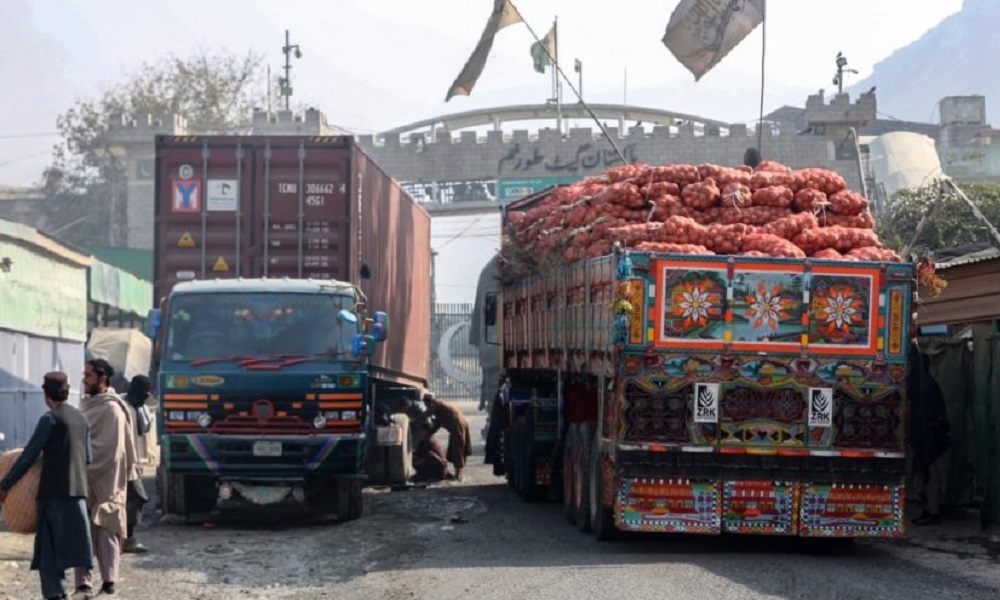
Bilateral trade between Pakistan and Afghanistan declined by 6 percent during the first quarter of Pakistan’s 2025–26 fiscal year, totaling $475 million, compared to $502 million in the same period of 2024–25, according to official data.
Pakistan’s The Nation reported that on a year-on-year basis, trade between the two neighbors also dropped by 13 percent in September 2025, reaching $177 million, down from $204 million in September 2024.
Exports decline, imports rise
Pakistan’s exports to Afghanistan saw a notable decline of 15 percent, falling from $320 million to $271 million during the July–September period. Officials attributed the drop to reduced demand and supply chain challenges.
In contrast, Pakistan’s imports from Afghanistan increased by 12 percent, rising from $182 million to $203 million, suggesting stronger Afghan export activity and higher demand for Afghan goods in Pakistan.
As a result, Pakistan’s trade surplus with Afghanistan narrowed, driven primarily by the sharper fall in exports relative to overall trade volume.
Monthly and yearly trends
On a year-on-year (YoY) basis, Pakistan’s exports to Afghanistan dropped sharply by 36 percent, from $128 million to $81 million, while imports from Afghanistan grew 26 percent, from $76 million to $96 million.
Month-on-month, total trade grew 19 percent, from $149 million in August to $177 million in September 2025.
During that same period, Pakistan’s exports fell 8 percent, while imports surged 56 percent, reflecting a widening shift in trade dynamics.
Export performance by category
Despite the overall decline, several key Pakistani export categories saw strong growth during the first quarter of FY2025-26:
Prepared animal fodder and oil cakes: up 557%, from $0.7 million to $4.59 million
Fruits and vegetables (mainly mangoes): up 140%, from $9.22 million to $22.10 million
Animal or vegetable fats and oils: up 72%, from $6.14 million to $10.58 million
Cement: up 41%, from $20.65 million to $29.06 million
Wood and articles: up 29%, from $9.52 million to $12.32 million
Plastics and articles: up 42%, from $5.07 million to $7.19 million
Pharmaceutical products: up 10%, from $40.61 million to $44.68 million
Declining exports
Several traditional export commodities, however, experienced steep declines.
Sugar exports dropped 100%, from $69.75 million to zero
Malt extract: down 84%, from $7.51 million to $1.22 million
Tractors: down 61%, from $3.63 million to $1.41 million
Miscellaneous edible food preparations: down 53%, from $13.89 million to $6.47 million
Rice: down 21%, from $64.11 million to $50.55 million
Trade outlook
Economists note that while Afghan exports to Pakistan are rising, the drop in Pakistan’s exports could reflect supply disruptions, pricing pressures, or evolving trade routes following new customs and transit policies.
Bilateral trade between the two countries has historically fluctuated due to border closures, political tensions, and shifting regional logistics networks. However, both Islamabad and Kabul have expressed interest in stabilizing trade flows through new mechanisms under the Afghanistan–Pakistan Transit Trade Agreement (APTTA) and expanded regional connectivity initiatives.






Latest News
Security Sources: Pakistani military shelling in Kunar and Nuristan leaves female doctor dead
The sources said the vehicle was struck by gunfire and subsequently fell into the Kunar River.
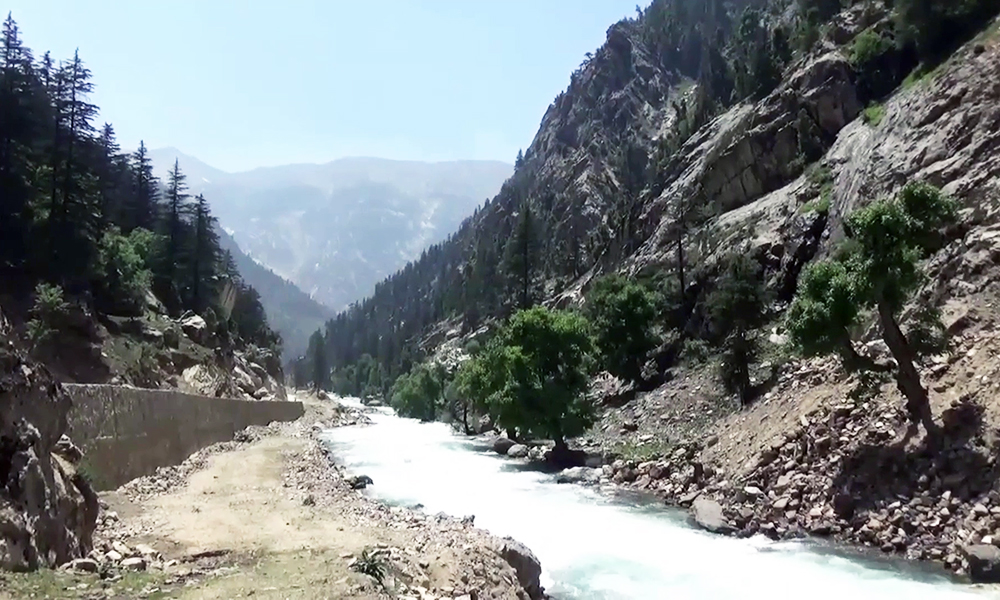
Security sources report that several security incidents in the eastern provinces of Kunar and Nuristan have resulted in the death of a female doctor, injuries to others, and several people reported missing.
According to the sources, early Thursday morning at around 9:30 a.m., Pakistani military forces opened fire on a Toyota vehicle in the Dokalam Baghcha area of Nari district in Kunar province.
The sources said the vehicle was struck by gunfire and subsequently fell into the Kunar River. As a result of the incident, a female doctor was killed and another person was injured. Five other individuals who were reportedly in the vehicle remain missing, the sources added.
In a separate incident, security sources stated that around 11:00 a.m. in the Seno area of Shultan district, Kunar province, Pakistani forces carried out artillery shelling that left one person injured. The injured individual was transferred to the provincial hospital for medical treatment.
Meanwhile, security sources in Nuristan say that despite Pakistan’s announced ceasefire, the main road between Kamdesh and Barg-e-Matal districts has been completely closed to traffic since Thursday morning.
According to the sources, the closure of the route has caused serious difficulties for local residents, preventing any movement in the area. The sources also claim that Pakistani military posts are located within close proximity of the road and have opened fire on people attempting to pass through the area.
Latest News
UN Secretary-General condemns Pakistani airstrike on Kabul rehab center
Meanwhile, a spokesperson for the Iranian Ministry of Foreign Affairs expressed concern over rising tensions between Afghanistan and Pakistan, stressing the importance of diplomacy to resolve conflicts.
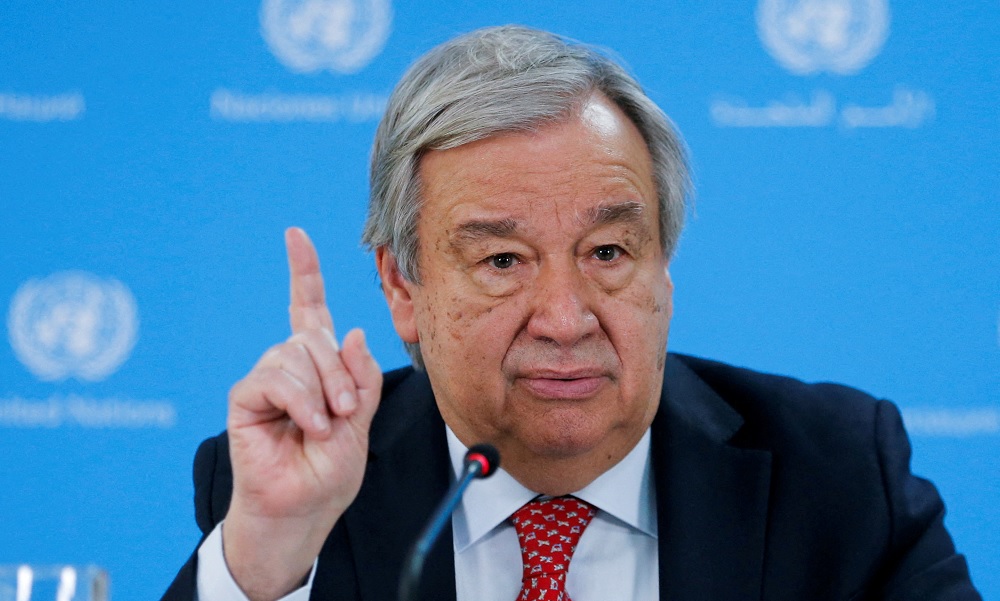
The United Nations Secretary-General has strongly condemned a Pakistani airstrike on a rehabilitation center for addicts in Kabul and expressed condolences to the families of the victims.
The attack, which occurred on March 16, reportedly left over 600 people killed or injured, according to local sources.
In an official statement, Antonio Guterres, UN Secretary-General, emphasized that under international humanitarian law, patients, medical staff, and healthcare facilities, including hospitals, must be respected and protected at all times.
Farhan Haq, Deputy Spokesperson for the UN Secretary-General, stated: “The Secretary-General strongly condemns the airstrike in Kabul, the capital of Afghanistan, on March 16, which reportedly resulted in the deaths and injuries of civilians at a medical facility.”
Haq added that Guterres has called for an independent and impartial investigation into the incident, while offering his deepest condolences to the families of the victims and wishing a speedy recovery for the injured.
The Secretary-General reiterated the urgent need to reduce tensions and immediately halt hostilities between Afghanistan and Pakistan, emphasizing that disputes should be resolved through dialogue and peaceful solutions in accordance with the UN Charter.
Meanwhile, a spokesperson for the Iranian Ministry of Foreign Affairs expressed concern over rising tensions between Afghanistan and Pakistan, stressing the importance of diplomacy to resolve conflicts.
This development comes after Afghanistan and Pakistan announced a temporary cessation of hostilities ahead of Eid al-Fitr, a move that regional officials hope will pave the way for a lasting ceasefire and ensure the protection of civilians in both countries.
Latest News
IEA Supreme Leader: Afghanistan’s victory lies in faith and National unity
Akhundzada also called on citizens to support the Islamic Emirate, stating that those serving in the current system are the sons of the same nation and people.

Eid al-Fitr prayers were held on Thursday at the Eidgah Mosque in Kandahar, led by Hibatullah Akhundzada, the supreme leader of the Islamic Emirate of Afghanistan, with a large number of residents attending the ceremony.
During his sermon, Akhundzada said that if the people of Afghanistan were meant to be destroyed by bombardments and military attacks, it would have happened during the wars with the Soviet Union and the United States.
According to the Islamic Emirate leader, the key to Afghanistan’s victory and resilience lies in reliance on Islam, preservation of religious beliefs, and unity among the people. He stressed that by adhering to Islamic values, no country would be able to harm Afghanistan.
Akhundzada also called on citizens to support the Islamic Emirate, stating that those serving in the current system are the sons of the same nation and people.
At the same time, he urged government officials to ensure justice in their duties, warning that no system can survive through oppression. He added that the implementation of decrees and laws is necessary to reform society and maintain order in the country.
The Islamic Emirate leader further said that without Islam, Afghanistan could have remained under the control of the United States and NATO, but now, according to him, the country stands as an independent and free nation.
In the economic section of his remarks, Akhundzada called on traders to avoid hoarding goods and instead assist fellow Muslims in difficult times. He warned that individuals found hoarding commodities for up to 40 days would face legal consequences.


Tahawol: Temporary ceasefire draws broad support

Security Sources: Pakistani military shelling in Kunar and Nuristan leaves female doctor dead

Saar: Emphasis on resolving conflicts through diplomacy

UN Secretary-General condemns Pakistani airstrike on Kabul rehab center

IEA Supreme Leader: Afghanistan’s victory lies in faith and National unity

Pakistani military jet downed in Afghanistan’s Jalalabad, pilot captured alive

Afghan Air Force conducts airstrikes in Islamabad, other cities

Afghanistan’s Chief of Armed Forces underscores readiness and equipment for national defense

Afghanistan welcomes investment and technology partnerships with India

Prominent Muslim scholar issues fatwa calling for Afghanistan-Pakistan ceasefire
Tahawol: Temporary ceasefire draws broad support
Saar: Emphasis on resolving conflicts through diplomacy

Tahawol: Global reactions to Pakistan’s recent attacks discussed

Saar: Consequences of Pakistani airstrikes on Afghans discussed

Tahawol: Pakistan’s new attacks on Kabul hospital discussed
-
 Latest News3 days ago
IEA Supreme Leader issues Eid-ul-Fitr message urging unity and support for Islamic system
-
 Latest News4 days ago
Regional criticism grows amid Pakistan strikes inside Afghanistan
-
 Latest News4 days ago
Afghan airstrike targets a military camp in South Waziristan
-

 Business3 days ago
Turkmenistan, Afghanistan discuss steps to speed up land acquisition for TAPI pipeline
-
 Sport4 days ago
IPL 2026 kicks off in under two weeks; Afghan players set to shine
-

 Business5 days ago
Afghanistan expands exports through Lapis Lazuli Corridor
-
 Latest News1 day ago
IEA announces temporary pause in defensive operations against Pakistan for Eid
-

 World5 days ago
Trump rejects efforts to launch Iran ceasefire talks, sources say