
Regional
Pakistan, Saudi in talks on JF-17 jets-for-loans deal, sources say
The mutual defence deal was signed following Israel’s strikes on what it said were Hamas targets in Doha, an attack that shook the Gulf region.

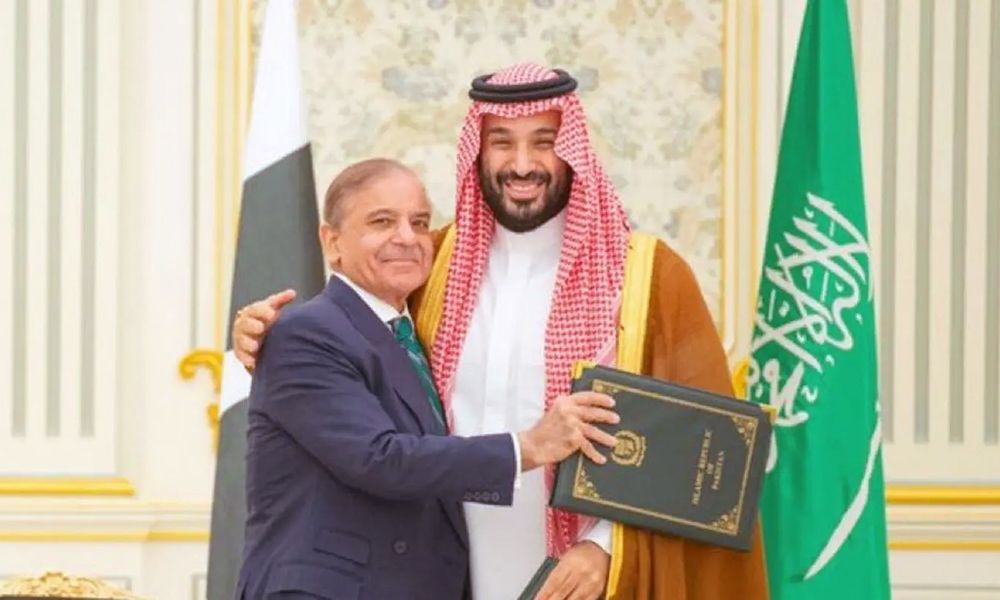
Pakistan and Saudi Arabia are in talks to convert about $2 billion of Saudi loans into a JF-17 fighter jet deal, two Pakistani sources said, deepening military cooperation months after the two nations signed a mutual defence pact last year, Reuters reported.
The talks underscore how the two allies are moving to operationalise defence cooperation at a time when Pakistan is facing acute financial strain and Saudi Arabia is reshaping its security partnerships to hedge against uncertainty about U.S. commitments in the Middle East.
The mutual defence deal was signed following Israel’s strikes on what it said were Hamas targets in Doha, an attack that shook the Gulf region.
One of the sources said the discussions were limited to the provision of JF-17 Thunder fighter jets, the light combat aircraft jointly developed by Pakistan and China and produced in Pakistan, while the second said the jets were the primary option among others under discussion.
The first source said the total deal was worth $4 billion, with an additional $2 billion to be spent on equipment over and above the loan conversion. The sources close to the military with knowledge of the matter spoke on condition of anonymity because they were not authorised to speak on the deal, read the report.
Pakistan’s military and finance and defence ministries did not immediately respond to requests for comment. Saudi Arabia’s government media office also did not respond.
Pakistan’s Air Chief Zaheer Ahmed Baber Sidhu was in Saudi Arabia this week to discuss “bilateral defence cooperation, regional security environment and future avenues of collaboration” with his counterpart Lieutenant General Turki bin Bander bin Abdulaziz, Pakistan’s military said in a statement on Thursday.
Aamir Masood, a retired Air Marshal and analyst, said Pakistan was in talks about or had finalised deals with six countries to provide equipment including JF-17s and electronic systems and weapons systems for the jets. He said those countries included Saudi Arabia, but could not confirm any details about the negotiations.
The JF-17s marketability has been increased because “it is tested and has been used in combat,” he told Reuters, adding that it’s also cost effective. Pakistan has said the aircraft was deployed during its conflict with India in May last year, the heaviest fighting between the neighbours in decades.
The mutual defence pact, signed in September, committed both sides to treat any aggression against either country as an attack on both, significantly deepening a decades-old security partnership.
Pakistan has long provided military support to the kingdom, including training and advisory deployments, while Saudi Arabia has repeatedly stepped in to support Pakistan financially during periods of economic stress.
In 2018, Riyadh announced a $6 billion support package for Pakistan, including a $3 billion deposit at the central bank and $3 billion worth of oil supplies on deferred payment.
Saudi Arabia has since rolled over deposits multiple times, including a $1.2 billion deferment last year, helping Islamabad stabilise its foreign exchange reserves amid chronic balance-of-payments pressures.
Pakistan has in recent months stepped up defence outreach as it seeks to expand arms exports and monetise its domestic defence industry.
Last month, Islamabad struck a weapons deal worth more than $4 billion with Libya’s eastern-based Libyan National Army, officials said, one of the country’s largest-ever arms sales, which includes JF-17 fighter jets and training aircraft.
Pakistan has also held talks with Bangladesh on the possible sale of JF-17s, as it widens its arms supply ambitions beyond South Asia and the Middle East.
On Tuesday, Pakistan’s defence minister said the success of its weapons industry could transform the country’s economic outlook, Reuters reported.
“Our aircraft have been tested, and we are receiving so many orders that Pakistan may not need the International Monetary Fund in six months,” Khawaja Asif told broadcaster Geo News.
Pakistan is currently under a $7 billion IMF programme, its 24th, which followed a short-term $3 billion deal that helped avert a sovereign default in 2023. It secured the Fund’s support after Saudi Arabia and other Gulf allies provided financial and deposit rollovers.



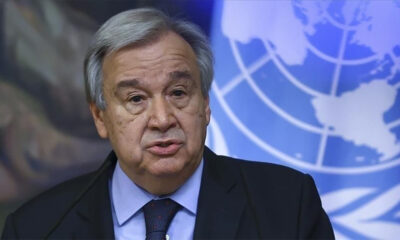

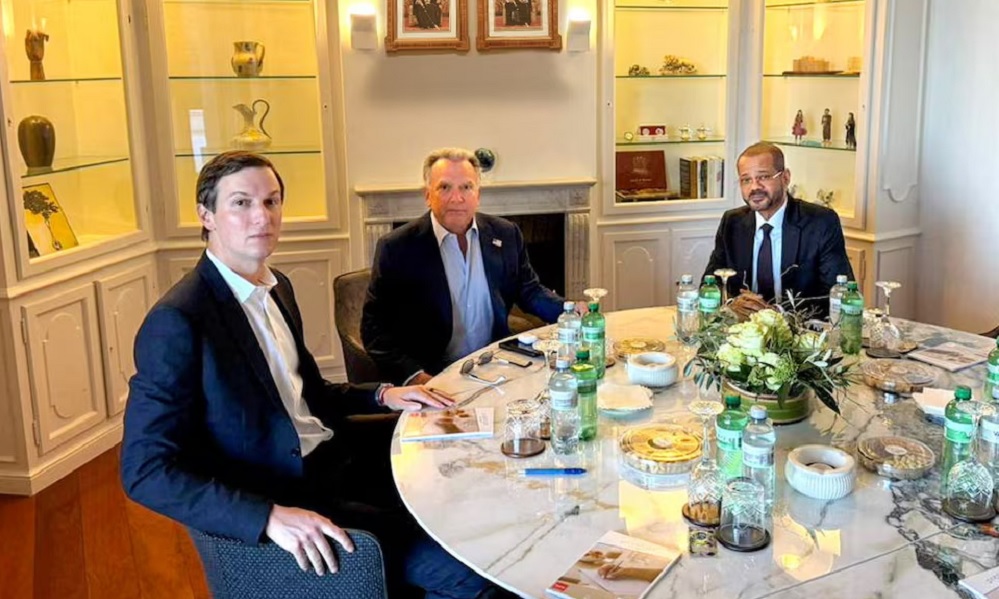
The United States and Iran made progress in talks over Tehran’s nuclear program on Thursday, mediator Oman said, but hours of negotiation ended with no sign of a breakthrough that could avert potential U.S. strikes amid a massive military buildup.
The two sides plan to resume negotiations soon after consultations in their countries’ capitals, with technical-level discussions scheduled to take place next week in Vienna, Omani Foreign Minister Sayyid Badr Albusaidi said in a post on X after the day’s meetings in Switzerland, Reuters reported.
Badr Albusaidi will hold talks with U.S. Vice President JD Vance and other U.S. officials in Washington on Friday, MS NOW reported late on Thursday. Neither the White House nor Oman’s embassy in Washington immediately responded to requests for comment.
Any substantial move toward an elusive agreement between longtime foes Washington and Tehran could reduce the imminent prospects for U.S President Donald Trump to carry out a threatened attack on Iran that many fear could escalate into a wider war.
But Tuesday’s indirect talks wrapped up without a deal, still leaving the region on edge.
The Omani minister’s upbeat assessment followed indirect talks between Iranian Foreign Minister Abbas Araqchi and U.S. envoys Steve Witkoff and Jared Kushner in Geneva, with one session in the morning and the second in the afternoon.
“We have finished the day after significant progress in the negotiation between the United States and Iran,” Badr Albusaidi said.
But with many analysts seeing the latest diplomacy as the last chance before Trump could decide to go to war, Badr Albusaidi provided no details and stopped short of saying the two sides had overcome their biggest stumbling blocks to a deal.
Describing the talks as some of the most serious that Iran has had with the U.S., Araqchi told Iranian state television: “We reached agreement on some issues, and there are differences regarding some other issues.”
“It was decided that the next round of negotiations will take place soon, in less than a week,” he said. The Iranians, he added, had clearly expressed their demand for lifting of U.S. sanctions, which Washington has long insisted will only come after deep concessions from Tehran.
There was no immediate comment from the U.S. negotiating team on the outcome of the talks. But Axios quoted a senior U.S. official as saying the Geneva negotiations were “positive.”
The discussions about the decades-long dispute over Iran’s nuclear work come as fears grow of a Middle East conflagration. Trump has repeatedly threatened action if there is no deal, and the U.S. military has amassed its forces in waters near the Islamic Republic.
‘INTENSE AND SERIOUS’ TALKS
A senior Iranian official told Reuters earlier on Thursday that the U.S. and Iran could reach a framework for a deal if Washington separated “nuclear and non-nuclear issues.”
The Trump administration has insisted that Iran’s ballistic missile program and its support for armed groups in the region must be part of the negotiations.
After the morning session, Badr Albusaidi said the two sides had exchanged “creative and positive ideas”.
But a senior Iranian official said at the time that some gaps still had to be narrowed.
Washington, which believes Tehran seeks the ability to build a nuclear bomb, wants Iran to give up all uranium enrichment, a process that makes fuel for atomic power plants but that can also yield material for a warhead.
Iran has long denied wanting a bomb and said earlier on Thursday it would show flexibility at the talks. Reuters reported on Sunday that Tehran was offering undefined new concessions in return for removal of sanctions and recognition of its right to enrich uranium.
U.S. Secretary of State Marco Rubio said on Wednesday that Iran’s refusal to discuss its ballistic missile program was a “big problem” which would have to be addressed eventually.
The missiles were “designed solely to strike America” and pose a threat to regional stability, he said, but offered no proof to back the claim that U.S. territory could be targeted.
TRUMP THREATENS ‘REALLY BAD THINGS’
Trump said on February 19 that Iran must make a deal in 10 to 15 days, warning that “really bad things” would otherwise happen.
He briefly laid out his case for a possible attack on Iran in his State of the Union speech on Tuesday, underlining that while he preferred a diplomatic solution, he would not allow Tehran to obtain a nuclear weapon.
In June, the U.S. joined Israel in hitting Iranian nuclear sites and has been ramping up the pressure on Tehran again since January, when Trump threatened to intervene over its crushing of nationwide protests with thousands killed.
Since then, Trump has deployed fighter jets and aircraft carrier strike groups in the region.
Iran responded to last summer’s strikes by firing fusillades of missiles at Israel and has threatened to retaliate fiercely if attacked again, raising fears of a wider regional conflict that has alarmed Gulf oil producers.
Within Iran, Supreme Leader Ayatollah Ali Khamenei faces the gravest crisis of his 36-year tenure, with an economy buckling under tightened sanctions and renewed protests following the major unrest and crackdown in January.
President Masoud Pezeshkian said on Thursday that Khamenei has banned weapons of mass destruction, which “clearly means Tehran won’t develop nuclear weapons,” reiterating a religious decree issued in the early 2000s.
Regional
Narendra Modi holds high-level talks after historic address to Knesset
Modi and Netanyahu’s talks reportedly focused on expanding defense collaboration, counterterrorism cooperation, cybersecurity, artificial intelligence, water management and agricultural innovation.
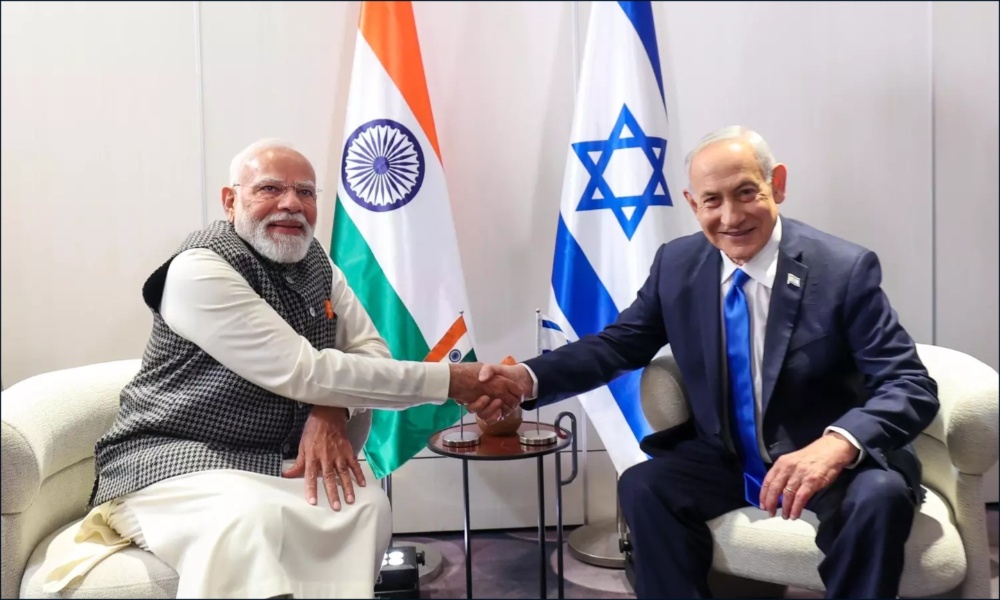
Indian Prime Minister Narendra Modi held extensive talks with Israeli Prime Minister Benjamin Netanyahu and senior cabinet officials following his historic address to the Knesset, becoming the first Indian leader to speak before Israel’s parliament.
Modi’s speech marked what analysts describe as a watershed moment in India–Israel relations, signaling the full normalization and elevation of ties between the two countries.
Although diplomatic relations were established in 1992, engagement remained relatively cautious for years. The address reflects a new phase in which cooperation is openly strategic and acknowledged at the highest political level.
Defense, Technology and Regional Security
During their discussions, Modi and Netanyahu focused on expanding defense collaboration, counterterrorism cooperation, cybersecurity, artificial intelligence, water management and agricultural innovation.
Defense remains central to the partnership, with Israel among India’s leading suppliers of advanced military systems, including missile technology and surveillance equipment. Officials also explored joint research initiatives, technology transfers and private-sector investment opportunities aimed at strengthening trade and innovation.
Regional security developments and the broader geopolitical landscape in the Middle East were also high on the agenda.
While India has long supported a two-state solution to the Israeli-Palestinian conflict, New Delhi has increasingly pursued a pragmatic foreign policy that deepens ties with Israel while maintaining relations with Arab states and Iran.
Diplomatic Significance
An invitation to address the Knesset is regarded as a mark of close partnership and Modi’s appearance places India among a select group of nations whose leaders have addressed the Israeli legislature, underscoring India’s growing global stature and its importance to Israel as a major Asian power and economic partner.
In his speech, Modi highlighted shared democratic values, innovation-driven growth and cooperation against terrorism. Observers however say the symbolism of the address could have lasting impact, embedding the relationship at an institutional level beyond executive agreements.
Official Visit and Expanding Ties
Modi arrived in Israel on Wednesday for a two-day visit aimed at deepening ties with a key trade and defense partner. In a departure statement, he described the relationship as a “robust and multifaceted strategic partnership” that has “significantly strengthened in the last few years.”
Earlier this week, officials in New Delhi opened discussions on a proposed India–Israel Free Trade Agreement. Bilateral merchandise trade reached $3.62 billion in the 2024–2025 fiscal year, according to the Indian government.
The relationship extends beyond trade however, and Israeli drone and surveillance technology has featured prominently in India’s defense modernization, including during its May 2025 standoff with Pakistan. In addition, Indian conglomerate Adani Group operates Israel’s Haifa port, highlighting growing commercial integration.
At the same time, India continues to balance its Middle East policy, maintaining strong ties with Gulf Arab states and Iran, including development of Iran’s Chabahar port as a gateway to Afghanistan. New Delhi has also backed broader connectivity initiatives such as the proposed India–Middle East–Europe Economic Corridor, unveiled in 2023 but slowed by the Gaza conflict.
Reaction in India
Modi’s visit has meanwhile generated debate at home. Supporters describe the Knesset address as a proud diplomatic milestone that reflects India’s emergence as a confident global power. Strategic analysts say it demonstrates New Delhi’s ability to manage complex relationships across the Middle East without compromising its broader interests.
However, some opposition figures have urged the government to maintain balance in its West Asia policy. Senior Congress leader Priyanka Gandhi called on Modi to raise concerns about civilian casualties in Gaza during his address.
India, home to about 1.4 billion people — including an estimated 220 million Muslims — has historically supported Palestinian statehood even as it strengthens strategic cooperation with Israel.
Modi’s landmark speech and high-level meetings are however widely seen as consolidating a partnership that has evolved from cautious engagement into a comprehensive strategic relationship spanning defense, trade and technology.
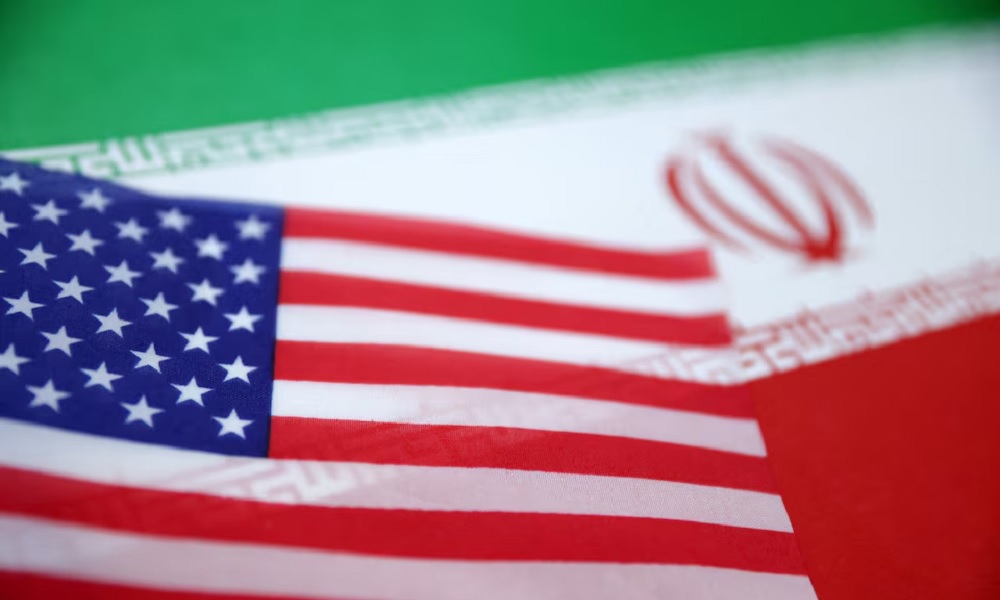
Iran pledged to show flexibility at indirect talks with the United States on their longstanding nuclear dispute on Thursday, with Tehran under pressure to agree to a deal or face U.S. military strikes.
The third round of talks in Geneva, which began on Thursday morning, will discuss Iran’s nuclear programme against the backdrop of a huge U.S. military buildup in the Middle East ordered by President Donald Trump, Reuters reported.
U.S. Secretary of State Marco Rubio said on Wednesday Iran’s refusal to discuss its ballistic missile programme was a “major problem” that would have to be addressed eventually, as the missiles were “designed solely to strike America” and pose a threat to regional stability.
“If you can’t even make progress on the nuclear program, it’s going to be hard to make progress on the ballistic missiles as well,” Rubio told reporters in Saint Kitts.
Iranian foreign ministry spokesperson Esmaeil Baghaei told Press TV on Thursday that the negotiations would focus solely on nuclear topics and the lifting of sanctions, and said Tehran goes into them with “seriousness and flexibility”.
IMPASSE ON NUCLEAR PROGRAM
The two countries renewed negotiations this month, seeking to break a decades-long impasse over Tehran’s nuclear program, which Washington, other Western states and Israel believe is aimed at building nuclear arms. Tehran denies this.
U.S. Special Envoy Steve Witkoff and Trump’s son-in-law, Jared Kushner, were due to attend the indirect talks with Iranian Foreign Minister Abbas Araqchi, a U.S. official said. The meeting follows discussions in Geneva last week and will again be mediated by Oman’s Foreign Minister Badr Albusaidi.
Trump briefly laid out his case for a possible attack on Iran in his State of the Union speech on Tuesday, underlining that while he preferred a diplomatic solution, he would not allow Tehran to obtain a nuclear weapon.
He has deployed fighter jets, aircraft carrier strike groups as well as destroyers and cruisers in the region, hoping to pressure Iran into concessions.
On Wednesday evening, Araqchi and Albusaidi discussed the proposals Iran will put forward to reach an agreement, according to a statement posted on X by Oman’s foreign ministry.
PRESSURE INSIDE AND OUTSIDE IRAN
The biggest U.S. military deployment in the Middle East since the invasion of Iraq in 2003 has raised fears of a wider regional conflict. In June last year, the U.S. joined Israel in hitting Iranian nuclear sites. Iran has threatened to retaliate fiercely if attacked again.
The USS Gerald R. Ford, the biggest U.S. aircraft carrier, left port near the Greek island of Crete on Thursday bound for shores near Haifa in northern Israel, where it is expected to arrive on Friday.The U.S. has also sent around a dozen F-22 fighter jets to Israel – the first time Washington has deployed combat aircraft to the country for potential wartime operations, a U.S. official said.
The Trump administration has not formally announced the deployment. The Pentagon declined to comment.
Trump said on February 19 that Iran must make a deal in 10 to 15 days, warning that “really bad things” would otherwise happen.
Oil prices inched up on Thursday as investors gauged whether the talks could avert a military conflict that risks supply disruptions, though gains were capped by higher U.S. crude inventories.
Saudi Arabia is increasing its oil production and exports as part of a contingency plan in case any U.S. strike on Iran disrupted supplies from the Middle East, two sources said on Wednesday.
Araqchi said on Tuesday Iran aimed to achieve a fair, swift deal, but reiterated that it would not forgo its right to peaceful nuclear technology. Washington views nuclear enrichment inside Iran as a potential pathway to nuclear weapons.
“A deal is within reach, but only if diplomacy is given priority,” Araqchi said in a statement on X.
Reuters reported on Sunday that Tehran was offering new concessions in return for removal of sanctions and recognition of its right to enrich uranium.
But the sides remain sharply divided – even over the scope and sequencing of relief from crippling U.S. sanctions – a senior Iranian official told Reuters.
Within Iran, Supreme Leader Ayatollah Ali Khamenei faces the gravest crisis of his 36-year tenure, with an economy buckling under tightened sanctions and renewed protests following major unrest and crackdown in January.
President Masoud Pezeshkian said on Thursday that Khamenei has banned weapons of mass destruction, which “clearly means Tehran won’t develop nuclear weapons,” reiterating a fatwa issued in the early 2000s.


Turkey launches initiative to diffuse Afghanistan-Pakistan tension

Afghan Air Force conducts airstrikes in Islamabad, other cities

Afghans say they are united against Pakistan aggression

Kabul calm amid tensions with Pakistan; daily life continues normally

Afghanistan and Uzbekistan emphasize expanding economic and trade cooperation

IEA releases three Pakistani soldiers to mark Ramadan

AFC Futsal Asian Cup: Afghanistan to face Iran in crucial Group D clash

Afghanistan’s Chief of Armed Forces underscores readiness and equipment for national defense

Afghanistan welcomes investment and technology partnerships with India

Afghanistan shine on Day Two of AFC Futsal Asian Cup Indonesia 2026

Tahawol: IEA’s military response against Pakistan discussed

Saar: Discussion on silence over Pakistan’s attacks in Afghanistan

Tahawol: Reviewing relations between Pakistan, Qatar and Afghanistan

Saar: Efforts to expand trade with Uzbekistan discussed

Tahawol: Reactions to Pakistan’s attacks on Afghanistan discussed
-

 Latest News4 days ago
Russia estimates up to 23,000 terrorists present in Afghanistan
-
Latest News4 days ago
IEA rejects Russia’s claims of foreign militants in Afghanistan
-
 Latest News4 days ago
UNAMA reports civilian casualties from Pakistani airstrikes in Afghanistan
-

 International Sports3 days ago
AFC Champions League Elite gears up for Round of 16 as league stage concludes
-

 Sport3 days ago
Richard Pybus appointed as head coach of Afghanistan’s national cricket team
-
 Latest News4 days ago
UK’s Reform party pledges visa ban affecting Afghanistan and five other states
-
 Latest News5 days ago
Ex-US envoy Khalilzad condemns Pakistan air attacks on Afghanistan
-
 Latest News5 days ago
Japan contributes $2.08 million to World Bank Trust Fund for Afghanistan