
Latest News
Propagation of Virtue and Prevention of Vice strengthens the Islamic system: IEA supreme leader


Mawlavi Haibatullah Akhundzada, the supreme leader of the Islamic Emirate of Afghanistan, said in a meeting with the provincial heads of the Ministry for the Propagation of Virtue and Prevention of Vice (MPVPV) that the implementation of virtue and vice will strengthen the Islamic system in the country, which is the religious responsibility of every Muslim.
The IEA’s supreme leader expressed his satisfaction with the functions of the morality ministry in all parts of the country and said that they should be patient in carrying out their duties.
The leader of the Islamic Emirate has also assured the virtue and vice ministry that he would provide them with all necessary facilities.
“The leader of Islamic Emirate instructed the provincial heads of MPVPV to exercise patience and perseverance in carrying out their affairs,” said Akef Mohajer, a spokesman for the MPVPV.
“The leader of the Islamic Emirate addressed the provincial heads and said that Propagation of Virtue and Prevention of Vice is one of the important goals of the Islamic Emirate, which strengthens the system,” he added.
According to him, the Interior Minister Sirajuddin Haqqani was also present in the meeting.
Religious scholars meanwhile consider the implementation of virtue and vice to be the responsibility of every Islamic government, and its implementation in the society will lead to the rule of fairness and justice.
“Enjoining virtue and forbidding vice is a divine command and every Islamic system is obliged to implement it,” said Dawood Abidi, a religious scholar.
The virtue and vice ministry is one of the important departments of the Islamic Emirate, which plays a major role in Islamic education and encouraging people to do good deeds.
The ministry has an independent directorate in all the provinces of the country and its virtue promoters are also active in all the districts of the country.

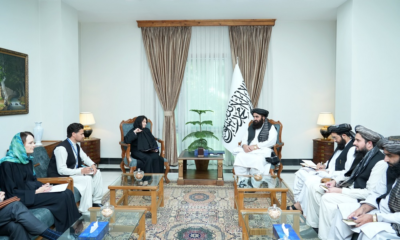


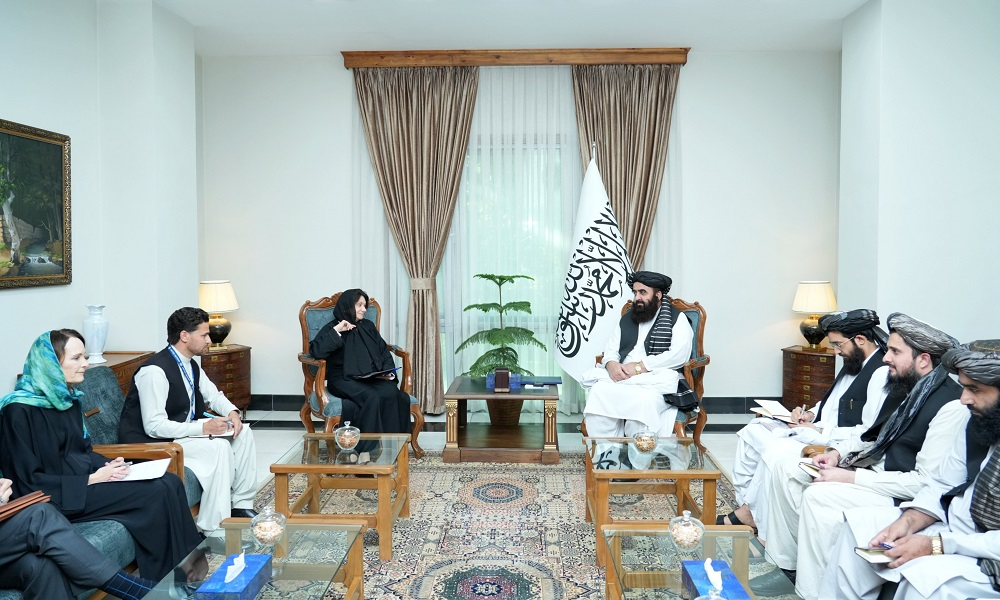
Amir Khan Muttaqi, Minister of Foreign Affairs of the Islamic Emirate, and Rosemary DiCarlo, UN Under-Secretary-General for Political and Peacebuilding Affairs, discussed the state of cooperation between Afghanistan and the United Nations, humanitarian assistance, and the needs of returning Afghan migrants.
According to a statement from the Ministry of Foreign Affairs, the two sides emphasized the importance of joint and coordinated efforts for the sustainable reintegration of returnees.
Afghanistan’s needs in the areas of climate change and water, increased cooperation in these sectors, and the regional situation were also among the topics discussed.
The two sides also exchanged views on ways to identify new opportunities within the framework of the Doha Process.
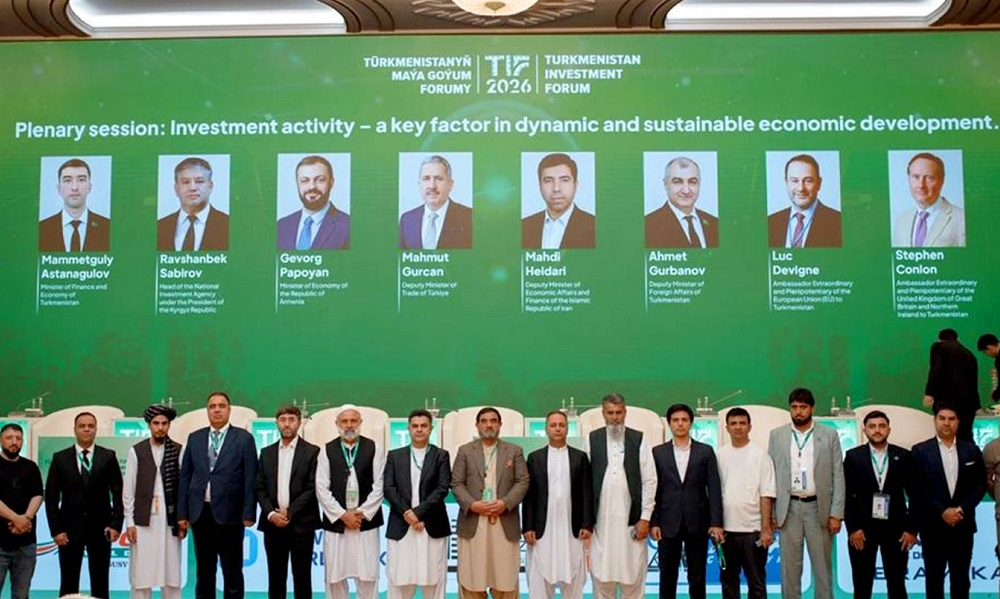
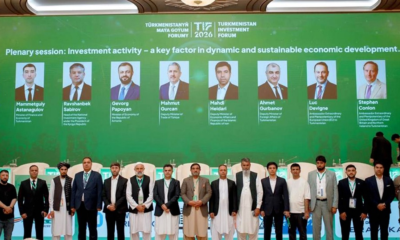
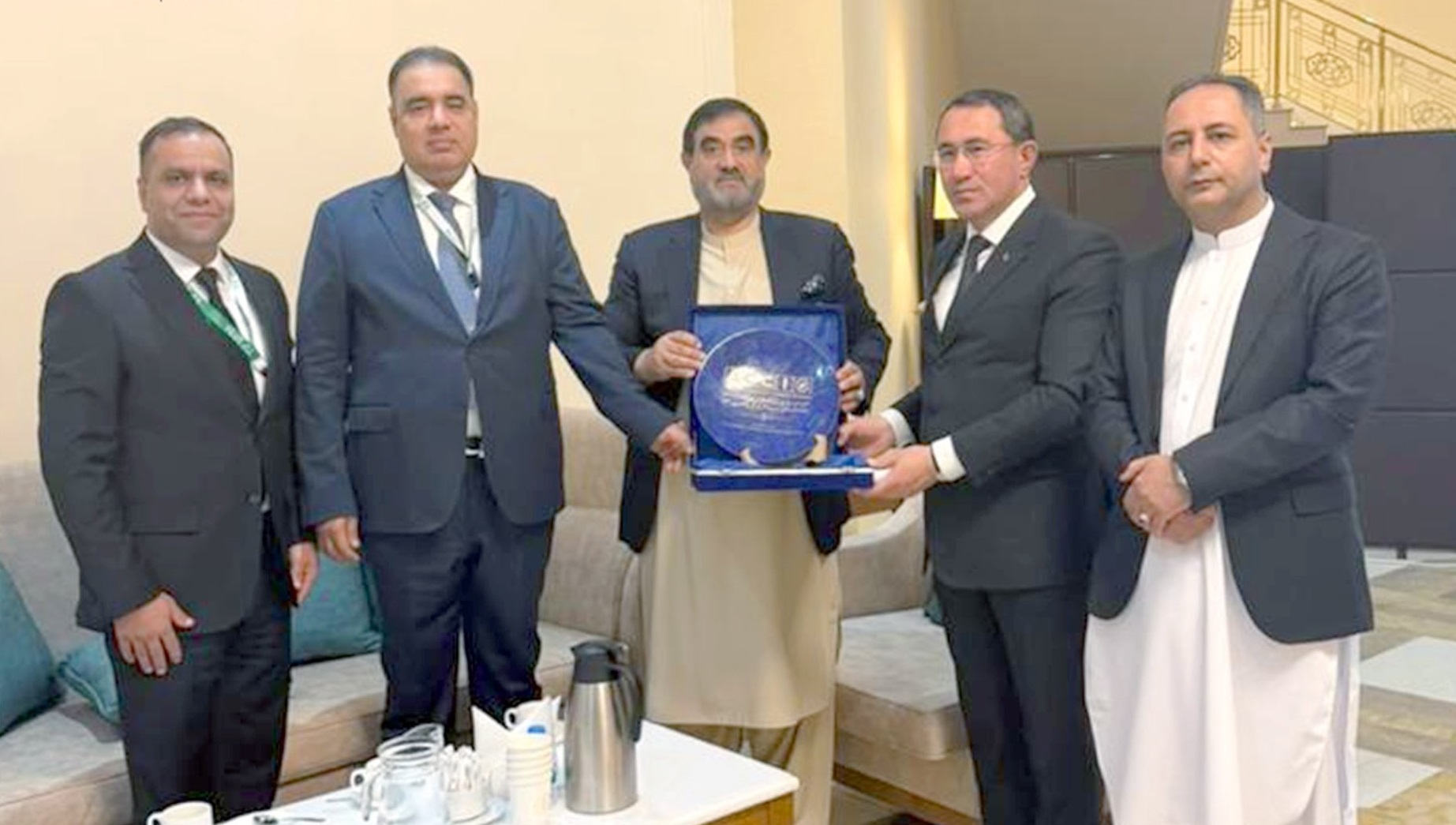
A delegation from the Afghanistan Chamber of Commerce and Investment (ACCI), led by Director General Sayed Karim Hashemi, attended the Third Turkmenistan Investment Forum in Ashgabat on October 1, 2026.
The forum was held at the invitation of Turkmenistan’s Ministry of Economy and brought together official delegations, economic and commercial institutions, traders, and investors from several countries.
According to the ACCI, participants discussed investment opportunities, economic potential, and ways to expand trade and economic cooperation among participating countries.
The chamber said its delegation used the forum to present Afghanistan’s economic potential, explore investment opportunities, expand export markets, and strengthen trade and economic ties with Turkmenistan and other countries in the region.
On the sidelines of the forum, Hashemi invited the Chairman of the Chamber of Commerce and Industry of Turkmenistan to visit Afghanistan at the head of a trade and economic delegation.
The invitation was welcomed, and the two sides agreed that the Turkmenistan chamber chief would visit Afghanistan in November 2026.
Latest News
Iran’s Qaani: We must strengthen the belt of defense and dignity from Afghanistan to Yemen
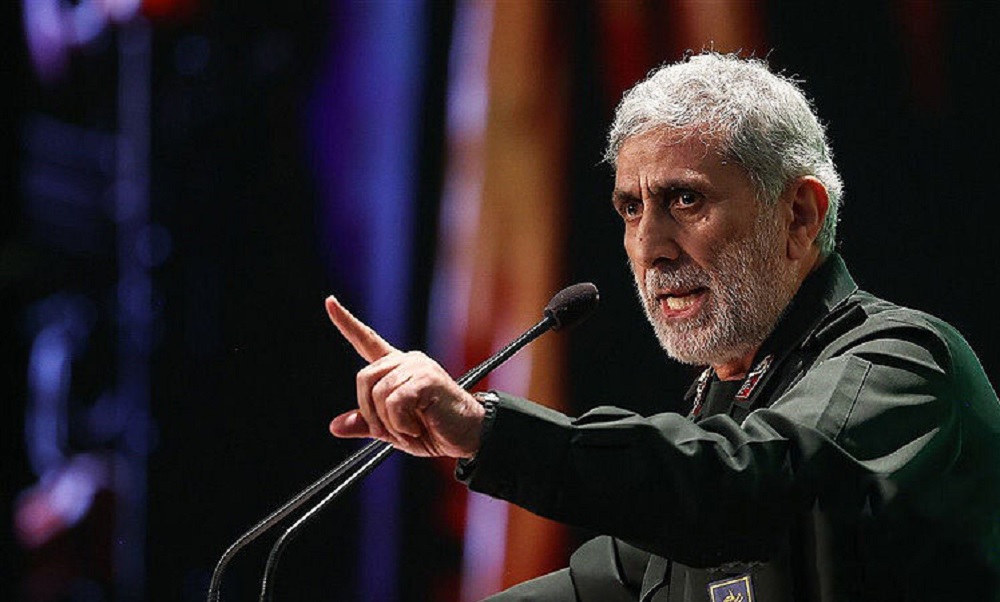
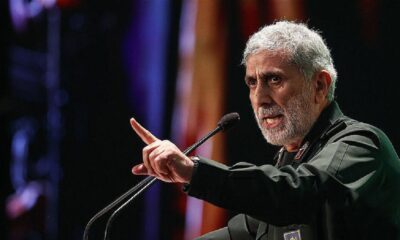
Esmail Qaani, commander of Iran’s Islamic Revolutionary Guard Corps Quds Force, has called for strengthening what he described as a “belt of defense, independence and dignity” from Afghanistan to Yemen.
Speaking at a ceremony in Tehran on Thursday, Qaani said: “We must strengthen the belt of defense, independence and dignity from Afghanistan to Yemen, and from Iran to Gaza and Lebanon, across the Muslim world.”
He also claimed that the so-called “resistance axis” continues on its path despite the killing of a number of its commanders.
The Quds Force commander further claimed that the United States had been expelled from Iraq despite its extensive capabilities and equipment, and had suffered a defeat against Iran.
Qaani added that the U.S. had believed it could force Iran to surrender within four days or, at most, two weeks, but instead faced circumstances that were different from its calculations.


Tahawol: Escalation of internal political crisis in Pakistan discussed

Saar: Continuation of crisis in the Middle East discussed

Muttaqi and DiCarlo discuss Afghanistan-UN cooperation

Afghanistan chamber delegation attends Turkmenistan Investment Forum

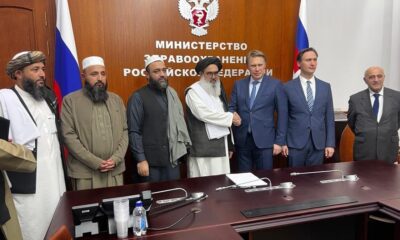
Afghan, Russian health ministers discuss cooperation

Saudi energy group signs major Afghanistan deals covering gas exploration and pipeline plans

Khalilzad: Afghanistan ready to attract major investment

Khyber Chamber demands reopening of Torkham crossing

Messi returns to Inter Miami after Argentina retirement

Imam Abu Hanifa exhibition to draw exhibitors from more than 20 countries
Tahawol: Escalation of internal political crisis in Pakistan discussed
Saar: Continuation of crisis in the Middle East discussed

Tawsia: Review of three key economic developments in Afghanistan

Tahawol: Pakistan’s airstrikes on civilians in Afghanistan discussed

Tahawol: Improvement in Afghanistan-China relations discussed
-
 Regional5 days ago
US, Iran separately talk with mediators in latest bid to end war
-
 Regional4 days ago
US imposes sanctions on 13 tied to Iran weapons procurement
-
 Latest News2 days ago
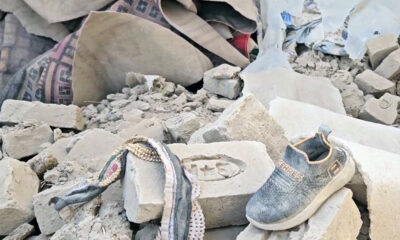
Four members of one family killed in Helmand in Pakistan airstrike
-

 Sport4 days ago
Istiqlal Kabul beat Khurasan Faryab 2-0 with late goals
-

 Sport4 days ago
Afghanistan Champions League: Toofan Herat and Aino Mina Kandahar draw 1-1
-

 Climate Change4 days ago
Afghanistan on climate front line as Kabul faces groundwater warning
-
 Latest News4 days ago
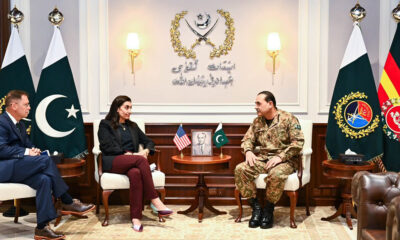
US Afghanistan War Commission meets Asim Munir over Pakistan’s role in conflict
-
 Business4 days ago
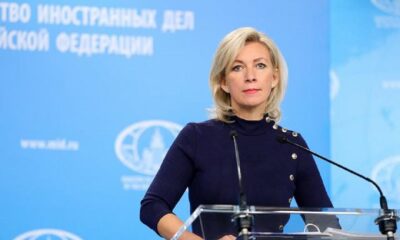
Russia accuses West of double standards over deportation of Afghans