
Latest News
Rubio says US will not govern Venezuela, rejects comparisons to Iraq and Afghanistan
Rubio dismissed those comparisons, saying the situation in Venezuela is fundamentally different. “This is not the Middle East,” he said. “This is the Western Hemisphere, and our mission here is very different.”

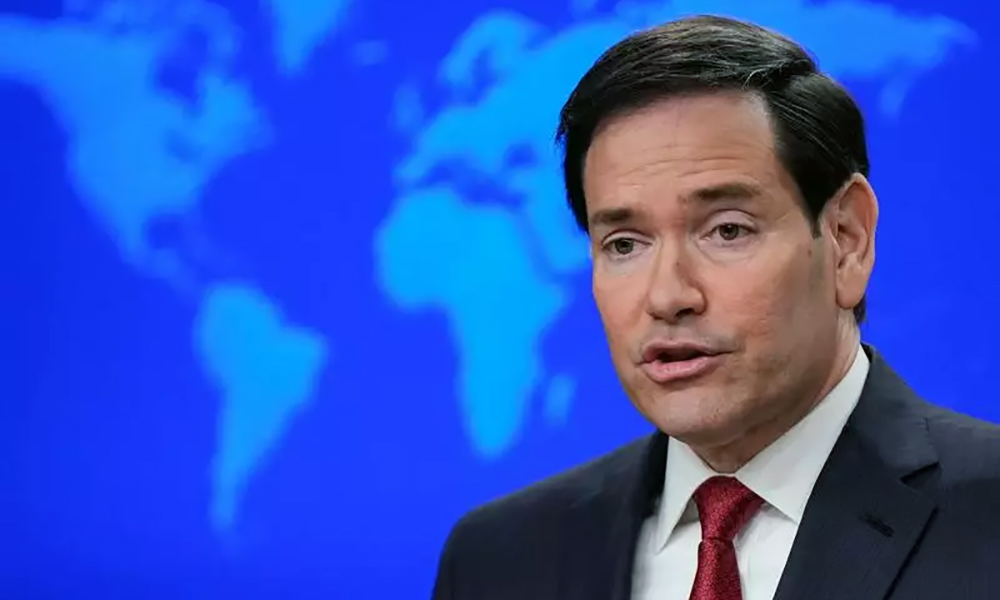
US Secretary of State Marco Rubio said Washington does not plan to govern Venezuela or engage in long-term nation-building, seeking to calm concerns that recent US actions could lead to a prolonged foreign intervention similar to those in Iraq or Afghanistan.
Speaking on US television on Sunday, Rubio said the United States’ role would be limited primarily to enforcing an existing “oil quarantine” on Venezuela following the removal of longtime leader Nicolás Maduro. His remarks came a day after President Donald Trump said the United States would be “running” Venezuela, comments that prompted widespread debate at home and abroad.
Rubio said the president’s comments had been misinterpreted and stressed that Washington does not intend to administer the country or manage its daily affairs. Instead, he said, the US would continue applying economic and political pressure to influence policy changes in Caracas.
On CBS’s Face the Nation, Rubio said the oil quarantine—implemented before Maduro’s removal—would remain in place. “We continue with that quarantine, and we expect to see changes, not just in the way the oil industry is run for the benefit of the people, but also to stop drug trafficking,” he said.
Rubio added that the US would maintain its blockade of sanctioned oil tankers, some of which have been seized, describing the measures as “tremendous leverage.” He said the pressure would remain until Washington sees changes it believes serve US interests and improve conditions for Venezuelans.
Venezuelan officials have rejected the US position and called for Maduro’s release. Legal experts have also questioned the legality of some US actions, including military strikes on vessels accused of drug trafficking, warning they could push the boundaries of international law.
Trump’s repeated references to “running” Venezuela have drawn criticism from Democrats and unease among some Republicans, particularly supporters of the “America First” movement who oppose overseas interventions. Analysts have also drawn comparisons to past US involvement in Iraq and Afghanistan.
Rubio dismissed those comparisons, saying the situation in Venezuela is fundamentally different. “This is not the Middle East,” he said. “This is the Western Hemisphere, and our mission here is very different.”
The situation continues to attract international scrutiny as the United States seeks to maintain pressure on Venezuela while assuring allies and domestic audiences that it does not intend to embark on another long-term foreign intervention.





Latest News
Japan contributes $2.08 million to World Bank Trust Fund for Afghanistan
Japan has remained one of the major donors to Afghanistan’s humanitarian and development efforts.
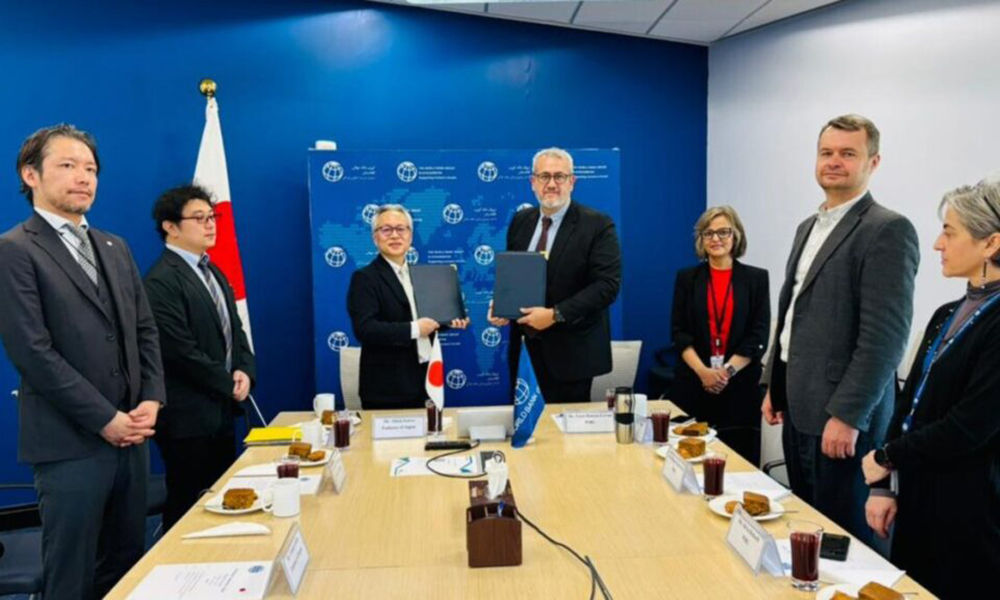
Japan has signed a $2.08 million contribution agreement with the World Bank to support humanitarian and livelihood programs in Afghanistan, its diplomatic mission in Kabul said on Sunday.
The funding will be channeled through the Afghanistan Reconstruction Trust Fund (ARTF), a multi-donor trust fund administered by the World Bank that finances essential services and development programs in the country.
In a statement, Japan said the contribution is intended to support people in need and promote livelihoods among vulnerable Afghans, including women and young people.
“Japan stands with the Afghan people,” the statement said.
Japan has remained one of the major donors to Afghanistan’s humanitarian and development efforts.
Latest News
Mujahid: Afghanistan will target perpetrators, not civilians
In an interview with Ariana News, Mujahid claimed that a specific military circle within Pakistan is behind the latest tensions.
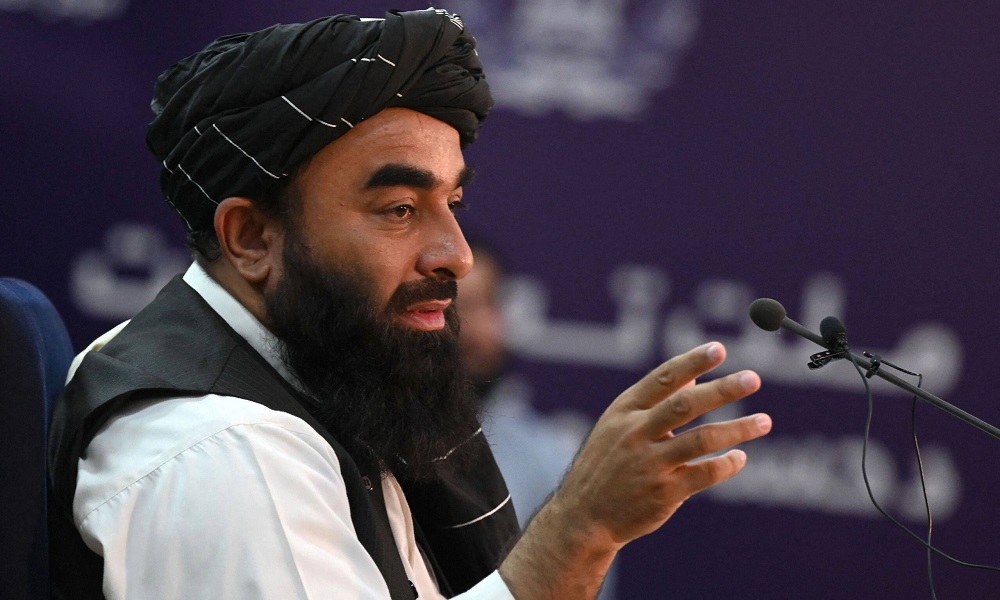
Zabihullah Mujahid, spokesman for the Islamic Emirate of Afghanistan, has warned that Pakistan’s recent actions will not go unanswered, stating that Afghan forces would target those directly responsible rather than civilians.
In an interview with Ariana News, Mujahid claimed that a specific military circle within Pakistan is behind the latest tensions.
He accused the group of acting on directives from external backers to carry out attacks and undermine relations between the two countries.
Mujahid emphasized that the Islamic Emirate distinguishes between civilians and those engaged in military operations, asserting that its response would be directed only at individuals responsible for what he described as crimes.
“We must make it clear that unlike Pakistan, we do not target civilians. Our target is the real criminals — Pakistani military personnel responsible for these acts,” he said.
This comes in the wake of airstrikes early Sunday morning on Nangarhar and Paktika provinces, which have sharply escalated tensions between Afghanistan and Pakistan.
Pakistani officials say the strikes targeted militant hideouts along the border, describing them as intelligence-based operations against armed groups accused of carrying out attacks inside Pakistan.
Islamabad has repeatedly blamed Tehrik-e-Taliban Pakistan (TTP) fighters for a surge in violence and has alleged that such groups operate from Afghan territory.
Afghan authorities, however, have condemned the strikes as a violation of the country’s sovereignty, reporting civilian casualties and damage to residential areas.
Officials in Kabul say the attacks have further strained already fragile relations between the two neighbors.
Cross-border tensions have flared repeatedly in recent years over security concerns, militant activity, and disputes along the disputed Durand Line. Diplomatic engagements and temporary de-escalation efforts have so far failed to produce a lasting solution, leaving the border region volatile and prone to renewed confrontation.
Latest News
Kabul summons Pakistan’s envoy over deadly air strikes
An official protest note was formally handed over to the Pakistani ambassador in Kabul.
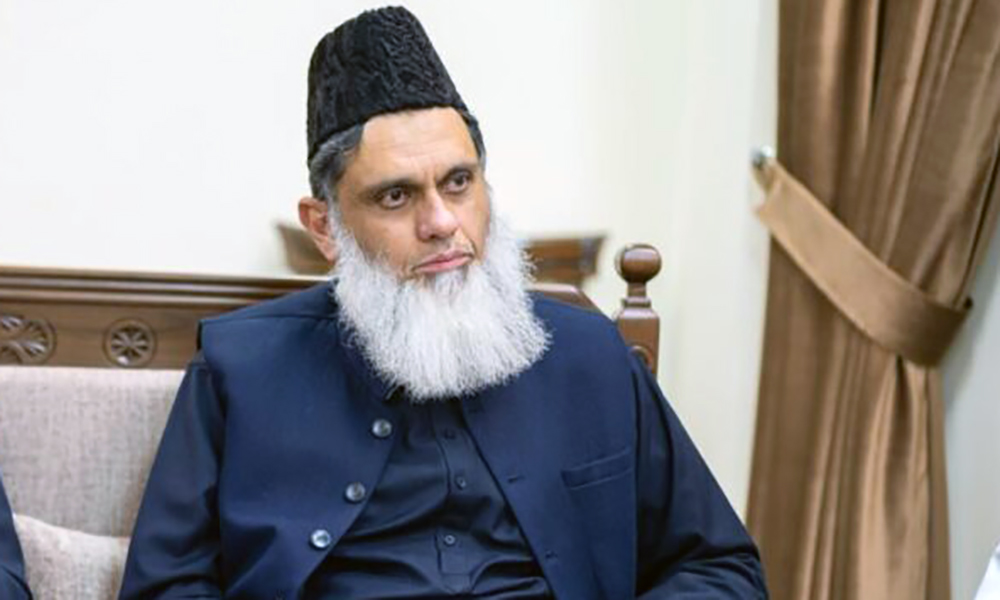
The Ministry of Foreign Affairs of the Islamic Emirate of Afghanistan (IEA) on Sunday summoned the envoy of Pakistan in Kabul to strongly protest against airstrikes carried out by Pakistan on Afghan territory earlier in the day.
According to the foreign ministry, the strikes targeted areas in Nangarhar and Paktika provinces, resulting in dozens of civilians killed and wounded.
An official protest note was formally handed over to the Pakistani ambassador in Kabul.
The ministry strongly condemned what it described as repeated violations of Afghanistan’s airspace and the bombing of civilian areas, calling the actions a clear breach of Afghanistan’s territorial integrity and a provocative move.
Afghan officials also warned that safeguarding national sovereignty and airspace is a religious and national responsibility of the Islamic Emirate, stressing that the consequences of such attacks would rest with the opposing side.


Saar: Pakistani military regime’s airstrikes on Afghanistan

Japan contributes $2.08 million to World Bank Trust Fund for Afghanistan

Mujahid: Afghanistan will target perpetrators, not civilians

Kabul summons Pakistan’s envoy over deadly air strikes

Nine killed, 35 injured in Afghanistan highway bus crush

AFC Futsal Asian Cup 2026: Day One Review

IEA releases three Pakistani soldiers to mark Ramadan

AFC Futsal Asian Cup: Afghanistan to face Iran in crucial Group D clash

Afghanistan’s Chief of Armed Forces underscores readiness and equipment for national defense

Afghanistan shine on Day Two of AFC Futsal Asian Cup Indonesia 2026
Saar: Pakistani military regime’s airstrikes on Afghanistan

Tahawol: US military review for attack against Iran discussed

Saar: Afghanistan’s expanding ties with Central Asia discussed

Tawsia: Calls for implementing development and infrastructure projects

Tahawol: Possibility of US military conflict with Iran reviewed
-
 Latest News4 days ago
Afghanistan’s Chief of Armed Forces underscores readiness and equipment for national defense
-
 Latest News3 days ago
Afghanistan welcomes investment and technology partnerships with India
-

 Sport3 days ago
Afghan Peaks founder climbs Aconcagua to promote Afghanistan’s mountain potential
-

 Latest News2 days ago
Indian customs seize Chinese walnuts falsely declared as Afghan
-

 Business3 days ago
Pakistan allows re-export of stranded Afghan transit cargo
-

 Latest News3 days ago
Pakistan signals possible air strikes as Kabul releases Pakistani soldiers in goodwill move
-
 Latest News2 days ago
Pakistan’s Punjab to send home 20 more Afghans in repatriation drive
-
 Business4 days ago
Afghanistan’s 2026 Development Framework meeting highlights self-reliance and economic stability