
Latest News
Study finds almost 80% of Afghan girls missing out on education

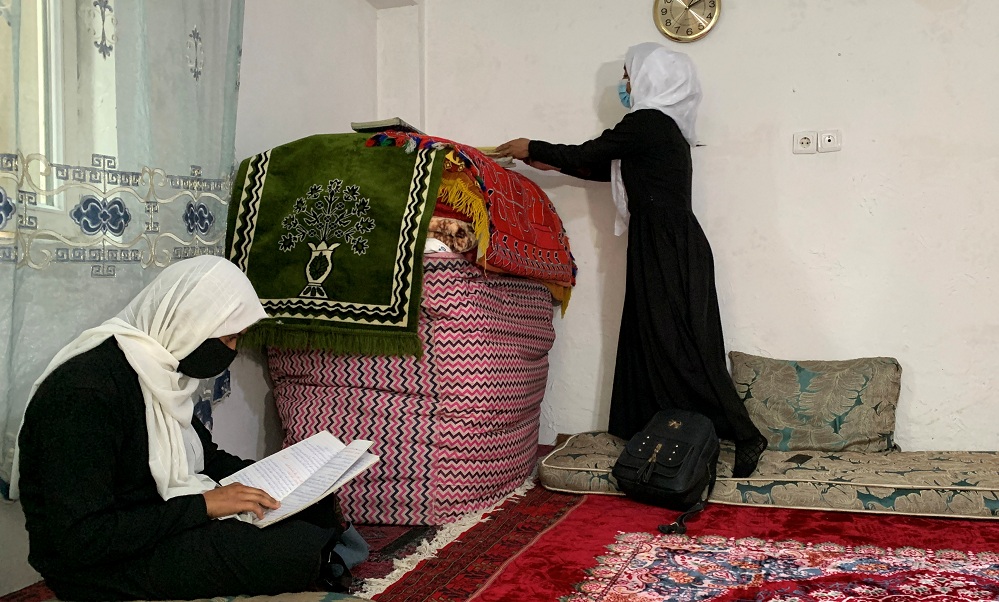
Almost 80% of Afghan girls are missing out on an education, Save the Children said Friday- almost a month after the Islamic Emirate of Afghanistan (IEA) issued a ban on teenage girls going to school.
A study by Save the Children, UNICEF and its Education Cluster partners has assessed who has returned to school in the past month across Afghanistan. The report shows the majority of secondary school girls – about 850,000 out of 1.1 million – are not attending classes.
Save the Children Afghanistan’s Acting Asia Regional Director, Olivier Franchi, said: “Girls were absolutely shattered last month when they arrived at classes – excited for the new school year – and were told to go home. Since then, Save the Children has spoken with girls who say they are depressed and heartbroken at being denied their fundamental right to learn.
“Education is a lifeline for all children, especially girls. Without it, they are at increased risk of violence, abuse, and exploitation, including early marriage. For the sake of girls’ survival in Afghanistan and for the future of the country, Save the Children is calling on the Taliban (IEA) to immediately allow girls of all ages to return to school. There is no issue – administrative, logistical or otherwise – that can possibly justify the continuation of a policy that denies girls access to their education.
“The international community also has an essential role to play and must continue to provide funding to support and protect girls who are still in school. The education system in Afghanistan is hanging by a thread and now is not the time to back away.”
Parvana (not her real name), 14, from Kabul province, is in grade seven. She hasn’t been able to attend formal schooling due to fears of violence but has instead been attending Save the Children-run community-based education classes. Parvana said: “When my brother was going to school and I couldn’t previously, I felt awful. All I wanted was to go to school, to study, to become someone in the future and make my family and the people from this area proud.
“Education is not only important for girls, but everyone should be educated. No one is born to stay at home. We are born to work hard, study and reach our goals.”
“These (Save the Children) classes can help girls left behind in their studies. Education is the most important thing in life. For my children, I hope they study and improve and get to live their dreams. For myself, I hope to become a good teacher and to serve the students of this society,” said one mother.
It’s estimated that almost 8 million school-aged children need support to access education right now in Afghanistan – an increase from 2.6 million compared to last year. Insecurity, poverty, cultural traditions, poor infrastructure, inadequate learning materials and a lack of qualified female and male teachers are continuing barriers to children accessing education.
To ensure children have still had access education during the last eight months, Save the Children has been running Community-Based Education classes and providing children and teachers with learning and classroom kits. The organisation has also been working with female secondary school graduates to support them to become teachers and to pass the university entrance exam.




Latest News
Guterres proposes 60 job cuts at UNAMA
Guterres also proposed an additional $3.2 million for the Independent Investigative Mechanism for Afghanistan, following its initial establishment phase in 2026.
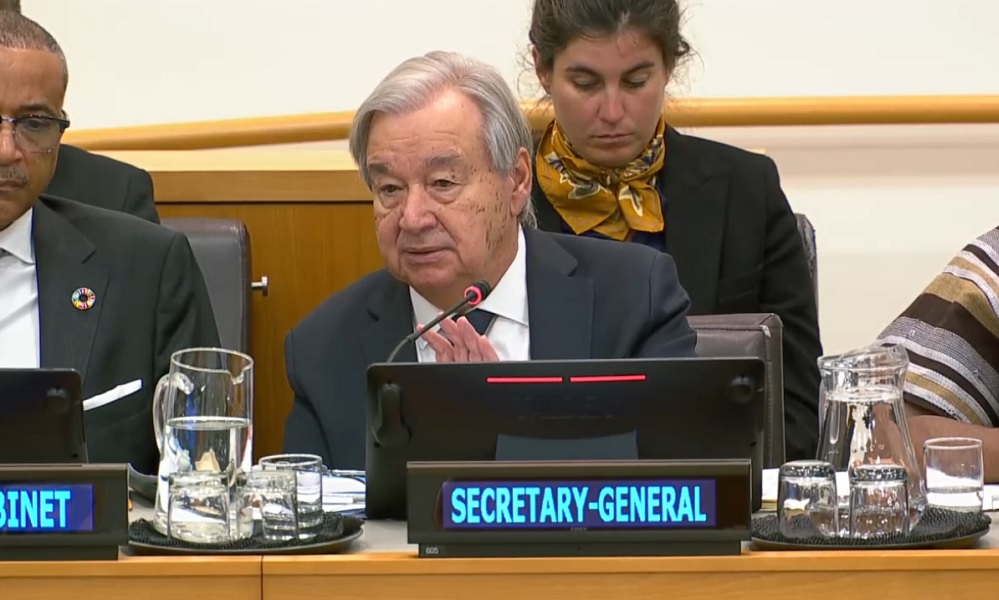
UN Secretary-General António Guterres has proposed reducing 60 posts at the United Nations Assistance Mission in Afghanistan (UNAMA) while allocating an additional $3.2 million to the Independent Investigative Mechanism for Afghanistan under the UN’s proposed 2027 programme budget.
Presenting the proposed budget to the General Assembly’s Fifth Committee, Guterres said the post reductions were part of broader adjustments to the UN’s special political missions and wider efforts to improve efficiency and align resources with the organization’s mandates.
The proposed budget includes a net reduction of seven posts across the relevant budget areas, following 116 post reductions, partly offset by the creation of 84 new posts and the conversion of 25 others. Of the proposed cuts, 60 posts are at UNAMA and 44 at the UN Integrated Office in Haiti.
Guterres also proposed an additional $3.2 million for the Independent Investigative Mechanism for Afghanistan, following its initial establishment phase in 2026.
He said the additional funding would support the mechanism’s operations through further staffing and non-staff resources.
The mechanism is intended to support investigations into serious international crimes committed in Afghanistan, in line with its mandate.
The proposed UN programme budget for 2027 amounts to $3.302 billion, excluding major construction projects in Nairobi and Geneva. Including those projects, the total rises to $3.408 billion, representing a reduction of about 1.2 percent, or $40.8 million, compared with the approved 2026 budget.
Guterres said the budget reflects the UN’s ongoing reform efforts to improve efficiency, strengthen accountability and ensure that resources are directed towards delivering its mandated programmes.
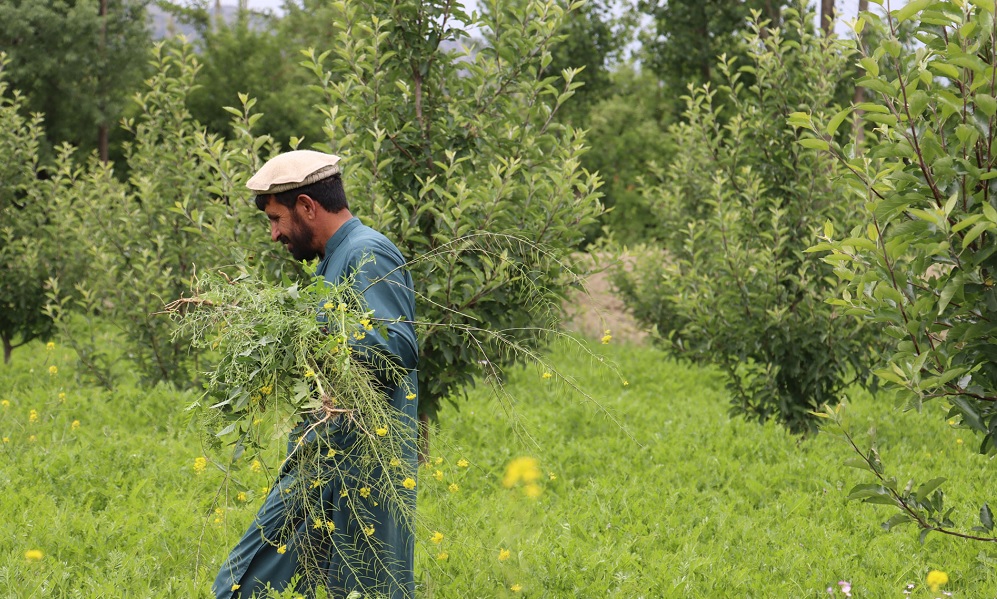
Farmers across Afghanistan are adopting innovative farming methods to conserve water, reduce post-harvest losses and increase household incomes, the Food and Agriculture Organization of the United Nations (FAO) says.
Ahead of World Food Day 2026, observed under the theme “Innovate today. Nourish tomorrow,” the FAO highlighted six initiatives helping communities address agricultural challenges, from water scarcity to food preservation.
In Kunduz, laser land-levelling technology is helping farmers improve irrigation and distribute water and fertilizer more evenly. Since 2025, the FAO has provided irrigation associations with shared access to the equipment and training, benefiting more than 23,000 farming families.
In Faryab, mushroom cultivation is creating income opportunities for women in water-scarce communities. One grower produces up to 40 kilograms a month, earning around 8,000 Afghanis from local sales. FAO-supported training and equipment are helping women expand production and access local markets.
In Paktia, farmers are combining fruit trees with alfalfa cultivation, providing livestock feed while orchards mature. The approach diversifies production, while soil and water conservation practices help protect farmland.
In Takhar, solar dryers are helping women preserve vegetables and fruit for winter consumption and sale. According to the FAO, households using the dryers reduced average post-harvest losses from about 26 percent to seven percent, while around one-quarter sold some of their dried produce.
In Bamyan, solar cookers are reducing reliance on firewood and shrubs, easing pressure on rangelands affected by drought and grazing. The initiative complements community efforts to restore vegetation and rehabilitate degraded land.
In Herat, naturally ventilated raisin-making houses are improving grape preservation and product quality. The FAO reports that drying time has fallen from around 30 days to 15 days, while post-harvest losses have dropped from 40–50 percent to 10–15 percent.
The organization has also supported storage facilities that preserve onions, apples and potatoes without powered refrigeration.
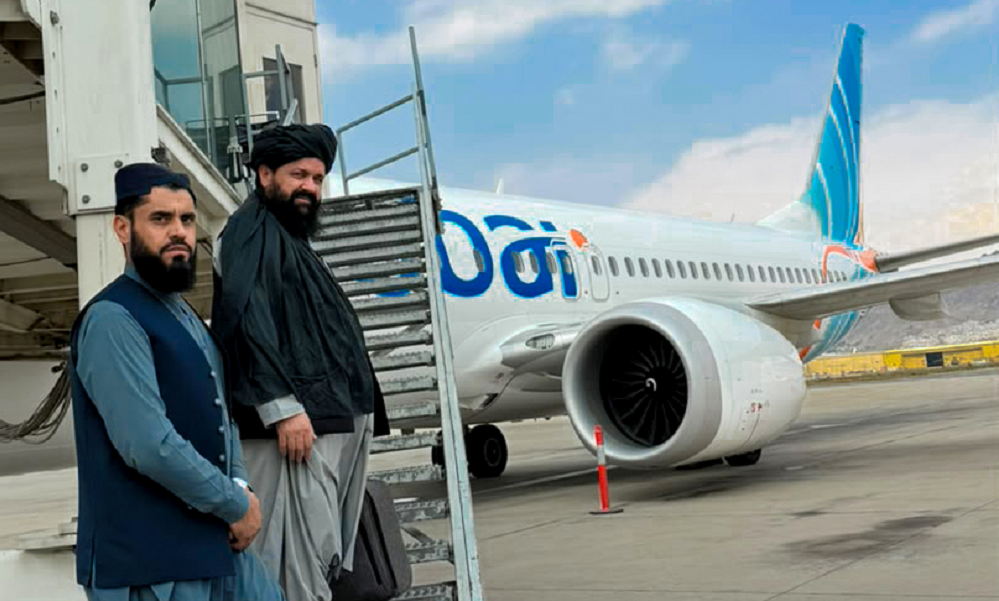
Abdul Karim Fateh, head of the Afghanistan Railway Authority, has travelled to Kazakhstan with a technical delegation to attend the 14th Ministerial Meeting on Transport of the Economic Cooperation Organization (ECO) which will be held in Astana on Thursday.
According to the authority, Fateh is expected to outline the current state of Afghanistan’s railway network, ongoing infrastructure projects and future development plans during the meeting.
He will also hold talks with representatives of ECO member states on expanding trade and transit, strengthening regional transport links and enhancing economic cooperation.
The authority said Afghanistan’s participation in the meeting is expected to help promote joint railway projects, attract investment and strengthen connectivity between Afghanistan and other ECO member states.


Afghan futsal coach: Brazil tournament is first step towards new goals and World Cup

Guterres proposes 60 job cuts at UNAMA

Afghan farmers adopt climate-resilient innovations to improve food security

Afghanistan railway chief heads to Kazakhstan for ECO meeting

Saudi Aramco administrative building attacked, limited fire reported

Cricket Bonanza: Afghanistan set for packed international schedule

New warnings reignite debate over AI threat to humanity

UN warns of mounting humanitarian and human rights pressures in Afghanistan

Afghanistan says 28 killed, 32 captured in Nuristan operation

CNN, MS NOW and Politico sue Trump, challenging White House ban

Tahawol: Warnings over worsening insecurity in Pakistan discussed

Saar: Concerns over potential return of US military bases to Afghanistan discussed

Tahawol: Kabul’s criticism of Islamabad’s policy toward Afghanistan

Saar: Pakistan deploying army in KP

Tahawol: EU appointing new envoy for Afghanistan
-
 Latest News4 days ago
Pakistan issues new directives for Afghan medical students and doctors
-
 Latest News4 days ago
Iranian lawmaker praises Afghanistan’s support, accuses Pakistan of ‘hypocrisy’
-
 World5 days ago
US imposes sanctions on ICC amid dispute over international prosecutions
-
 Regional3 days ago
Houthis warn airlines to avoid Saudi airports after deadly Riyadh attack
-
 Sport5 days ago
Bangladesh reach 317/8 on Day One against Afghanistan in Test match
-
 Latest News5 days ago
Afghanistan, Iran seek to expand trade and transit through western border crossings
-
 Latest News5 days ago
Kyrgyz President calls for continued regional support for Afghanistan
-
 Business4 days ago
Afghan-Austrian partnership aims to boost carpet exports to European markets