
Business
Trump says nations doing business with Iran face 25% tariff on US trade

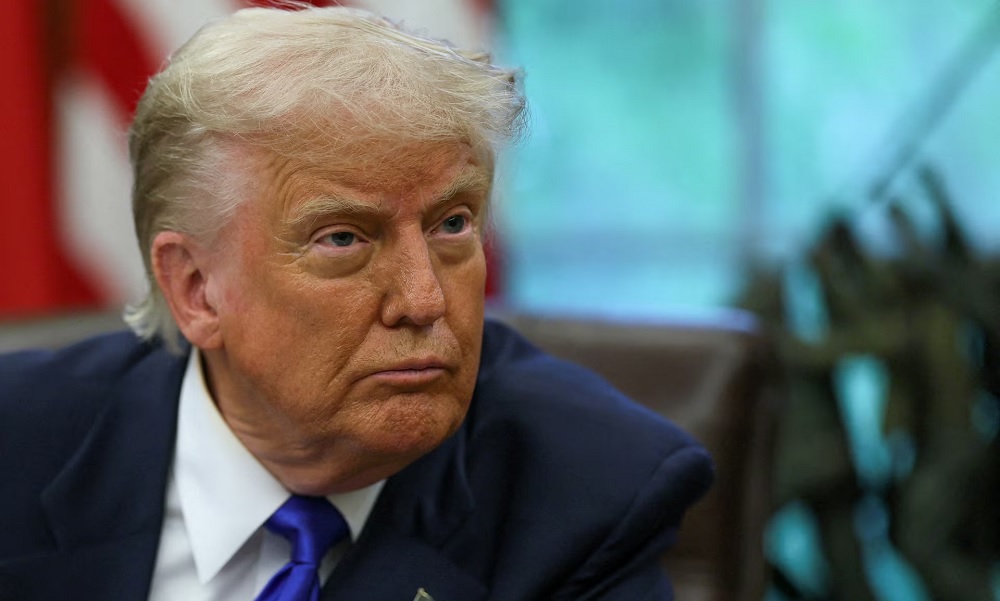
President Donald Trump said on Monday any country that does business with Iran will face a tariff rate of 25% on any trade with the U.S., as Washington weighs a response to the situation in Iran which is seeing its biggest anti-government protests in years.
“Effective immediately, any Country doing business with the Islamic Republic of Iran will pay a Tariff of 25% on any and all business being done with the United States of America,” Trump said in a post on Truth Social, Reuters reported.
Tariffs are paid by U.S. importers of goods from those countries. Iran, a member of the OPEC oil producing group, has been heavily sanctioned by Washington for years. It exports much of its oil to China, with Turkey, Iraq, the United Arab Emirates and India among its other top trading partners.
“This Order is final and conclusive,” Trump said without providing any further detail.
There was no official documentation from the White House of the policy on its website, nor information about the legal authority Trump would use to impose the tariffs, or whether they would be aimed at all of Iran’s trading partners. The White House did not respond to a request for comment.
The Chinese embassy in Washington criticized Trump’s approach, saying China will take “all necessary measures” to safeguard its interests and opposed “any illicit unilateral sanctions and long-arm jurisdiction.”
“China’s position against the indiscriminate imposition of tariffs is consistent and clear. Tariff wars and trade wars have no winners, and coercion and pressure cannot solve problems,” a spokesperson of the Chinese embassy in Washington said on X.
Iran, which had a 12-day war with U.S. ally Israel last year and whose nuclear facilities the U.S. military bombed in June, is seeing its biggest anti-government demonstrations in years.
Trump has said the U.S. may meet Iranian officials and that he was in contact with Iran’s opposition, while piling pressure on its leaders, including threatening military action.
Tehran said on Monday it was keeping communication channels with Washington open as Trump considered how to respond to the situation in Iran, which has posed one of the gravest tests of clerical rule in the country since the Islamic Revolution in 1979.
Demonstrations evolved from complaints about dire economic hardships to defiant calls for the fall of the deeply entrenched clerical establishment. U.S.-based rights group HRANA said it had verified the deaths of 599 people – 510 protesters and 89 security personnel – since the protests began on December 28.
While air strikes were one of many alternatives open to Trump, “diplomacy is always the first option for the president,” White House press secretary Karoline Leavitt said on Monday.
During the course of his second term in office, Trump has often threatened and imposed tariffs on other countries over their ties with U.S. adversaries and over trade policies that he has described as unfair to Washington.
Trump’s trade policy is under legal pressure as the U.S. Supreme Court is considering striking down a broad swathe of Trump’s existing tariffs.
Iran exported products to 147 trading partners in 2022, according to World Bank’s most recent data.



Business
Turkmenistan targets 80 billion cubic meters of gas production in 2026
The pipeline is designed to transport natural gas from Turkmenistan through Afghanistan to Pakistan and India, creating a potential source of energy supplies for the region.
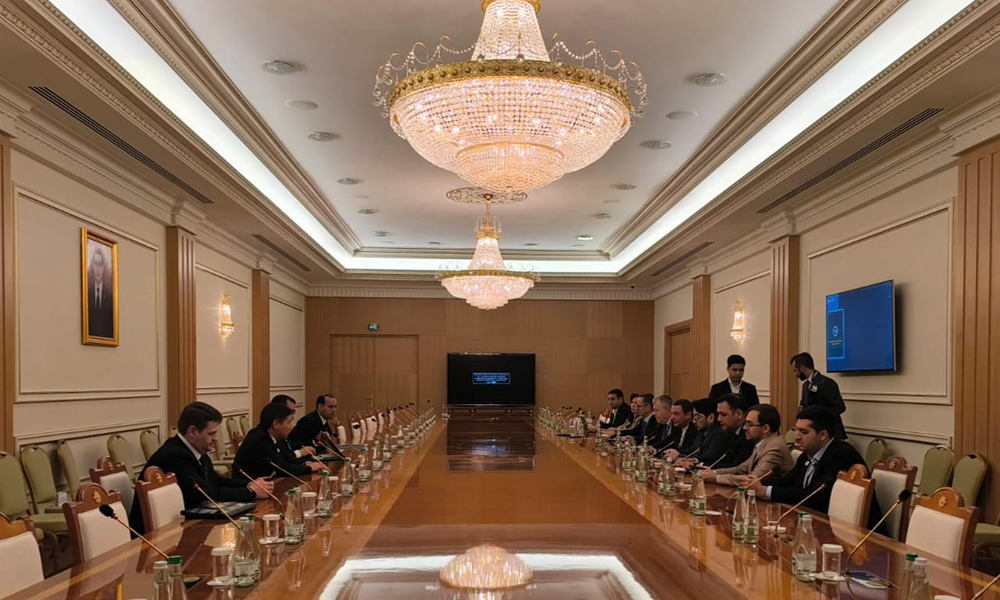
Turkmenistan plans to produce around 80 billion cubic meters of natural gas in 2026, while targeting the start of gas deliveries to Afghanistan through the Turkmenistan-Afghanistan-Pakistan-India (TAPI) pipeline by mid-2027, according to Turkmen officials.
Maksat Babayev, Turkmenistan’s minister of state and chairman of Turkmengaz, announced the production target at a press conference in Ashgabat on Friday, following the 31st International Conference and Exhibition “Oil and Gas of Turkmenistan” (OGT 2026), Trend News Agency reported.
Officials expect gas production to remain at around 80 billion cubic meters in 2027. Turkmenistan currently supplies approximately 40 billion cubic meters of gas to China and Uzbekistan.
The country also plans to increase oil production to eight million metric tons in 2026, up from 7.5 million metric tons last year.
TAPI Pipeline Deliveries Targeted for 2027
Turkmen officials said construction of the Serhetabat-Herat section of the TAPI pipeline is expected to be completed by the end of 2026, with gas deliveries to Afghanistan scheduled to begin by mid-2027. The timeline will partly depend on the readiness of the Afghan side.
The pipeline is designed to transport natural gas from Turkmenistan through Afghanistan to Pakistan and India, creating a potential source of energy supplies for the region.
Turkmenistan Seeks to Expand Gas Exports
Turkmenistan is also exploring the Trans-Caspian gas supply route and plans to expand production capacity through further development of the Galkynysh gas field.
Meanwhile, seven companies, including firms from Austria, Germany and Türkiye, have submitted bids to develop underground natural gas storage facilities. Officials said the evaluation process is nearing completion.
Turkmen officials also reported a 40% increase in participation at OGT 2026 compared with the previous year, with around 700 international delegates from 75 countries attending the event.
Business
IMF forecasts 1.3 percent regional economic contraction in 2026
However, it said the region’s economies could recover in 2027 if the conflict eases in early 2027 and regional trade gradually returns to normal.
The International Monetary Fund (IMF) has projected a 1.3 percent economic contraction across the Middle East, North Africa, Afghanistan and Pakistan in 2026, citing the economic impact of the U.S.-Israeli conflict with Iran.
In its Regional Economic Outlook report released Thursday in Dubai, the United Arab Emirates, the IMF revised its forecast downward by about three percentage points compared with its April projection.
The fund said disruptions to energy production, shipping, trade and tourism caused by the conflict are expected to weigh on regional economic activity.
According to the report, all Gulf Cooperation Council member states, except Oman, are projected to experience economic contractions this year. Bahrain, Kuwait and Qatar are expected to record double-digit declines in economic output.
The IMF warned that the regional economic outlook remains highly uncertain. However, it said the region’s economies could recover in 2027 if the conflict eases in early 2027 and regional trade gradually returns to normal.
Business
Pakistan exporters suffer billions in losses as Afghanistan trade halt continues
Pakistan’s pharmaceutical sector is among the industries affected by the trade suspension, with Afghanistan serving as one of its major export destinations.
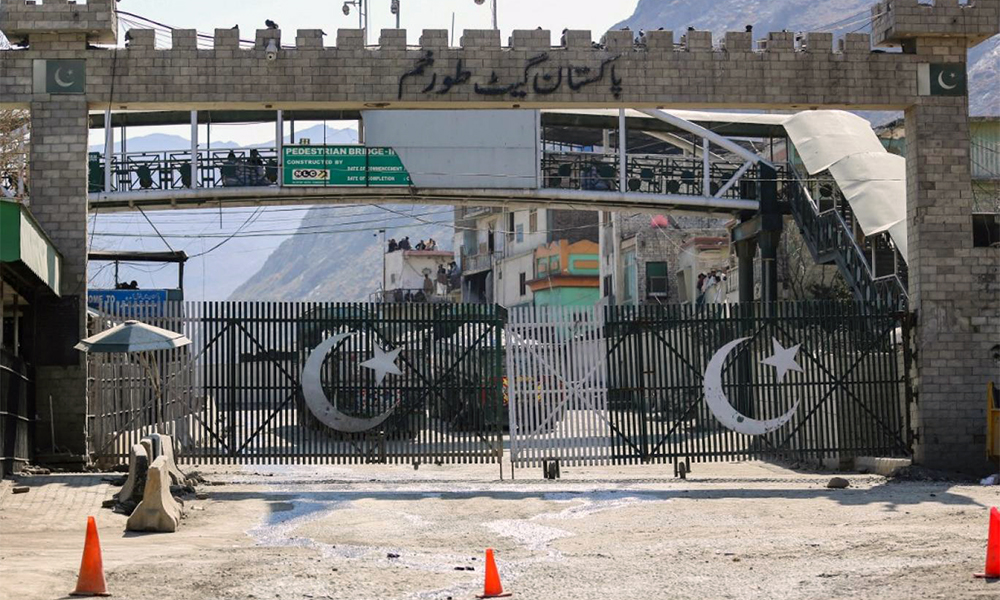
Pakistani exporters are facing mounting financial losses, stranded shipments and sharply rising transportation costs as the suspension of trade with Afghanistan continues to disrupt access to key regional markets.
Trade between the two countries was halted in October 2025 following deadly clashes along their shared crossing. According to business groups cited in a report by CNA, more than $2.5 billion in trade has been lost since the suspension began.
Islamabad has accused militants based in Afghanistan of carrying out attacks inside Pakistan, allegations rejected by the Islamic Emirate of Afghanistan (IEA).
The prolonged disruption has affected pharmaceutical manufacturers, agricultural exporters, transport companies and businesses that depend on Afghanistan as a gateway to Central Asian markets.
Pharmaceutical Industry Faces Mounting Losses
Pakistan’s pharmaceutical sector is among the industries affected by the trade suspension, with Afghanistan serving as one of its major export destinations.
Junaid Altaf, chief executive of Fedro Pharmaceuticals in Peshawar, told CNA that approximately 70 percent of the medicines packaged at his factory were intended for Afghanistan and Central Asia.
He said the border closure left the company with pending orders, unfinished production and packaging materials that could no longer be used in their intended markets.
Packaging prepared in Persian and other region-specific languages became redundant, adding to the company’s financial losses.
Fedro is now attempting to expand domestic sales to compensate for the decline in exports.
Food and agricultural exporters have also reported substantial setbacks.
Manzoor Ellahi, chief executive and managing partner of MM Ellahi Traders, which exports rice, meat, citrus fruits and potatoes, said Afghanistan and Central Asia previously accounted for 80 percent of his company’s revenue. That share has since fallen to around five percent.
Alternative Routes Drive Up Shipping Costs
With trade through major crossings disrupted, Pakistani exporters have increasingly explored alternative routes to reach Central Asian markets, including transportation through Iran.
However, these alternatives involve longer transit times, higher costs and additional logistical challenges.
Muhammad Naeem, a Pakistani exporter, told CNA that shipments previously travelled from Pakistan through the Torkham crossing to Uzbekistan in approximately one week, costing between $2,000 and $3,000.
Transporting goods through Iran now takes nearly six weeks and costs an estimated $10,000 to $13,000, he said.
The longer journeys also increase the risk of perishable goods spoiling or products reaching their destinations after their expiration dates, potentially forcing exporters to discard entire shipments.
The disruption has also affected transport infrastructure and related businesses. A truck depot in Peshawar that previously handled 40 to 50 trucks a day transporting goods to Afghanistan has reportedly seen operations grind to a halt.
Security Disputes Continue to Block Trade
Pakistan has maintained that trade will not resume unless the IEA administration takes action against militants Islamabad accuses of operating from Afghan territory.
The Islamic Emirate denies the allegations, while continuing tensions have complicated efforts to restore normal commercial relations between the neighbouring countries.
Analysts warn that prolonged trade restrictions could further weaken Pakistan’s export performance at a time when the country is seeking to strengthen its foreign exchange reserves under an International Monetary Fund programme.
Vaqar Ahmed, research director at the international economic research network Partnership for Economic Policy, cautioned against allowing political disputes to undermine commercial activity.
He also highlighted concerns about Pakistan’s export performance and the need to strengthen its foreign exchange position.
Business Groups Call for Dialogue
Pakistani business groups have urged Islamabad and Kabul to resolve their differences through negotiations and restore trade.
The continuing suspension has affected not only exporters but also workers, customs clearance agents, transport operators and other businesses linked to regional commerce.
For Afghanistan, the disruption has further complicated access to established trade and transit routes through Pakistan. For Pakistani exporters, it has meant losing access to an important neighbouring market while facing higher costs to reach destinations farther into Central Asia.
Despite calls from business representatives for a negotiated solution, there are few clear signs that the trade impasse will end soon.

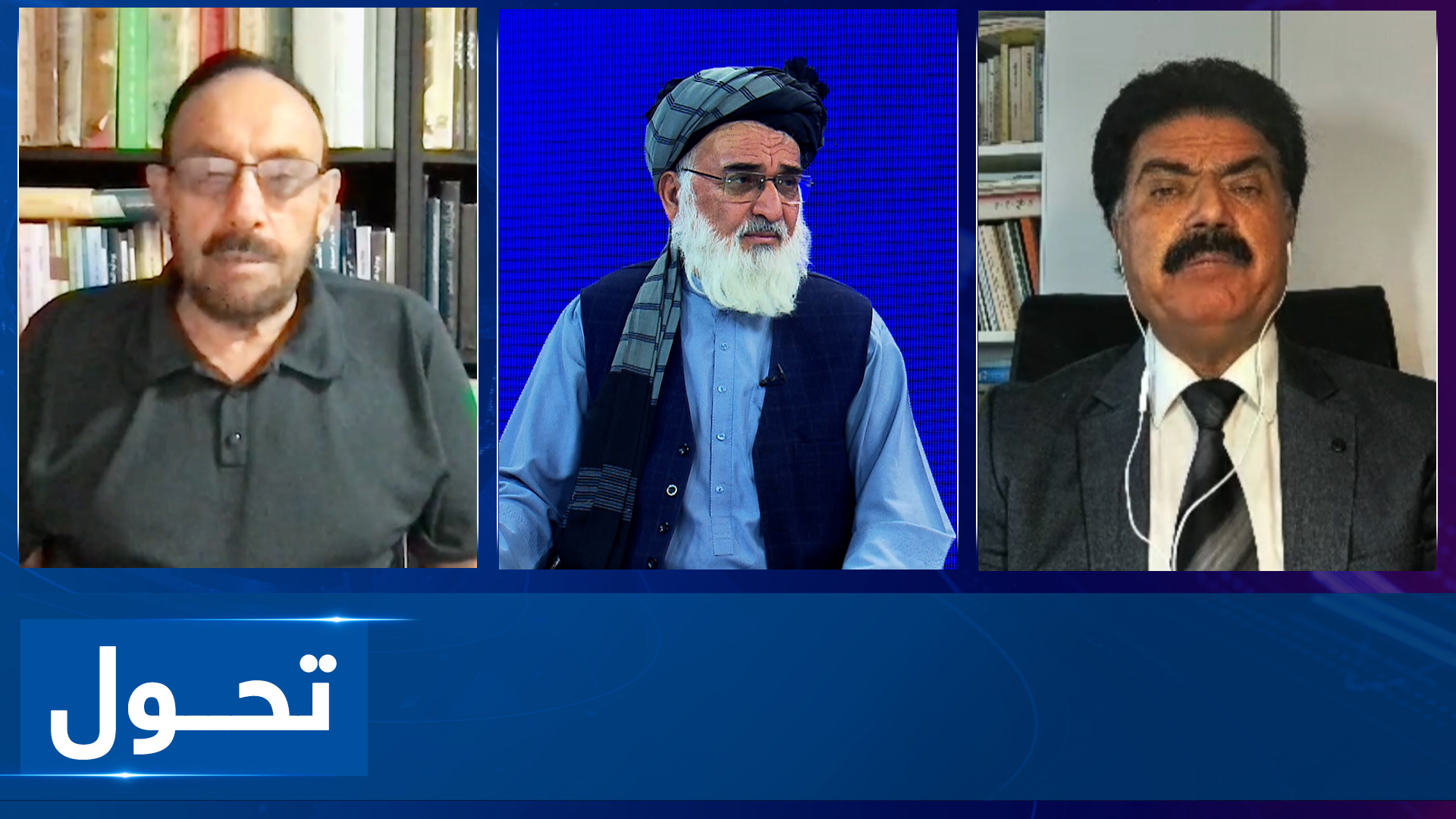
Tahawol: UN’s role in tackling global crises discsused

ACL: Arman FC rally late but fall 3–2 to Sorkh Poshan Khafi
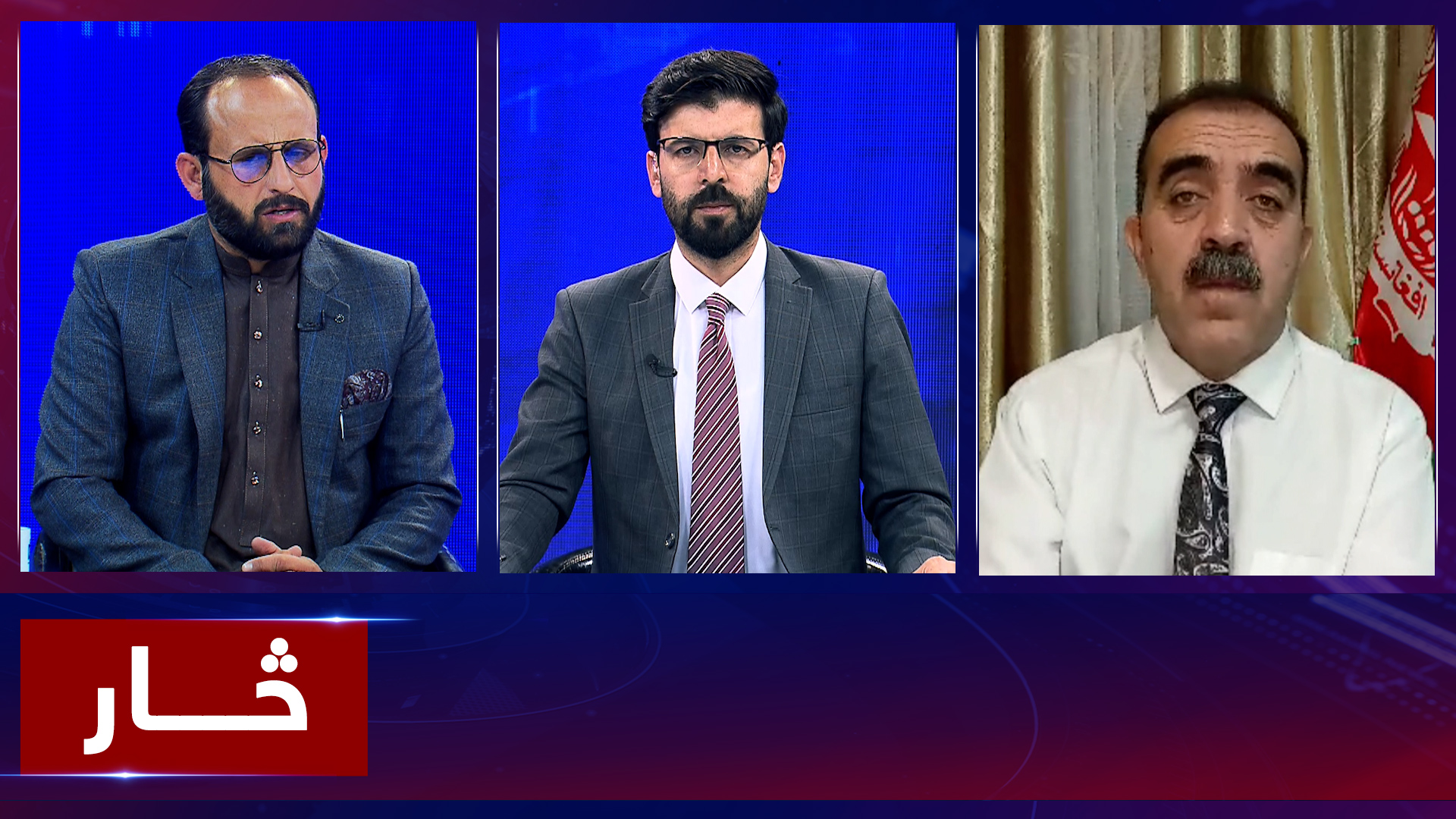
Saar: Pakistan’s blame on Kabul for its own failures discussed

Toofan Herat secure narrow win over Ariana Khost in ACL season six
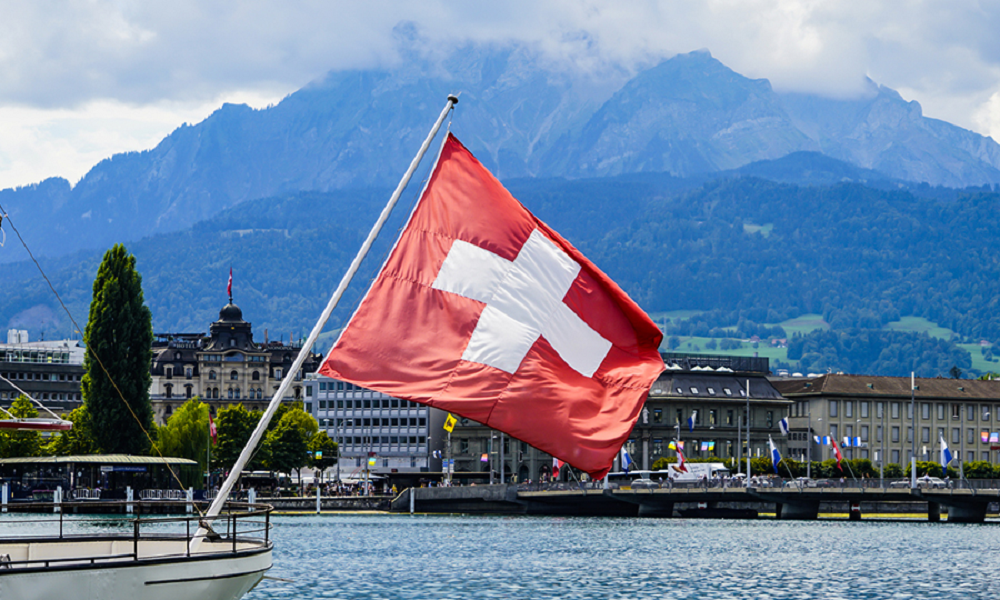
Switzerland cooperated with IEA to deport Afghan refugees: Report

Cricket Bonanza: Afghanistan set for packed international schedule

Afghanistan says 28 killed, 32 captured in Nuristan operation

Afghanistan on climate front line as Kabul faces groundwater warning

ACB announces Afghanistan squads for Bangladesh, Zimbabwe series

Trump rejects Iranian proposal to open Hormuz and end fighting
Tahawol: UN’s role in tackling global crises discsused
Saar: Pakistan’s blame on Kabul for its own failures discussed

Tawsia: New opportunities in Afghanistan’s energy, trade and agriculture sectors discussed

Exclusive interview with Ali Bilal, runner-up in Mr. Olympia Men’s Physique category

Tahawol: Doha meeting and Afghanistan’s political and economic future discussed
-
 Latest News2 days ago
Afghanistan’s new Wakhan road to China faces major hurdles
-
 Latest News4 days ago
Russian troops arrive in Uzbekistan for joint military exercises
-
 Latest News4 days ago
Qatar calls for shift from humanitarian aid to economic recovery in Afghanistan
-
 Latest News5 days ago
Trump blames migrants for violence in France as US midterms loom
-
 World4 days ago
Governments warn citizens over security risks in France after riots
-

 Science & Technology3 days ago
Governments take websites offline as critical cyber flaws trigger global alert
-

 Sport5 days ago
Atal’s century and Rashid’s four wickets seal Afghanistan’s 158-run win over Zimbabwe
-
 Business4 days ago
Transit of Afghan goods through Sheikh Abu Nasr Farahi border crossing doubles