
Latest News
Trump signs order lifting sanctions on Syria, White House says
Some in Congress are pushing for the measures to be totally repealed, while Europe has announced the end of its economic sanctions regime.


President Donald Trump signed on Monday an executive order terminating a U.S. sanctions program on Syria, allowing an end to the country’s isolation from the international financial system and building on Washington’s pledge to help it rebuild after a devastating civil war, Reuters.
The move will allow the U.S. to maintain sanctions on Syria’s ousted former president Bashar al-Assad, his associates, human rights abusers, drug traffickers, people linked to chemical weapons activities, the Islamic State and ISIS affiliates and proxies for Iran, White House spokeswoman Karoline Leavitt told reporters in a briefing.
Assad was toppled in December in a lightning offensive by Islamist-led rebels and Syria has since taken steps to re-establish international ties.
Syrian Foreign Minister Asaad al-Shibani said Trump’s termination of the Syria sanctions program would “open door of long-awaited reconstruction and development,” according to a post by the foreign minister on social media platform X.
He said the move would “lift the obstacle” against economic recovery and open the country to the international community.
Syria’s President Ahmed al-Sharaa and Trump met in Riyadh in May where, in a major policy shift, Trump unexpectedly announced he would lift U.S. sanctions on Syria, prompting Washington to significantly ease its measures.
Some in Congress are pushing for the measures to be totally repealed, while Europe has announced the end of its economic sanctions regime.
“Syria needs to be given a chance, and that’s what’s happened,” U.S. Special Envoy for Syria Thomas Barrack told reporters in a briefing call. He described Monday’s move as “the culmination of a very tedious, detailed, excruciating process of, how do you unwrap these sanctions.”
The White House in a fact sheet said the order directs the Secretary of State to review the terrorism designations of Hayat Tahrir al-Sham, a rebel group that Sharaa led that has roots in al Qaeda, as well as Syria’s designation as a state sponsor of terrorism, read the report.
The White House said the administration would continue to monitor Syria’s progress on key priorities including “taking concrete steps toward normalizing ties with Israel, addressing foreign terrorists, deporting Palestinian terrorists and banning Palestinian terrorist groups.”
A Reuters investigation published on Monday revealed the role of Syrian government forces in the killing of more than 1,500 Syrian Alawites over three days of massacres along the country’s Mediterranean coast in March. The Trump administration had no comment on the Reuters report.
It was not immediately clear if Washington was lifting the sanctions on any of the factions that Reuters found were involved.
Syrians hope the easing of sanctions will clear the way for greater engagement by humanitarian organizations working in the country, encouraging foreign investment and trade as it rebuilds.
In the aftermath of Trump’s announcement in May, the U.S. Treasury Department issued a general license that authorized transactions involving the interim Syrian government as well as the central bank and state-owned enterprises, Reuters reported.
However, the U.S. has imposed layers of sanctions against Syria, some of which are authorized by legislation, including the Caesar Act. Repealing the measures is necessary for Syria to attract long-term investment without parties fearing the risk of violating U.S. sanctions.
“We are now, pursuant to the executive order, going to look at suspension criteria for the Caesar Act,” a senior administration official said.
Most of the U.S. sanctions on Syria were imposed on Assad’s government and key individuals in 2011 after civil war erupted in the country.
The dismantling of the U.S. sanctions program on Syria includes terminating from Tuesday a national emergency declared in 2004 and revoking linked executive orders, according to the order signed on Monday.
The executive order also directs additional actions, including some with respect to waivers of export controls and other restrictions, the order read.

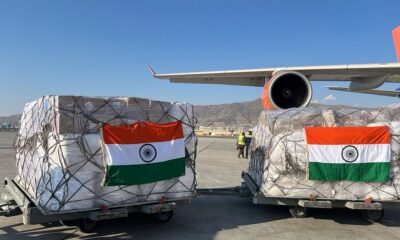




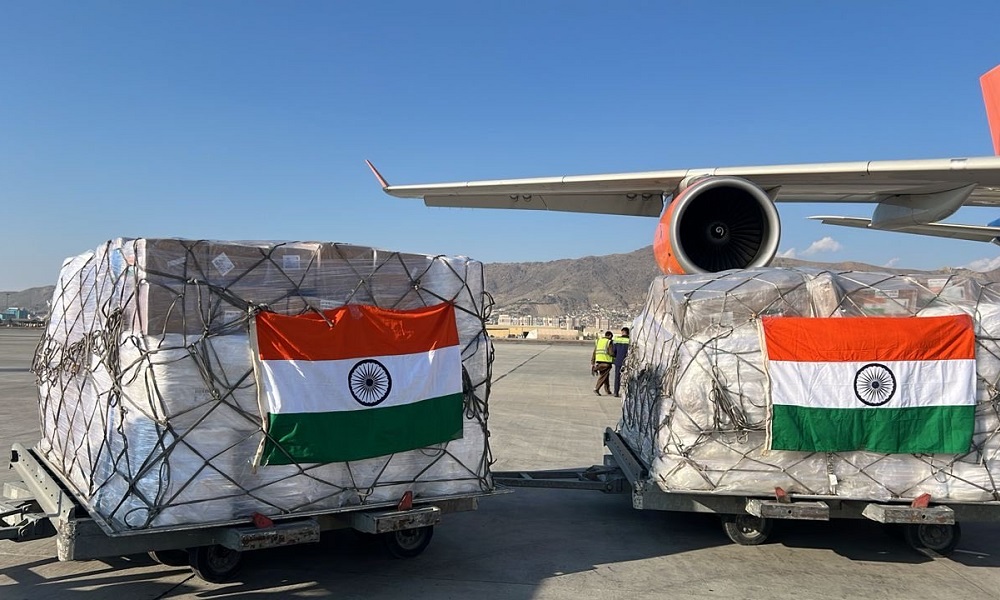
Randhir Jaiswal, spokesperson for India’s Ministry of External Affairs, announced on Friday that a 2.5-ton consignment, including emergency medicines, medical disposables, kits, and equipment has been delivered to Kabul.
According to him, the aid shipment is intended to support the swift recovery of those injured in the recent airstrike by Pakistan’s military regime.
He emphasized that India stands with the people of Afghanistan and will continue to provide all possible humanitarian assistance.
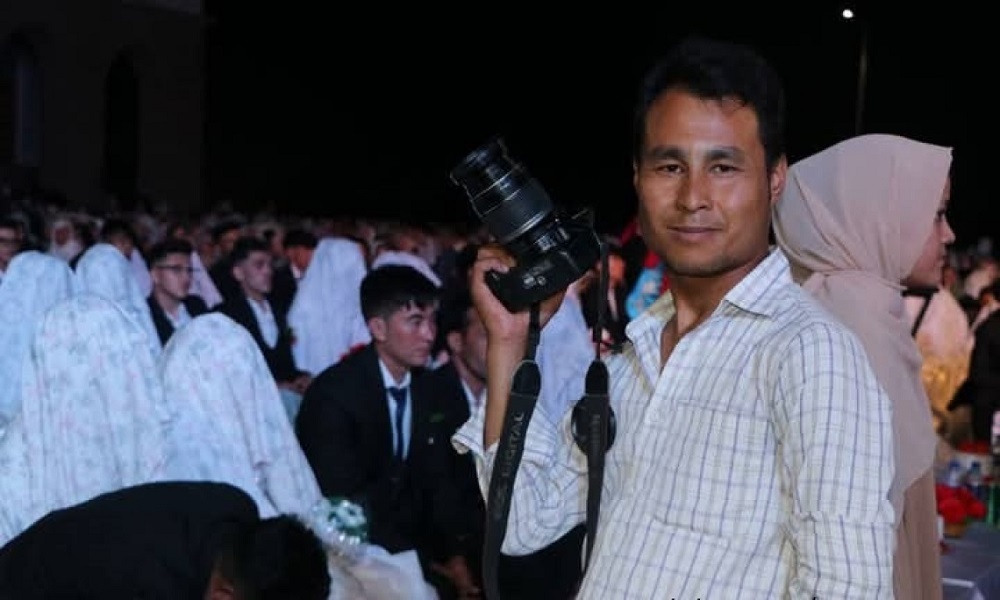
The Afghanistan Journalists Center (AFJC) has announced that Mahdi Ansary, a reporter for the Afghan News Agency (AFKA), has been released after serving one and a half years in Bagram prison.
In a statement welcoming his release, AFJC emphasized that the fundamental rights of this journalist—who had been tried and imprisoned on charges of cooperating with exiled and foreign media—were “seriously” violated.
Ansari was arrested on October 5, 2023, after returning from his workplace in Kabul.
He was sentenced on January 1, 2024 by the Kabul Primary Court to one and a half years in prison on charges of “propaganda against the Islamic Emirate.”
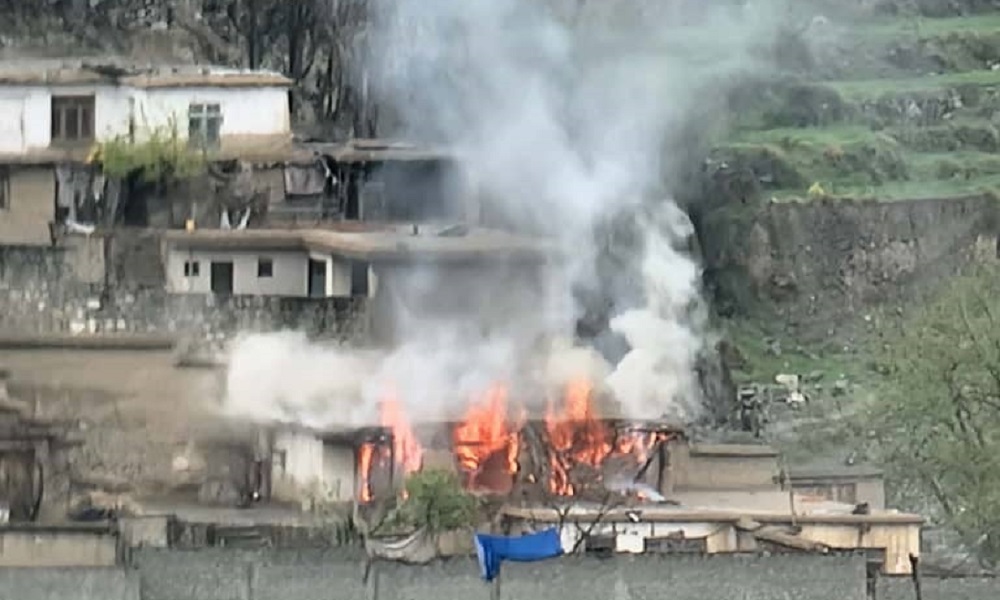
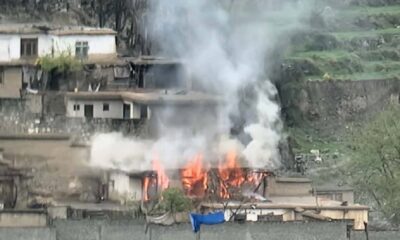
Farid Dehqan, spokesperson for the Khas Kunar police command, said that rocket attacks by the Pakistani military regime are still ongoing in the province.
These attacks come despite earlier announcements by the Pakistani military of a temporary ceasefire for Eid.


Tawsia: Assessment of Afghanistan’s economic activities in 1404

India sends 2.5-ton medical shipment to Afghanistan

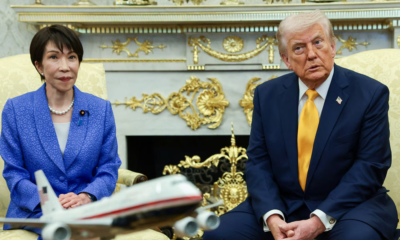
Trump compares Iran strikes to Pearl Harbor in meeting with Japan’s leader

Afghanistan national buzkashi falls short in Kokpar World Championship semifinals

Mahdi Ansary, local journalist, released from prison

Pakistani military jet downed in Afghanistan’s Jalalabad, pilot captured alive

Afghan Air Force conducts airstrikes in Islamabad, other cities

Afghanistan welcomes investment and technology partnerships with India

Prominent Muslim scholar issues fatwa calling for Afghanistan-Pakistan ceasefire

Afghan air force strikes key Pakistani military installations in retaliatory operation
Tawsia: Assessment of Afghanistan’s economic activities in 1404

Tahawol: Temporary ceasefire draws broad support

Saar: Emphasis on resolving conflicts through diplomacy

Tahawol: Global reactions to Pakistan’s recent attacks discussed

Saar: Consequences of Pakistani airstrikes on Afghans discussed
-
 Latest News4 days ago
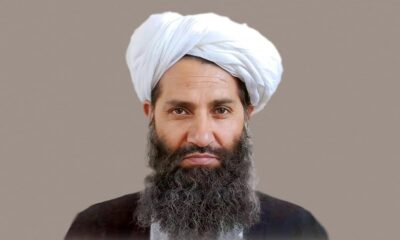
IEA Supreme Leader issues Eid-ul-Fitr message urging unity and support for Islamic system
-

 Business4 days ago
Turkmenistan, Afghanistan discuss steps to speed up land acquisition for TAPI pipeline
-
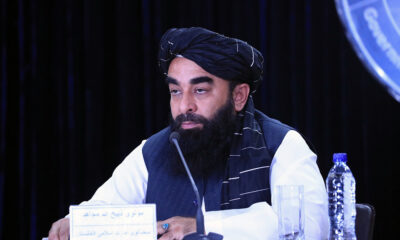
 Latest News2 days ago
IEA announces temporary pause in defensive operations against Pakistan for Eid
-
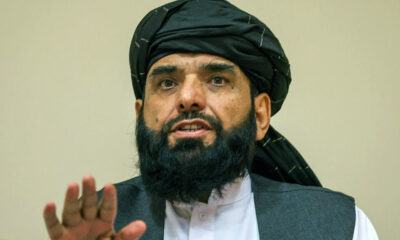
 Latest News2 days ago
Pakistan opposes normal Afghanistan–India relations: Shaheen
-
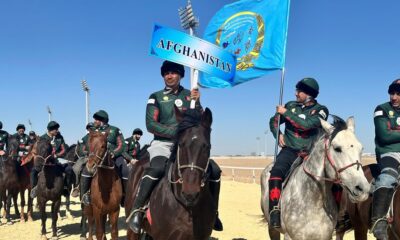
 Sport3 days ago
Afghanistan national buzkashi team defeats Hungary 14–0
-

 Latest News4 days ago
CAIR-Texas calls for probe after Afghan refugee dies in ICE custody
-

 Latest News4 days ago
IEA condemns alleged airstrike by Pakistan on drug treatment hospital in Kabul
-
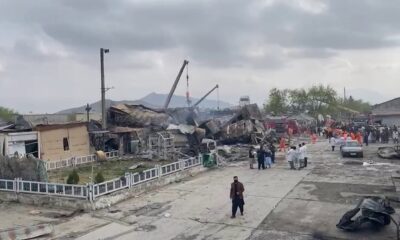
 Latest News3 days ago
Afghanistan warns Pakistan of ‘teeth-breaking’ response after deadly Kabul bombing