
Latest News
U.S. sends 9 Yemeni prisoners from Guantanamo Bay to Saudi Arabia

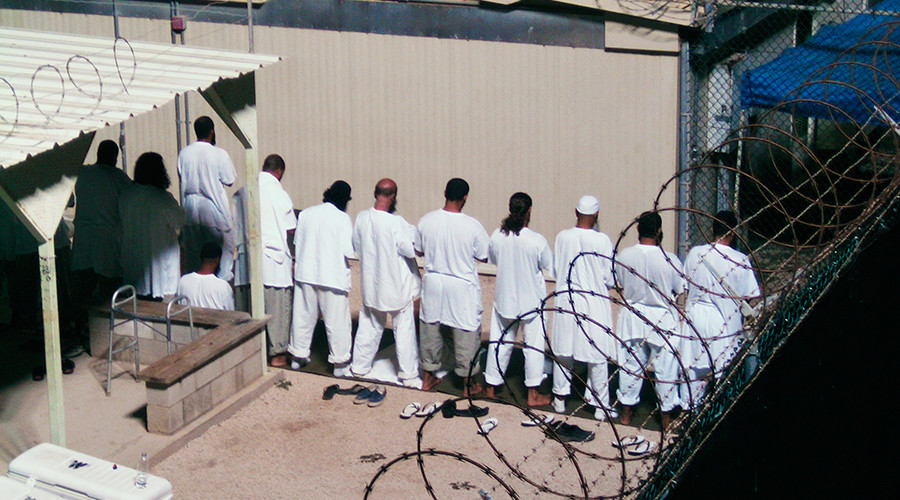

The United States on Saturday transferred nine Yemeni men to Saudi Arabia from the U.S. military prison at Guantanamo, including an inmate who had been on a hunger strike since 2007, under a long-sought diplomatic deal between Washington and Riyadh, U.S. officials said.
The transfer, which took place just days before President Barack Obama’s visit to Saudi Arabia for a summit of Gulf Arab allies, marked the latest step in his final push to close the controversial detention center at the U.S. naval base in Cuba before he leaves office in January 2017.
The Saudis agreed, after lengthy negotiations that at one point involved Obama and Saudi King Salman, to take the nine Yemenis for resettlement and put them through a government-run rehabilitation program that seeks to reintegrate militants into society, the officials said.
The group announced by the Pentagon was the largest shipped out of the Guantanamo Bay prison since Obama rolled out his plan in February aimed at shutting the facility. But he faces stiff opposition from many Republican lawmakers as well as some fellow Democrats.
There are now 80 prisoners at Guantanamo, most held without charge or trial for more than a decade, drawing international condemnation.
The most prominent of the transfers was Tariq Ba Odah, a 37-year-old Yemeni whom the military had been force-feeding daily since he went on a hunger strike in 2007. His legal team said he was down to 74 pounds, losing about half of his body weight.
Ba Odah’s lawyer, Omar Farah, said the U.S. government had “played Russian roulette” with his client’s life and that his transfer “ends one of the most appalling chapters in Guantanamo’s sordid history.”
His case was a source of legal wrangling between the U.S. Department of Justice and his lawyers, who had unsuccessfully sought his release on humanitarian and medical grounds, and also created divisions within the Obama administration.
TRANSFERS PRECEDE OBAMA’S VISIT
The transfers took place as Obama prepared to visit Saudi Arabia on Wednesday and Thursday for a summit with the Gulf Cooperation Council at a time when U.S.-Saudi relations have been strained by the nuclear deal with Iran, their Shi’ite regional rival, and what Riyadh sees as a weak U.S. response to Syria’s civil war.
The Saudis have also threatened to sell of hundreds of billions of dollars’ worth of American assets should the U.S. Congress pass a bill that could hold the kingdom responsible for a role in the Sept. 11, 2001 attacks, the New York Times reported.
A U.S. official said the transfer – the result of years of negotiations, including an Oval Office appeal by Obama to the visiting Saudi monarch in September and visits to the kingdom by U.S. Secretary of State John Kerry – was not orchestrated for Obama’s trip and the timing was a coincidence.
Republicans have expressed opposition to such transfers, voicing concern that more released Guantanamo prisoners will return to militant activities.
But the transfer was considered a breakthrough since Riyadh had long resisted taking any non-Saudi nationals from the prison.
All nine men have family ties in Saudi Arabia, which borders Yemen. The Obama administration has ruled out sending Yemenis to their homeland because it is engulfed in civil war and has an active al Qaeda branch.
“The United States is grateful to the government of the kingdom of Saudi Arabia for its humanitarian gesture,” the Pentagon said in a statement.
Guantanamo prisoners were rounded up overseas when the United States became embroiled in wars in Iraq and Afghanistan following the Sept. 11, 2001, attacks on New York and Washington. The facility, opened by Obama’s predecessor George W. Bush, came to symbolize aggressive detention practices that opened the United States to accusations of torture.
Obama’s plan for shuttering the facility calls for bringing the several dozen remaining prisoners to maximum-security prisons in the United States. U.S. law bars such transfers to the mainland but Obama has not ruled out using executive action to do so.
Ba Odah, who was captured by the Pakistani army along the Afghan border and was accused of receiving weapons training in order to fight with the Taliban, had been force-fed by nasal tube since he stopped taking solid food in protest at his detention. He was cleared for transfer in 2009.
Pentagon officials had said he was receiving proper care. But his case was seen, until a recent uptick in transfers, as evidence of the Pentagon resisting Obama’s efforts to close the detention center.
The other prisoners involved in the transfer were identified as: Umar Abdullah Al-Hikimi, Abdul Rahman Mohammed Saleh Nasir, Ali Yahya Mahdi Al-Raimi, Muhammed Abdullah Muhammed Al-Hamiri, Ahmed Yaslam Said Kuman, Abd al Rahman Al-Qyati, Mansour Muhammed Ali Al-Qatta, and Mashur Abdullah Muqbil Ahmed Al-Sabri.
They were among a group of lower-level inmates, now numbering 26 and mostly Yemenis, who have been cleared for transfer by a U.S. government inter-agency task force. U.S. officials have said they expect to move out all members of that group by this summer.
Written by: Reuters

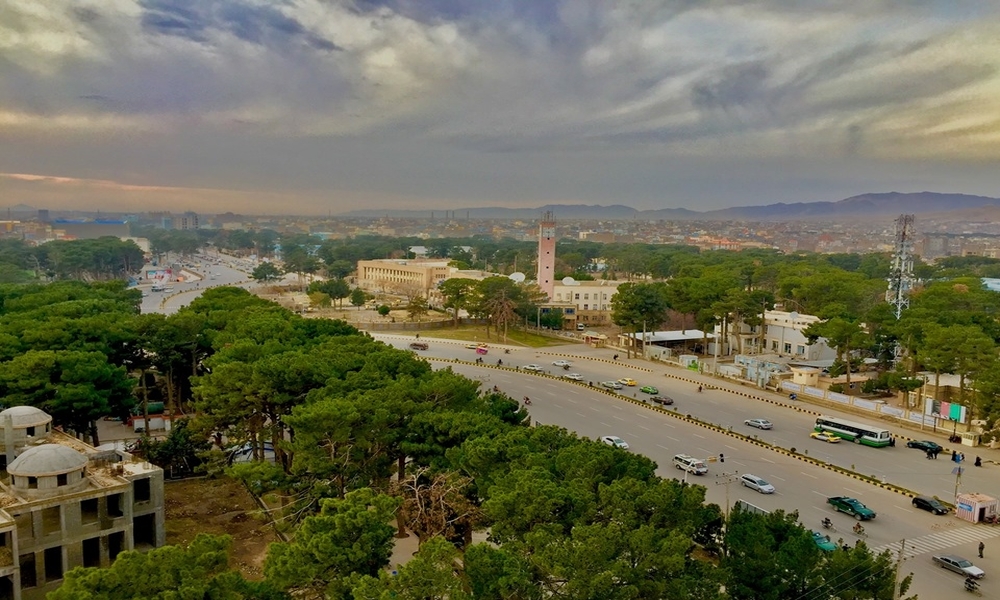
Seven people were killed and 13 injured in a shooting by unidentified armed men in Herat province, said Interior Ministry spokesperson Abdul Mateen Qani.
Qani added that after midday on Friday, unidentified gunmen on motorcycles opened fire on a group of civilians who had gathered for recreation near a picnic area in Qabarzon village, Injil district of Herat province.
According to Qani, initial information indicates that 7 people were killed and 13 others wounded in the attack. The condition of some of the injured is reported to be critical.
Latest News
UK backs Afghanistan–Pakistan talks, calls dialogue key to lasting peace
Richard Lindsay, the UK’s Special Representative for Afghanistan, described the latest round of talks as a positive step forward.
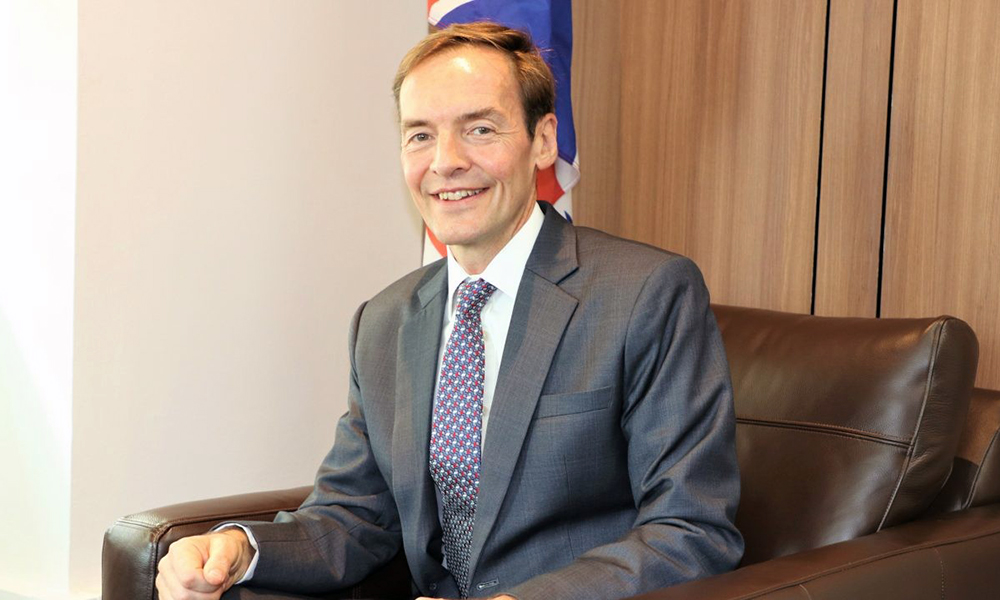
The United Kingdom has welcomed recent diplomatic engagements between Afghanistan and Pakistan, emphasizing that sustained dialogue remains the most effective path toward reducing tensions and achieving long-term stability.
Richard Lindsay, the UK’s Special Representative for Afghanistan, described the latest round of talks as a positive step forward. He praised the engagement between both sides and urged continued efforts to reach a comprehensive resolution.
“I welcome the recent interactions between the negotiating teams of Afghanistan and Pakistan and encourage continued dialogue to reach a comprehensive solution. Dialogue remains the only way to reduce tensions and achieve sustainable peace,” Lindsay said.
The week-long discussions, held in Urumqi, involved diplomatic, defense, and security officials from both countries. The talks concluded with a preliminary agreement aimed at immediate de-escalation, with participants committing to practical measures to manage tensions and prevent further escalation.
Chinese officials noted that both sides agreed on steps to stabilize the situation, signaling cautious optimism after a period of strained relations.
Regional analysts have underscored the importance of maintaining diplomatic momentum, warning that prolonged instability could worsen broader security challenges. They stress that constructive engagement between Kabul and Islamabad is essential to prevent further deterioration.
Following the initial round, expectations are rising for a second phase of talks at a higher diplomatic level—potentially paving the way for concrete measures to ease tensions and reinforce regional stability.
Latest News
IEA defense minister meets Chinese envoy, emphasizes security and regional stability
Both sides concluded by emphasizing the need to build mutual trust, deepen bilateral cooperation, and expand regional partnerships.
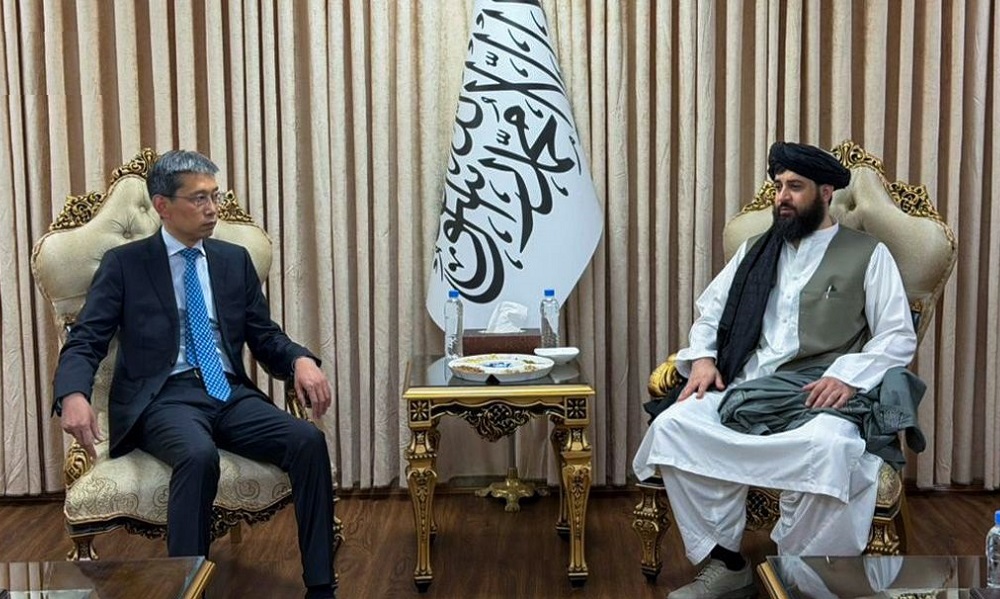
Afghanistan’s Defense Minister, Mohammad Yaqoob Mujahid, held talks with China’s Ambassador to Kabul, Zhao Xing, focusing on security cooperation and regional stability, officials said.
According to Defense Ministry spokesperson Enayatullah Khwarazmi, the meeting covered bilateral relations, political engagement, and evolving regional developments. Both sides discussed ways to enhance coordination on shared concerns, particularly maintaining stability and preventing cross-border security threats.
The Chinese envoy outlined Beijing’s position on the Urumqi discussions and reiterated China’s readiness to expand cooperation with Afghanistan. He emphasized dialogue-driven approaches and expressed support for initiatives aimed at promoting long-term regional peace and economic collaboration.
Mujahid said that with internal security largely consolidated, Afghanistan is now prioritizing regional stability. He stressed that dialogue remains the most effective path to addressing challenges and reaffirmed the country’s commitment to safeguarding national sovereignty.
He added that the current approach is based on patience, mutual respect, and understanding, while underscoring that defending the country against any form of aggression remains a legitimate right and national responsibility.
Both sides concluded by emphasizing the need to build mutual trust, deepen bilateral cooperation, and expand regional partnerships.


Tawsia: New transit route with Tatarstan, MoU with Uzbekistan discussed

7 killed, 13 injured in shooting by unidentified gunmen in Herat

Vance warns Iran not to “play us” as he leaves for talks

Etihad Airways to expand Kabul–Abu Dhabi flights to daily service amid surging demand

UK backs Afghanistan–Pakistan talks, calls dialogue key to lasting peace

IEA Supreme Leader issues Eid-ul-Fitr message urging unity and support for Islamic system

IEA supreme leader orders replacement of foreign terminology in official documents

14 Pakistani soldiers killed after military post falls along Durand line: MoD

Afghan airstrikes target Pakistani military sites in retaliation for air attacks

Turkmenistan, Afghanistan discuss steps to speed up land acquisition for TAPI pipeline
Tawsia: New transit route with Tatarstan, MoU with Uzbekistan discussed

Tahawol: China to host 2nd round of Kabul–Islamabad talks discussed

Saar: Fragile ceasefire in the Middle East reviewed

Tahawol: Two‑week truce agreement between Iran-US reviewed

Saar: US–Iran two-week ceasefire agreement discussed
-
 Latest News3 days ago
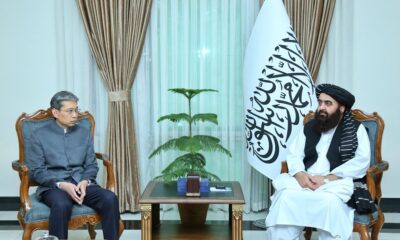
China seeking to build trust between Afghanistan and Pakistan
-
 Latest News5 days ago
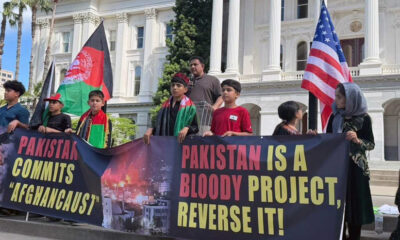
Afghan community in California condemns Pakistani strikes amid growing global protests
-

 International Sports5 days ago
IPL 2026: Lucknow hold nerve in final over to defeat Sunrisers
-
 Business4 days ago
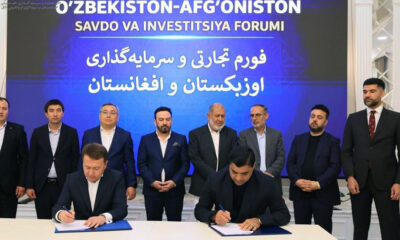
Afghanistan, Uzbekistan sign $400 million trade deals in push to deepen ties
-
 Regional5 days ago
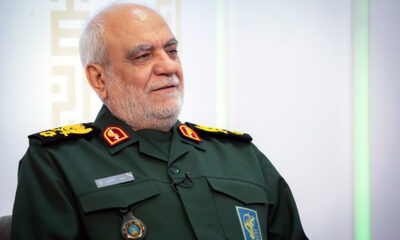
IRGC intelligence chief killed as wave of strikes continues against Iran’s leadership
-

 International Sports4 days ago
IPL 2026: Rain scuppers KKR vs PBKS match
-
 World5 days ago
US, Iran and mediators make push for 45-day ceasefire, Axios reports
-
 Business5 days ago
Afghanistan, Kyrgyzstan aim to boost trade to $1 billion