
Latest News
UN-led Doha meetings call for greater support for Afghan economy and counternarcotics efforts

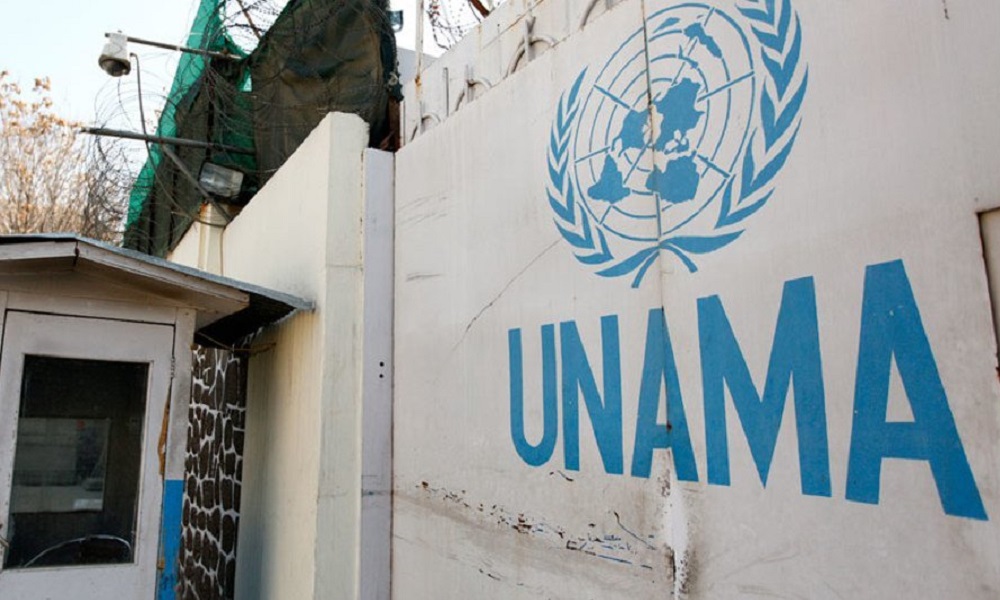
A series of United Nations-facilitated working group meetings on Afghanistan concluded in Doha last week, with renewed calls for enhanced international engagement and practical support for the Afghan people, particularly in the areas of private sector development and counternarcotics.
Organized by the United Nations Assistance Mission in Afghanistan (UNAMA), the meetings on June 30 and July 1 brought together representatives from 26 UN Member States and international organizations, delegates from the Islamic Emirate, and a panel of subject-matter experts.
The gatherings focused on two key areas: boosting Afghanistan’s struggling private sector and tackling the complex challenges posed by drug production, trafficking, and treatment.
“Supporting the private sector and counternarcotics efforts is a strategic, economic, and humanitarian imperative,” said Roza Otunbayeva, Special Representative of the UN Secretary-General and Head of UNAMA.
She added that the meetings also provided a platform to engage IEA on their international obligations and emphasize the essential role of women and girls in the country’s economic recovery and broader society.
The counternarcotics working group explored a joint action plan aimed at creating alternative livelihoods for poppy farmers, alongside strategies for drug prevention and treatment programs. Participants also addressed transnational concerns such as drug trafficking, cross-border coordination, and the need for stronger law enforcement mechanisms.
The private sector working group, developed through prior consultations with Afghan business leaders, emphasized the importance of improving access to finance, enhancing regulatory frameworks, and promoting women-led enterprises.
Discussions centered on job creation, skills development, and practical solutions to strengthen Afghanistan’s economic resilience.

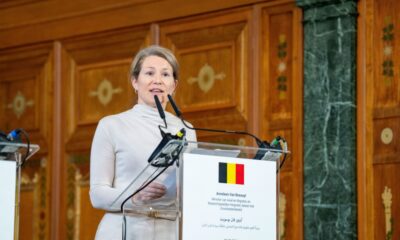

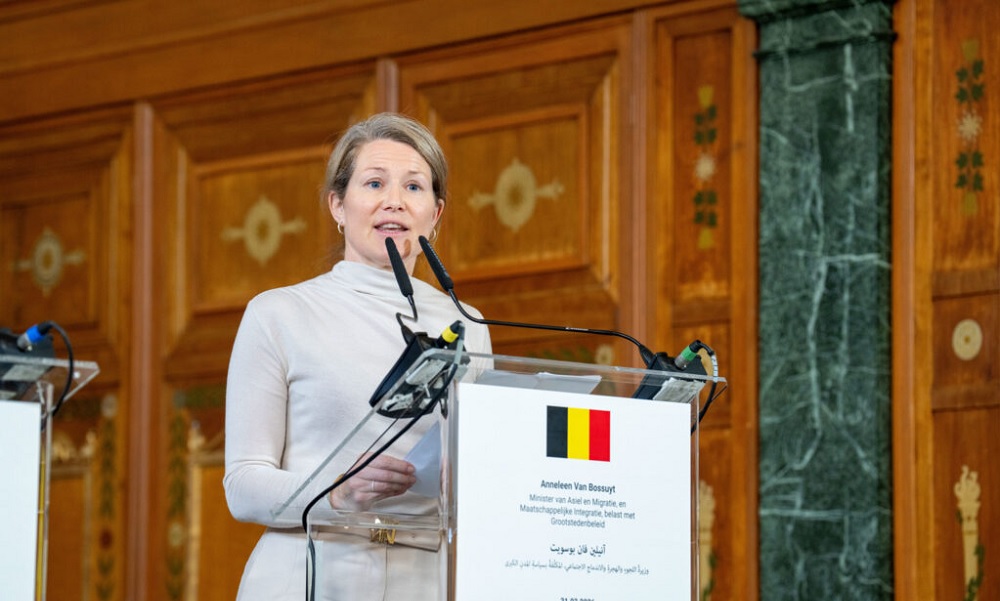
Belgium’s Minister for Asylum and Migration Anneleen Van Bossuyt has said Afghan nationals convicted of crimes and staying in Belgium illegally should be returned to Afghanistan after completing their prison sentences.
“I do not want them walking freely around our territory,” Van Bossuyt said.
She added that discussions with the Islamic Emirate of Afghanistan (IEA) over the return of such individuals do not amount to supporting the IEA.
“Afghan criminals who are staying illegally and are in our prisons, for example for the rape of minors, must return after serving their sentences,” she said.
Van Bossuyt said such contacts were aimed at addressing security concerns, including the safety of women and girls in Belgium.
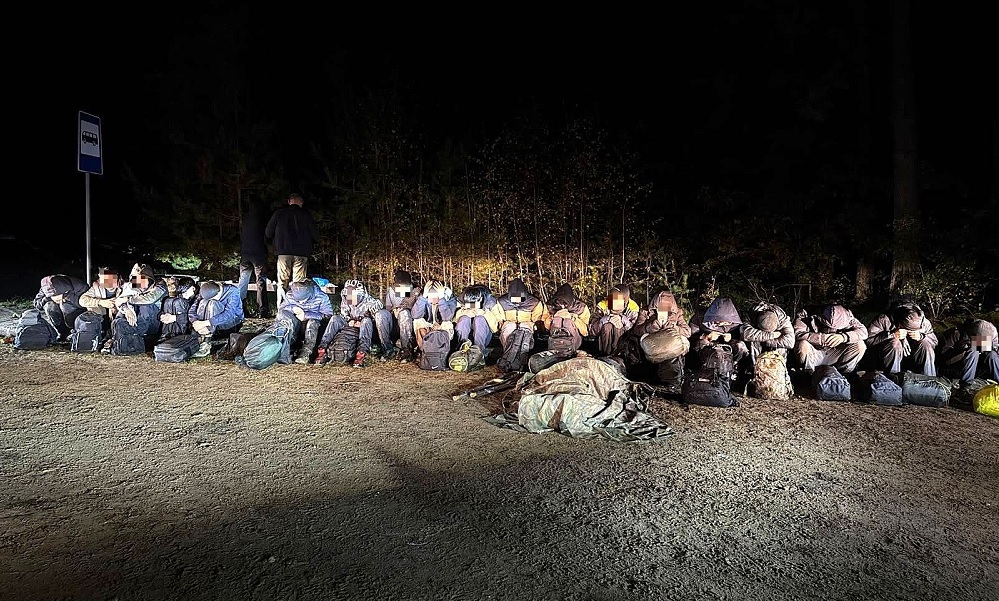
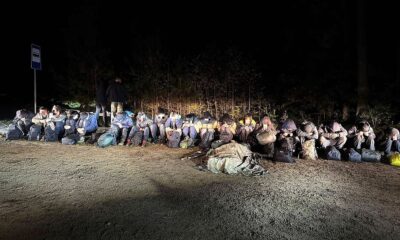
Lithuanian border guards have detained 35 Afghan and Iraqi migrants who crossed into Lithuania from Belarus, the Lithuania’s State Border Guard Service (VSAT) said.
The group was detected on Thursday evening after crossing the border near Katras village in the Varėna district, part of the Čepkeliai nature reserve.
Lithuanian authorities launched a large-scale operation to locate the migrants, deploying a VSAT helicopter, border guards, special forces and sniffer dogs. Police also assisted in the operation.
The migrants split into several groups but were detained before they could travel deeper into Lithuanian territory.
All 35 detainees were men aged approximately 20 to 30. Eleven had identification documents, while the others had none.
The VSAT said individual assessments found no security threats among the group. By Friday morning, 29 of the migrants had been denied entry and returned to Belarus in accordance with Lithuanian law.
Interviews with five others were still underway, while another migrant was taken to a medical facility for examination after reporting health problems.
Lithuanian border authorities said they have prevented 1,661 migrants from illegally entering the country from Belarus so far this year.
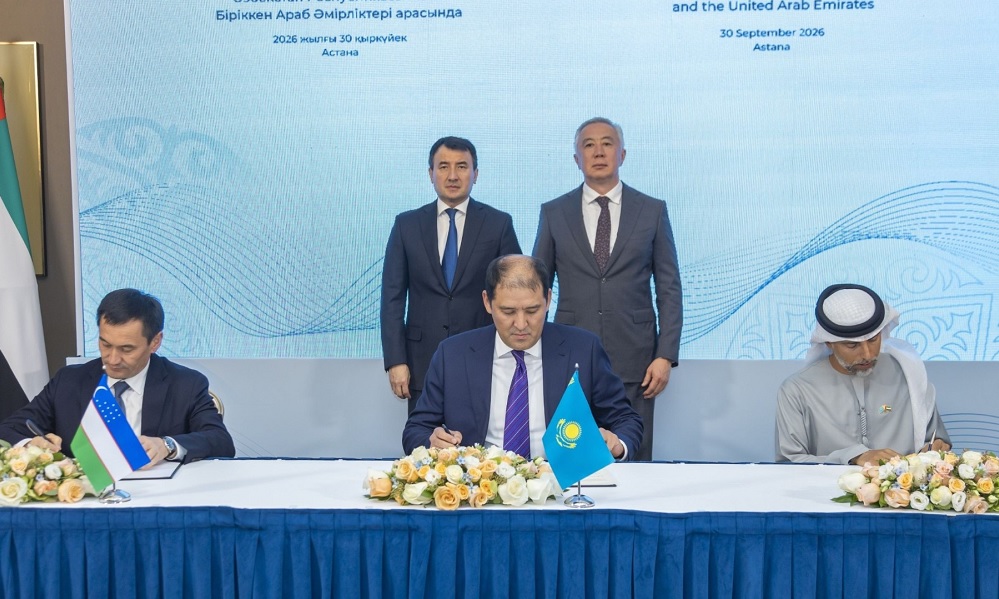
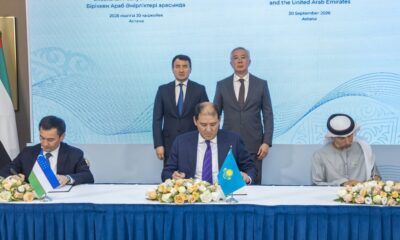
The transport ministries of Kazakhstan and Uzbekistan and the United Arab Emirates’ Ministry of Energy and Infrastructure have signed a memorandum of understanding (MoU) to cooperate on the Kazakhstan-Uzbekistan-Afghanistan-Pakistan (CASA) railway project, according to Kazakhstan’s government.
The project aims to develop a new railway route connecting Central and South Asia and providing access to Pakistan’s seaports, while creating new opportunities for international transport, trade, logistics and investment.
Under the agreement, the three countries will conduct technical and economic studies, analytical assessments and feasibility work on the development of the required railway infrastructure and related facilities.
The parties are also considering establishing a joint working group to address the project’s technical, economic and financial aspects.
Kazakhstan and Uzbekistan have developed railway networks and significant transit potential, while the UAE has international experience in transport infrastructure, logistics and major investment projects, the statement said.
The Kazakh government said combining these capabilities would support further practical work on the CASA project and help determine mechanisms for its implementation.
The Trans-Afghan transport corridor linking Central and South Asia has the potential to carry up to 10 million tonnes of cargo to Pakistan’s ports of Karachi and Gwadar.


Rashid Khan plans to build cricket academy and stadium in Nangarhar

Belgian minister says convicted Afghan criminals should return after serving sentences

Lithuania detains 35 Afghan and Iraqi migrants crossing from Belarus

Kazakhstan, Uzbekistan and UAE sign MoU on CASA railway project via Afghanistan

Pakistan says Mecca pact members to hold emergency talks on engaging Houthis

Saudi energy group signs major Afghanistan deals covering gas exploration and pipeline plans

Khalilzad: Afghanistan ready to attract major investment

El Niño likely to intensify, may become strongest ever recorded, WMO says

Khyber Chamber demands reopening of Torkham crossing

Messi returns to Inter Miami after Argentina retirement

Tawsia: Review of three key economic developments in Afghanistan

Tahawol: Pakistan’s airstrikes on civilians in Afghanistan discussed

Tahawol: Improvement in Afghanistan-China relations discussed

Saar: Expanding ties with regional and global countries discussed

Tahawol: Absence of Afghanistan’s envoy at UNGA discussed
-
 Sport5 days ago
Afghanistan vs India Asian Games quarter-final abandoned without a toss
-
 Regional4 days ago
US, Iran separately talk with mediators in latest bid to end war
-
 Business5 days ago
Afghanistan raises import tariffs on several goods to support domestic industry
-
 Latest News5 days ago
Khalilzad calls for end to Pakistan’s ‘double game’, urges new chapter with Afghanistan
-
 Business5 days ago
Afghanistan-Kazakhstan trade reaches $581 million in six months
-
 Regional3 days ago
US imposes sanctions on 13 tied to Iran weapons procurement
-
 Health5 days ago
Health minister visits Belarus to expand medical cooperation
-
 Sport5 days ago
ACL: Sorkh Poshan Khafi maintain perfect record with 1-0 win over Ariana Khost