
Health
MoPH launched Nationwide Vaccination Campaign

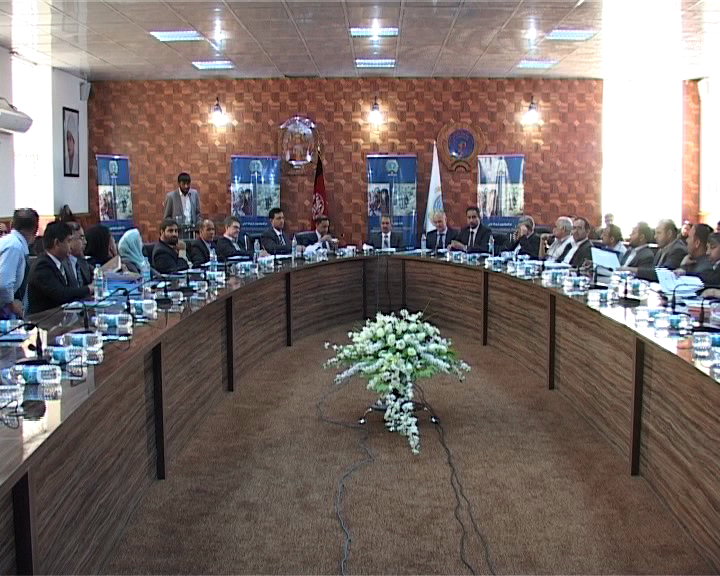

Officials in Ministry of Public health have launched nationwide vaccination campaign in the country.
Officials in MoPH said,” the following vaccination campaign will target 5,50000 children from 9 up to 59 months in 18 provinces, they will be vaccinated against measles, and polio diseases, according to their statements the main challenges are low level of information and awareness, insecurity across the country that have stopped people to get rid of these deadliest diseases, annually Afghanistan lose 20 percent of its Nation under the ages of 5 due to the following disease.”
MoPH Deputy Ahmad Jan Naim said,” The following vaccination will target 550,000 children in 18 provinces in the first time and for the second time it will cover all over Afghanistan.”
Officials in Ministry of Public Health declared that the condition for implementation of the health programs isn’t paved.

We are trying to raise the awareness of the nation through holding necessary programs; the other issue is that the Nation doesn’t want to get educated MoPH deputy Naim said.
Despite of concerns over Polio, measles disease has unprecedentedly infected in the past several months so far 445 event has been recorded in the past months though the last year estimation was 581 cases.
Reported by Wahid Nawisa

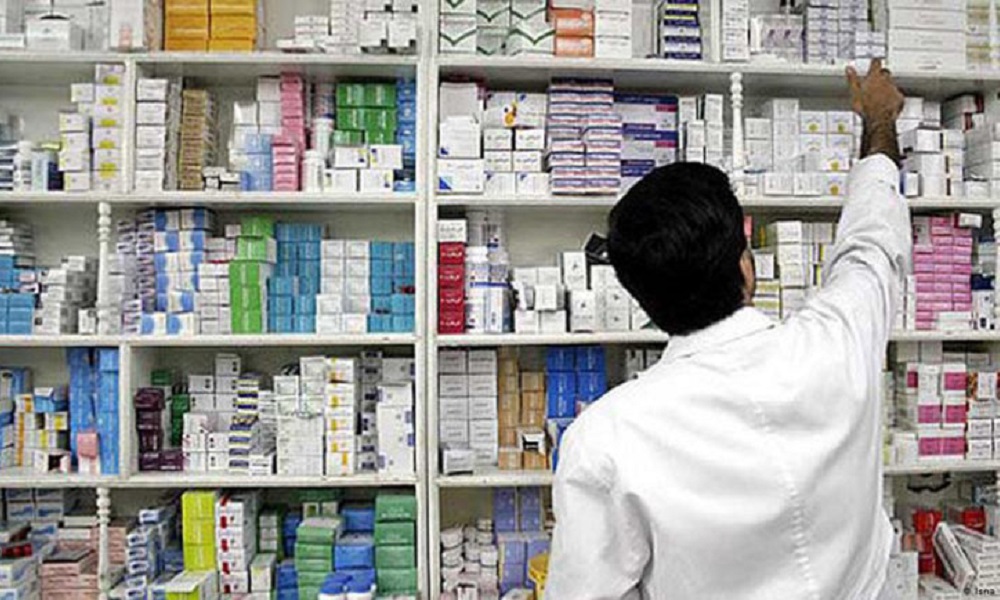
Russian pharmaceutical manufacturer Pharmasyntez is preparing to enter the Afghan market after reaching an agreement with Afghanistan’s Ministry of Public Health to begin supplying medicines to the country, as Kabul faces growing challenges in securing reliable drug imports.
The company said the first shipments are expected to arrive within the next two months, with supplies expected to include insulin, antibiotics, and medicines for cardiovascular diseases and cancer — products that Afghan health authorities say are in high demand.
Afghanistan relies heavily on imported medicines, with most pharmaceutical supplies traditionally coming from Pakistan, Iran, India, and Middle Eastern countries.
However, industry analysts say recent tensions between Afghanistan and Pakistan have disrupted some supply chains, creating shortages and opening opportunities for new suppliers.
Pharmasyntez said it decided to enter Afghanistan because of the country’s limited access to quality medicines.
The company’s portfolio includes more than 300 pharmaceutical products manufactured across seven production facilities in Russia.
Founded in 1997 in Irkutsk by businessman Vikram Punia, the company currently exports mainly to Kazakhstan, Uzbekistan, and Belarus, while also operating in markets including Myanmar and the Dominican Republic.
According to publicly available information, Pharmasyntez is the first major Russian pharmaceutical company to formally target the Afghan market.
Trade relations between Afghanistan and Russia have expanded in recent years, with Afghanistan’s Ministry of Industry and Trade reporting annual bilateral trade of around $538 million.
Russia currently exports wheat, flour, fuel products, timber, and sunflower oil to Afghanistan.
The last known Russian medicine deliveries to Afghanistan were humanitarian aid shipments sent after the deadly earthquakes that struck Herat province in 2023.
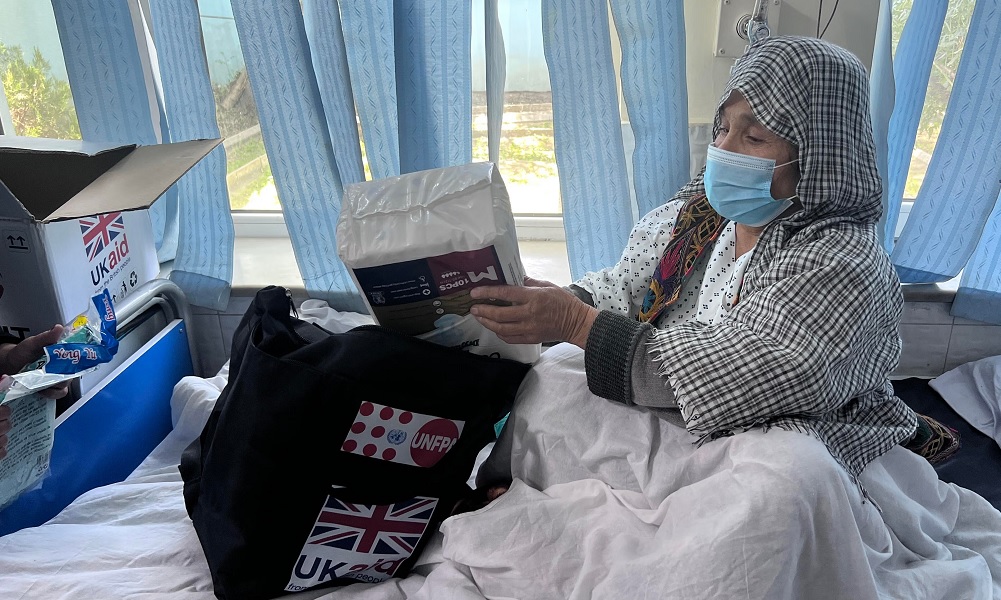
United Nations Population Fund (UNFPA) Afghanistan says the country has the world’s fifth-highest number of obstetric fistula cases, with an estimated 15,000 women and girls suffering from the childbirth-related injury.
In a post on X, UNFPA Afghanistan said obstetric fistula continues to cause disability and social isolation for thousands of Afghan women and girls.
The agency stressed that preventing and treating the condition requires access to healthcare services, safe surgical procedures, and essential medical supplies.
Obstetric fistula is a serious childbirth injury that usually occurs after prolonged or obstructed labor without timely medical care. The condition can lead to chronic health complications and often leaves affected women facing stigma and exclusion from their communities.


Norway will come under France’s nuclear umbrella, leaders say

IPL: 15-year-old’s record-breaking blitz sends Rajasthan Royals into Qualifier 2

Mujahid calls for stronger Afghanistan-Russia relations during Moscow meeting

Afghanistan, Russia sign military cooperation agreement

Iran and US trade air strikes after Trump dismisses report of Hormuz deal

New Afghanistan-China transport corridor launched via Turkmenistan

Afghanistan signs $46 million deal to develop standard laboratory complexes

Germany to launch online visa system for Afghan study and work applicants in Pakistan

Afghanistan launches first 5G trial in Kabul to boost telecom services

Large blast near Beit Shemesh part of pre-planned test: Israeli defense firm

Saar: IEA seeking Sharia-based global engagement

Tahawol: Islamic Emirate defense minister’s visit to Russia

Saar: Calls to expand Afghanistan-Qatar ties discussed

Tahawol: Afghanistan-Japan relations reviewed

Saar: Afghanistan’s relations with regional countries, incl Russia and China discussed
-
 Business4 days ago
Major pharma firms eye investment in Afghanistan
-
 Latest News5 days ago
China restricts export of chemical substances to Afghanistan
-
 Latest News4 days ago
Deadly shooting near Kabul’s Sarai Shahzada leaves four dead
-

 Sport1 day ago
Afghanistan announce squad for India series
-

 Sport3 days ago
IPL 2026 Playoffs Confirmed: RCB, GT, SRH and RR reach top four
-
 Regional4 days ago
At least 24 killed in deadly train bombing in Pakistan’s Balochistan
-

 Latest News4 days ago
IEA Supreme Leader urges unity, preservation of Islamic system in Eid al-Adha message
-
 Latest News3 days ago
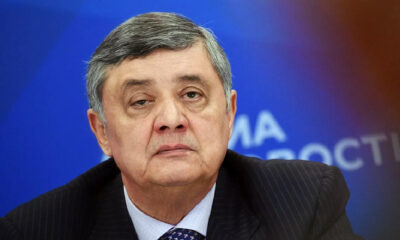
Moscow expects UNAMA mission in Afghanistan to continue under certain conditions: Kabulov