
Latest News
Over 6 million Afghan Children socially challenged

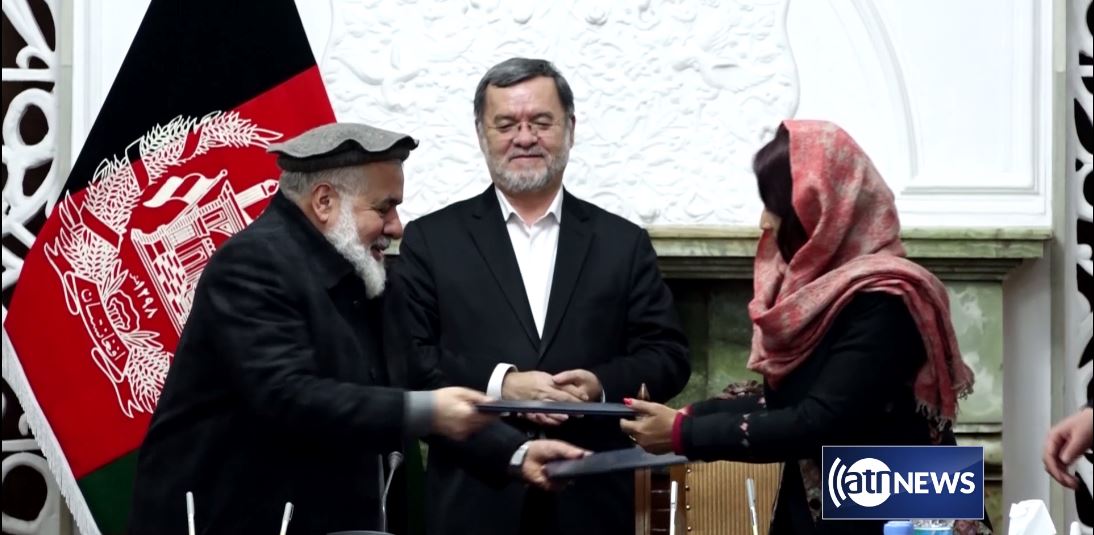
 Up to 44% of Afghan children are deprived of their rights to seeking education – child protection law ought to be strictly enforced, the Ministry of Labor and Social Affairs Say.
The second deputy of the president in the program for the mutual strategy for protection of kids said, “The disagreement about the kid’s protection rule in the parliament is not serious and the MPs must put an end to it.”
The pathologic researches have shown that six million Afghan kids are facing great risks of social harm. The Afghan government and UNICEF have signed a two-year mutual agreement on the protection of kids. The basis of this agreement is on helping those children who are deprived of proper education. Based on the Ministry of Jobs and Social Affairs, 44 percent of children in Afghanistan are deprived of proper education, most of whom are girls.
“Six million kids are facing social risks, three million of whom are in severe condition. 44 percent of children in Afghanistan are not going to school, and they need to be legally supported through wise implementation of kid’s protection rules.” Says Sayed Anwar Sadat – Acting Minister of Jobs and Social Affairs
While the issue of supporting disable kids in Afghanistan is deemed very necessary, there is no official organization for this aim until now. Girls are found to be more vulnerable to this matter. UNICEF says that war and poverty have provided the platform for misuse of kids in Afghanistan.
“The main reason for the Afghan children being exposed to severe risks of misuse is war and poverty. Mutual efforts are needed for the settlement of these challenges. UNICEF is committed to providing support for the Afghan government to help children in this country,” says Shymaseen Gupta – UNICEF Regional Head in Afghanistan.
“Nothing is done for disable children, more specifically those with mental disabilities. Girls are far more vulnerable in this concern,” says Sima Samar – Minister on Human Rights Affairs
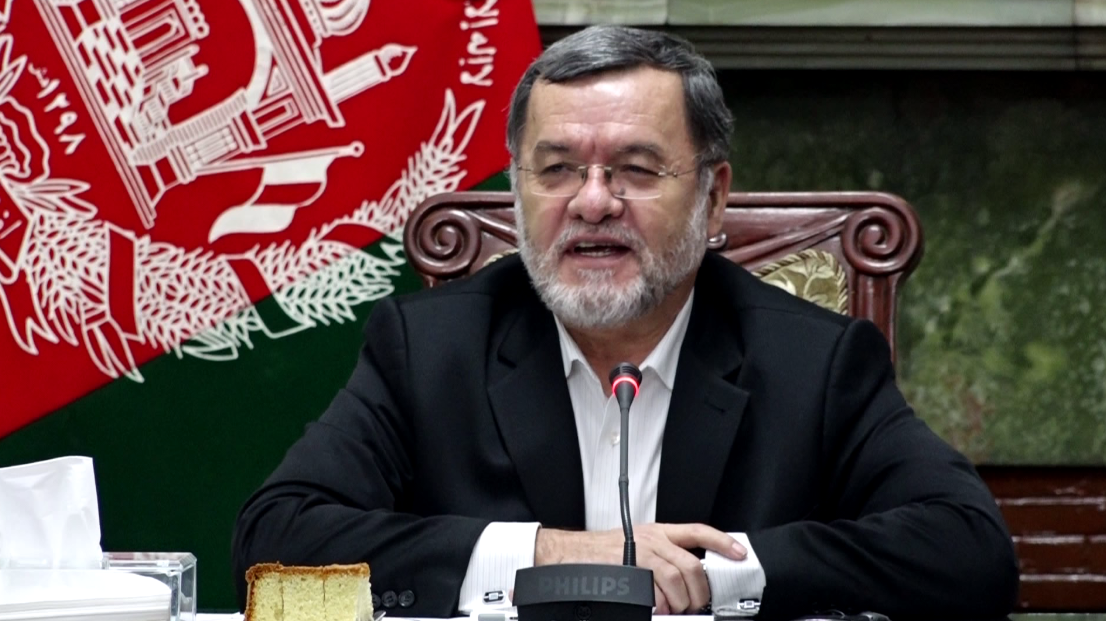
The second deputy of the president says that great steps have been taken for immunizing the children’s rights from a legal perspective. But due to conflict and low standards of life, these rules have not been properly implemented. He also requested the parliament to come to an agreement on the children’s protection rule.
“There is no serious disagreement, but, just a minor issue about the rule for protecting children’s rights. We want the parliament to settle this issue through healthy discussions” says Sarwar Danish – Second Deputy of the President
The rule for the protection of children’s rights has been dishonored due to conflicts between the MPs after once being endorsed.











Kazakhstan’s Foreign Minister Mukhtar Tileuberdi has called for pragmatic and coordinated international engagement with Afghanistan, saying the country’s long-term stability is closely linked to the security and sustainable development of Central Asia.
Speaking during the general debate of the 81st session of the United Nations General Assembly in New York on Friday, Tileuberdi said humanitarian assistance to Afghanistan remains essential but alone cannot break the cycle of poverty, displacement and dependency.
He said Kazakhstan supports a “pragmatic, coordinated and step-by-step” approach to international engagement with Afghanistan, with the United Nations playing a central role.
Tileuberdi also said Kazakhstan is working with the UN to operationalize the United Nations Regional Centre for the Sustainable Development Goals for Central Asia and Afghanistan in Almaty.
He said the success of the centre should be measured by the results and assistance it delivers to the region.


Ariana Afghan Airlines increases Kabul-Delhi cargo flights

Khalilzad questions Pakistan’s commitment to Afghan welfare

India, UN envoy discuss Afghanistan’s humanitarian needs

Kazakhstan calls for coordinated international engagement with Afghanistan

Pakistan PM, UN chief discuss Afghanistan amid rising Kabul-Islamabad tensions

Saudi energy group signs major Afghanistan deals covering gas exploration and pipeline plans

Trump floats idea of renaming Atlantic or Pacific Ocean

US hits Egyptian bank branches with Iran sanctions as war marks six months

Nepal flood rescue mission enters critical phase as thousands remain missing

Iranian clubs to face Gulf opponents at neutral venues in Asian Champions League Elite

Exclusive interview with Abdul Latif Mansoor, Minister of MRRD

Tawsia: Overview of Afghanistan’s iron mines

Tahawol: Discussion on fresh Pakistani airstrikes on Afghanistan

Saar: Calls for international support for Afghanistan discussed

Tahawol: Opening of the 81st UN General Assembly Session
-
 Sport5 days ago
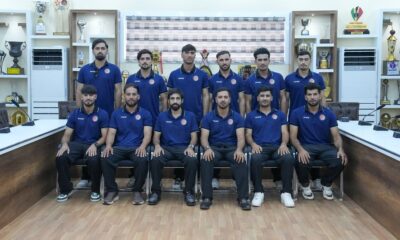
Afghanistan to face Japan and Nepal in Asian Games cricket group stage
-

 World4 days ago
CNN, MS NOW and Politico sue Trump, challenging White House ban
-

 Latest News3 days ago
Ariana Afghan Airlines ranks seventh among 45 Central Asian airlines
-

 Latest News4 days ago
UN reiterates call for respect for international law after Kunar airstrikes
-
 Latest News5 days ago
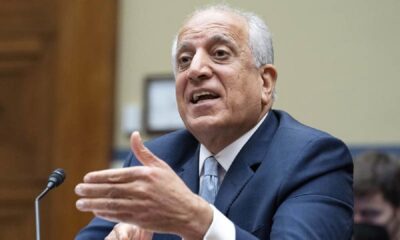
Khalilzad condemns Pakistan airstrikes, says current strategy is not working
-

 Regional3 days ago
US and Iran hold first talks since June after Trump’s ‘annihilation’ threat
-

 Latest News3 days ago
Silk Road highway in Wakhan corridor now reaches the China border
-

 Latest News4 days ago
Afghan Official: Pakistan’s airstrikes will not go unanswered